- Category
- Latest news
From 60mm to 155mm: Ukraine’s Domestic Production Now Includes Casings for All Major Calibers
 Prefer U24 Media on Google
- Authors




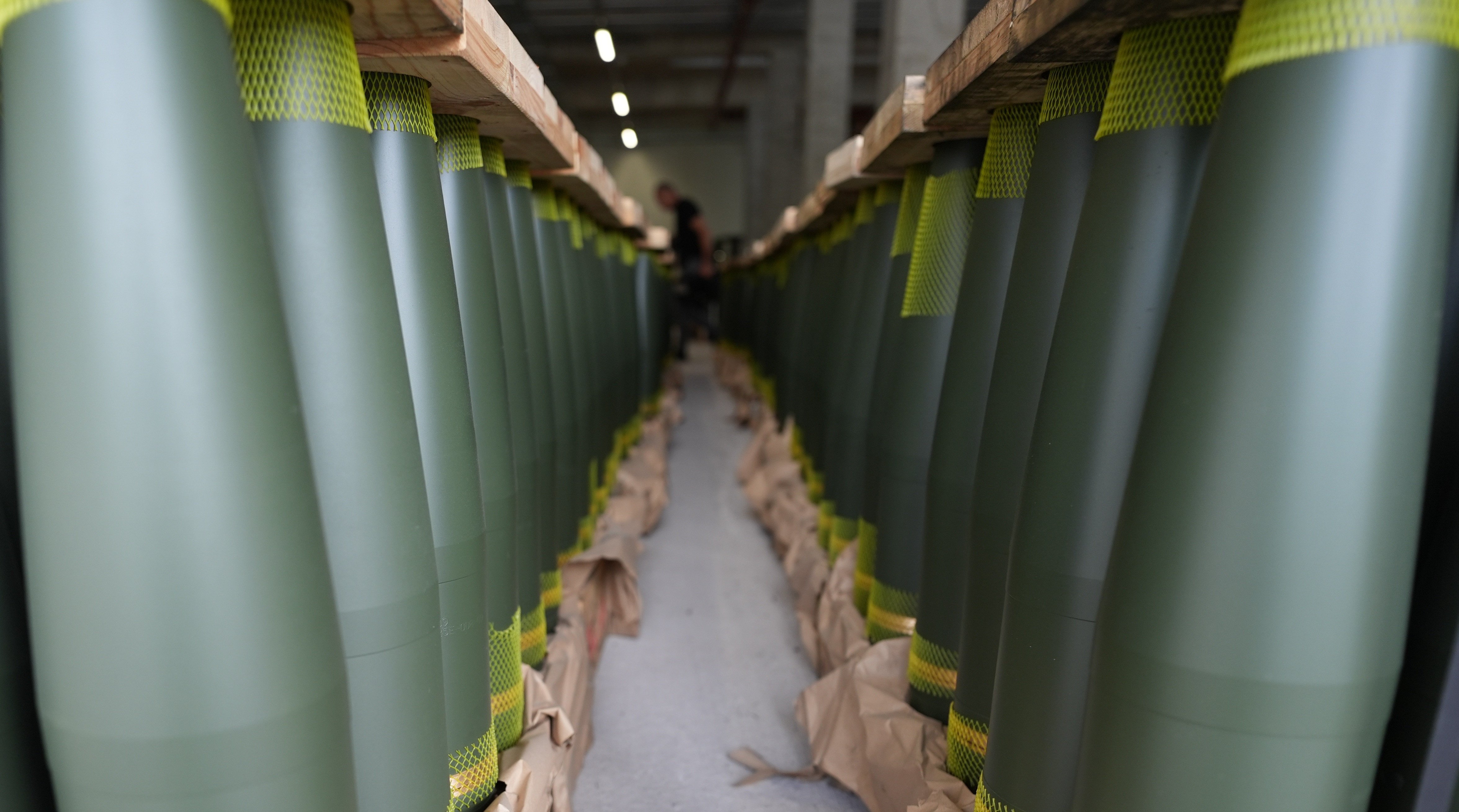
At the IDEF-2025 defense exhibition in Turkey, Ukraine’s defense industry unveiled a sweeping array of artillery shell casings—spanning nearly all major calibers in both NATO and Soviet standards—offering a rare glimpse into the country’s evolving domestic arms manufacturing capabilities, Defense Express reported on July 24.
The display, presented by Ukraine’s state arms exporter Spetstechnoexport, featured shell bodies for 152mm, 155mm, 122mm, and 105mm artillery rounds, as well as tank shells and mortar bombs in calibers ranging from 60mm to 120mm.
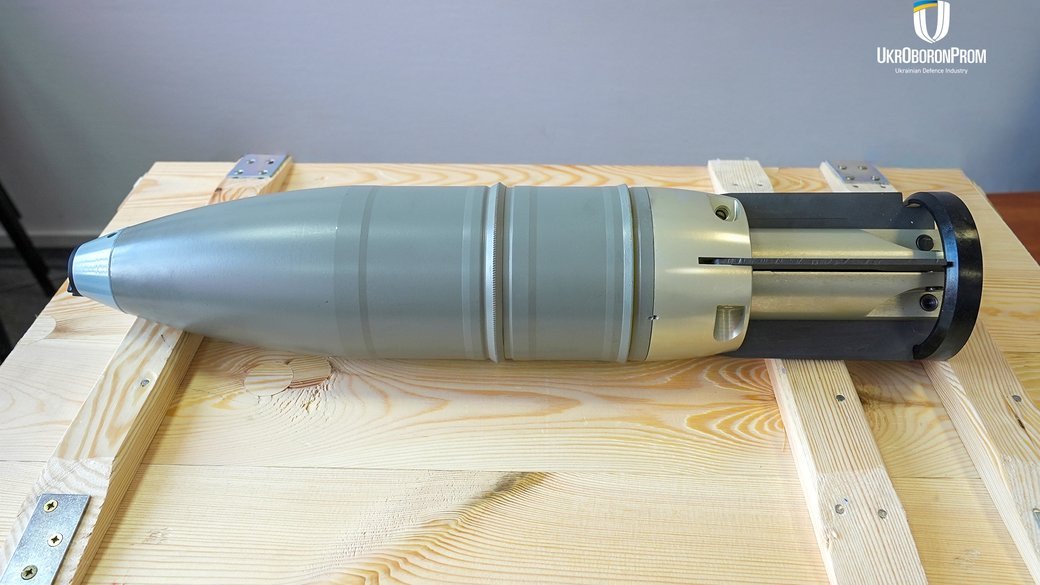
While Spetstechnoexport does not directly produce the munitions, it serves as a representative for Ukraine’s broader defense-industrial base.
The presence of such a wide range of shell bodies suggests that Ukraine is not only capable of manufacturing Soviet-standard munitions like 152mm and 122mm rounds, but has also begun producing NATO-standard calibers such as 155mm and 105mm.
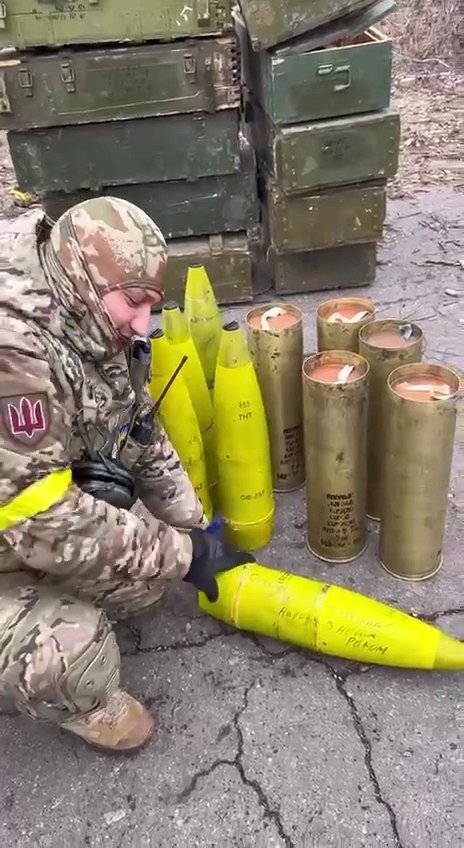
Ukrainian media note that photo evidence confirms the battlefield use of domestically made 155mm, 152mm, and 122mm shells.
More specifically, Ukraine is reportedly producing shell bodies for two types of 155mm high-explosive rounds—the standard M107M1 and the extended-range M795. For the legacy Soviet systems, high-explosive 152mm and 122mm shells were on display, with signage indicating compatibility with the D-20 and D-30 towed howitzers, though model names were not disclosed.
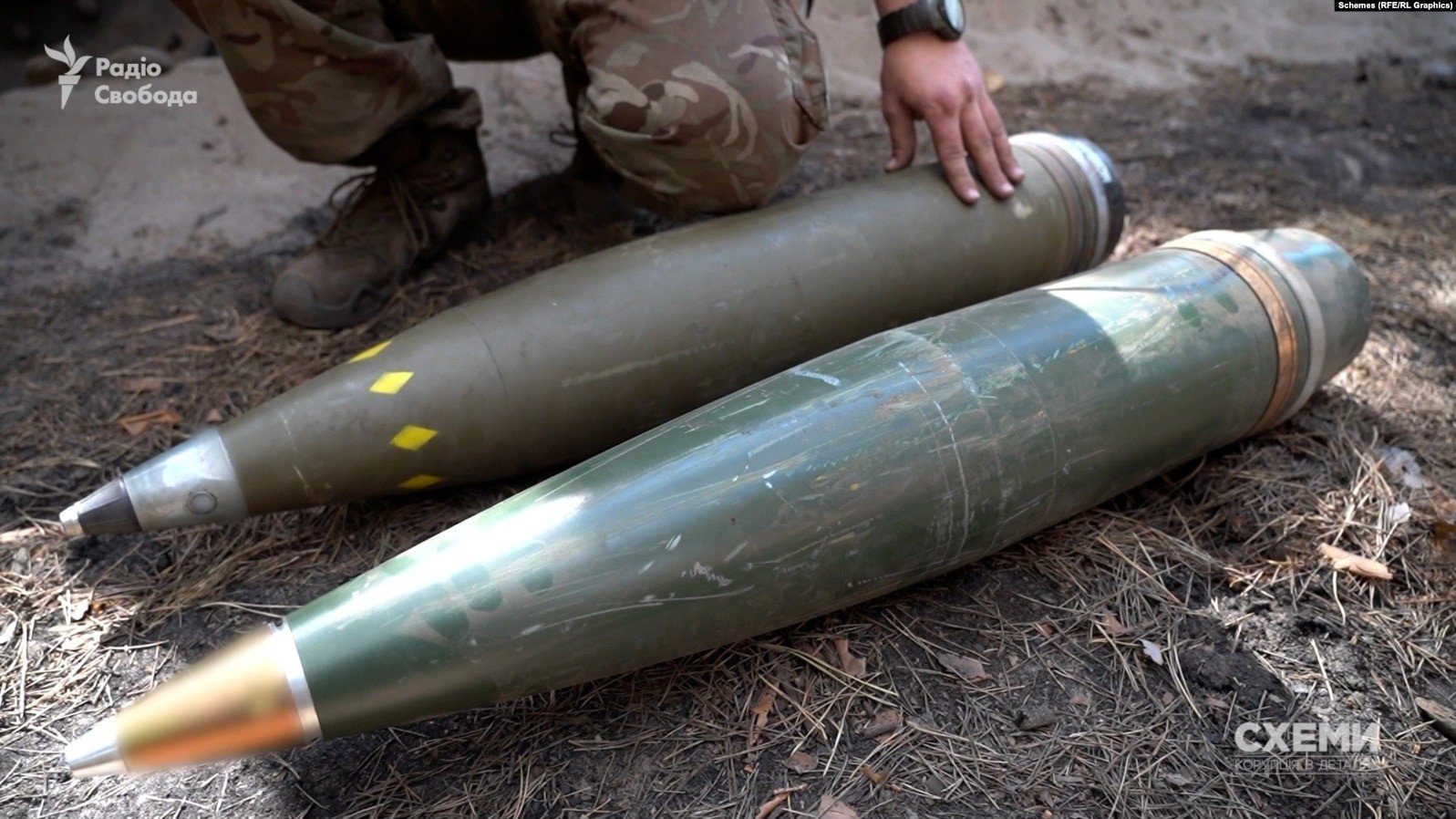
Perhaps the most surprising addition was the debut of Ukrainian-made 105mm high-explosive artillery shells. Although prior plans for production had been announced, this marked the first public indication that manufacturing had actually begun.
Among the compatible guns listed were the M102, the L118, and a curious entry—"105 SB"—which may refer to a smoothbore Rheinmetall concept cannon originally designed for tanks.
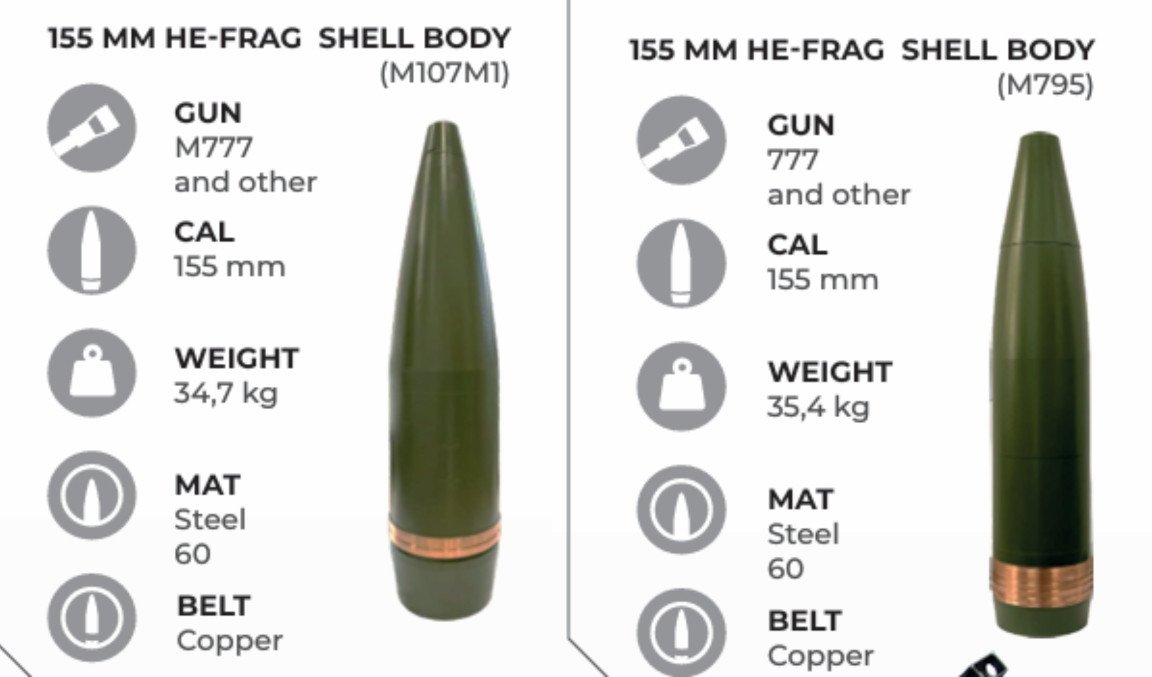
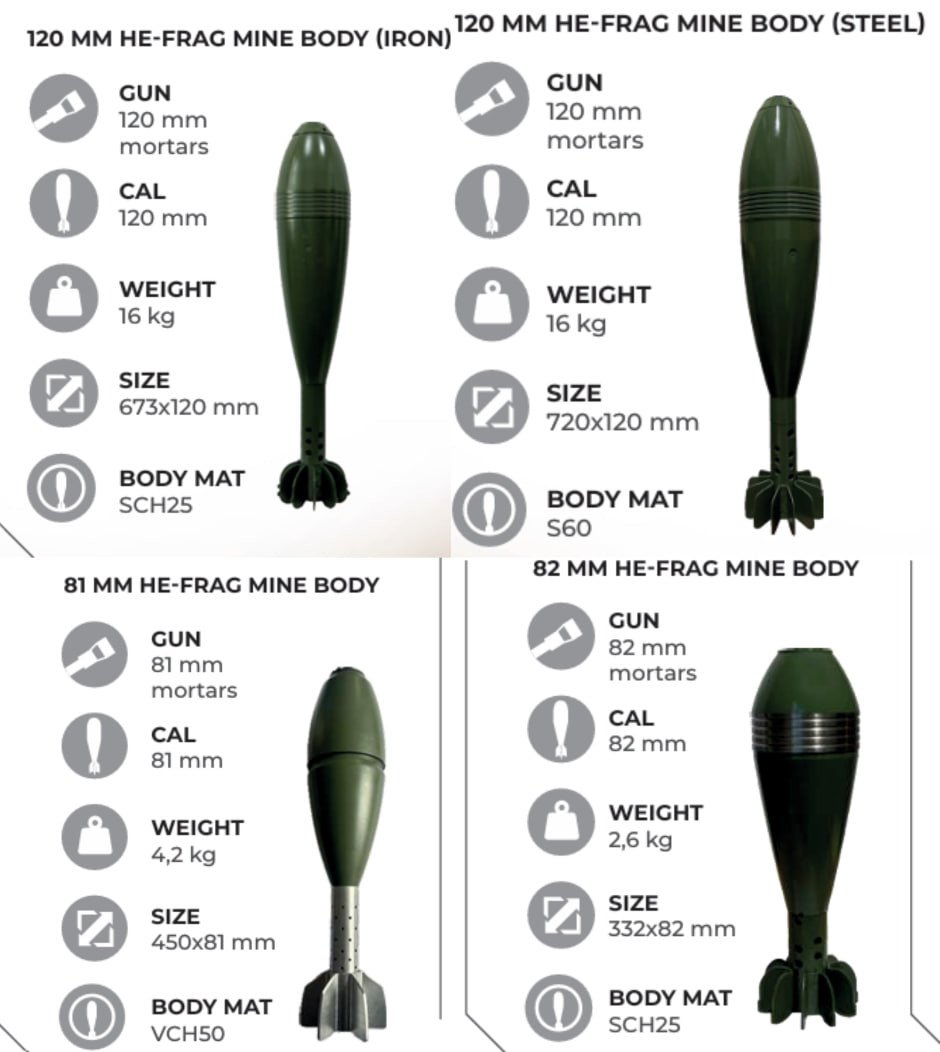
Also on display were mortar shell bodies in 81mm, 82mm, and 120mm variants. The 120mm models appeared in two materials: steel and cast iron, each with different battlefield effects. Steel versions typically offer greater explosive force, while cast iron provides higher fragmentation density. Ukrainian forces have been seen actively using both versions in the field.
The exhibit also included 60mm mortar casings, which Ukrainian company Ukrainian Armor has adapted for use in FPV (first-person view) drones, highlighting ongoing innovation in adapting legacy munitions for modern warfare.
Rounding out the display was a 125mm high-explosive tank shell body, compatible with Soviet and post-Soviet tank guns—an item previously confirmed to be in production for some time.
Despite the comprehensive showcase, only shell bodies—not complete rounds—were exhibited. That omission is largely due to Ukraine’s current lack of domestic explosives production. Global shortages of imported explosives have also constrained the ability to fully assemble rounds.
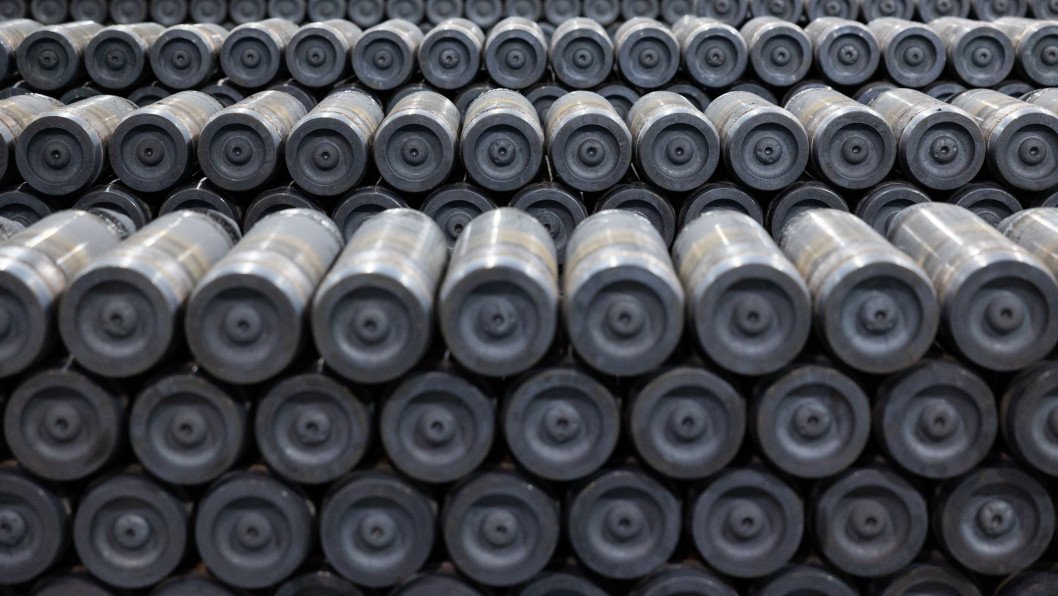
Different explosive fillers can be used depending on customer needs, but variations in fill type can significantly affect the shell’s performance. Still, considering the photographic and battlefield evidence for most of the calibers shown, analysts believe these components are indeed being used by Ukraine’s Armed Forces.
Earlier, Czech defense manufacturer Excalibur Army, one of the largest suppliers of weapons to Ukraine, has officially opened a local office in the country.
According to the company’s press service, the new Ukrainian branch will handle orders, technical consultations, and documentation. However, the centerpiece of its operations will be the co-production of artillery shells—specifically 155mm and 105mm rounds—alongside its Ukrainian partner.
Discuss this article:


-72b63a4e0c8c475ad81fe3eed3f63729.jpeg "Photo of Cyril Barabaltchouk")
-e88c01988249cd60b6f04f79d29156b7.jpeg "Damage to “Cosmogony,” the largest painting in Ukraine, following a Russian drone attack on Lutsk on October 13, 2026. (Source: @sashyyna/Instagram)")

-dd35be762f08867915b1187d08f5b7cb.jpg "Aftermath of a Ukrainian Neptune missile strike on a Russian Borisoglebsk airfield, October 15, 2026.")