- Category
- Latest news
Inside the Mindset of Russian POWs: Majority Say War Is “Necessary,” Believe Ukrainians Are Not Fully Human
 Prefer U24 Media on Google
- Authors


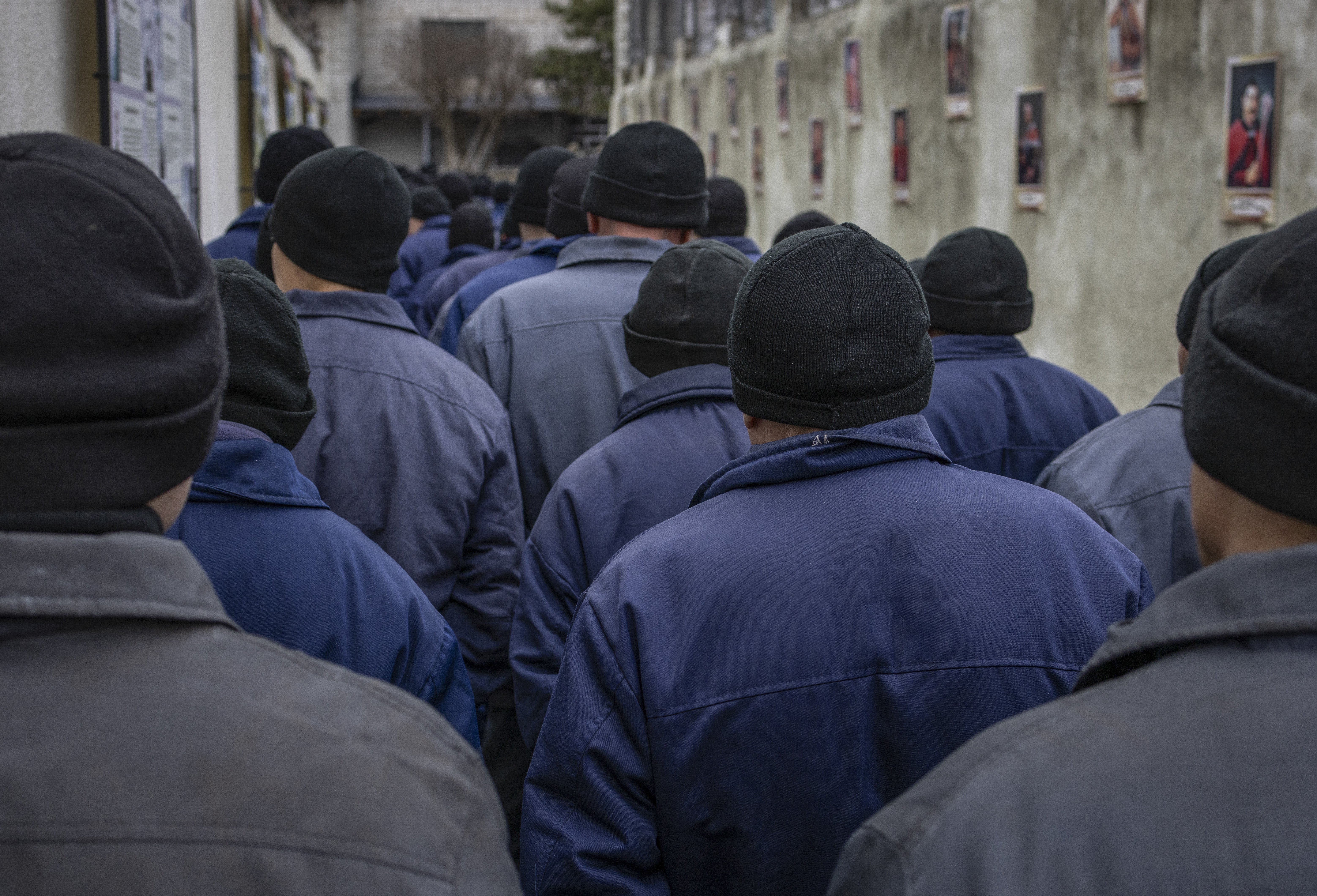
Nearly two-thirds of captured Russian soldiers believe Russia’s war against Ukraine is justified and necessary, while more than 40% say they do not view Ukrainians as fully human, according to a new sociological study, conducted by LingvaLexa, and cited by European Pravda on February 25.
The research was conducted by the civil society organization LingvaLexa and examined attitudes among Russian prisoners of war held by Ukraine.
We bring you stories from the ground. Your support keeps our team in the field.
Researchers reported that the average perceived legitimacy of what Russia officially calls the “special military operation” (SVO) reached 35.81% among respondents—a level described as moderate overall. At the same time, 68.29% of surveyed soldiers said the war was legitimate, necessary, or justified to some degree.
“Sociologists stated: ‘The average level of perceived legitimacy of the ‘SMO’ among respondents was 35.81%, meaning it was moderate overall. In total, 68.29% of soldiers considered the ‘SMO’ legitimate, necessary and justified to some extent.’”
The study found a strong correlation between belief in Kremlin propaganda and support for the war. Among prisoners who said they trusted Russian propaganda narratives, roughly 88% described the invasion as justified to some degree. Even among those skeptical of propaganda, however, 51% still viewed the war as justified.
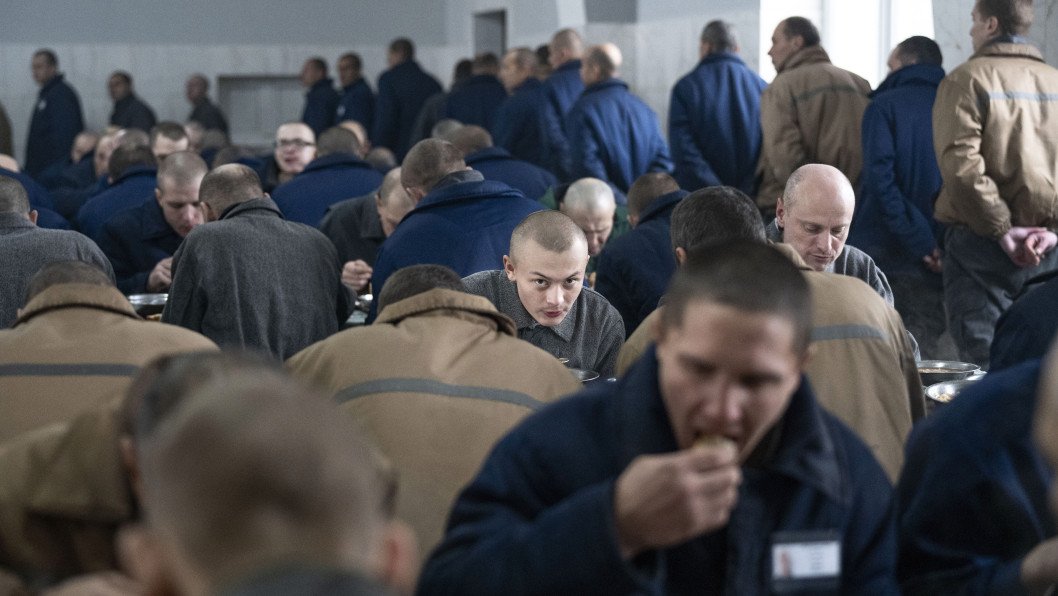
Researchers highlighted what they described as a psychologically significant gap between the two groups.
“It is striking that about 13% of those who believed propaganda stated that the ‘SMO’ was absolutely justified and necessary (giving it the highest possible score), compared with only 2% among skeptics,” sociologists noted, adding that soldiers fully convinced by propaganda were six times more likely to consider the war completely legitimate.
Overall, 47.61% of prisoners said they generally believed Kremlin propaganda, while nearly 77% accepted at least one propaganda narrative, according to the findings.
The survey also revealed deeply concerning attitudes toward Ukrainians. Approximately 42.94% of Russian prisoners of war said an average Ukrainian is not a full human, while respondents on average rated Ukrainians as being only 88% as developed as other people.
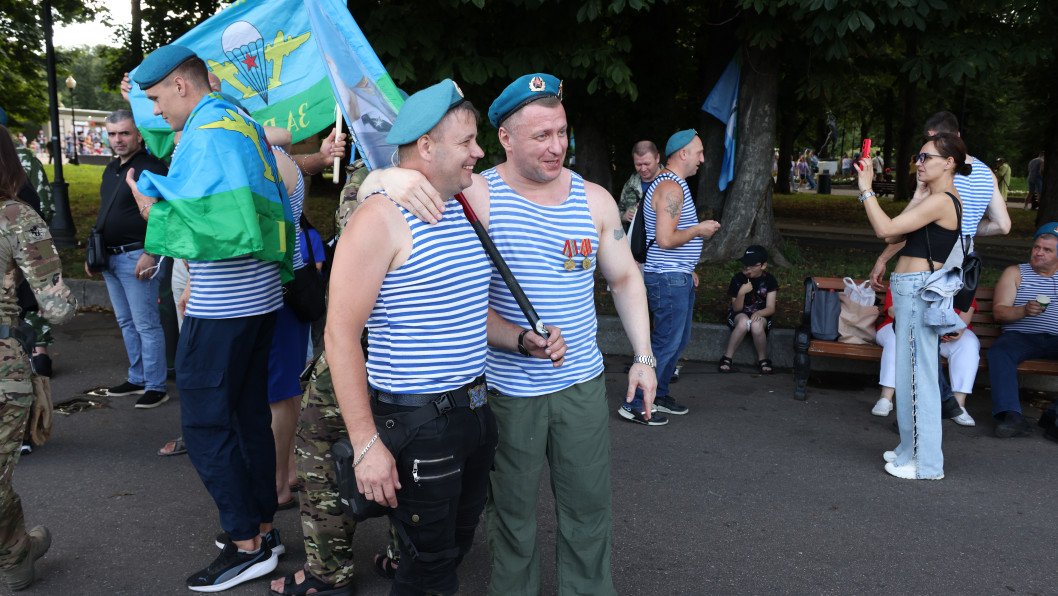
Researchers emphasized that a stronger belief in propaganda was directly linked to a higher likelihood of denying Ukrainians full human qualities.
The ideological impact also appeared to influence future behavior. According to the study, 32.71% of respondents expressed a desire to rejoin the Russian armed forces after release, while 28.92% said they would consider returning to the war in non-combat roles, and 22.29% indicated some level of willingness to fight again.
Among prisoners who strongly believed propaganda, the willingness to return to combat was roughly twice as high, 33% compared with 17% among those who showed weaker belief.
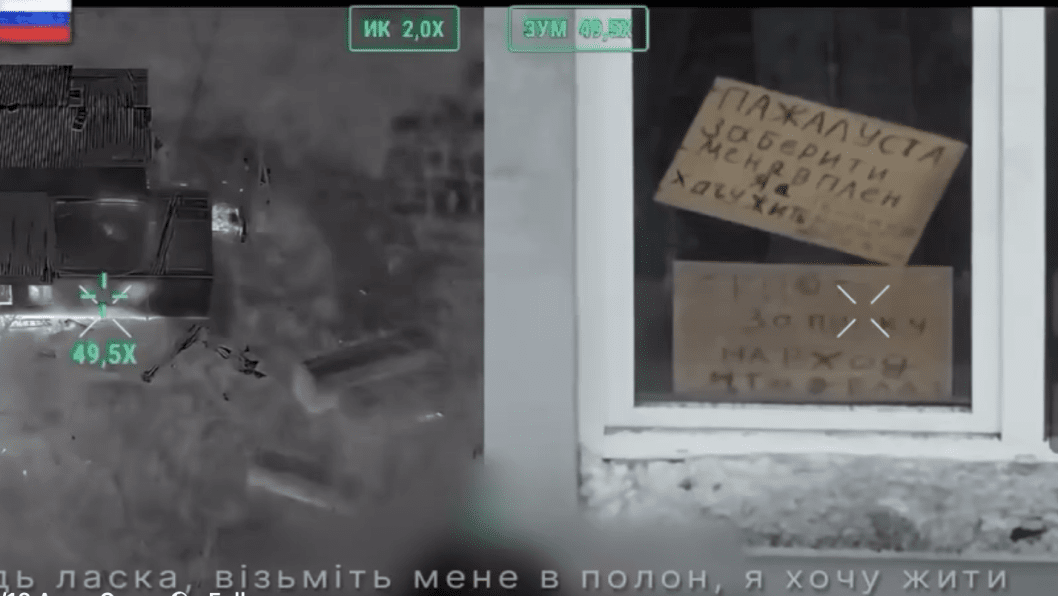
A similar pattern emerged regarding voluntary surrender. Soldiers strongly influenced by propaganda were almost half as likely to surrender voluntarily, with a rate of about 9%, compared with 15% among those who did not believe propaganda narratives.
The study was conducted with support from Ukraine’s Office of the Prosecutor General and in partnership with the European Association of Military Social Psychology, the Kyiv School of Economics, and the Mitrax law association.
Researchers surveyed 1,060 Russian prisoners of war using standardized printed questionnaires. The average age of respondents was 39.
Earlier, a Russian army colonel accused of war crimes during the occupation of the Ukrainian city of Irpin has been appointed deputy mayor of the Russian city of Samara.
Discuss this article: