- Category
- Latest news
10,000 and Counting: Russia’s Soldiers Are Surrendering in Record Numbers
 Prefer U24 Media on Google
- Authors


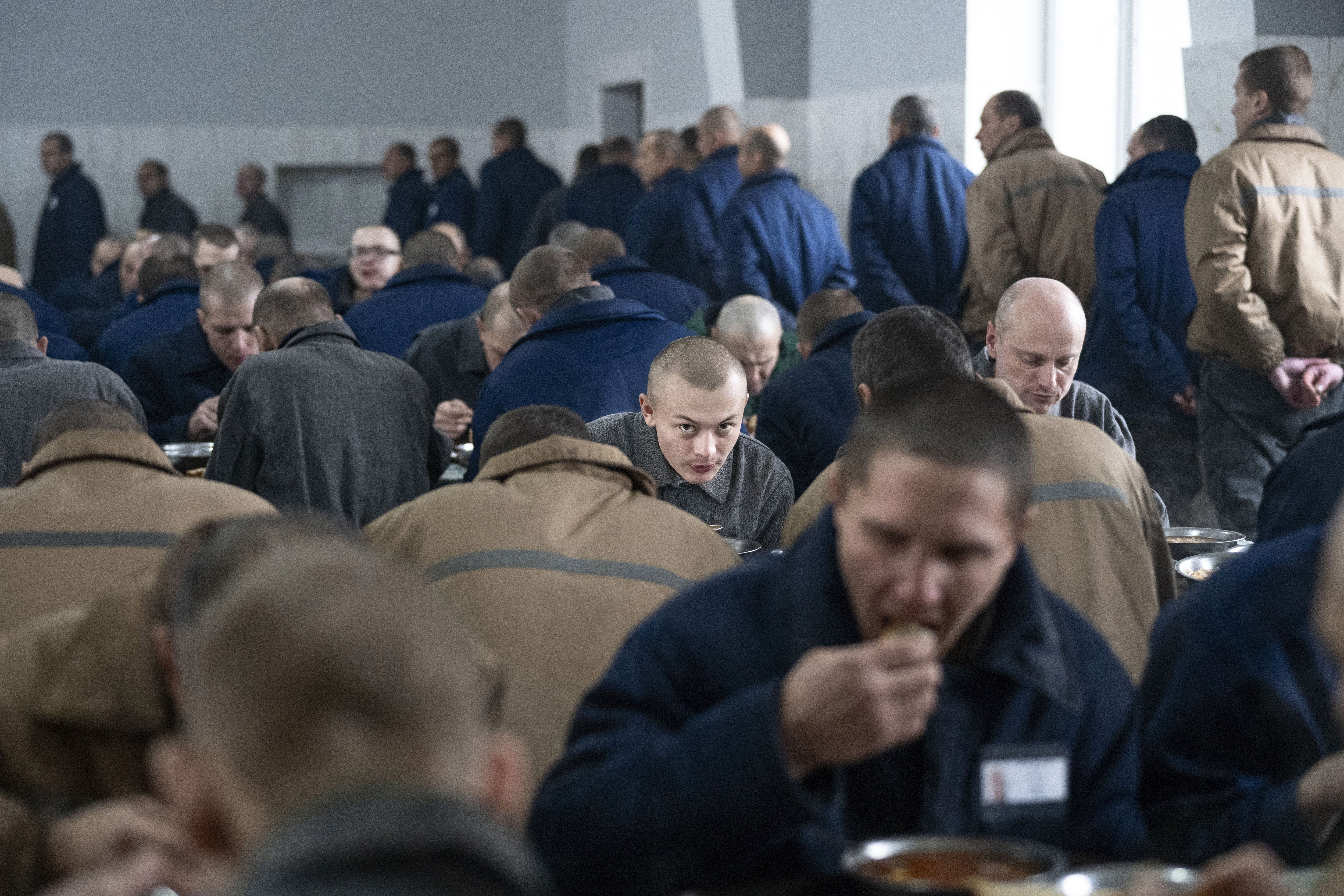
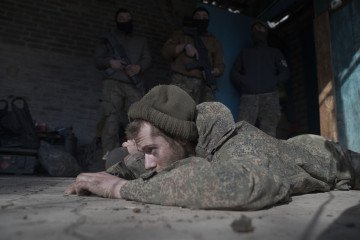
More than 10,000 Russian soldiers have been taken prisoner by Ukrainian forces since the start of Russia’s full-scale invasion in February 2022.
According to data published on December 31 by Ukraine’s Coordination Headquarters for the Treatment of Prisoners of War, the number of captured Russian personnel continues to rise annually, with 2025 showing the highest figures to date.
The statistics were released through the “I Want to Live” project, a Ukrainian government initiative that tracks Russian military surrenders and provides channels for defection. The data marks the first comprehensive public accounting of Russian prisoners of war (POWs) since the war began.
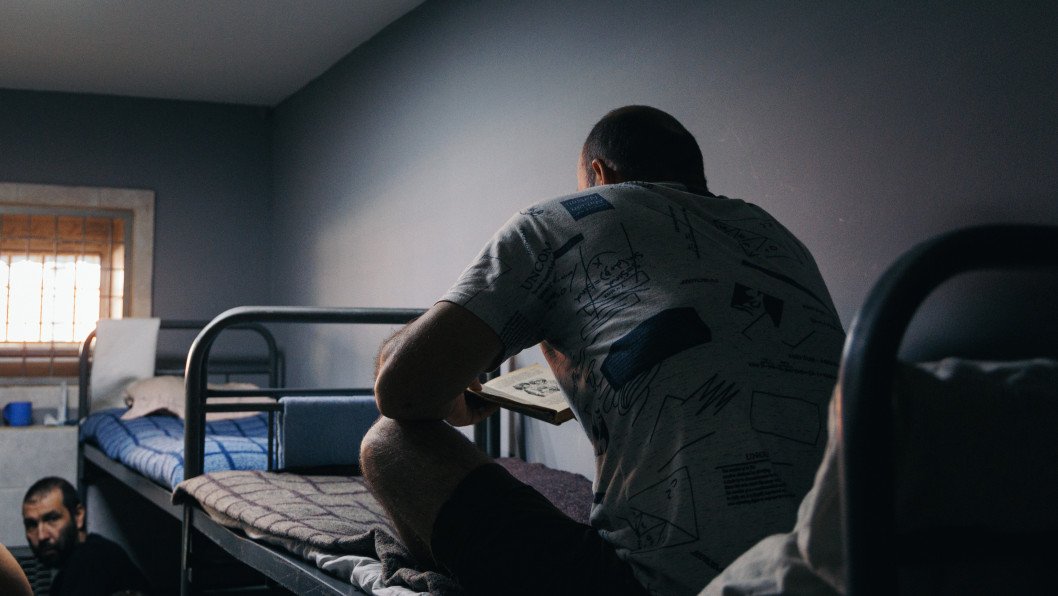
According to the project’s data, an average of 60 to 90 Russian troops surrender each week. In August 2024 alone, the number peaked at 350 in a single week. Since June 2023, Russian forces have been captured more frequently than Ukrainian troops, reversing earlier trends.
The majority of POWs were taken in the Donetsk region—particularly the Pokrovsk and Bakhmut districts—as well as in the Zaporizhzhia region and Russia’s Kursk region. In 2025, Ukrainian authorities recorded a sharp increase in the number of foreign nationals among Russian forces.
Approximately 7% of all captured soldiers were identified as mercenaries from 40 different countries, with 2–3 new foreign fighters discovered weekly.
The “I Want to Live” project also published demographic data on captured personnel:
83% were rank-and-file soldiers,
13% were non-commissioned officers,
3% were officers,
Most were between 18 and 65 years old.
The majority—76%—were contract soldiers, including many recruited from Russian prisons and private military companies. Mobilized individuals accounted for 19%, while conscripts made up nearly 5%.
-e0d2fbd2e85029e4ee202bd757979320.jpg)
Roughly 24% of POWs reported being coerced or misled into military service. 40% have prior criminal records, most commonly for theft, drug offenses, assault, or homicide. Only 7% held higher education degrees, and 30% had not completed high school. Before the war, 38% were unemployed, and almost half have children—8% of them with three or more.
Ukrainian officials say hundreds of those captured also suffer from chronic health conditions, including HIV/AIDS, tuberculosis, diabetes, and mental illnesses.
According to the Coordination Headquarters, over 6,000 Russian POWs have been repatriated to Russia as part of prisoner exchanges. More than half of these exchanges occurred in 2025. However, not all returned soldiers survive long after release.
Ukrainian officials say at least 237 former POWs were either killed or went missing after being sent back to the front lines. At least four Russian soldiers have been captured a second time.
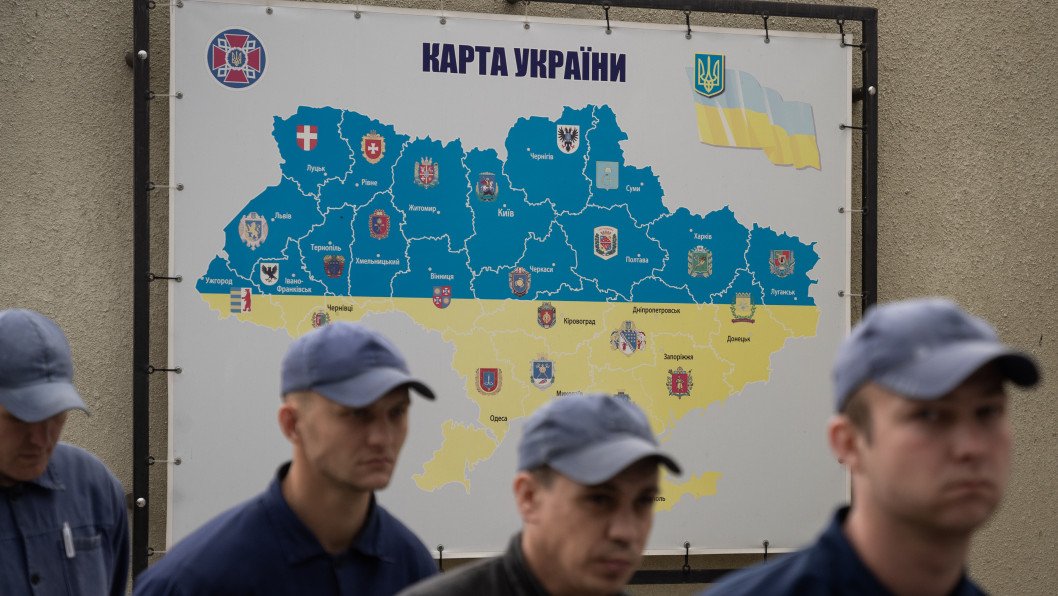
The data also suggests that Russia prioritizes the return of ethnic Russians with short captivity periods and no serious injuries. In contrast, foreign fighters have not been requested for exchange.
The Ukrainian side emphasizes that thousands of Russian POWs—especially wounded, ill, or conscripted soldiers—remain in captivity. According to Ukrainian authorities, Russia has consistently refused to participate in an “all-for-all” exchange format for the fourth consecutive year.
Discuss this article: