- Category
- Latest news
Inside Venezuela’s Arsenal: What US Could Learn From Captured Russian Missiles and Jets
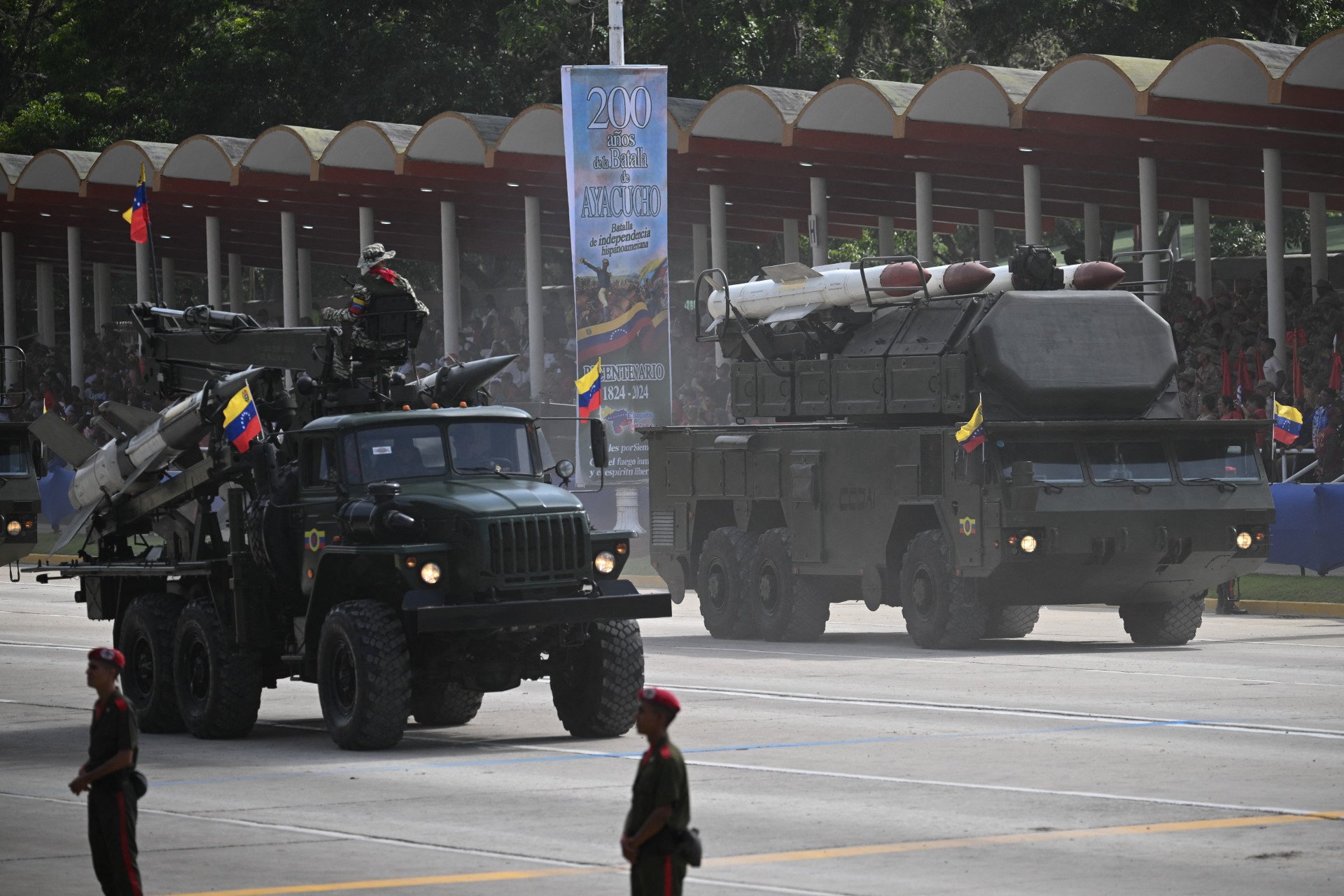
Following the fall of Nicolás Maduro’s regime, the United States is expected to gain access to a range of Russian and Iranian-made weapons systems previously supplied to Venezuela.
 Prefer U24 Media on Google
- Authors


After US forces reportedly captured Maduro in Caracas during a military operation on January 3, Washington announced plans to oversee the transition of power and restore control over the country’s oil sector.
According to Defense Express on January 4, this also implies that US military specialists may soon begin evaluating various advanced weapon systems within the Venezuelan armed forces.
🚨JUST IN:
— Frost (@FrostArxtic) January 3, 2026
Venezuela’s state TV shows heavy damage at La Carlota Air Base in Caracas, with BUK air defense systems reportedly destroyed after the strikes. pic.twitter.com/MYbVw2D7n3
Venezuela has maintained one of the most heavily armed militaries in South America, largely due to long-standing defense cooperation with Russia.
Among the assets of interest are air defense systems, fighter aircraft, and artillery platforms that could provide the Pentagon with deeper insights into Russia’s export-grade technologies.
Russian systems of strategic interest
The most valuable systems from a technical assessment standpoint include two battalions of the S-300VM (Antey-2500) surface-to-air missile system delivered by Russia in 2013.
The report notes that additional short-range Pantsir-S1 and Buk-M2 air defense systems were flown into Venezuela by Il-76TD transport aircraft in late 2025.
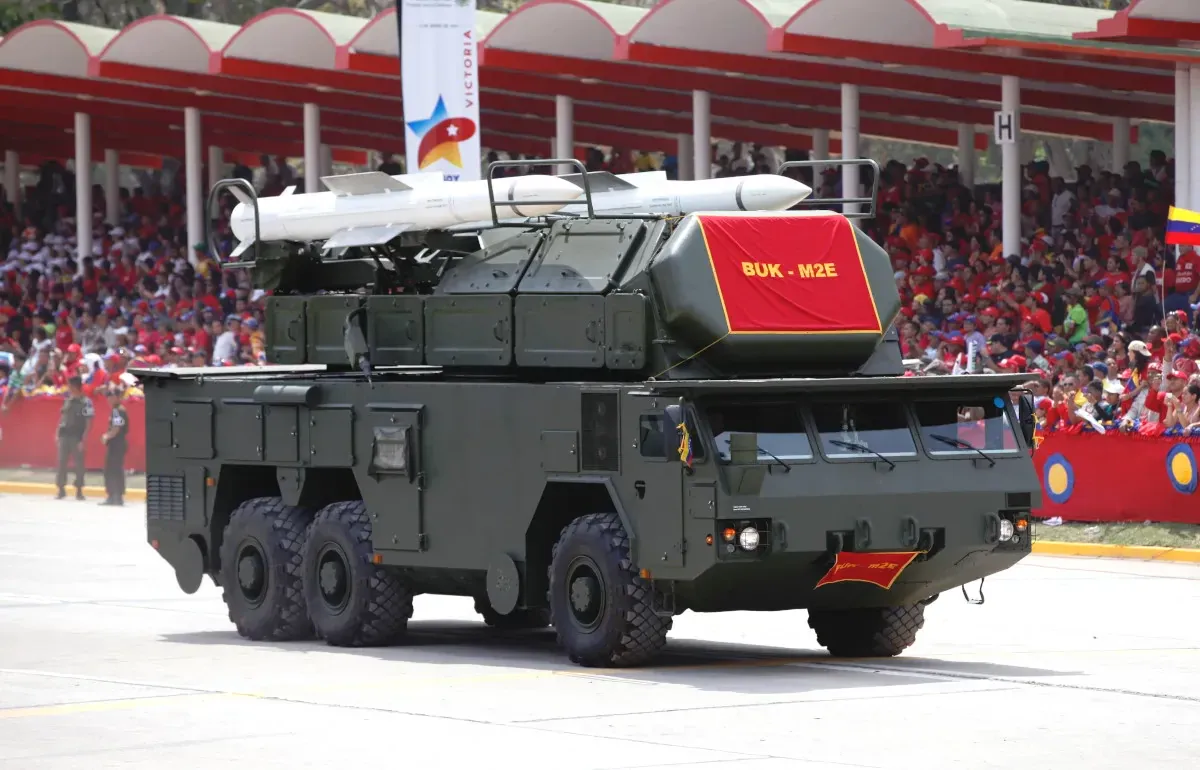
Many of these systems may have been destroyed during the US air campaign around Caracas, as satellite imagery and video footage have confirmed the neutralization of at least one Buk-M2 launcher.
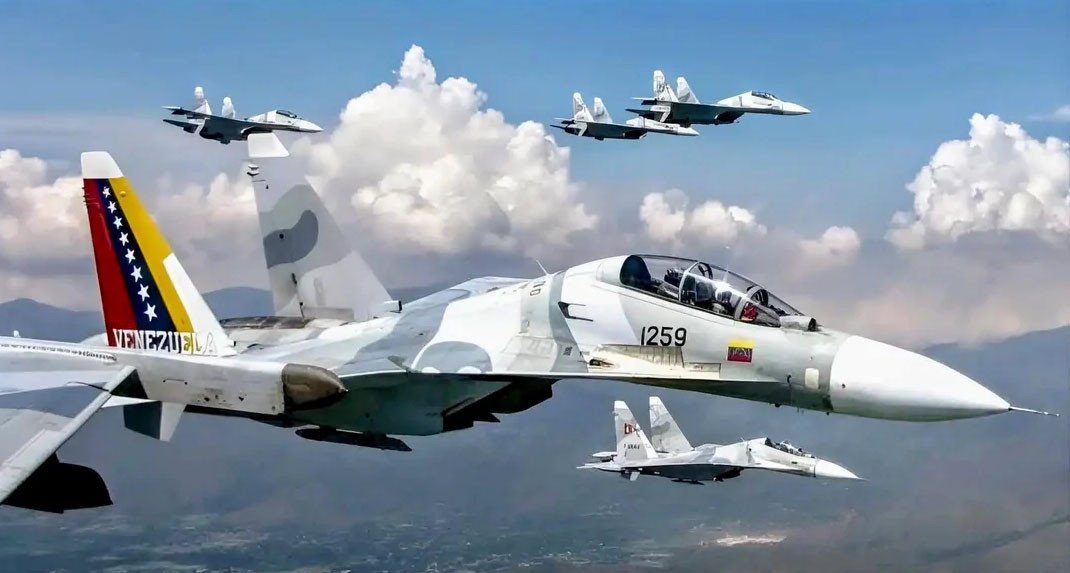
Venezuela has also operated 21 Su-30MKV multirole fighter jets since 2006. These aircraft are equipped with R-77 air-to-air missiles, which are among Russia’s most modern aerial munitions and could be of analytical value to US defense agencies. The report notes that Venezuela has lost three Su-30s over the past two decades.
Additional equipment and possible transfers
The US may also inspect Venezuela’s 300mm BM-30 Smerch multiple launch rocket systems—12 of which were delivered by Russia in 2009—and explore the operational performance of the Iranian Mohajer-6 reconnaissance and attack drones, which Venezuela began using by 2020.
Beyond Russian and Iranian assets, the Venezuelan military also operates Chinese VN-16 (Type 05) amphibious armored vehicles.
Defense Express emphasizes that even if many of these systems are not integrated into US forces, the opportunity to study them—especially in combat-worn condition—could provide intelligence advantages in other theaters, particularly where similar systems are deployed by Russian allies.
Shift toward US-standard equipment
According to the report, a long-term strategic priority for Washington will likely include transitioning Venezuela’s armed forces away from Russian systems toward NATO-standard equipment. This shift could lead to the gradual disposal, resale, or abandonment of existing Russian hardware.
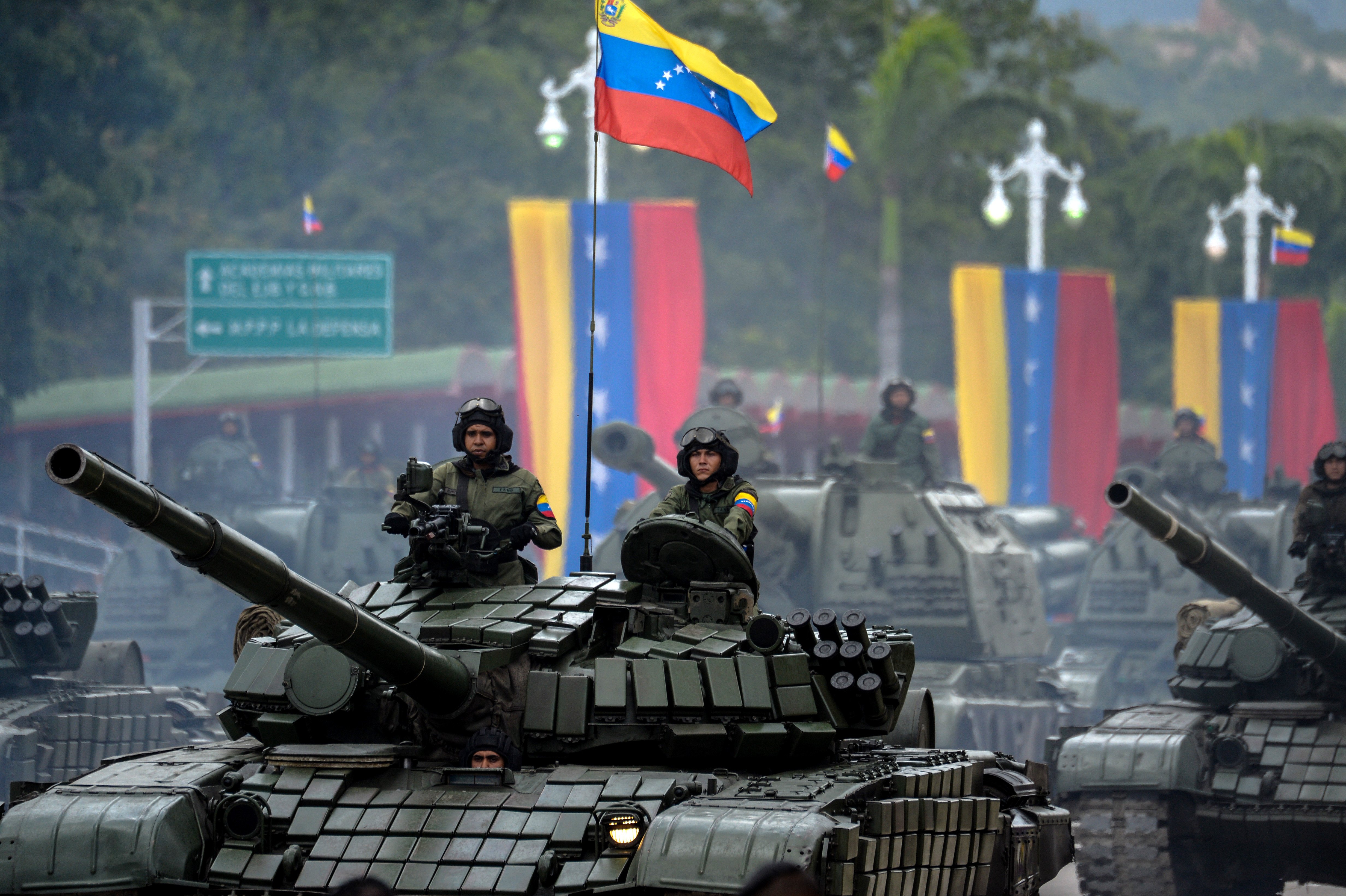
Venezuela’s current inventory also includes 92 T-72B tanks, 123 BMP-3 infantry fighting vehicles, 114 BTR-80A armored personnel carriers, 48 2S19 Msta-S and 13 2S23 Nona-SVK self-propelled howitzers, 24 Grad MLRS, and over a dozen Mi-17, Ka-29, and Ka-31 helicopters.
Without continued Russian logistical support, many of these platforms are expected to become inoperable over time.
Earlier, on January 3, 2026, US forces launched a major military operation against Venezuela, targeting Caracas and reportedly neutralizing Russian-supplied air defense systems including S-300VM, Buk-M2, and Pechora-2M units.
Discuss this article:



-c439b7bd9030ecf9d5a4287dc361ba31.jpg "Photo of Katherina Popilnichenko")