- Category
- Latest news
International Olympic Committee Signals Softening on Russia Ban—But Doping Scandal Still Looms
 Prefer U24 Media on Google
- Authors


Russia may be edging closer to a broader return to international sport, but unresolved questions over state-sponsored doping continue to shadow that prospect, even as some global sports bodies signal a willingness to ease restrictions.
After nearly a decade of sanctions linked first to systemic doping violations and later to Russia’s full-scale invasion of Ukraine, discussions at a recent two-day meeting of the International Olympic Committee in Milan suggested growing openness among some officials to reintegrating Russian athletes into mainstream competition, according to The New York Times on February 7.
We bring you stories from the ground. Your support keeps our team in the field.
In her address to IOC delegates, IOC President Kirsty Coventry did not mention Russia directly but stressed the organization’s commitment to political neutrality.
“We are a sports organization,” Coventry said. “That means keeping sport a neutral ground.”
Russia’s isolation from global sport began long before the war in Ukraine. In 2016, a report commissioned by the World Anti-Doping Agency concluded that Russia had operated a “state-dictated” doping system between 2011 and 2015, enabling more than 1,000 athletes to use performance-enhancing drugs, according to The News York Times. The revelations followed investigations by international media and whistleblowers that exposed systematic sample tampering during the 2014 Winter Olympics in Sochi.
The fallout was unprecedented. Russian track and field athletes were barred from the 2016 Summer Olympics, and in 2017 the IOC suspended the Russian Olympic Committee ahead of the 2018 Winter Games in Pyeongchang. While some sanctions were later eased, Russian athletes continued to compete under neutral status, without their flag or anthem.
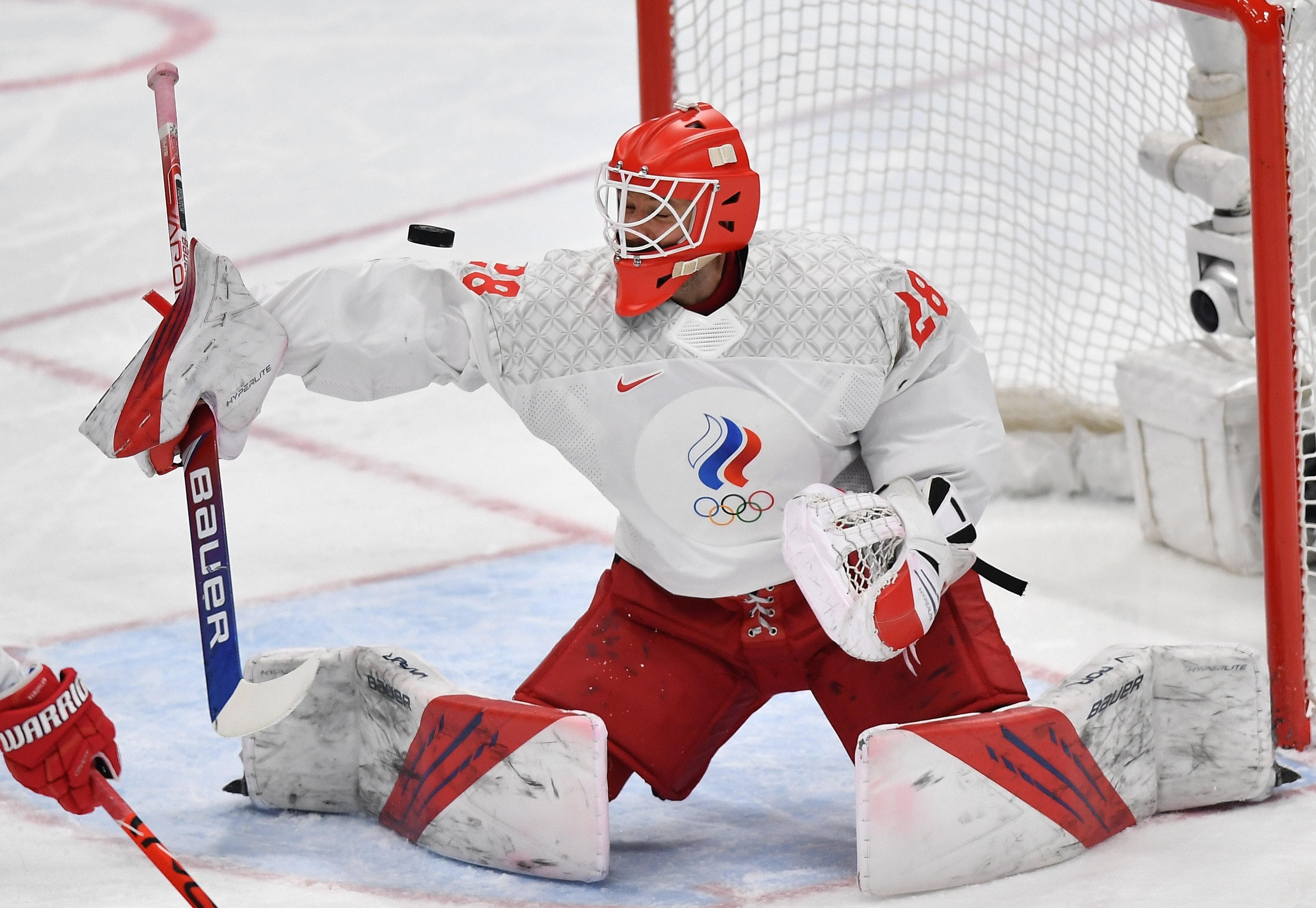
Those restrictions were due to expire after the 2022 Winter Olympics in Beijing, where athletes competed under the banner of the Russian Olympic Committee. But Russia’s invasion of Ukraine days after the Games prompted the IOC to recommend new bans on athletes from Russia and Belarus, extending Moscow’s sporting isolation.
Now, however, signs of gradual reintegration are emerging. International federations governing judo and taekwondo have lifted bans on Russian athletes, allowing them to compete under the Russian flag again. In December, the IOC also recommended that Russian and Belarusian youth athletes be readmitted to international competitions, opening the door to participation in the Youth Olympic Games.
For now, Russian athletes at the 2026 Winter Olympics in Italy are competing only as “individual neutral athletes,” following vetting to confirm they have no military ties, have not publicly supported the war against Ukraine, and comply with anti-doping rules. Only 13 Russian athletes qualified for the Games, the country’s smallest delegation since 1908, according to The New York Times.
Any broader return would require the IOC to lift its suspension of Russia’s national Olympic committee, imposed in 2023 over Moscow’s absorption of sports organizations in occupied Ukrainian territories, and would also depend on votes by individual sports federations. Even then, some federations may opt to keep their own bans in place, citing integrity and anti-doping concerns.
Earlier, the International Olympic Committee prohibited Ukrainian skeleton racer Vladyslav Heraskevych from using a helmet honoring Ukrainian athletes killed during Russia’s invasion at official training sessions and competitions ahead of the Winter Olympics in Italy.
Discuss this article:




-c439b7bd9030ecf9d5a4287dc361ba31.jpg "Photo of Katherina Popilnichenko")