- Category
- Latest news
Iranian Hackers Breach Personal Email of FBI Director Kash Patel
 Prefer U24 Media on Google
- Authors

-c439b7bd9030ecf9d5a4287dc361ba31.jpg "Photo of Katherina Popilnichenko")
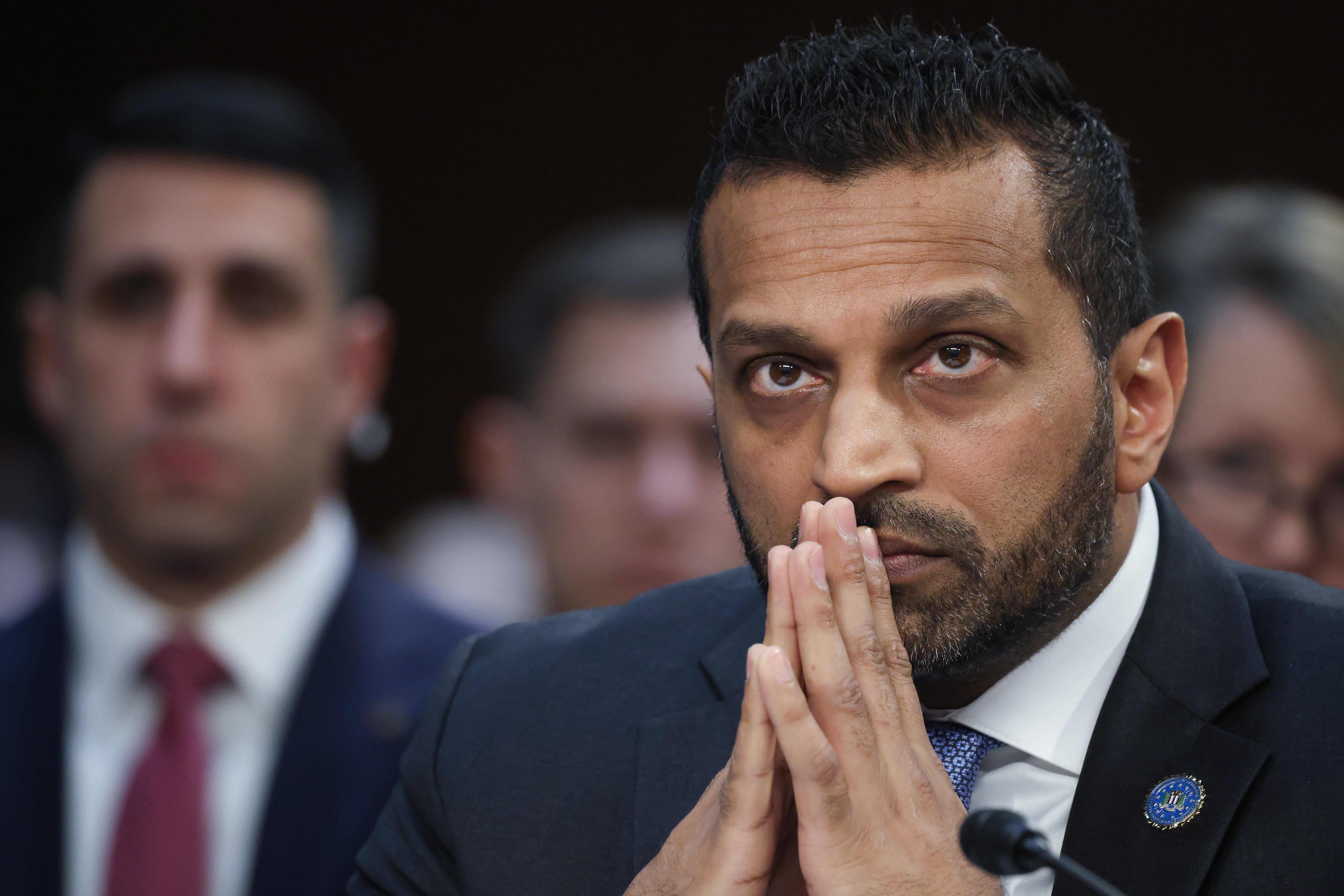
Iranian-linked hackers from the Handala Hack Team have breached the personal email account of FBI Director Kash Patel and published a portion of the data online, according to Reuters on March 27.
We bring you stories from the ground. Your support keeps our team in the field.
A spokesperson for the US Department of Justice confirmed to the publication that Patel's email was hacked and noted that the published materials appear authentic.
Handala, which positions itself as a group of pro-Palestinian "justice enforcers," is considered by Western researchers to be one of several covers used by Iranian government cyber intelligence units.
Along with photos of Patel, the hackers published a selection of more than 300 emails, which likely contain both personal and official correspondence from 2010 to 2019.
Gil Messing, chief of staff at the Israeli cybersecurity company Check Point, stated that the operation to hack and publish Patel's data is part of an Iranian strategy aimed at damaging the reputation of American officials and "making them feel vulnerable."

On March 19, the US Department of State, as part of the Rewards for Justice program, offered a reward of up to $10 million for information about the Handala Hack Team hackers.
Previously, it was reported that the cyberattack on Azerbaijani media resources, which took place on February 20, was carried out by the Russian hacker group APT29, also known as Cozy Bear.
Cybersecurity specialists who investigated the incident reported that the attackers had maintained access to the affected systems for two to three years, indicating a high level of planning and coordination.
According to the investigators, the attack was politically motivated, aligning with the known tactics of APT29. Azerbaijani expert Ramid Namazov suggested that the operation may have been a response to political decisions, such as the closure of a Russian cultural center earlier that month.
Discuss this article: