- Category
- Latest news
Kim’s Core Strategy? North Korean Apples Now on Sale in Russia
 Prefer U24 Media on Google
- Authors


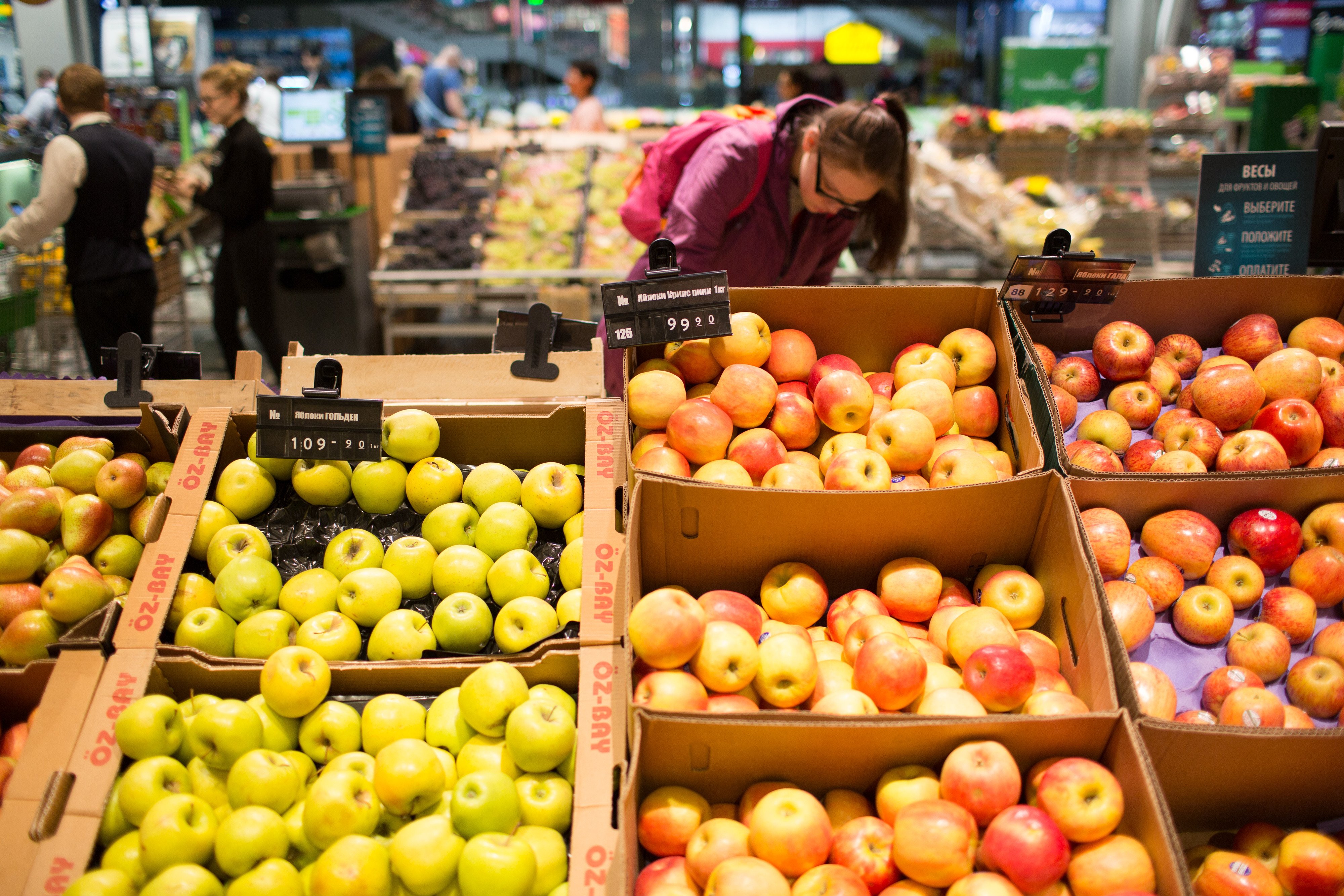
North Korean apples have begun to appear on the shelves of Russian supermarkets, marking a visible shift in the expanding economic relationship between Moscow and Pyongyang, according to Financial Times on July 20.
The move comes a year after Russian leader Vladimir Putin and North Korean leader Kim Jong Un signed a strategic partnership agreement. The partnership, which initially focused on military cooperation, now includes a broad range of commercial and cultural exchanges.
According to Financial Times, North Korean fishing boats have entered waters near Russia’s Far East coast in recent months. In addition, North Korean producers of goods ranging from jam and sausages to beer and accordions have registered trademarks with Russia’s Federal Service for Intellectual Property.
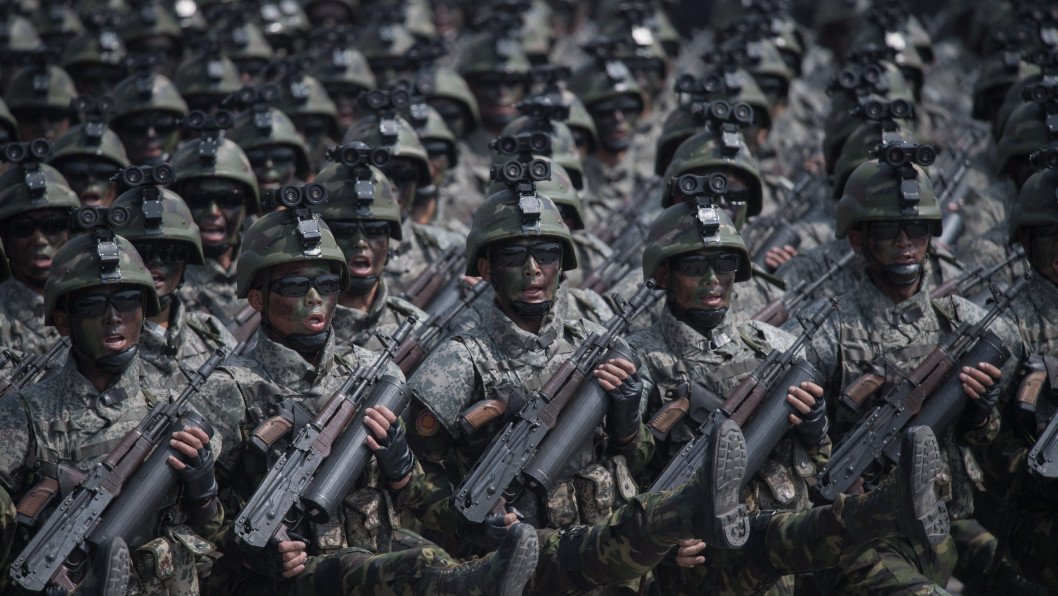
Russia is also constructing a $100 million road bridge across the Tumen River, which forms part of the land border with North Korea. There are also plans to restore a 10,000-kilometer rail link between Moscow and Pyongyang.
Peter Ward, a research fellow at the Sejong Institute in South Korea, told FT that Moscow’s support could have “transformational” effects on the North Korean economy, particularly by revitalizing its mining and agricultural sectors. Even limited investment in rural infrastructure could bring tangible benefits to a large segment of the population, he said.
North Korea’s economy is heavily reliant on coal, concrete, and industrial plastic production, and it sustains itself with imports of food, fuel, and fertilizer from neighboring China—its largest trading partner. The regime has also reportedly obtained hundreds of millions of dollars in recent years through cyberattacks targeting cryptocurrency wallets.
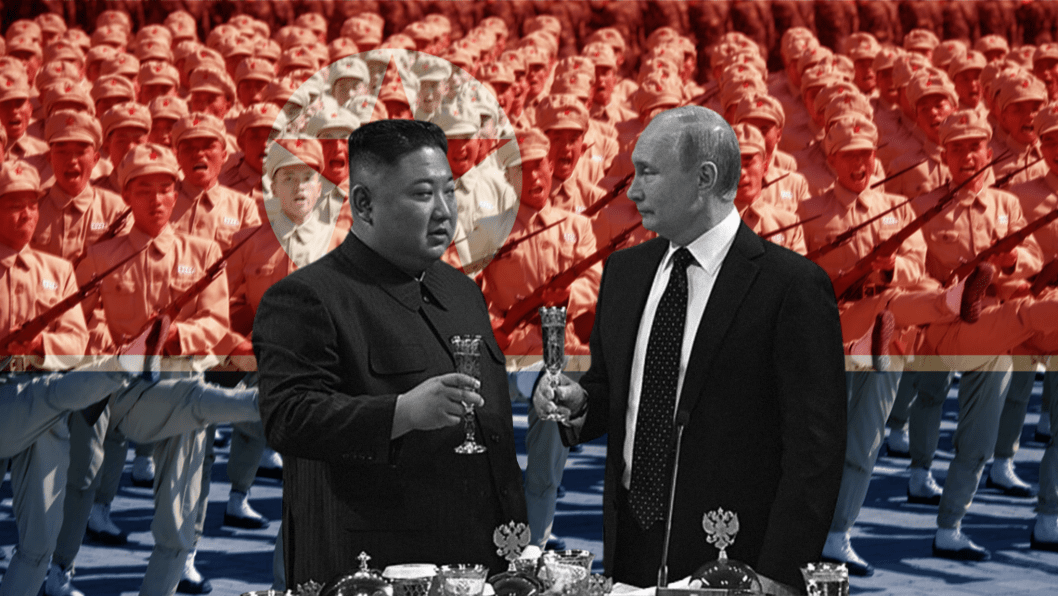
Andrei Lankov, a North Korea expert at Kookmin University in Seoul, noted that both countries had previously kept their military cooperation discreet. “Now they want the world to know that their relationship is designed for the long term,” he said.
Beyond trade in consumer goods, the growing ties between Russia and North Korea include cultural and academic exchanges. Over the past year, North Korean university leaders have met with Russian counterparts in Vladivostok, North Korean athletes have competed in events in Russia, and Russian theater companies have performed in Pyongyang.
Earlier, North Korea unveiled the Wonsan-Kalma luxury beach resort on its east coast, aiming to attract Russian tourists amid deepening ties with Moscow. The resort, located near a missile test site, was opened by Kim Jong-Un on June 24 alongside his wife and daughter, with Russia’s ambassador attending as guest of honor.
Though initially limited to domestic visitors, South Korean officials say the project is likely targeting Russian travelers, with tourism serving as a sanctioned means of earning foreign currency.
Discuss this article: