- Category
- Latest news
Legendary Commander of Minesweeper “Henichesk” Returns From Russian Captivity—Full Story of His Defiance
 Prefer U24 Media on Google
- Authors


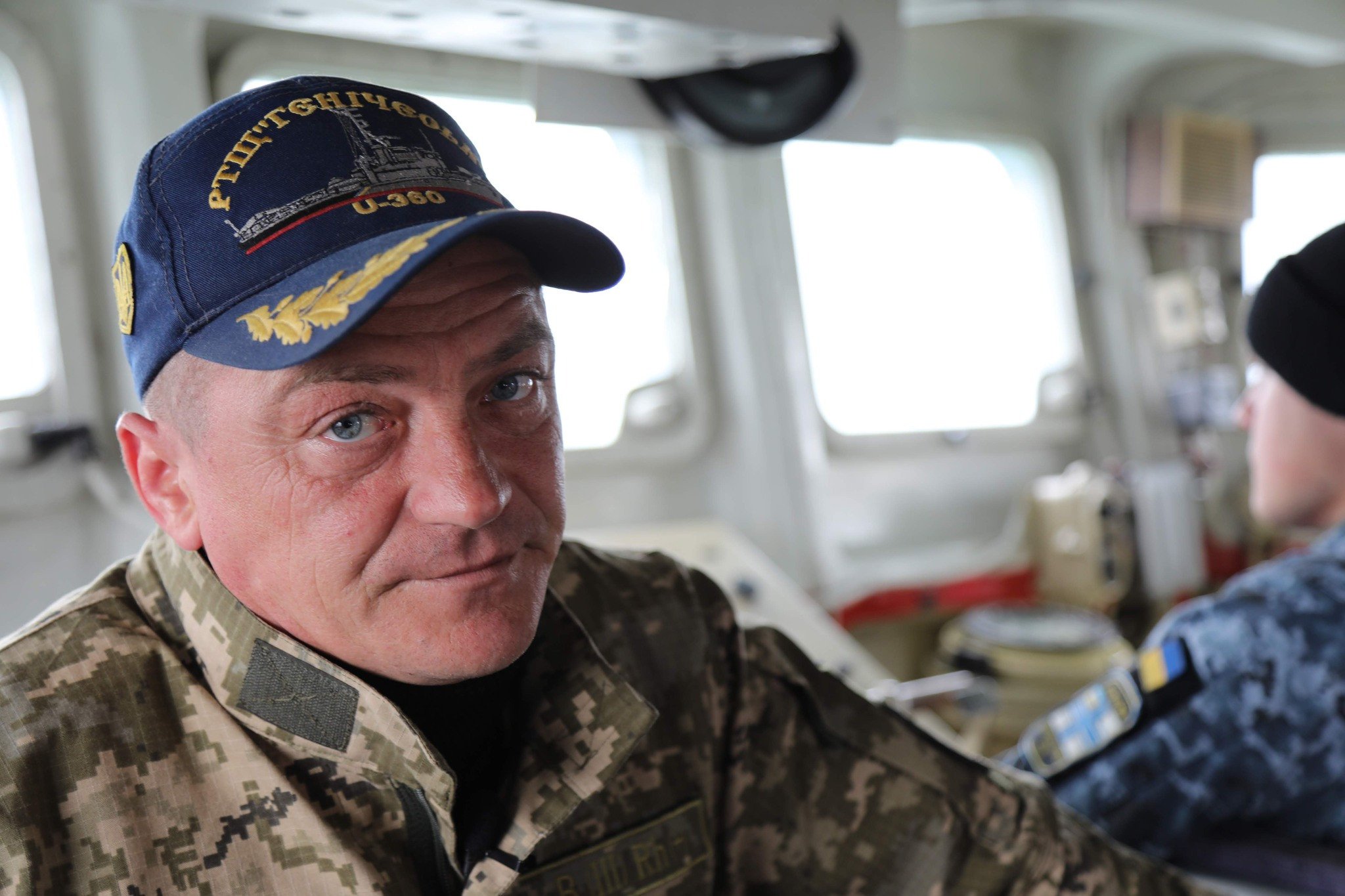
What makes Oleksandr Boichuk’s story stand out among Ukraine’s defenders? From defying Russian forces to save his ship during the annexation of Crimea in 2014 to enduring more than two years in captivity after the defense of Mariupol, the former commander of the minesweeper Henichesk has now returned home.
Oleksandr Viacheslavovych Boichuk, Senior Warrant Officer and former commander of the Ukrainian Navy’s raid minesweeper Henichesk, has returned from Russian captivity following a prisoner exchange on August 14.
Journalist Bohdan Kutiepov, who has followed Boichuk’s story for years, called him “a defender of Mariupol” who disappeared in the early months of the full-scale invasion and whose name was missing from prisoner lists for more than a year.
“His wife believed and waited,” Kutiepov wrote, noting that both she and the couple’s sons also serve in the military.
2014: Refusal to Surrender in Crimea
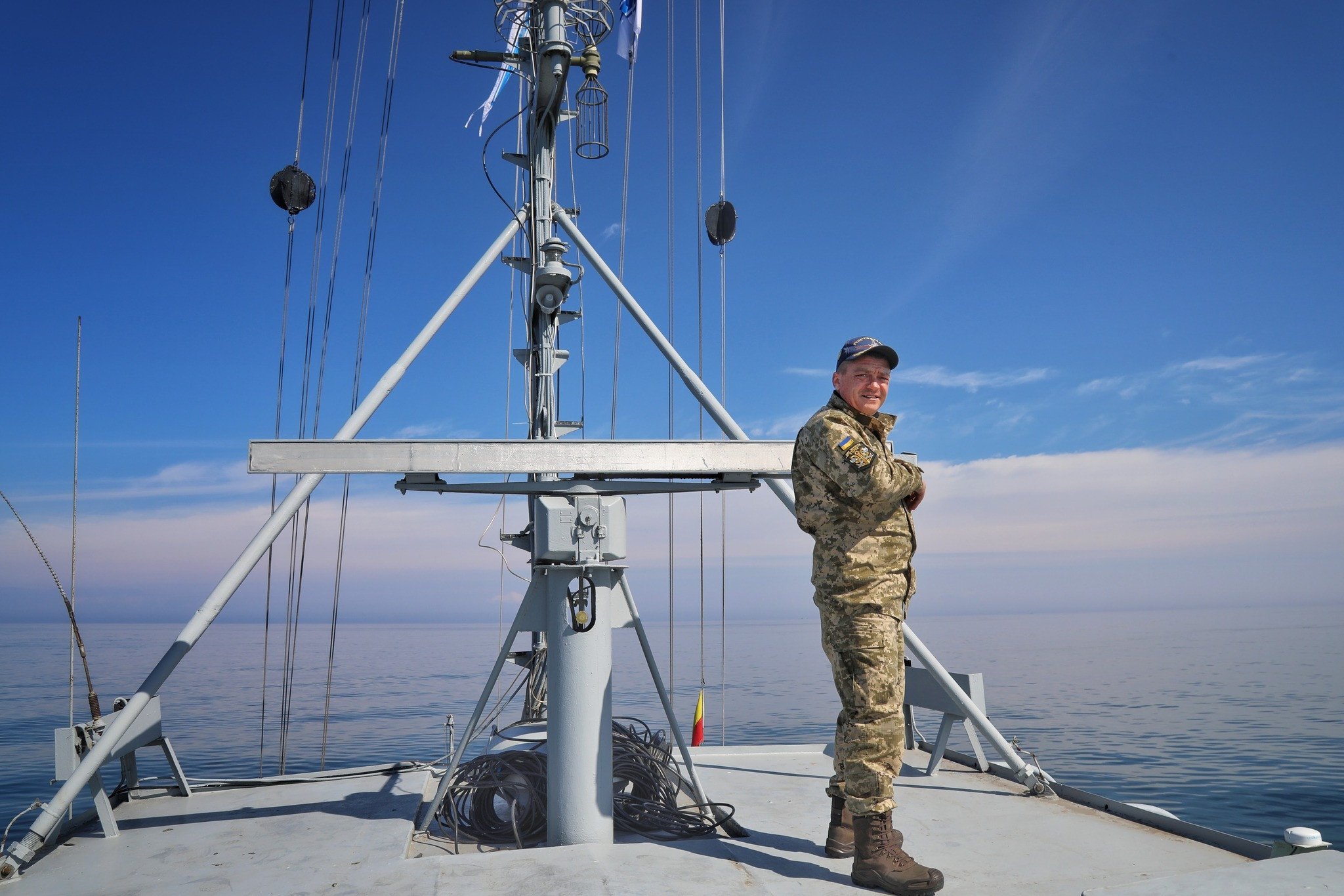
A native of Volodymyr, Volyn region, Boichuk joined the Ukrainian Navy in 2009 after serving eight months on a peacekeeping mission in Iraq. By 2014, he was commander of Henichesk—Ukraine’s only raid-class minesweeper, tasked with patrolling and securing coastal waters.
In March 2014, as Russian forces moved to seize Ukrainian naval assets during the annexation of Crimea, he received an ultimatum to hand over the vessel. He refused.
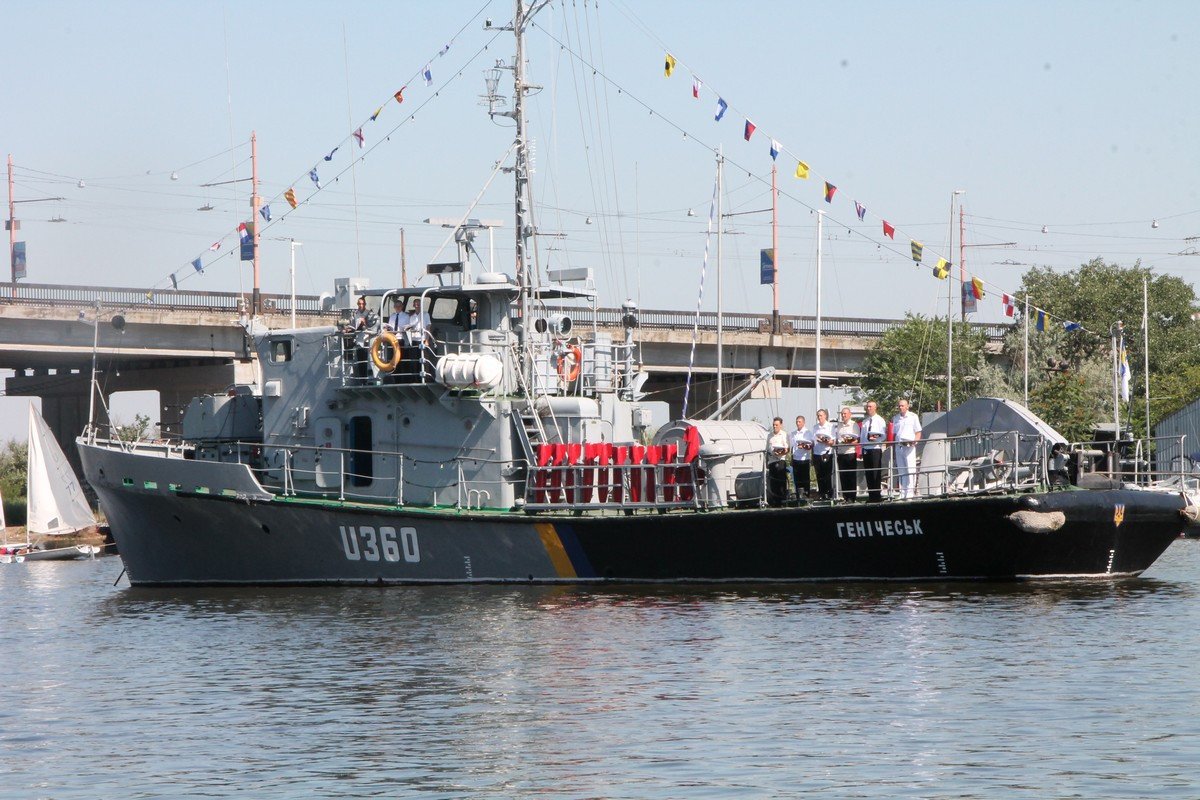
Instead, he ordered the crew to full combat readiness—issuing ammunition, arming systems, and preparing defensive positions. Avoiding ports where Russian troops could board, he kept Henichesk in open waters under its own watch, the Ukrainian flag flying at the mast.
On March 18, Ukrainian ships at Lake Donuzlav attempted to break out, but the exit was already blocked. Two days later, the commander of Ukraine’s 5th Brigade of Surface Ships, Vitalii Zviahintsev—who had defected to Russia—ordered all ships to dock.
Boichuk disobeyed, even as Russian machine gun nests and automatic grenade launchers targeted his vessel and supplies of food and fuel were running low.
The next morning, Henichesk tried again to escape. A Russian special forces boat intercepted the minesweeper, using stun grenades before boarding.
The crew resisted with fire hoses and anchor chains. Boichuk was struck in the head with a rifle butt, losing consciousness. The ship was forcibly moored and the crew brought ashore.
“We swore an oath to the Ukrainian people, and I was not going to break it,” he later said. Journalist Bohdan Kutiepov, who reported from the scene, described it as “a display of defiance against overwhelming force… He didn’t just refuse to surrender—he made it impossible for the Russians to take the ship without a fight.”
Within two days, Boichuk evacuated with his family to Ukrainian-controlled territory. Soon after, Russian tugs removed Henichesk from Donuzlav and returned it to Ukraine, where Boichuk resumed command.
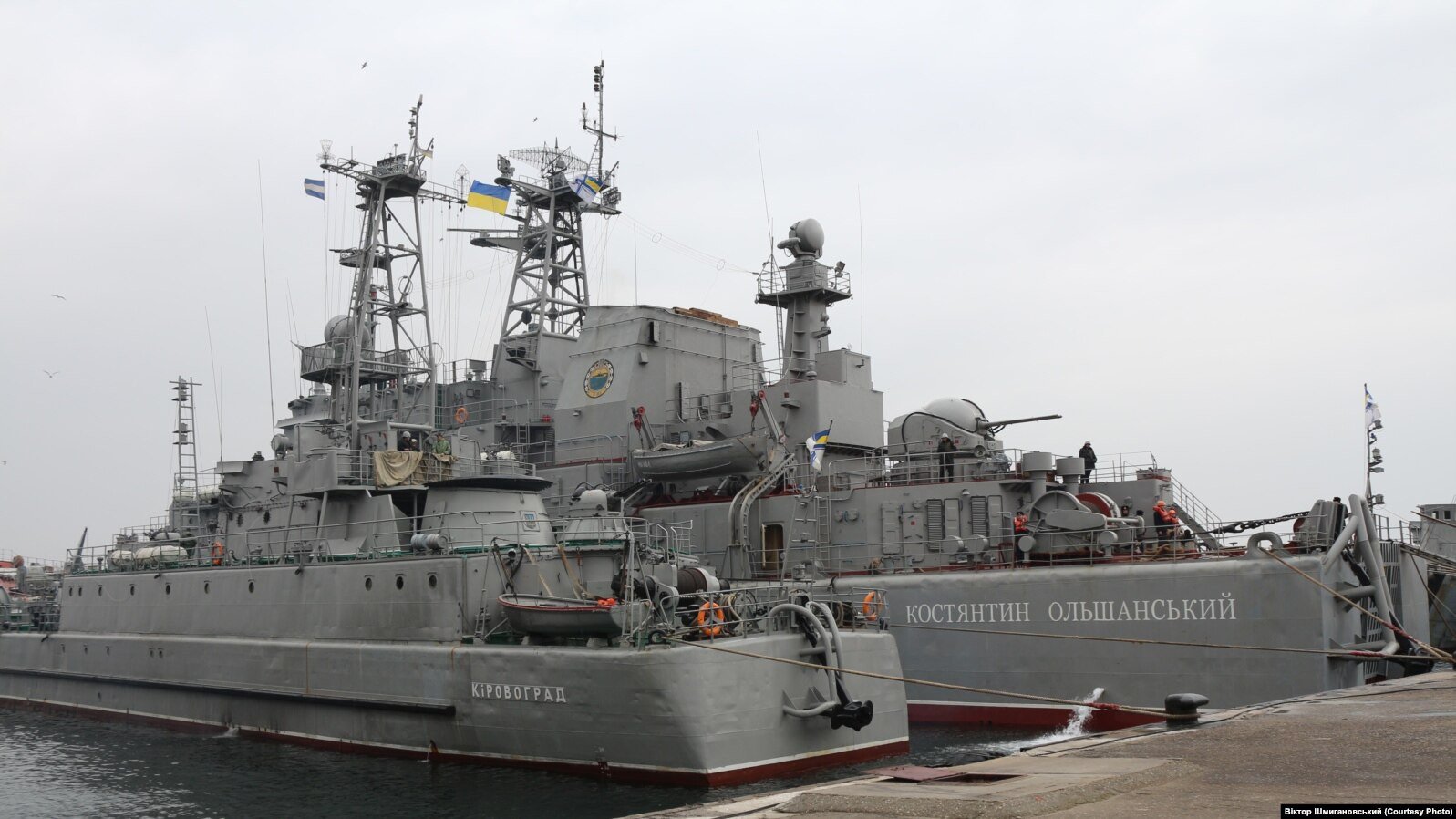
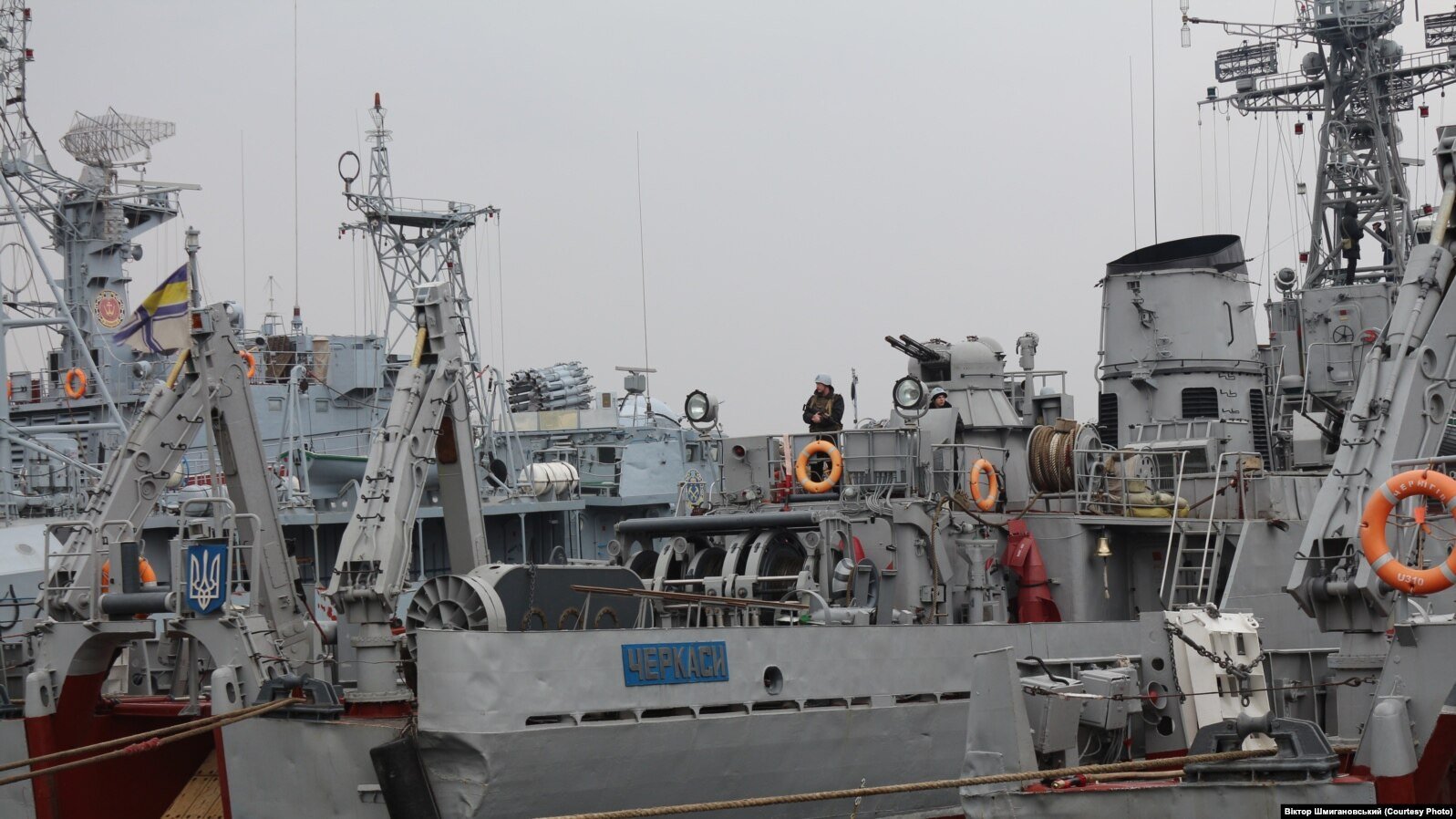
In those same days, similar resistance was shown by the crew of the large landing ship “Konstantyn Olshansky” and the minesweeper “Cherkasy,” which also refused Russian demands to surrender during the blockade at Donuzlav.
Defense of Mariupol and Captivity
In 2022, during Russia’s full-scale invasion, Boichuk served in the south and joined the defense of Mariupol—a key strategic target on the Azov Sea.
At the outset of the invasion, he was aboard the command ship Donbas, and together with other sailors defended the ships, the port, and the city itself.
The city endured constant bombardment from artillery, aircraft, and naval guns. Amid severe shortages of ammunition, food, and medical supplies, Ukrainian defenders fought street by street.
Eventually, Boichuk and his comrades found themselves encircled, and he was captured by Russian forces.
For months, his whereabouts were unknown. No official confirmation came from Russian authorities, and information reached his family only through rare accounts from released prisoners who had seen or heard of him in captivity.
International organizations later confirmed his prisoner-of-war status. After more than two years in Russian captivity—marked by harsh conditions, overcrowding, and psychological pressure—Boichuk was released on August 14, 2025.
His return marks the latest chapter in a life defined by service, defiance, and endurance—from refusing to surrender his ship in Crimea in 2014 to defending Mariupol in 2022—reflecting an unwavering commitment to Ukraine’s sovereignty.
Discuss this article:

-c439b7bd9030ecf9d5a4287dc361ba31.jpg "Photo of Katherina Popilnichenko")