- Category
- Latest news
Lithuania Moves to Train 100 Drone Interceptors Amid Rising Shahed Threat
 Prefer U24 Media on Google
- Authors

-c439b7bd9030ecf9d5a4287dc361ba31.jpg "Photo of Katherina Popilnichenko")
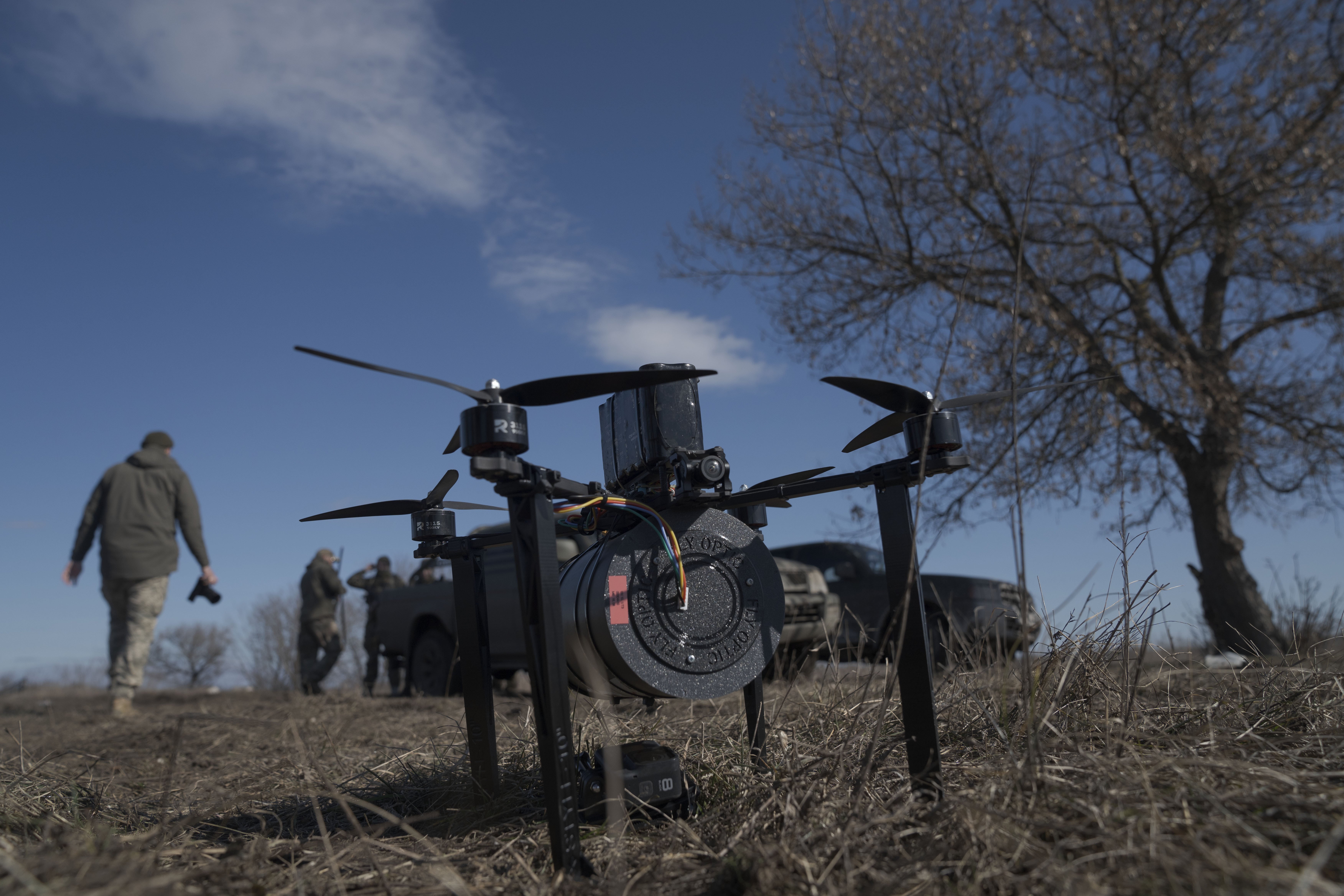
Lithuania is working to train at least 100 anti-aircraft drone operators to defend against mass attacks by Shahed-type drones.
Defense Minister Robertas Kaunas announced the initiative during a discussion on strengthening Baltic air defense. He noted that despite the growth of artificial intelligence, modern interception technology still relies heavily on human control, according to LTR on March 31.
We bring you stories from the ground. Your support keeps our team in the field.
Kaunas recently visited Ukraine to observe how defense systems operate during Russia’s full-scale invasion of Ukraine.
He explained that intercepting 100 enemy drones requires at least 100 trained pilots. This is because an interceptor drone can only track and hit a target on its own during the very final stage of its flight.
The defense strategy involves more than just hardware like radars and interceptors. A central goal is to link all defensive tools into one management system. Kaunas pointed to Ukraine’s success with the Skymap system, which gathers data from various sensors and radars to respond to threats effectively.
The former head of the defense department, Laurynas Kasčiūnas, mentioned that the current €500 million budget for the integrated air defense system covers only a basic version.
Even if the current plans are fully completed, he warned that the risk of individual drones breaking through will remain.

Other officials at the discussion highlighted that bureaucratic hurdles in government procurement are slowing down the testing and use of new military technology.
Under the current schedule, Lithuania expects to fully finish the integration of its air defense system by 2028.
Ukraine’s self-produced interceptor drones recently made headlines worldwide as Gulf countries turned to Kyiv to provide cheap defense systems against Iran-made Shahed drones.
These 3D-printed, low-cost anti-drone systems were designed to shoot down Iranian-designed Shahed and Russian-produced Geran attack drones, as well as other UAVs.
Due to their low cost, the interceptors appeared to be a much cheaper option than US-made Patriot missiles for taking down Shaheds. Ukraine’s decision to treat these drones as a primary capability led to a significant increase in production and the rapid emergence of new manufacturers.
Discuss this article:


-111f0e5095e02c02446ffed57bfb0ab1.jpeg "Photo of Roman Kohanets")



-72b63a4e0c8c475ad81fe3eed3f63729.jpeg "Photo of Cyril Barabaltchouk")