- Category
- Latest news
NASA Eyes Ukrainian Chornobyl Fungus as Future Space Radiation Shield
 Prefer U24 Media on Google
- Authors


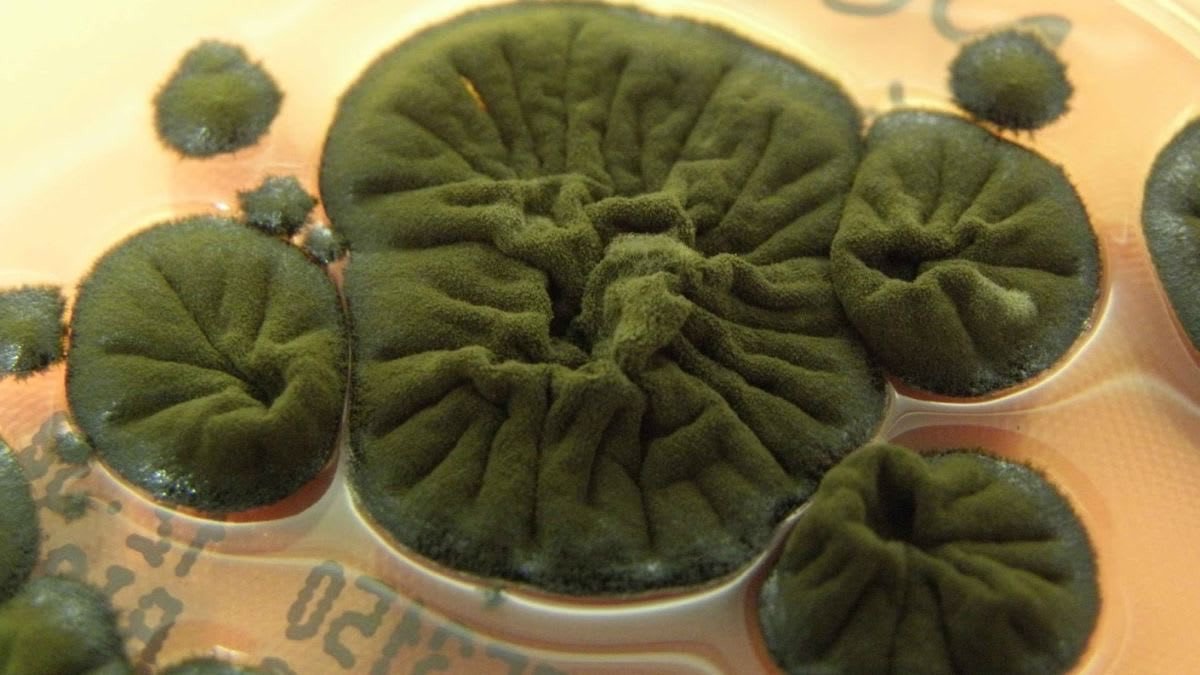
A type of black fungus found at the Chornobyl nuclear disaster site has demonstrated the ability to convert radiation into usable energy, a discovery that may be applied to space exploration.
According to Interesting Engineering on December 1, researchers are exploring the fungus’s potential as a radiation shield and energy source for astronauts.
Radiation-tolerant fungi observed in Chornobyl
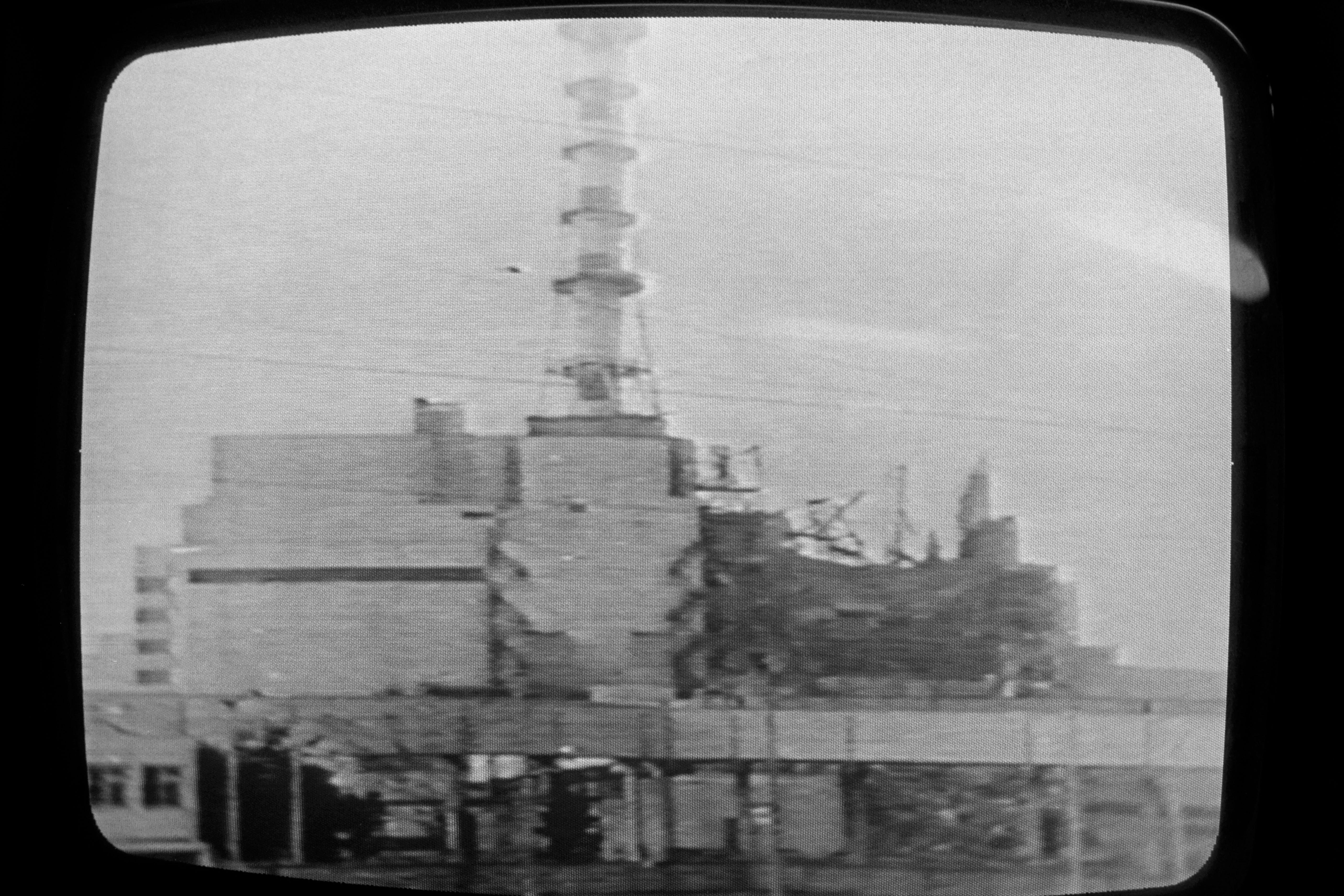
In 1997, Ukrainian mycologist Nelli Zhdanova observed colonies of dark-colored fungi, including Cladosporium sphaerospermum, growing inside Chornobyl’s damaged Reactor Four.
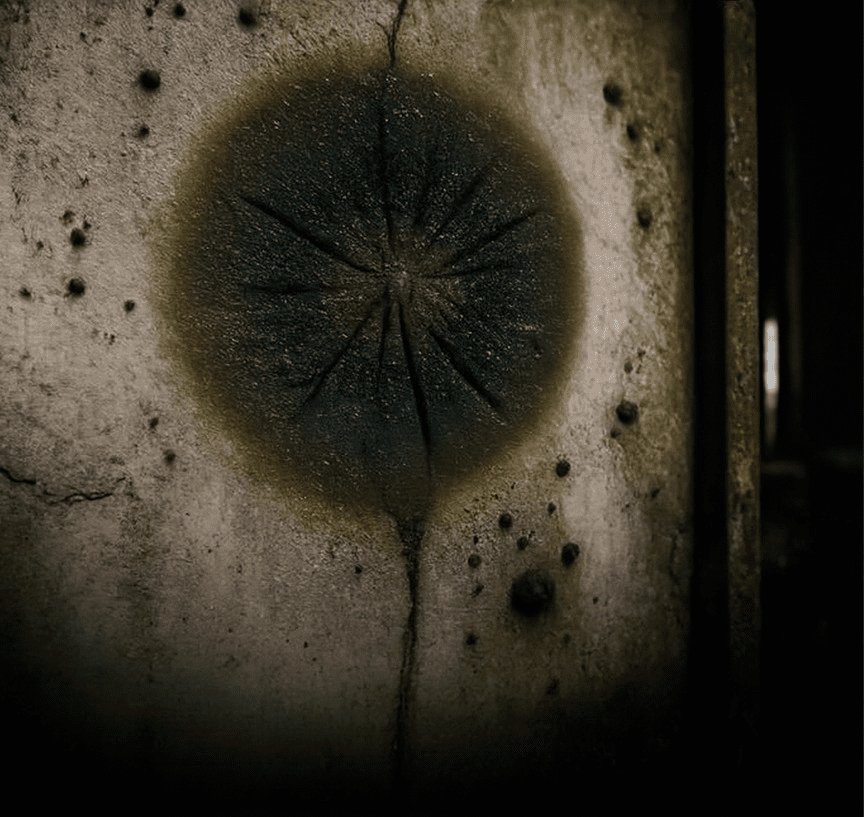
The fungi were found to colonize highly radioactive surfaces, including walls and ceilings, within the exclusion zone established after the 1986 nuclear accident.
According to Interesting Engineering, subsequent studies suggested that these fungi are not merely resistant to radiation, but may be actively attracted to ionizing radiation.
Melanin’s role in energy conversion
The fungi’s dark pigmentation is attributed to melanin, a compound also found in human skin. While melanin is known for its protective properties against ultraviolet radiation, a 2007 study cited by Interesting Engineering showed that melanized fungi exposed to radioactive caesium grew approximately 10% faster than control samples, suggesting they were using radiation as an energy source—a process termed radiosynthesis.
“The energy of ionising radiation is around one million times higher than the energy of white light, which is used in photosynthesis,” nuclear scientist Ekaterina Dadachova told the BBC, as quoted by Interesting Engineering.
“So you need a pretty powerful energy transducer, and this is what we think melanin is capable of doing.”
Experiments extend to space
Samples of C. sphaerospermum were later sent to the International Space Station (ISS) to test their performance under cosmic radiation. Interesting Engineering reports that the fungi exhibited a 21% higher growth rate in space compared to Earth-based controls.
In addition to their growth, the fungi reduced the amount of radiation reaching sensors placed behind the sample, raising the possibility of using the organism as a biological radiation shield.
Potential applications in space architecture
Galactic cosmic radiation poses a significant risk to astronauts traveling beyond Earth’s atmosphere. Current protective solutions, such as metal-based shielding, are costly to produce and launch into orbit.
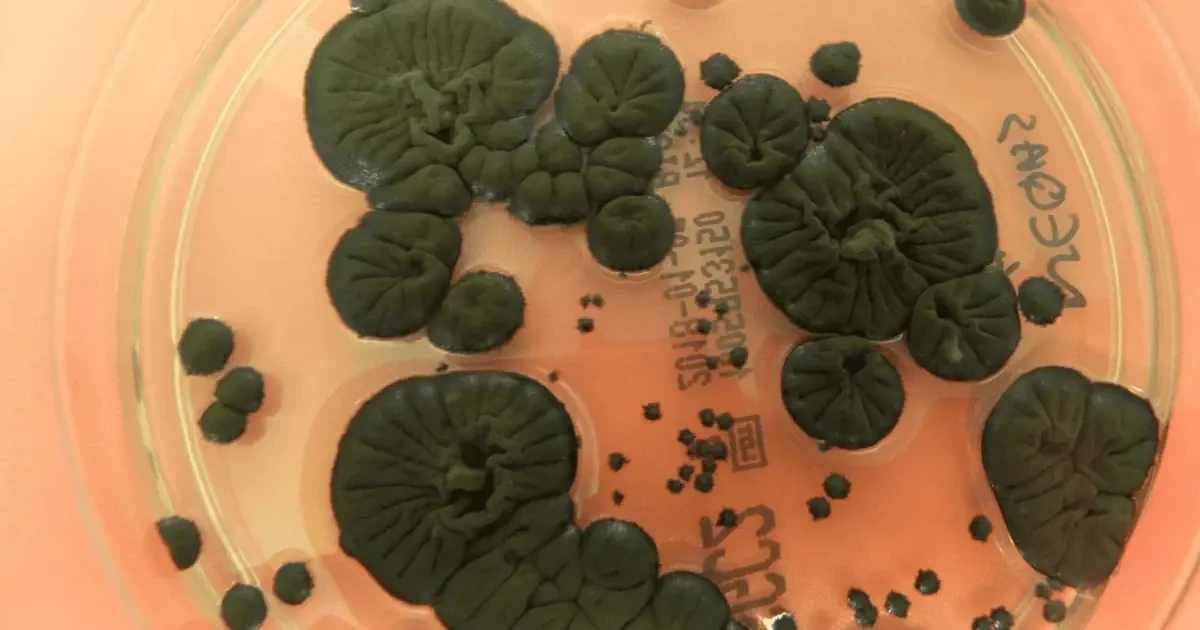
As reported by Interesting Engineering, NASA astrobiologist Lynn J. Rothschild has proposed using fungi as part of “myco-architecture”—structures grown from biological materials on the Moon or Mars that could serve both as shelters and radiation protection. These fungal-based habitats would be self-regenerating and potentially reduce mission costs by being grown on-site.
While further research is needed to determine the reliability and efficiency of fungal shielding over long missions, the discovery of radiosynthesis in C. sphaerospermum has drawn increased interest from the space science community.
Earlier, Ukrainian radiation defense units were deployed to the Chernobyl Exclusion Zone following a Russian drone strike that damaged part of the New Safe Confinement structure. Teams from the 704th Separate Brigade are now conducting ongoing radiation monitoring and analysis near Reactor No. 4, using FLIR identiFINDER R400 detectors to ensure structural safety and prevent contamination.
Discuss this article:



-80134f2dc17b4a887d01513a1c7bc929.png "Illustration of Russian military infrastructure targeted by Ukrainian strikes in temporarily occupied eastern Ukraine. (Source: General Staff of the Armed Forces of Ukraine)")