- Category
- Latest news
NATO Could Soon Let Allies Shoot Down Russian Jets Without Warning
 Prefer U24 Media on Google
- Authors

-111f0e5095e02c02446ffed57bfb0ab1.jpeg "Photo of Roman Kohanets")
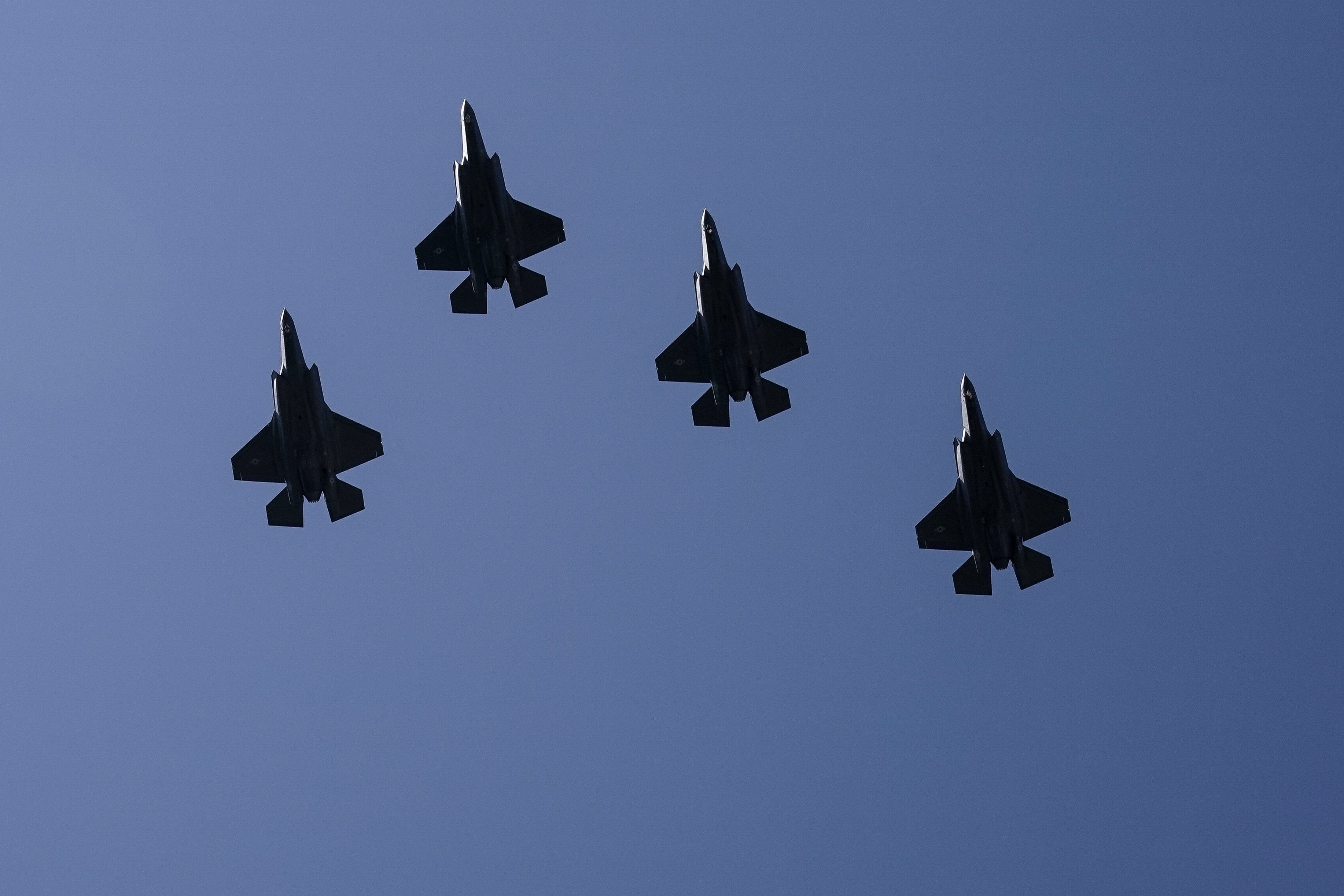
NATO is holding talks to establish clearer rules that could make it easier to shoot down Russian aircraft carrying missiles over allied airspace, The Telegraph reported on October 15.
Defense chiefs are drafting a unified set of engagement guidelines aimed at eliminating inconsistencies among member states’ rules of engagement.
According to a source briefed on the discussions, “the weaponry and trajectory” of any aircraft would be the determining factors for perceived threat. The move comes as Europe faces increasing risks from Russian jets and drones.
The issue will be discussed by defense ministers during a NATO meeting in Brussels on Wednesday. NATO Secretary General Mark Rutte said the discussions would “further strengthen our deterrence and defense posture, including in light of recent incidents.”
US General Alexus Grynkewich, NATO Supreme Allied Commander Europe, has reportedly called for a “unified, single air and missile defense system” to streamline responses to provocations by Moscow.
Such a system would eliminate “national caveats”—restrictions that prevent a single commander from authorizing force under shared NATO missions.
“Trying to create a more unified, single, integrated air and missile defense system makes sense,” a senior NATO diplomat told The Telegraph. “We all have to look sharply and critically at whether those caveats still make sense.”
Member states currently operate under varying engagement protocols. Some nations, such as Italy and Spain, require pilots to make visual confirmation before taking action, while others allow engagement based on radar data.
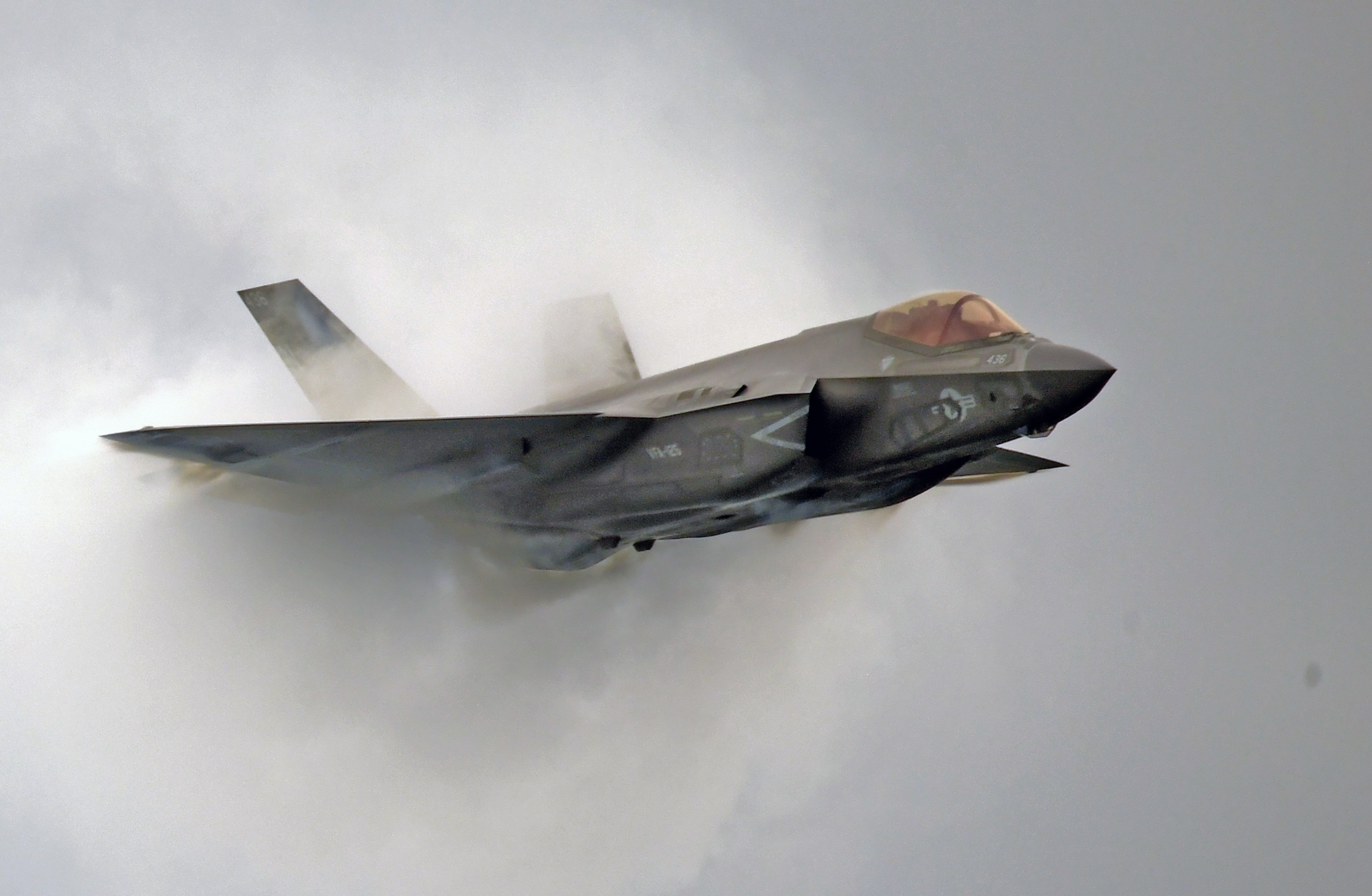
The debate intensified after recent Russian airspace violations. Last month, three Russian MiG fighter jets crossed into Estonian airspace, prompting Italian F-35s to intercept them. NATO intelligence later determined that the Russian aircraft carried air-to-air missiles but posed no direct threat. Nineteen Russian drones were also either downed or crashed in Poland in September.
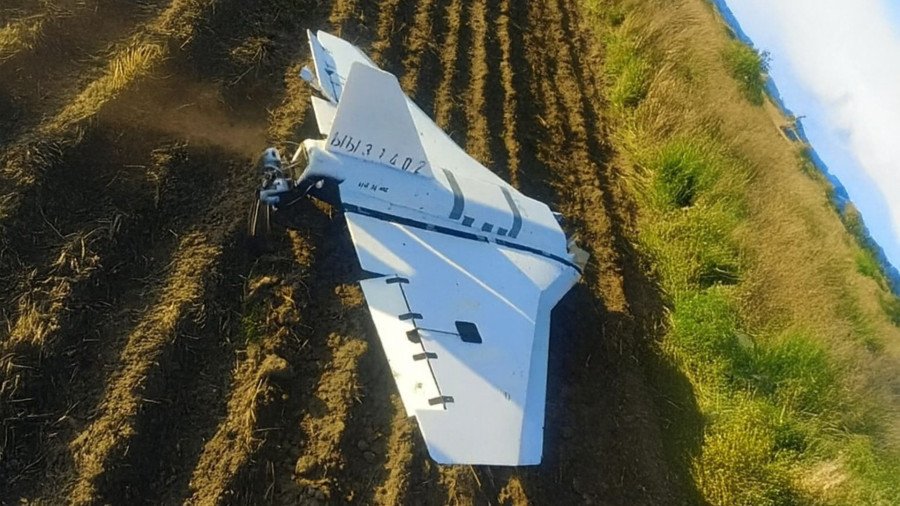
NATO is additionally considering merging its three eastern air-defense missions—Eastern Sentry, Baltic Sentry, and the Ukraine support mission based in Poland—to grant greater operational flexibility.
Estonia and other Baltic nations are pressing to elevate air-policing to full air-defense status, though more cautious members argue such measures should only apply in wartime, as they would require closing civilian airspace and automatically engaging any unauthorized Russian aircraft.
Earlier, it was reported that Polish authorities discovered evidence Russia had been preparing cross-border drone strikes for months, including testing connectivity with Polish mobile networks by planting Polish SIM cards inside drones.
Discuss this article:
-9bd5e1532102621f8fb1c4ba871a3171.png)


-c439b7bd9030ecf9d5a4287dc361ba31.jpg "Photo of Katherina Popilnichenko")