- Category
- Latest news
What Were Russian “Gerbera” Drones Really Looking For in Poland?
 Prefer U24 Media on Google
- Authors


Russian drones that entered Polish airspace overnight on September 10 appear to have followed flight paths aligned with major roads and radar stations leading toward Warsaw and Lublin, according to Defense Express.
Polish Prime Minister Donald Tusk stated that 19 drones were used in the attack, with the first incursion recorded at 23:30 and the last detection at 06:30 local time.
Earlier reports in Polish media suggested as many as 23 drones had been involved. Only a few were intercepted, likely those posing a direct threat to specific targets.
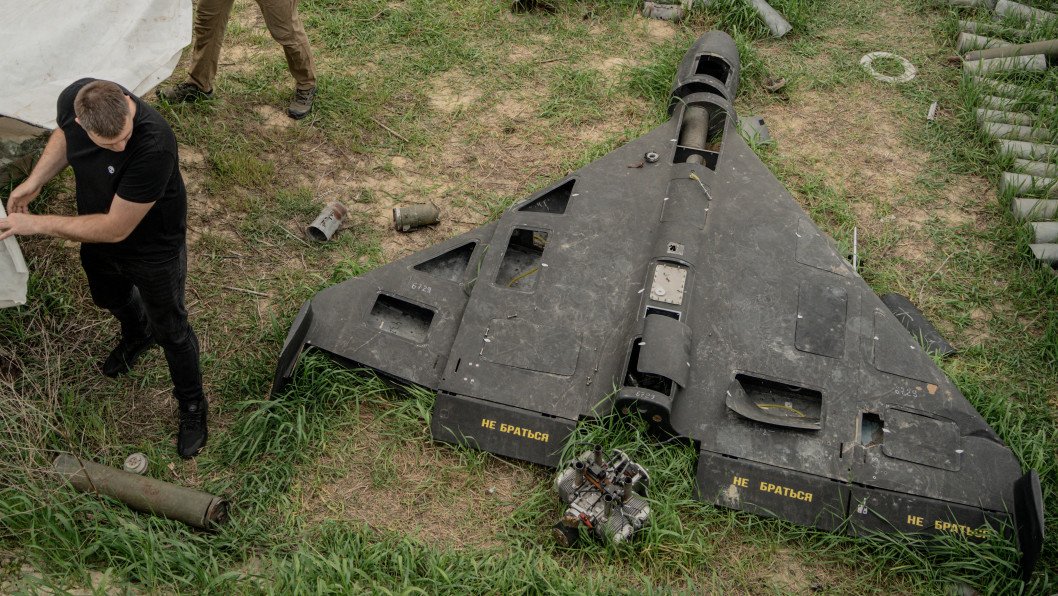
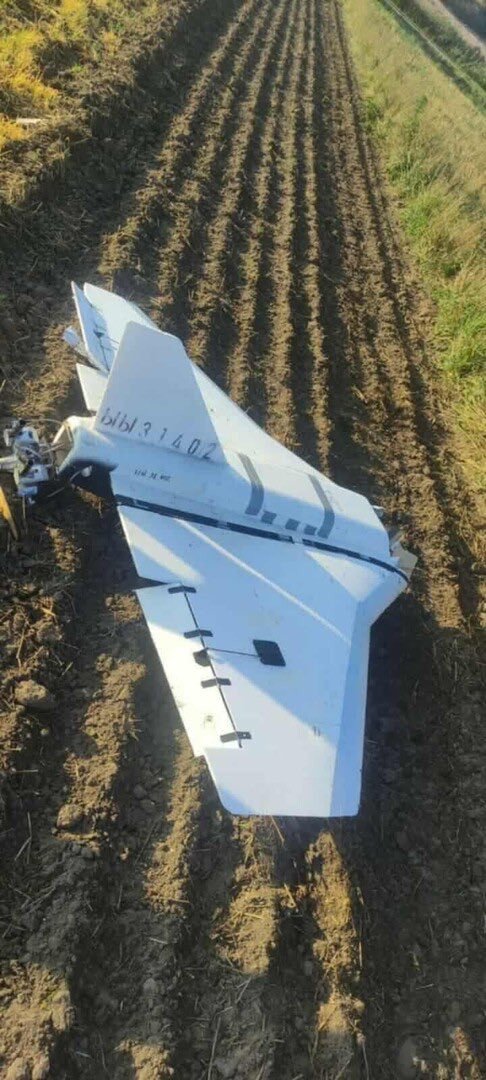
Photos from crash sites indicate the drones were “Gerbera” unmanned aerial vehicles—lightweight systems made primarily from foam.
While often employed as decoys, they can be equipped with reconnaissance payloads or small explosive charges of up to five kilograms.
According to Defense Express, Polish SIM cards had been detected on Russian drones since July, suggesting that reconnaissance may have been a primary objective of the incursion.
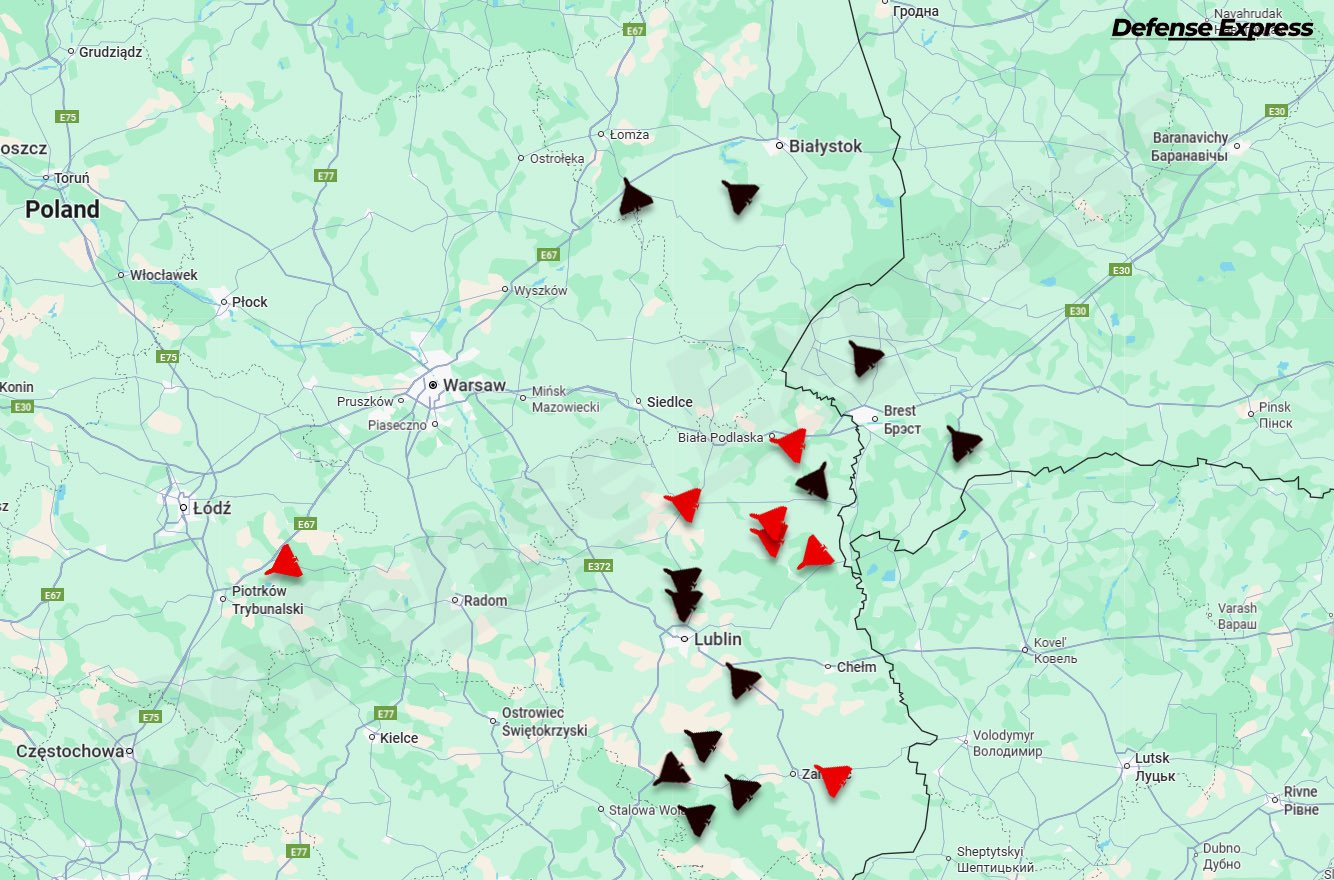
Analysis of reported crash sites shows that five drones fell along the Biała Podlaska–Parczew line. This area hosts three major roadways: the E30 motorway, and highways 63 and 82, which connect toward central Poland.
Other drones were observed north of Lublin, near the defense industry hub of Stalowa Wola, and west of Białystok. One drone was found as far as Łódź.
The routes also intersected with Polish air defense infrastructure. Two of the country’s long-range radar posts—Roskosz with an NUR-12M radar and Labunie with a RAT-31DL system—are situated along these paths.
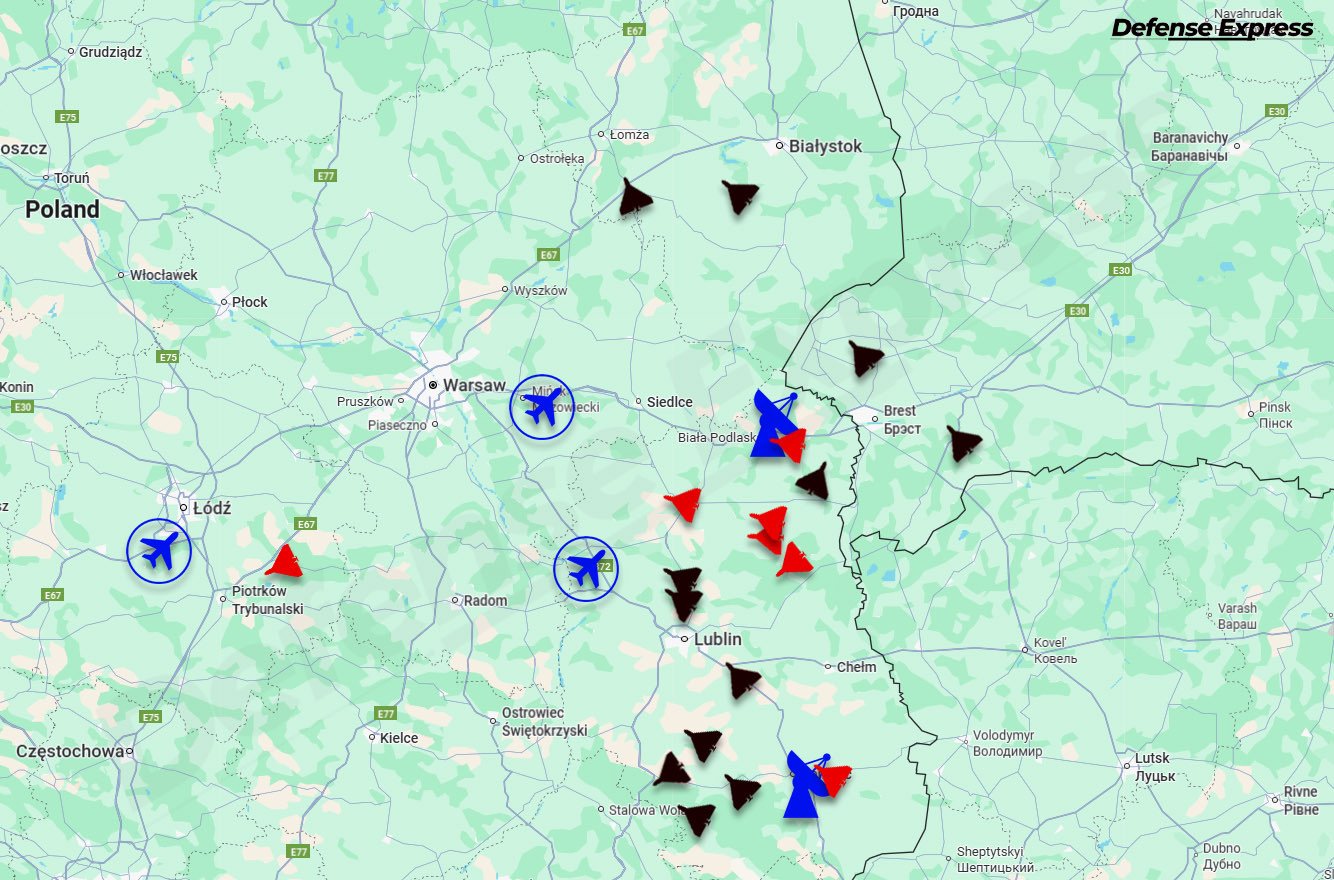
These are two of three such radar stations on Poland’s eastern border, with the third located in Szyplyski near the Suwałki corridor.
Defense Express notes that the overlapping routes raise questions about whether the drones were used to probe Poland’s air defense coverage in directions corresponding to potential ground advances toward Warsaw and Lublin.
While Polish officials have so far described the incident as a “provocation,” the possibility of reconnaissance activity remains under discussion.
Earlier, Polish authorities shortened mobilization times for Territorial Defense Forces after Russian drones violated the country’s airspace, requiring reservists in eastern regions to report within six hours and in central and southern regions within 12 hours, according to WOT.
Discuss this article:



-c439b7bd9030ecf9d5a4287dc361ba31.jpg "Photo of Katherina Popilnichenko")