- Category
- Latest news
North Korea Begins Building Its Largest Military Plant as Arms Flow to Russia Rises
 Prefer U24 Media on Google
- Authors


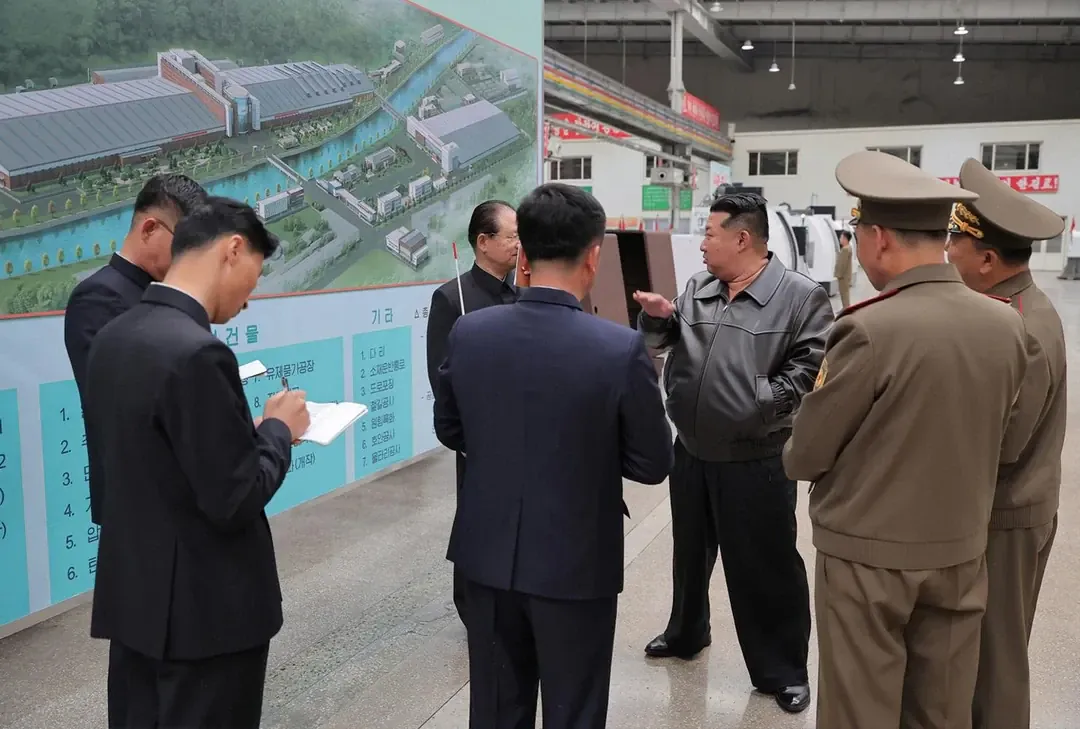
North Korea is preparing to build one of the country’s largest-ever military manufacturing complexes as it ramps up weapons deliveries to Russia, according to NK News on June 17.
North Korean leader Kim Jong Un recently toured Jagang Province, inspecting the site of what is expected to become a sprawling military-industrial facility covering 5 to 10 hectares (12 to 25 acres)—a footprint twice the size of the country’s current largest arms production plants.
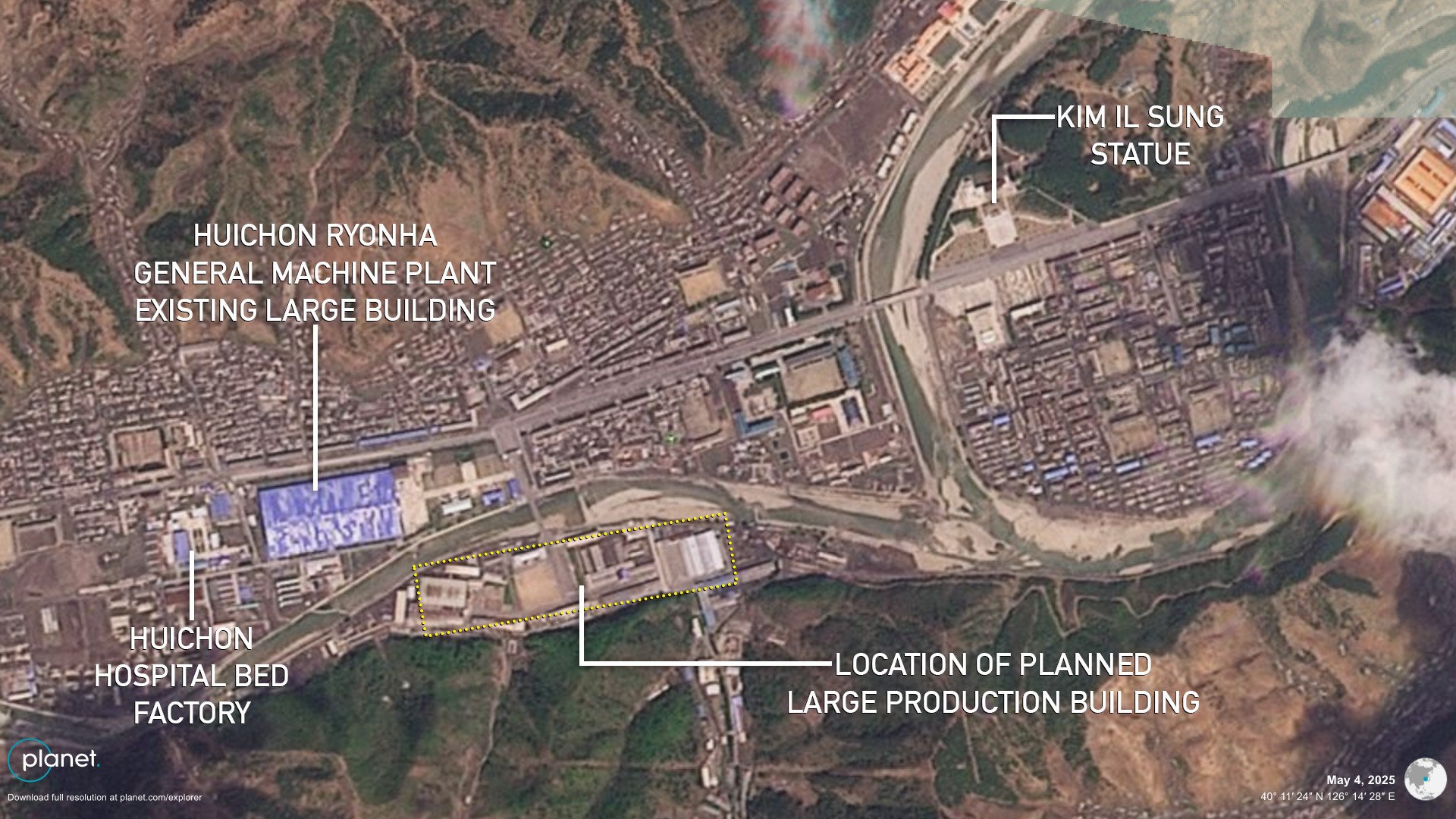
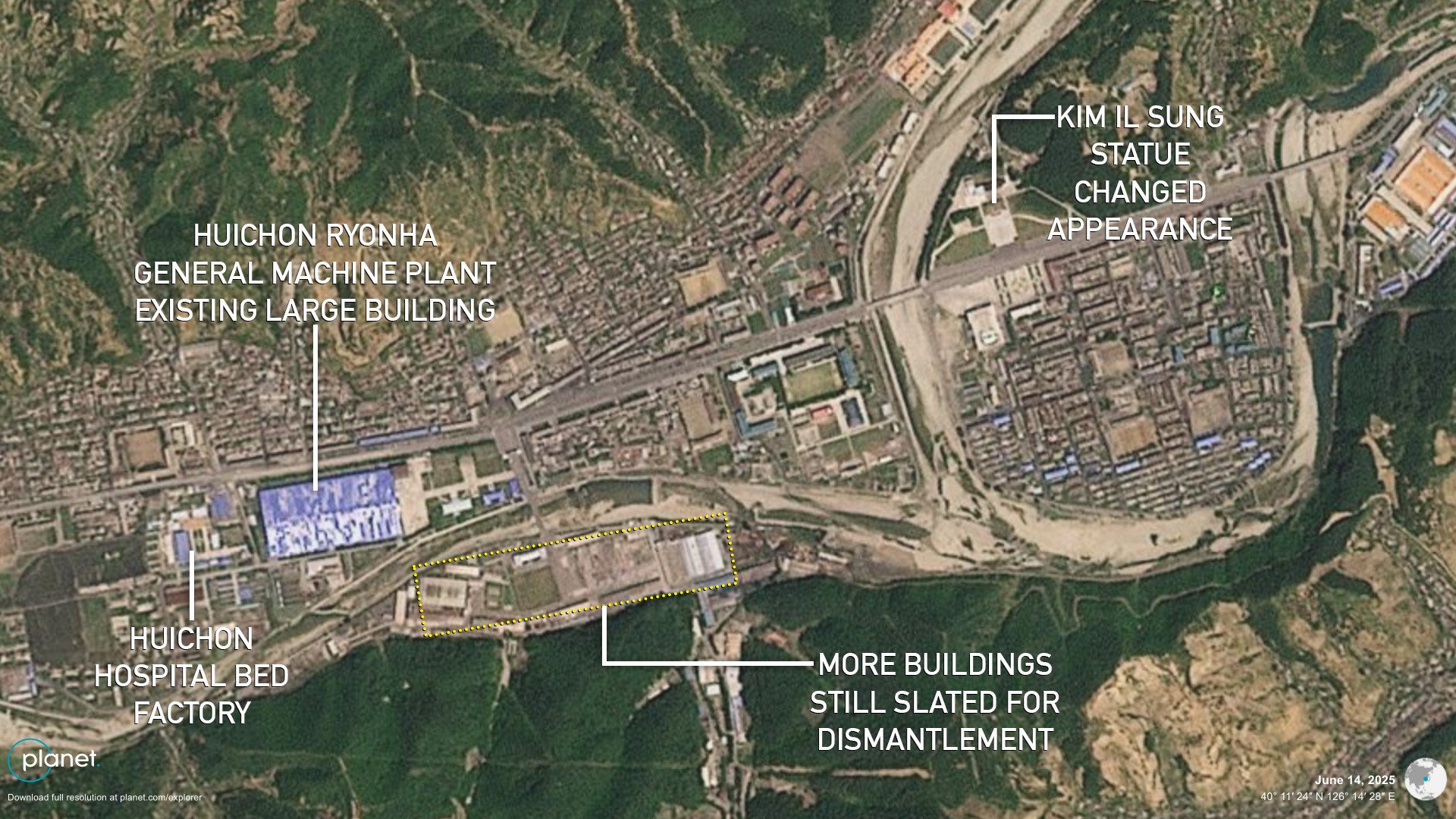
According to satellite imagery reviewed by NK News, demolition work has already begun at the future construction site as early as May, clearing space for the new facility.
Kim reportedly said the upcoming complex would serve as the foundation for developing advanced machine-building technology capable of propelling North Korea’s defense sector to “world-class” levels.
“It will guarantee the DPRK defense industry’s leap forward to become a world-level advanced industry,” Kim stated, emphasizing that the facility would produce “more intelligent, high-speed, precision, and multi-functional machine-building equipment.”
A CNC arsenal for North Korea—and possibly Russia
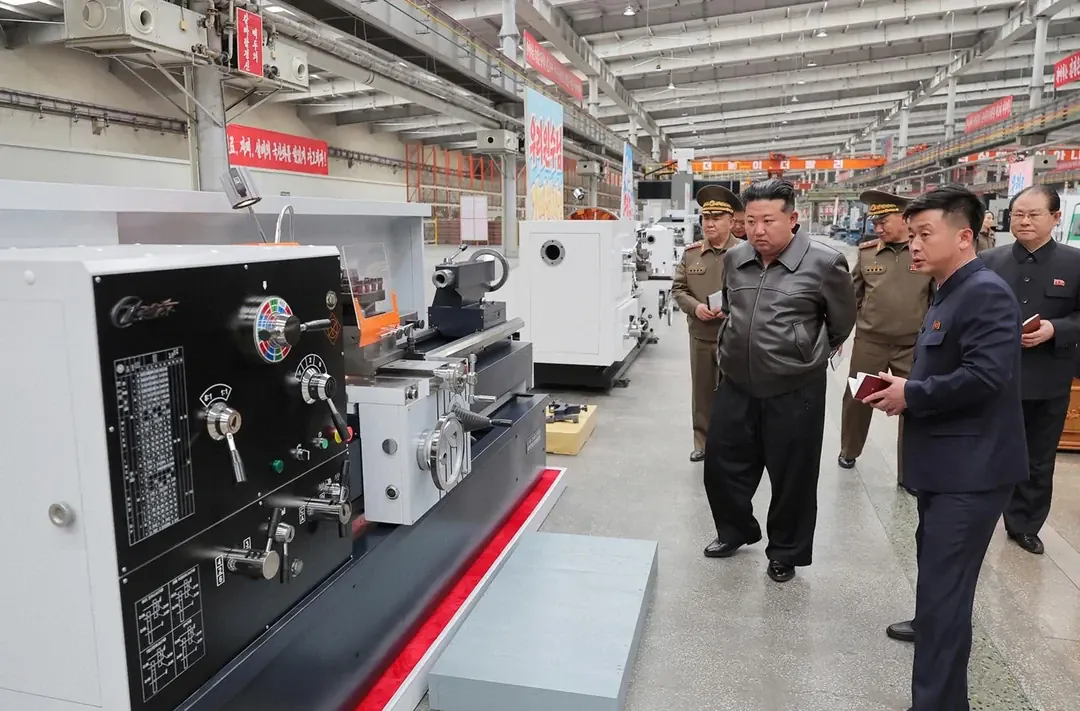
The facility will focus on producing computer numerical control (CNC) machines—vital tools for manufacturing complex military components with high precision. These machines are especially critical in producing artillery barrels, tank guns, and munitions, and are considered a global standard in advanced weapons manufacturing.
According to the report, the plant will manufacture domestically produced Ryonha CNC machines, which have already been deployed in various North Korean weapons factories.
Analysts believe these machines could eventually be exported to Russia, where they may help Moscow bypass sanctions by replacing restricted Western equipment.
Russia has been searching for CNC machines through third countries to continue producing weapons, especially after sanctions severely restricted its access to Western industrial machinery.
The new plant could provide an alternative channel. If successfully scaled, North Korea could become a supplier of military-grade machinery and equipment, especially to authoritarian allies.
Strategic expansion and symbolic shifts
During his visit to Songgan Artillery Ammunition Plant, Kim reportedly viewed at least 50 Ryonha-made CNC machines in operation, underlining their growing role in North Korea’s munitions production.
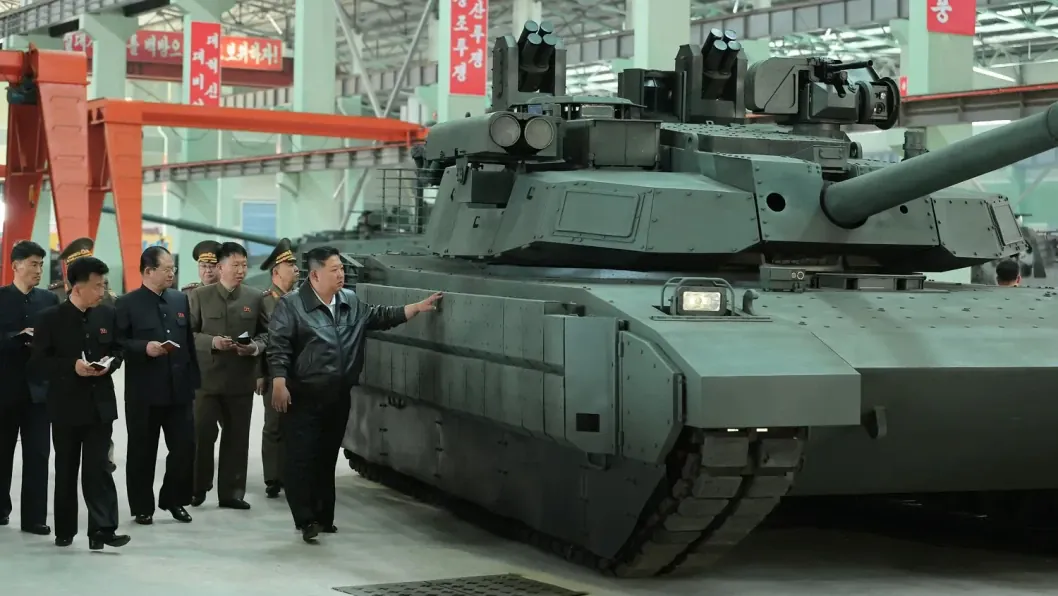
The planned factory could potentially become the largest single-purpose military production facility in the country, surpassing notable industrial centers like the Kumsong Tractor Factory and Taedonggang Battery Factory—though it will still fall short of the scale seen in South Korea and China, where comparable production floors often exceed 30 acres.
The project has been years in the making. Kim is believed to have ordered the factory’s modernization in April 2023 and has visited the site at least twice in 2024 before the current expansion efforts began.
Interestingly, state media also suggests the Ryonha Machinery Corporation, which oversees the facility, may be involved in dual-use manufacturing. Its associated factories have produced both medical devices and military components, potentially allowing for sanctions evasion under humanitarian cover.
Meanwhile, changes in Huichon’s urban landscape may signal a subtle shift in regime symbolism. Satellite images suggest that a statue of Kim Il Sung, long a fixture in central Huichon, may have been removed or reconstructed in early May—possibly reflecting a broader campaign to elevate Kim Jong Un’s image over his predecessors.
Earlier, South Korea’s military was weighing whether North Korea’s brand-new air-to-air missile—and a batch of retrofit “smart” bombs showcased in drills last week—owed more to Russian know-how than to Pyongyang’s labs.
Discuss this article:


-c439b7bd9030ecf9d5a4287dc361ba31.jpg "Photo of Katherina Popilnichenko")