- Category
- Latest news
North Korea Rewrites Its War Playbook After Clashes With Ukrainian Forces
 Prefer U24 Media on Google
- Authors


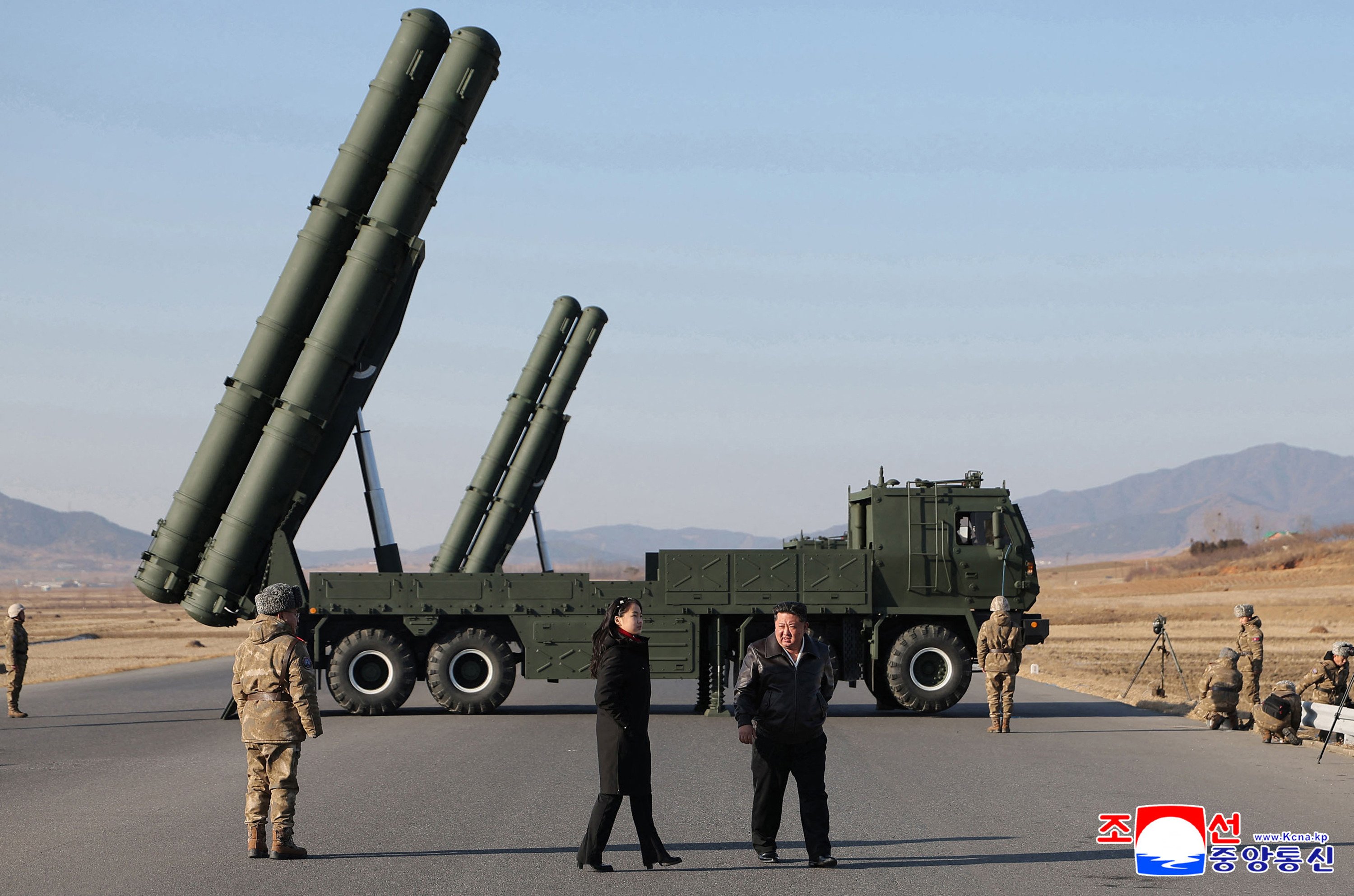
North Korean forces deployed alongside Russian troops in Russia’s Kursk region have begun adjusting their battlefield tactics following heavy losses and exposure to modern combat conditions.
We bring you stories from the ground. Your support keeps our team in the field.
According to Defense Express on April 12, citing analysis by the UK-based Royal United Services Institute (RUSI), a North Korean contingent of approximately 12,000 personnel participated in combat operations against Ukrainian forces, with at least 3,000 reported killed or wounded.
The outlet reports that early operations relied on large-scale infantry assaults, resulting in significant casualties. Subsequent engagements showed signs of tactical adaptation.
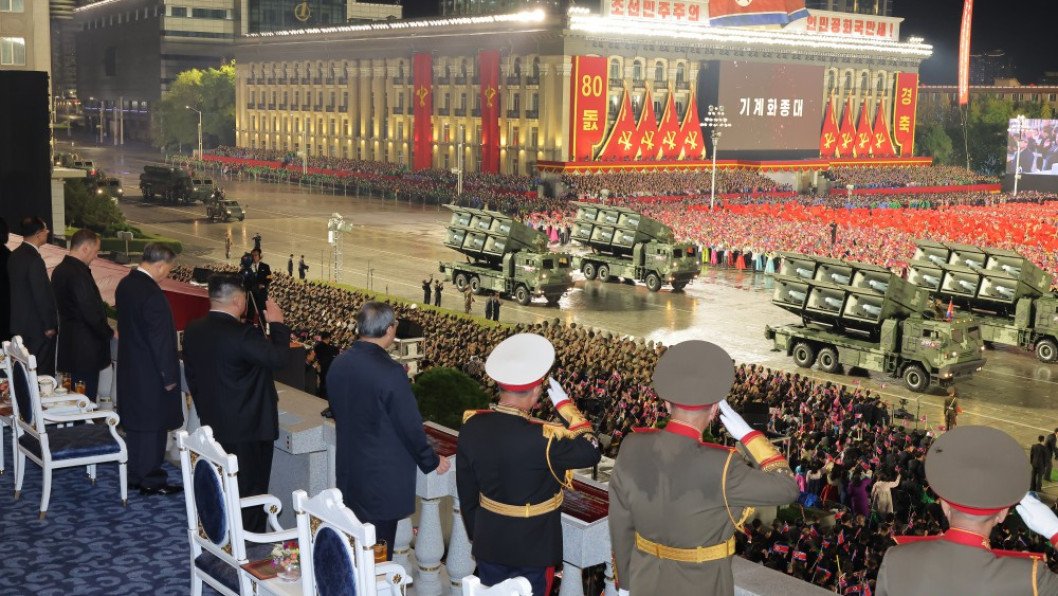
North Korea’s military doctrine prior to 2024 remained largely based on concepts developed after the Korean War of 1950–1953. These emphasized covert troop movements, surprise attacks, and massed infantry offensives supported by artillery formations. However, battlefield experience in Ukraine has challenged these assumptions.
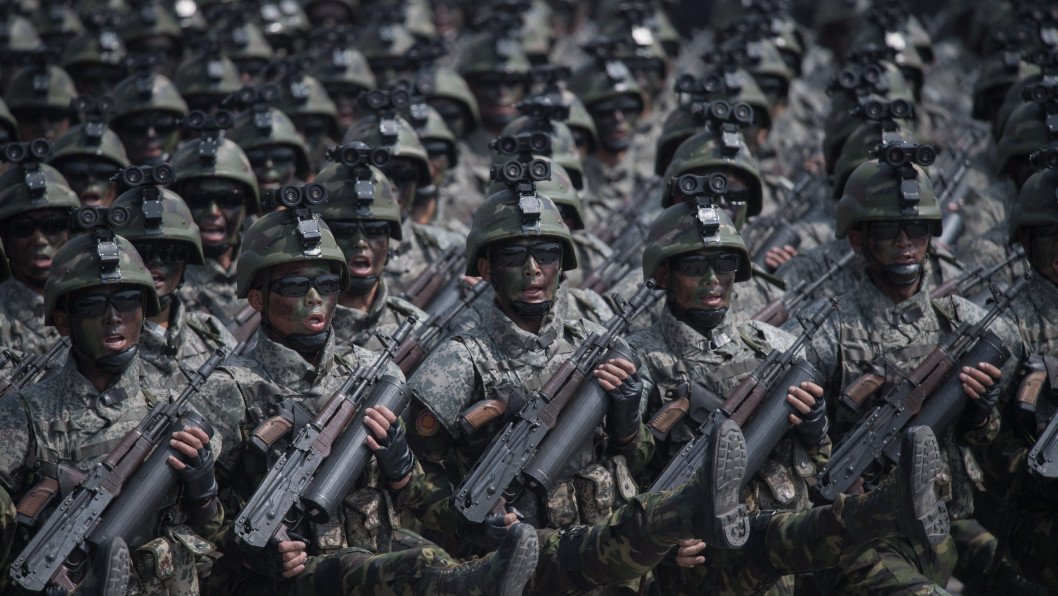
According to Defense Express, North Korean units have shifted toward using smaller assault groups rather than large infantry formations during offensive operations. The change reflects an attempt to reduce exposure to Ukrainian precision strikes and surveillance systems.
The report also indicates that North Korea has increased its use of unmanned aerial vehicles to support artillery targeting. According to Defense Express, efforts are focused on accelerating data transmission between reconnaissance and fire units to improve strike accuracy and response time.
In parallel, Defense Express reports that Pyongyang has expanded cooperation with Russia in the production of loitering munitions. Production is said to be taking place at a facility known as the “January 6” plant, located near the Panghyon airbase. According to the outlet, North Korean-developed drones tested in 2024 showed visual similarities to Russia’s Lancet systems.
North Korea is also engaging with Russia on electronic warfare capabilities and the integration of artificial intelligence into military applications.
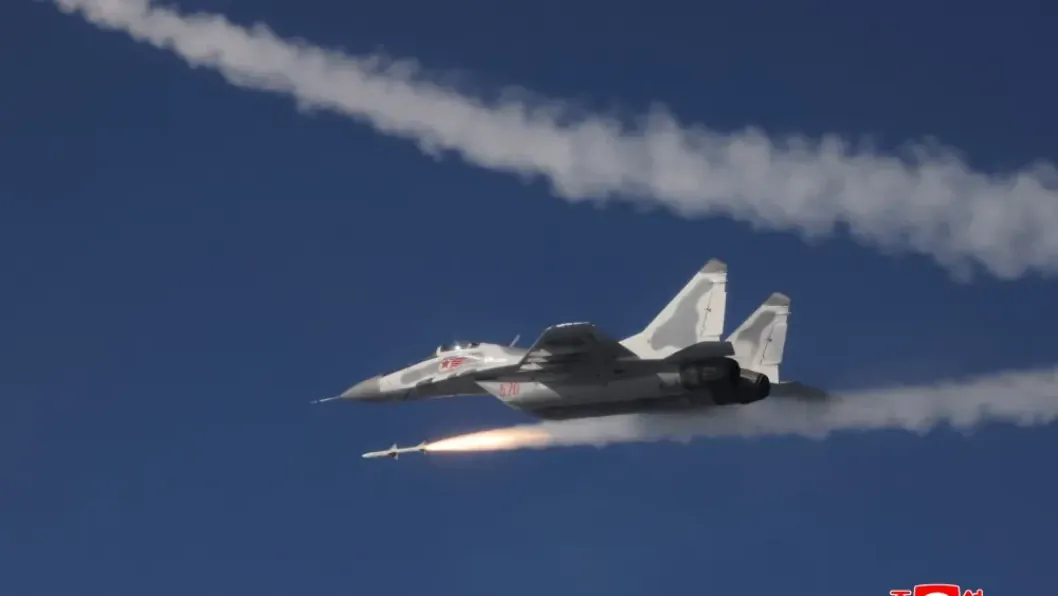
Despite these developments, Defense Express notes that North Korea’s armed forces continue to rely heavily on legacy Soviet-era equipment, including T-55 and T-62 tanks, as well as older aircraft such as the MiG-19, alongside more modern platforms like the MiG-29.
Earlier, Russia significantly increased the number of visas issued to North Korean citizens, granting 36,413 in 2025—nearly four times more than in 2024, according to Vedomosti on April 2. The majority were student visas, alongside a rise in business and work-related entries, reflecting deepening cooperation between Moscow and Pyongyang, including in military and industrial sectors.
Discuss this article:
-9a7b3a98ed5c506e0b77a6663f5727c5.png)

-c439b7bd9030ecf9d5a4287dc361ba31.jpg "Photo of Katherina Popilnichenko")