- Category
- Latest news
Norway Builds Missiles for the High North—Kremlin Bases Could Fall Inside Strike Envelope
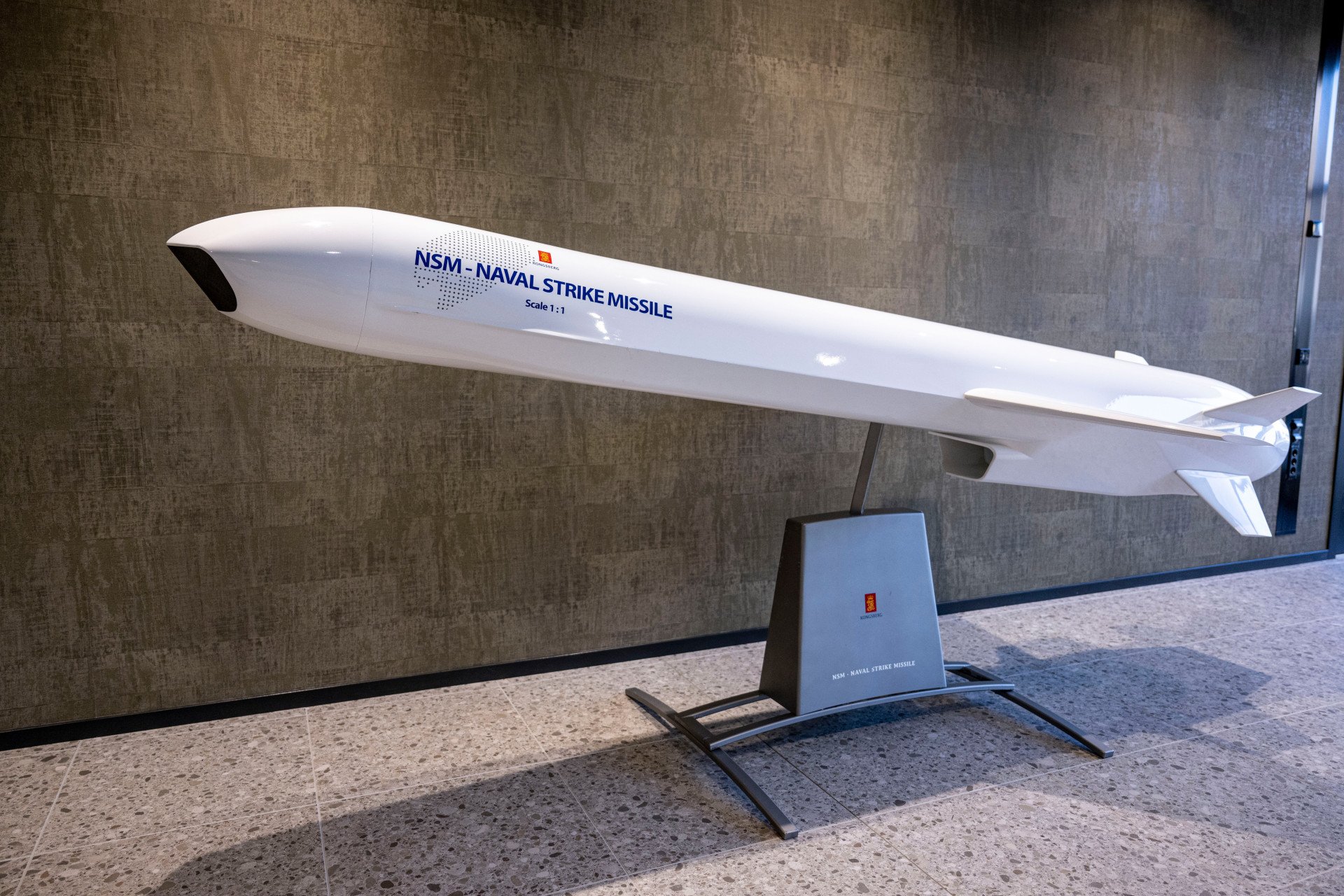
Norway has asked parliament to approve a $1.88 billion long-range strike program that would allow its army to hit targets up to 500 kilometers away, a capability that for the first time could put key Russian military sites on the Kola Peninsula within range and reshape the balance of power in the Arctic.
 Prefer U24 Media on Google
- Authors




Norway has submitted a proposal to parliament for a $1.88 billion program that would give its army a ground-launched strike capability reaching 500 kilometers, while simultaneously expanding its submarine fleet—an investment Oslo says is driven by a sharply deteriorating security environment in the Arctic, according to Army Recognition on December 9.
We bring you stories from the ground. Your support keeps our team in the field.
The package includes launchers, missiles, training assets, logistics support, and would represent one of the most transformative changes to Norway’s land forces since the Cold War.
Defence Minister Tore O. Sandvik framed the long-range capability as “expensive, but indispensable,” saying the objective is to raise the cost of any attack on Norwegian territory and “hold at risk high-value targets deep inside an adversary’s depth.”
ex-🇳🇴HNoMS Trondheim was the target struck by Naval Strike Missiles fired by @HMSSomerset, HNoMS Thor Heyerdahl, HNoMS Steil and a land-based launcher during Exercise Aegir 25 in early September.
— Navy Lookout (@NavyLookout) October 2, 2025
Via @Sjoforsvaret pic.twitter.com/3VRxkFmkEl
Army Recognition notes that the investment aligns with a broader Norwegian defense strategy that prioritizes Arctic deterrence and increased connectivity across NATO targeting networks.
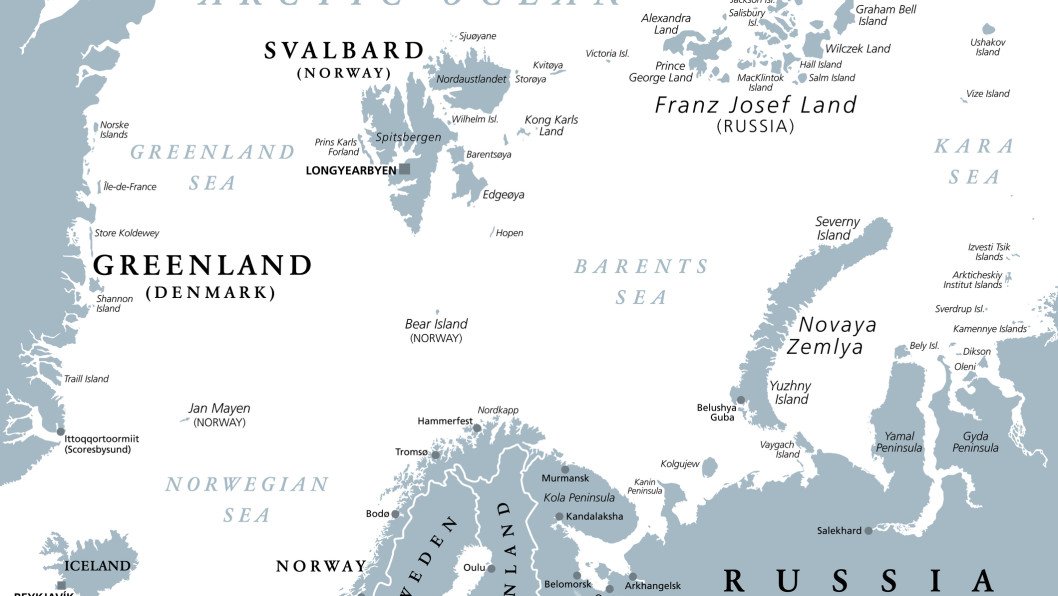
Putting the Kola Peninsula within range
From firing positions in northern Norway, a 500-kilometer system would bring Murmansk and major Russian military infrastructure on the Kola Peninsula—home to the Northern Fleet—within range for the first time. That includes bomber hubs at Olenya, naval staging areas, and the facilities that support Russia’s submarine-based “bastion” strategy in the Barents Sea.
Defense officials argue the capability would reshape the geometry of Arctic deterrence, forcing Russia to disperse, harden, and defend assets across a wider area—adding material and financial strain at a time when Moscow is already committed to multiple fronts.
KNDS Deutschland, Elbit Systems and Kongsberg have successfully launched the Naval Strike Missile (NSM) from the MARS 3 for the first time. The live-fire test was conducted at the "Halkavarre" Arctic firing range in Finnmark, Norway, May 21, 2025. pic.twitter.com/3CIzPNSdyG
— Guy Plopsky (@GuyPlopsky) July 11, 2025
Army Recognition’s analysis highlights that this type of strike system would tightly integrate with NATO ISR assets and Norway’s F-35A fleet, creating overlapping fires webs that complicate Russian planning and restrict freedom of movement.
Few systems can deliver a true 500km ground strike
Oslo has been evaluating long-range rocket and missile artillery systems, including PULS, South Korea’s Chunmoo, and the US-made HIMARS, though indications suggest only the latter two remain active in competition.
The Precision Strike Missile (PrSM), compatible with HIMARS, is the only currently viable system built around the 500km range threshold, according to Army Recognition’s technical reporting. Norway already has an FMS case for HIMARS launchers, GMLRS rockets, and ATACMS, but PrSM has not yet been included.
European alternatives face hurdles. Kongsberg’s Naval Strike Missile reaches roughly 250km, while the next-gen 3SM Tyrfing—which Army Recognition identifies as Europe’s best long-range prospect—will not be fielded before 2035.
A NATO deep-fires belt from Baltic to Barents
With Finland and Sweden now inside NATO, planners envision a “deep-fires corridor” spanning northern Europe. Norway’s 500km system would complement submarine patrols, allied naval strike assets, and future airpower coordination, forming a layered deterrence matrix.
The proposal remains a funding framework, not yet a contract. Parliament must approve the package, and Oslo has not finalized its choice of launcher or missile. But the legal structure signals intent—and a shift.

Norway, Army Recognition notes, appears determined to match its rhetoric on Arctic security with the hardware to enforce it.
Earlier, Norway selected the British-designed Type 26 frigate, developed by BAE Systems, as the next-generation vessel for its navy. The decision follows a competitive tender where the UK bid outperformed France’s lower-cost FDI-class frigates, despite their lower cost.
This capability is expected to significantly enhance NATO’s ability to monitor Russian submarine activity in the Arctic and North Atlantic.
Discuss this article:



-c439b7bd9030ecf9d5a4287dc361ba31.jpg "Photo of Katherina Popilnichenko")