- Category
- Latest news
Russia Allegedly Downs Ukrainian Airborne Drone Carrier Over Occupied Kherson
 Prefer U24 Media on Google
- Authors


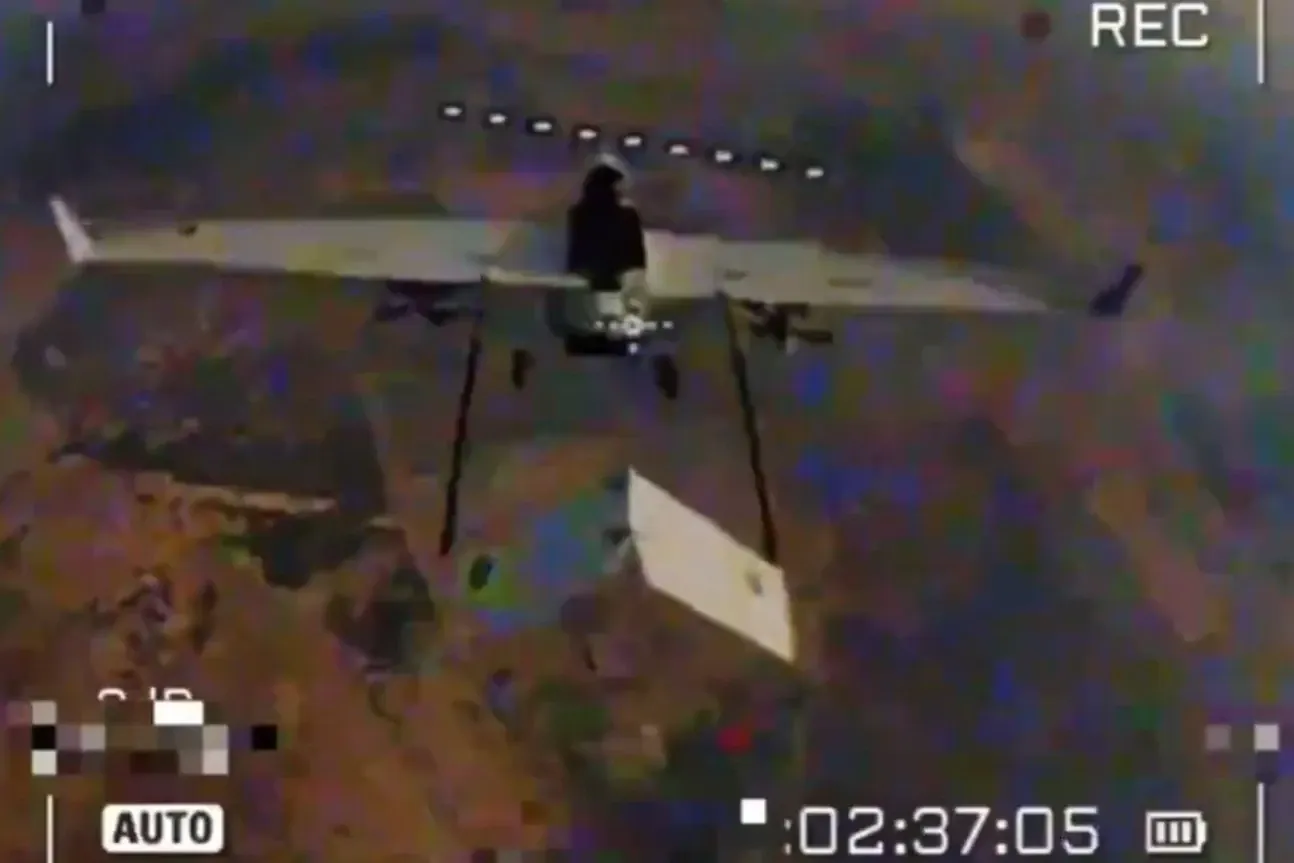
Russian forces have released video footage they claim shows the interception of a Ukrainian drone carrier aircraft over Russian-occupied Kherson region.
The footage—shared by pro-Kremlin military channels—depicts what appears to be a Russian drone engaging and destroying a Ukrainian unmanned aerial vehicle (UAV), according to Defense Blog on July 21.
Russian sources allege the downed UAV was a specialized system designed to operate as an airborne launch platform and signal repeater for multiple First-Person View (FPV) attack drones.
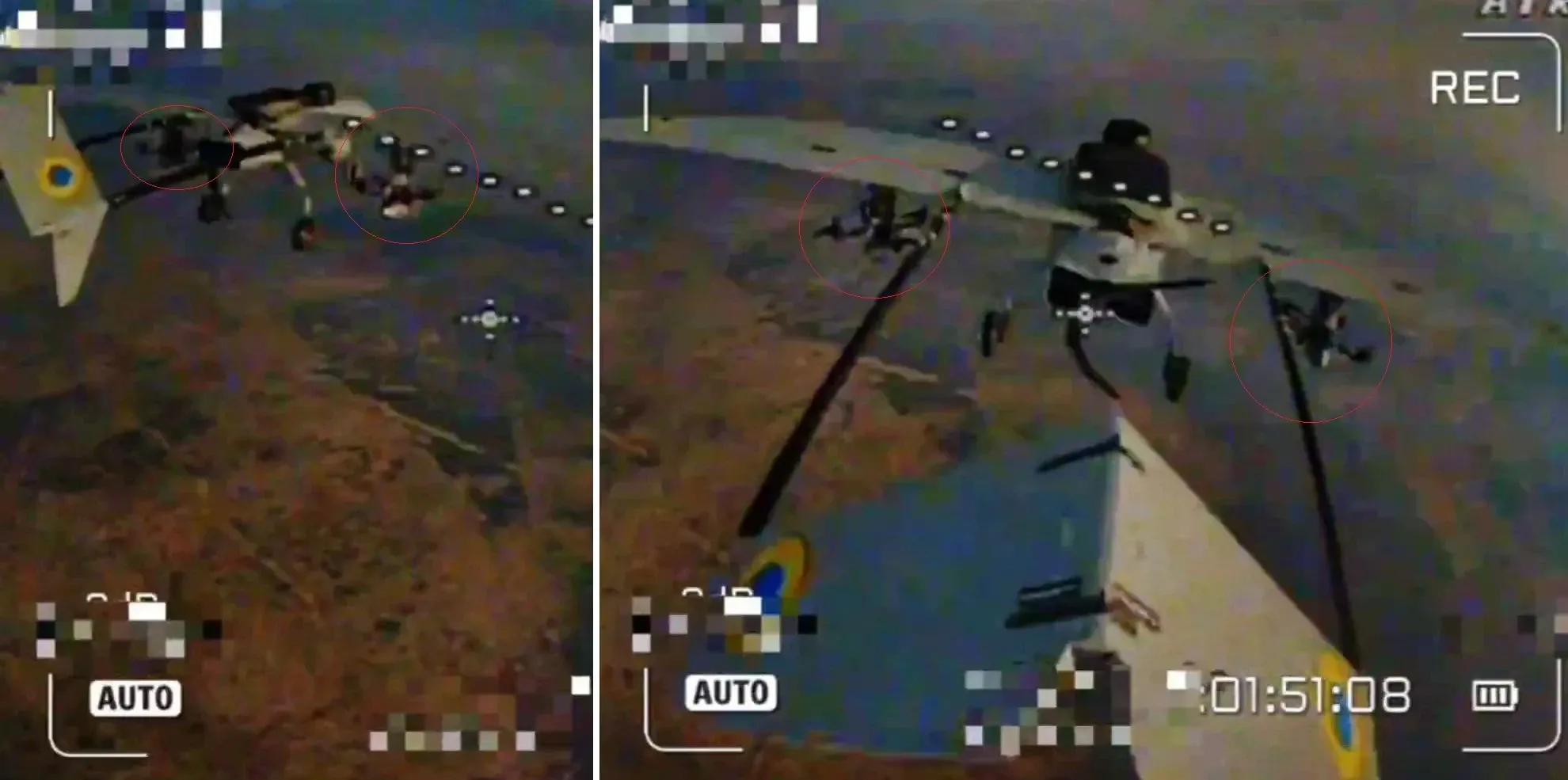
The Ukrainian aircraft reportedly served as a mobile carrier and communication relay, allowing FPV drones to carry out long-range strikes against Russian positions, including in areas where ground-based control links are disrupted or unavailable.
Defense analysts have previously observed Ukraine’s increasing reliance on such “mother ship” UAVs to expand the operational range of its drone forces.
These systems enable coordinated attacks and reconnaissance missions across contested airspace, enhancing Ukraine’s ability to penetrate Russian air defenses without direct line-of-sight control.
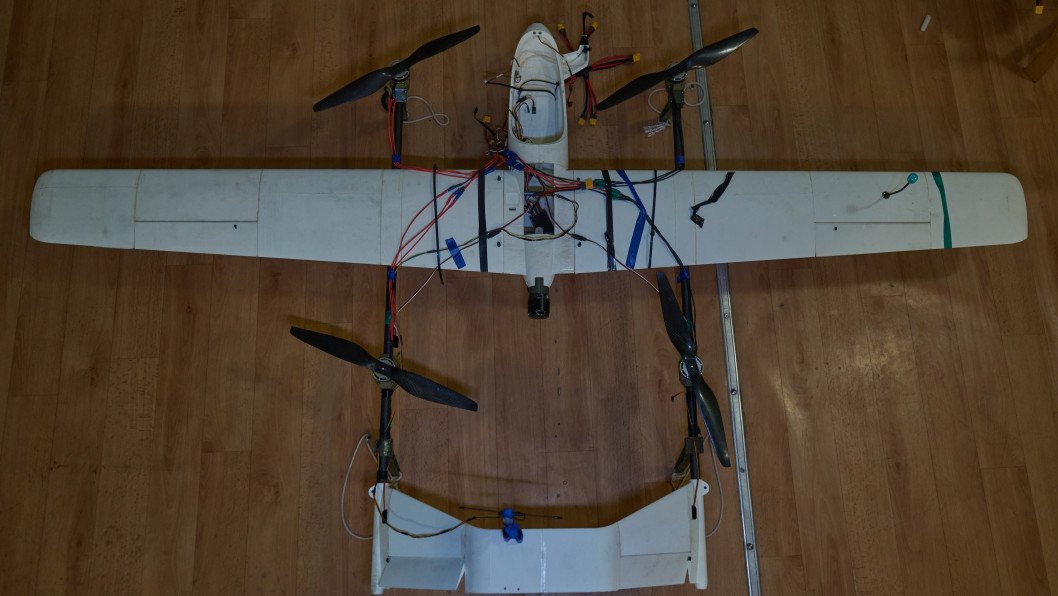
Ukraine is actively advancing its drone warfare capabilities with the development of so-called “mother drones”—large unmanned aerial vehicles designed to transport and launch explosive-equipped FPV drones deep behind enemy lines.
These aircraft act as airborne drone carriers, enabling Ukrainian forces to strike targets that are otherwise out of reach for ground-launched systems.
A recently surfaced video shows one such UAV releasing multiple FPV drones mid-flight, suggesting a scalable, mobile platform capable of bypassing frontline electronic warfare and air defense systems.
-ff4186c0423a2f3242cf4f4460acd6d7.png)
Each mother drone can reportedly carry up to six FPV drones mounted beneath its wings. By flying at high altitudes and entering contested airspace, these UAVs can deploy their payload far beyond the operational range of individual FPV drones.
This allows Ukrainian forces to target equipment and personnel located 10–30 kilometers behind Russian lines—positions typically protected by electronic jamming or situated out of range for conventional drone launches.
Once dropped, the FPV drones switch to direct attack mode, engaging targets with high precision.
Earlier, Ukrainian warfare expert Sergii “Flash” Beskrestnov reported that Russian forces have adopted Ukrainian-style anti-drone tactics, significantly increasing the downing of Ukrainian reconnaissance UAVs.
The Russian “Rubicon” unit, credited with deploying these methods, is now training other units, prompting concerns over Ukraine’s lack of timely countermeasures and the growing presence of compact 3D radars—possibly of Chinese origin—along the front line.
Discuss this article:


-c439b7bd9030ecf9d5a4287dc361ba31.jpg "Photo of Katherina Popilnichenko")