- Category
- Latest news
Russia Bans Electric Cars on Crimean Bridge. Here's Why
 Prefer U24 Media on Google
- Authors

-111f0e5095e02c02446ffed57bfb0ab1.jpeg "Photo of Roman Kohanets")
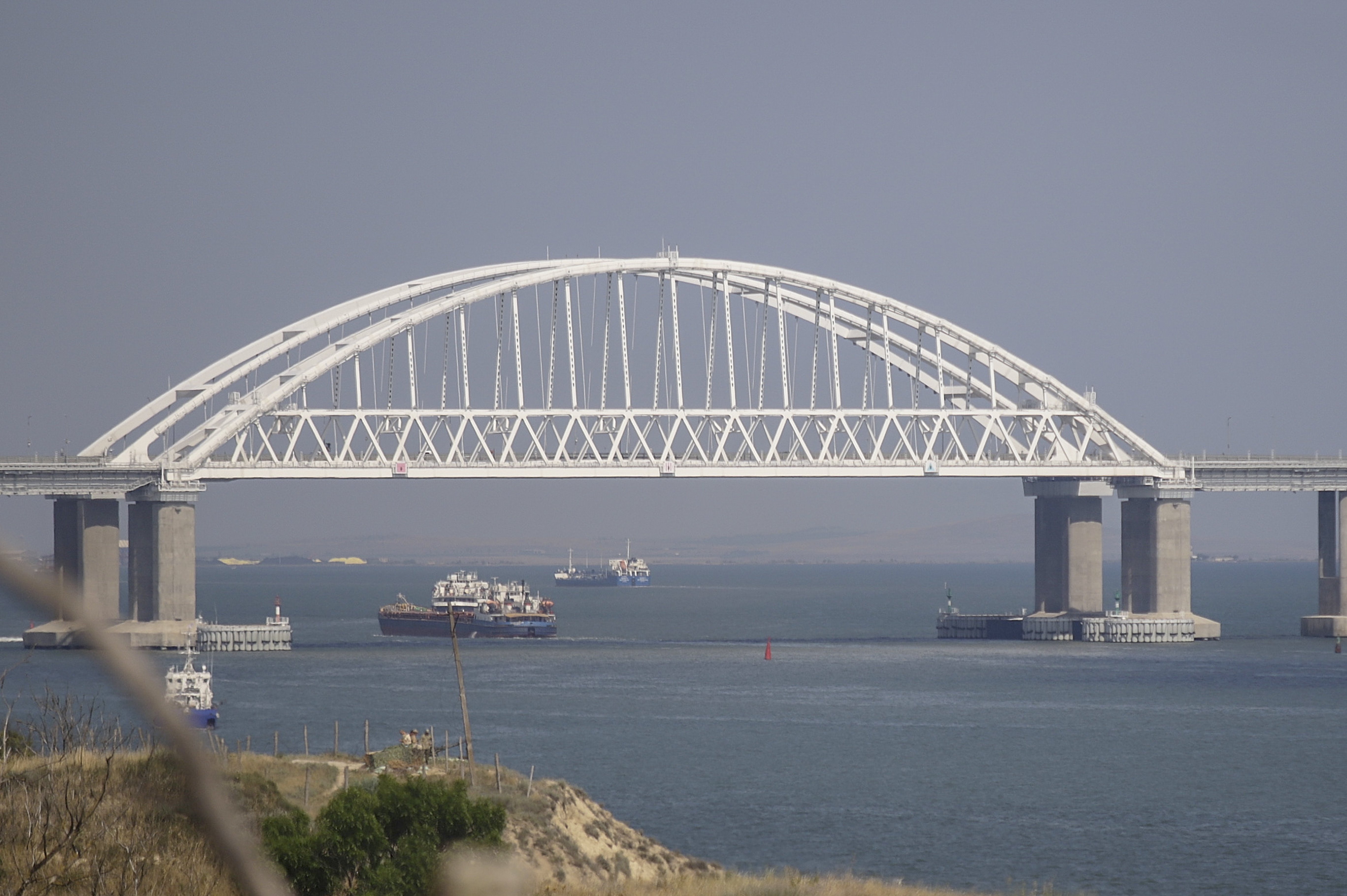
Russian authorities have stopped allowing electric and hybrid vehicles to cross the Crimean Bridge because they fear the cars batteries could be used to conceal large quantities of explosives, according to Espreso TV on November 15.
Speaking on Espreso TV, Ukrainian Navy spokesperson Dmytro Pletenchuk said the restriction reflects Moscow’s concern that it cannot reliably inspect large traction batteries installed in such vehicles.
He described the bridge as an “imperial umbilical cord” linking temporarily occupied Crimea to Russia and said that, while private cars can still use the crossing, electric vehicles are no longer admitted.

“The main reason for this decision is fear,” Pletenchuk said. “They are afraid that a large amount of explosives can be hidden in an electric car battery. The battery itself is heavy and large, which makes it difficult to detect explosives in it.”
The formal ban on electric and hybrid vehicles took effect on November 3 under decrees signed by the governor of Russia’s Krasnodar region, Veniamin Kondratyev, and the Kremlin-appointed head of occupied Crimea, Sergey Aksyonov, and will remain in force until further notice.
Russian officials have cited “security” and the risk of terrorist attacks in explaining the measure, directing owners of such vehicles to use alternative routes, including a land corridor through occupied parts of southern Ukraine and ferry services.

Pletenchuk said the decision is part of a broader tightening of controls on what can move across the bridge, adding that there are also reports that trucks face additional restrictions and that trains carrying fuel and heavy weapons are no longer being allowed to cross.
He noted that the bridge is a complex engineering structure with a high safety margin, making it difficult to destroy through partial damage, and argued that Ukraine’s scarce long-range missiles can be used more effectively against other Russian military targets than in repeated attempts to collapse the crossing itself.
Earlier, it was reported that Russia introduced mandatory passport checks at the Crimean Bridge entry from the Krasnodar region as part of broader anti-terrorism measures to secure this key civilian and military logistics route linking Russia with occupied Crimea.
Discuss this article:


-c439b7bd9030ecf9d5a4287dc361ba31.jpg "Photo of Katherina Popilnichenko")