- Category
- Latest news
Russia Builds New Shahed Drone Test Site Just Miles From Kazakhstan Border
 Prefer U24 Media on Google
- Authors


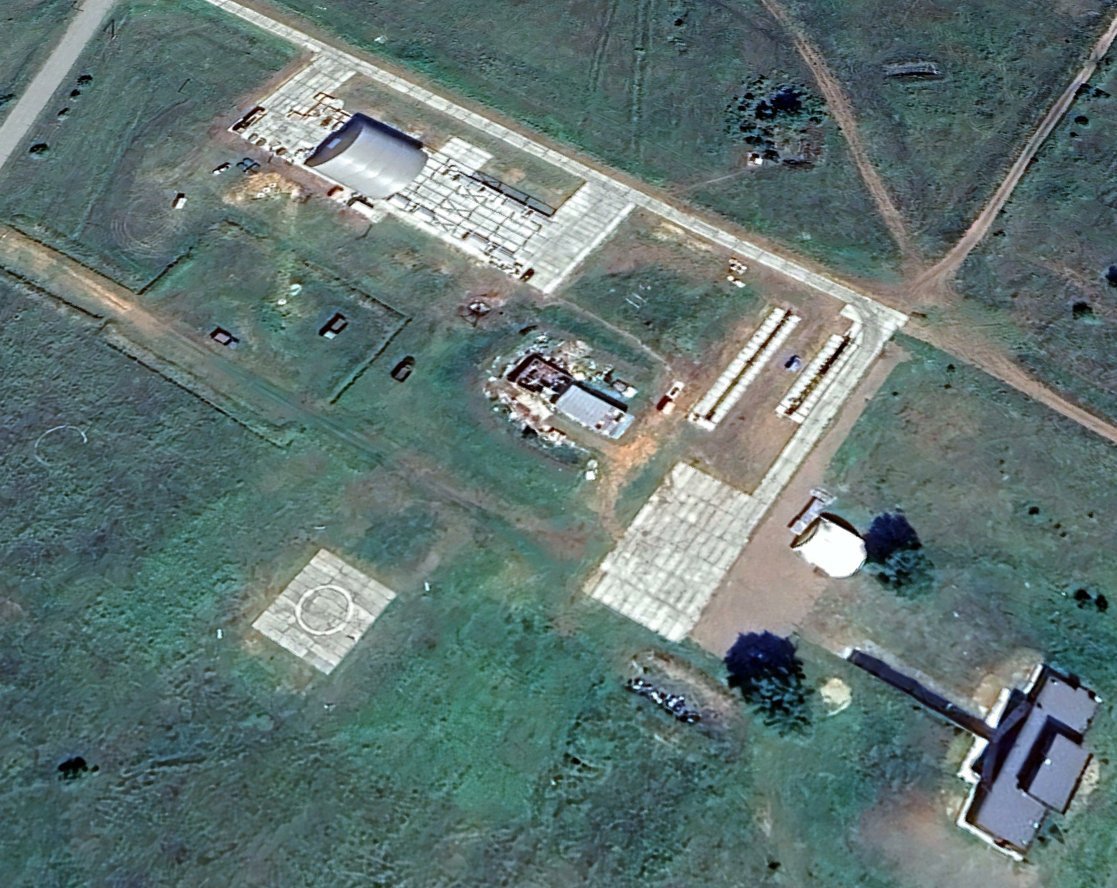
Russia has built a new testing ground for its Iranian-designed Shahed-136 (branded domestically as “Geran-2”) loitering munitions in Orenburg region, close to the Kazakh border, according to satellite imagery analyzed by open-source intelligence researcher kim høvik and published on his X account.
The testing facility is located in the Totsky District of Orenburg region, near the village of Klyuchevoye and highway R224.
Russia is testing newly developed Geran type drones and other drones at this test site in Totsky District, Orenburg region.
— kim høvik (@kimhvik2) January 11, 2026
Google images from 2022 and 2025.
Note: Drone storage and ramp launchers
Location: 52.594543, 52.728405 pic.twitter.com/ecqrN68IWN
Analysis of satellite imagery suggests construction began as early as 2022. The site includes drone storage structures and launch infrastructure, indicating preparations for repeated flight testing of suicide UAVs.
The location is over 1,000 kilometers from the Ukrainian border and is situated just several dozen kilometers from Kazakhstan’s West Kazakhstan Region.
In March 2025, a Geran-2 drone with the tail number “Ы18358” crashed on Kazakh territory. According to local authorities, the drone was discovered in the Taskalinsky District, which borders Russia’s Saratov region.
The UAV reportedly landed in an open field without detonating. There were no signs of structural damage, which led analysts to suggest it may have run out of fuel and glided uncontrollably before descending.
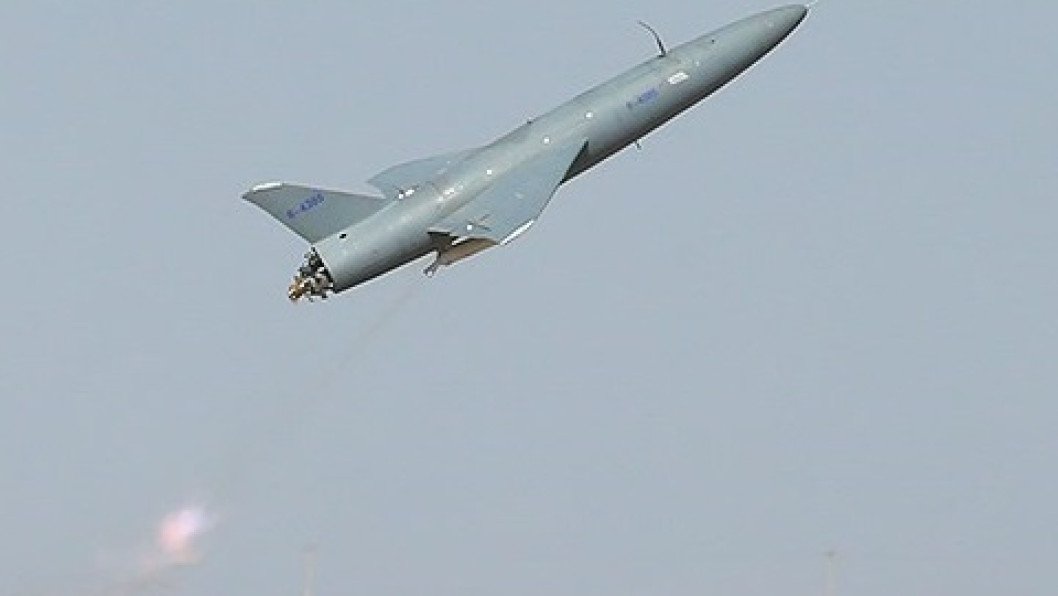
While Russia has conducted Shahed drone operations from occupied Ukrainian territory and various bases inside Russia, the establishment of a new test site far from the Ukrainian border may indicate a shift in training or production logistics.
The choice of Orenburg region for testing—near Kazakhstan but distant from active combat zones—could reflect security considerations as Ukraine increases its long-range strike capabilities. It also positions the testing activities out of reach of Ukrainian drone retaliation.
Earlier, the Molfar Institute reported that Russia had tested Shahed drones abroad—including in Kazakhstan and Türkiye—and equipped them with SIM cards from European countries to transmit telemetry data. Leaked documents from the Alabuga Special Economic Zone revealed that these covert tests were part of a broader strategy to refine drone navigation, enhance strike precision, and evade detection by using foreign mobile networks.
Discuss this article:
-4a56a6b482ec132402c16ef6fcabf9a2.png)



-72b63a4e0c8c475ad81fe3eed3f63729.jpeg "Photo of Cyril Barabaltchouk")