- Category
- Latest news
Russia Develops Coordinated Drone Swarm System Based on Supercam UAVs
 Prefer U24 Media on Google
- Authors


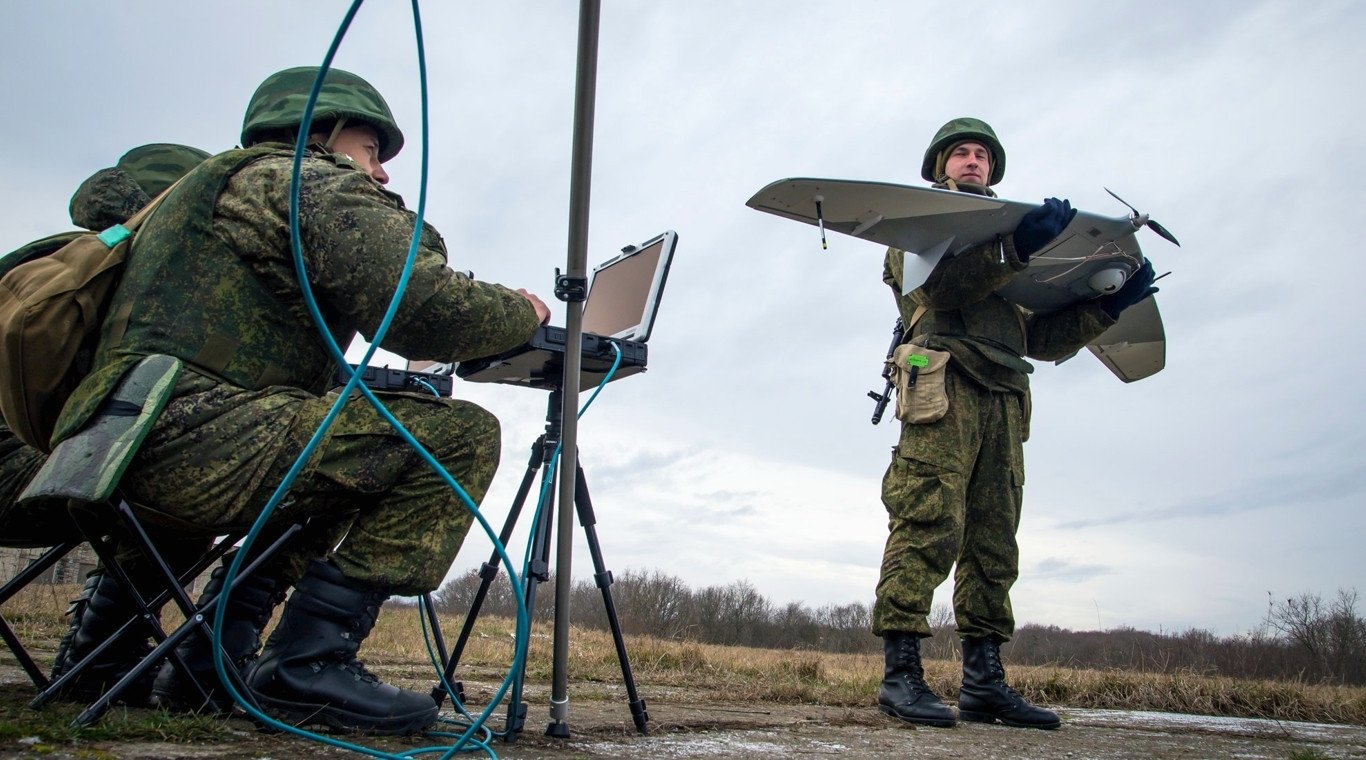
Russia has developed a system enabling coordinated group operations of strike drones based on its Supercam reconnaissance UAV platform, according to a statement released by the state-owned defense corporation Rostec on April 19.
We bring you stories from the ground. Your support keeps our team in the field.
Rostec reported that upgraded versions of the drones are equipped with enhanced data transmission systems, allowing multiple UAVs to automatically exchange information about detected targets within a unified operational network.
Rostec is a Russian state-owned enterprise, the specifications and capabilities of the new systems have not been independently verified.
According to the company, the system has already undergone preliminary field testing. During these trials, groups of drones operated in a patrol mode, scanning designated areas. Once a target was identified, one drone transmitted its coordinates to other UAVs within the group.
Following operator confirmation, the system enables simultaneous strikes by multiple loitering munitions. Rostec stated that under this concept, a single operator could control up to ten attack drones at once.
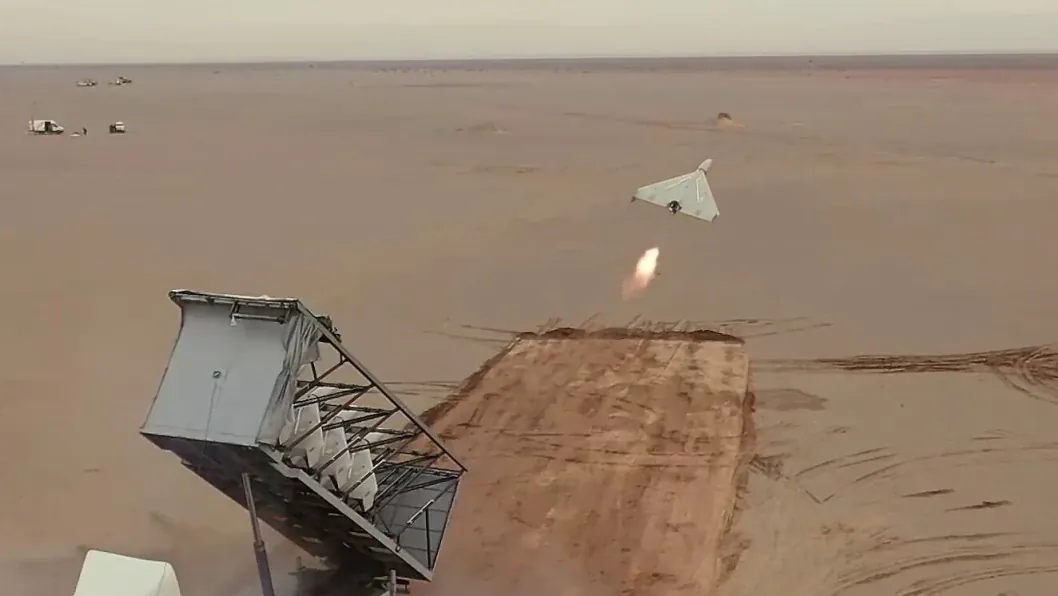
The system is also reported to incorporate neural network-based processing elements designed to support automated target recognition, task allocation among drones, prioritization of attack sequences, and the assignment of a UAV to verify strike results.
According to Rostec, this approach could improve the effectiveness of overcoming air defense systems and enable concentrated strikes against complex targets.
Supercam UAVs are a family of Russian tactical unmanned aerial systems developed by Unmanned Systems Group. The platform is primarily used for reconnaissance, surveillance, and fire correction. The most widely used variant, the Supercam S350, can remain airborne for up to five hours and operate at distances of up to 100–120 kilometers from its control station.
The drones feature a flying-wing configuration, are launched via catapult, and can land either by parachute or conventionally depending on the variant. They are equipped with electro-optical and infrared sensors, enabling operations in both daytime and nighttime conditions.
Earlier, reports indicated that Russia’s “Rassvet” low-Earth orbit satellite system may already provide intermittent battlefield connectivity over Ukraine, with prototype satellites creating short communication windows during orbital passes.
According to previous analysis, even a limited number of satellites could support military communications and drone operations, as Russia moves to develop a domestic alternative to Starlink.
Discuss this article:
-9a7b3a98ed5c506e0b77a6663f5727c5.png)

-efa69d4733b5af9f7cd0a642f85424a6.jpeg "Thick black smoke rises from the heavily damaged Proton-Electrotex plant in Orel, Russia, following a reported strike. (Source: Exilenova+)")