- Category
- Latest news
Russia Goes Back to WWII-Era Planes After Failing to Build a New One
 Prefer U24 Media on Google
- Authors


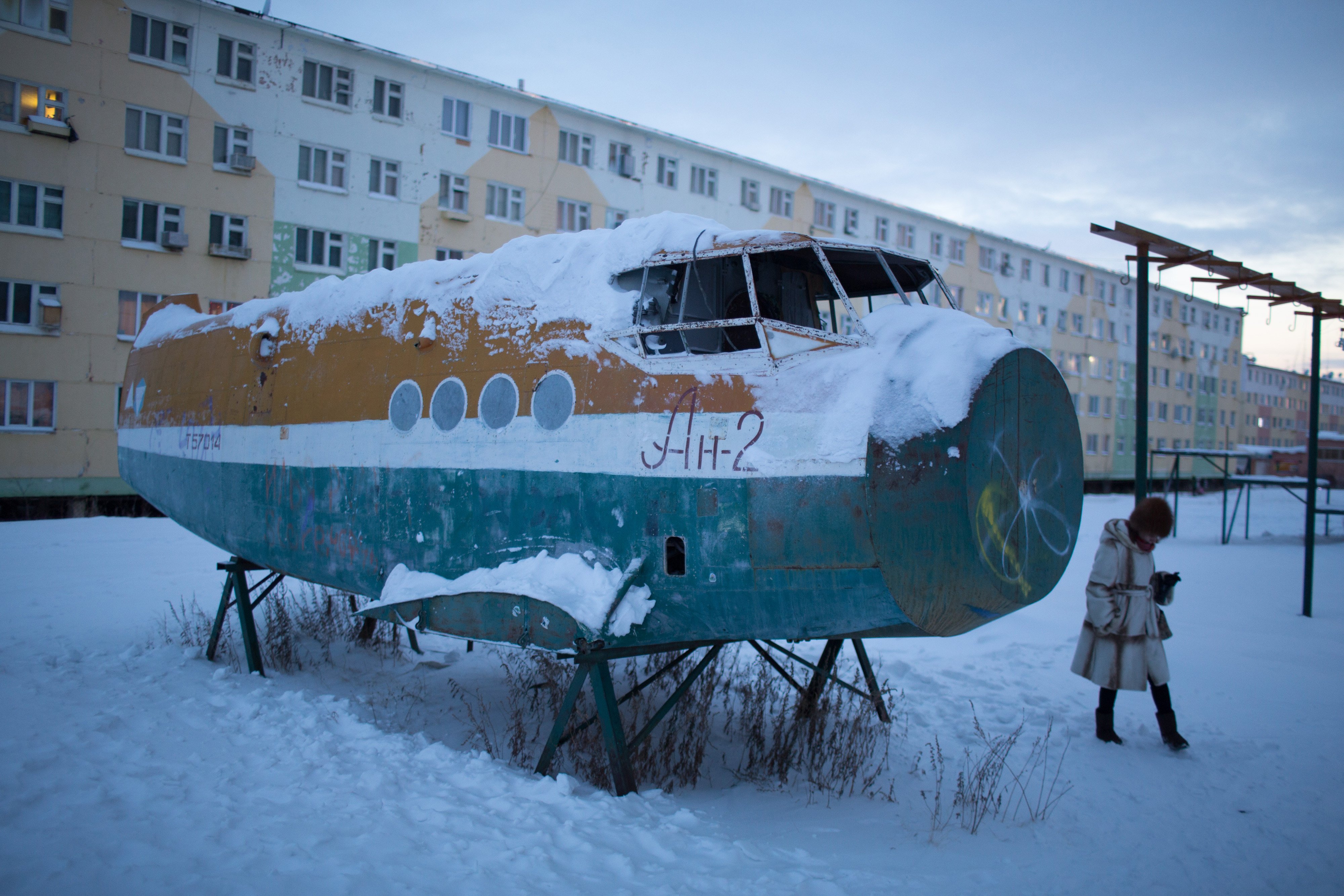
Russia is considering restoring up to 700 Soviet-era An-2 aircraft currently in storage after efforts to develop a modern replacement failed, according to a report by Russian media outlet Kommersant on April 13.
The proposal was put forward by the Siberian Aeronautical Research Institute (SibNIA), which argues that refurbishing and upgrading the aging aircraft could help address a growing shortage of planes on regional routes over the next five to seven years, until new models become available.
We bring you stories from the ground. Your support keeps our team in the field.
According to the institute, the unused An-2 fleet has consumed only about 25–30% of its operational life, and the aircraft do not have a fixed service limit. SibNIA suggests that modernization, including engine replacement and cockpit upgrades, could significantly extend their usability.
Since 2024, Russian authorities have already returned 16 out of 51 stored An-2 aircraft to service, even though those planes had previously been slated for scrapping.
Out of roughly 17,500 aircraft originally produced, more than 14,700 have been written off or destroyed. As of 2025, only 249 An-2 aircraft remain in operation across 62 operators, with another 276 held by Russia’s DOSAAF aviation organization.
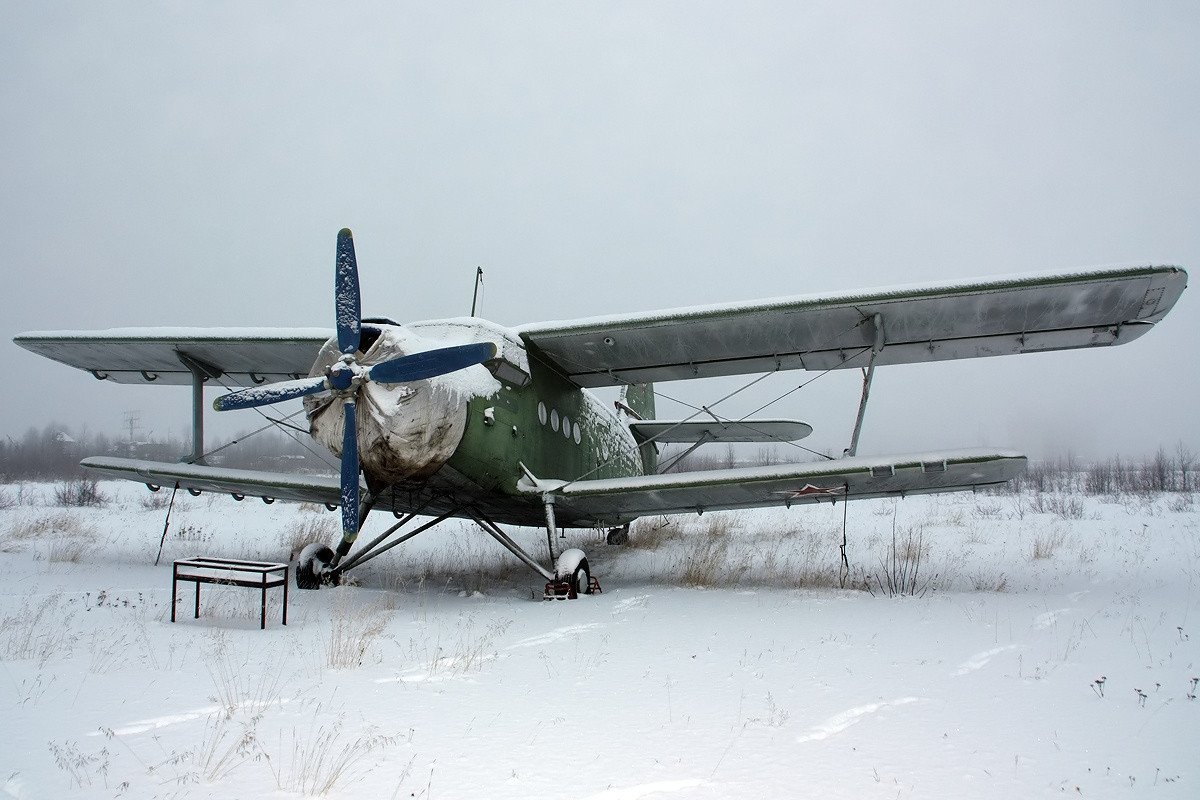
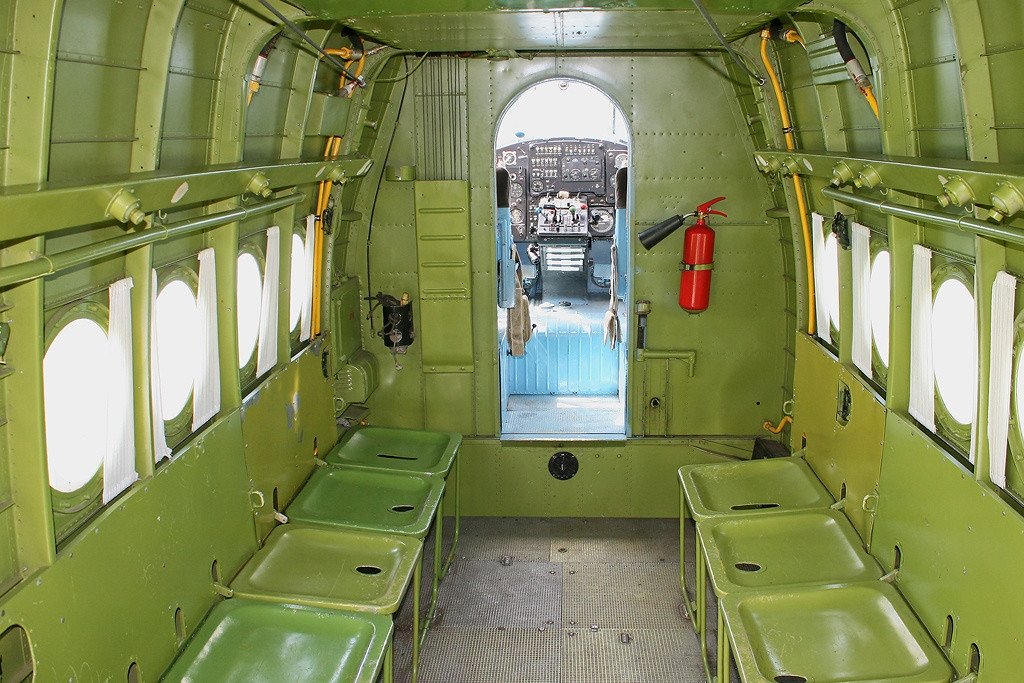
Analysts at SibNIA estimate that the An-2 airframe could remain viable until around 2100, while its original engines may last until 2063. To extend service life, developers have proposed replacing the engines with alternatives such as the Pratt & Whitney PT6A-67B, Honeywell TPE331-12, or the Russian TVD-10B.
Approximately 85% of retired An-2 aircraft are owned by private individuals or companies, according to Pavel Nenastev, head of a Moscow-based DOSAAF aircraft repair facility. He said operators interested in using the planes could finance repairs and upgrades as needed.
The cost of refurbishing a single An-2 in Russia is estimated at between 17 million ($223,000) and 25 million rubles ($328,000), significantly higher than the aircraft’s market value of 3.5 million ($46,000) to 5 million rubles ($65,000). The high cost is largely attributed to the need to source parts through parallel imports.
Overall, restoring the dormant fleet could cost between 14.5 billion ($191 million) and 21 billion rubles ($276 million).
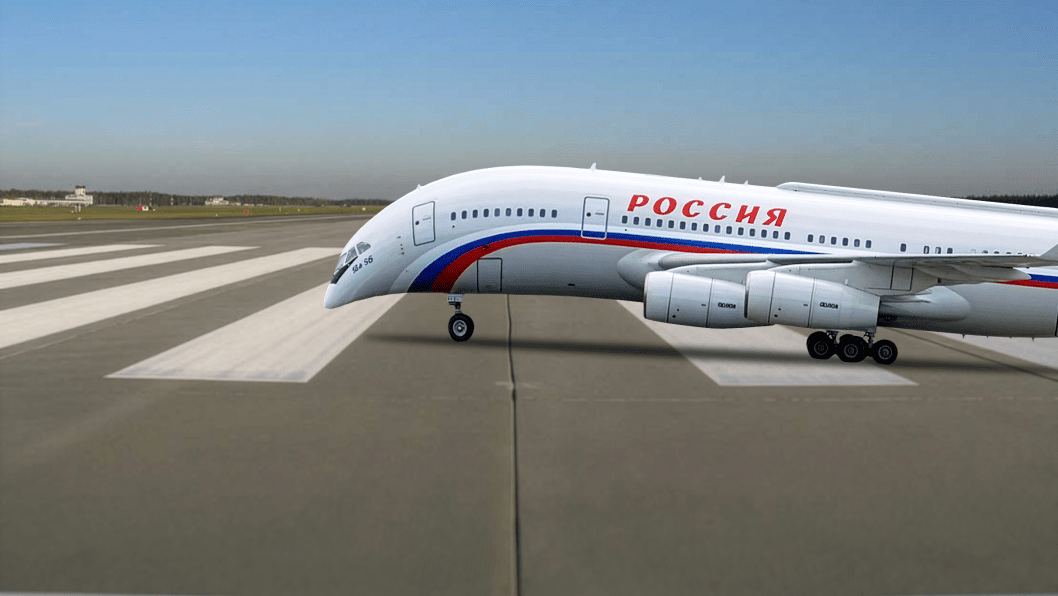
The move comes after delays and setbacks in Russia’s effort to develop a replacement aircraft, the Baikal. The project, launched in 2019, was expected to enter serial production by 2024, with each aircraft priced at around 280 million rubles ($3,6 million).
However, in May 2025, a senior Russian official said the project had reached a dead end despite receiving 3.5 billion rubles in funding ($46 million). According to sources cited by Kommersant, designers made “dramatic errors” that would require the aircraft to be essentially rebuilt from scratch.
Earlier, a Boeing 757 operated by Russian airline Azur Air was forced to make an emergency landing in Hanoi after one of its engines failed mid-flight.
This incident marked the fourth in-flight malfunction involving Russian-operated aircraft within a week.
Discuss this article:



-c439b7bd9030ecf9d5a4287dc361ba31.jpg "Photo of Katherina Popilnichenko")