- Category
- Latest news
Russia Brings Back Cold War-Era Jets as New Aircraft Program Stalls
 Prefer U24 Media on Google
- Authors



Russia’s civil aviation sector is turning to stored aircraft from previous decades to maintain passenger capacity amid a continued shortfall in new domestically produced airliners, Izvestia reported on January 19, citing state corporation Rostec.
According to the report, twelve previously mothballed aircraft—including nine Tupolev Tu‑204 and Tu‑214 models, one Antonov An‑148, and two Ilyushin Il‑96 jets—are being restored for commercial service.
The reactivation process began in 2022, and as of early 2026, ten of the aircraft have reportedly returned to operational status. Among the receiving carriers is Red Wings, which has operated older Tu‑204 aircraft in recent years.
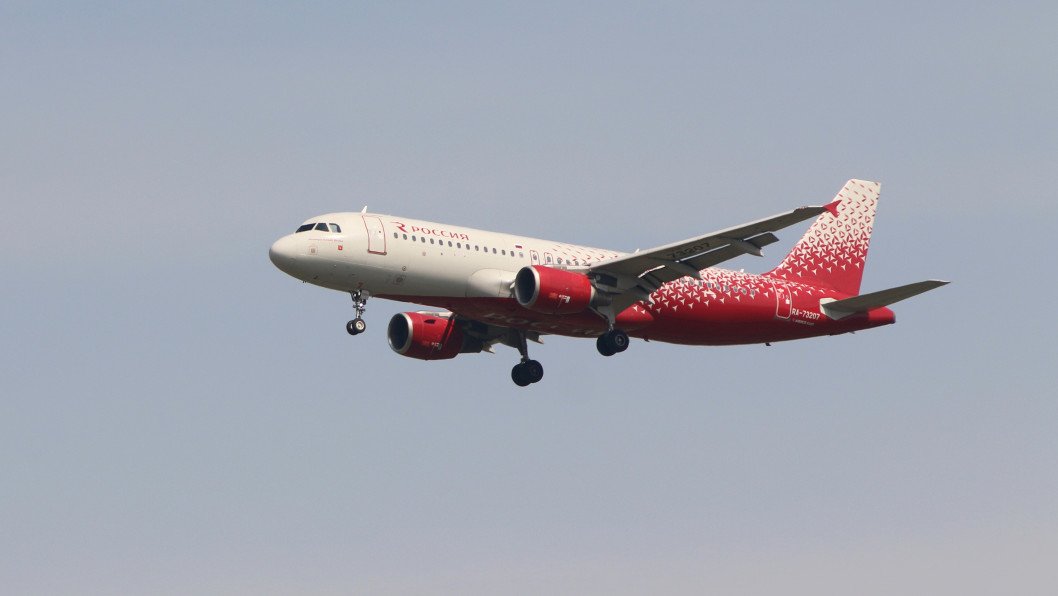
In addition to these Russian-made planes, carriers are also reviving foreign-built airliners. The airline Rossiya is reportedly increasing its fleet of Boeing 747s, reintroducing aircraft previously acquired from the now-defunct Transaero.
By late 2025, a third 24-year-old Boeing 747 had been restored, and a fourth is expected to reenter service by 2027. According to Izvestia, citing unnamed airline sources, maintenance work on these foreign jets may be conducted in countries considered “friendly” to Russia, including Iran.
As of October 2025, Russia’s Federal Air Transport Agency (Rosaviatsiya) recorded 1,088 active aircraft in service with major airlines, out of a total fleet of 1,135. Approximately 67% of these were foreign-made.
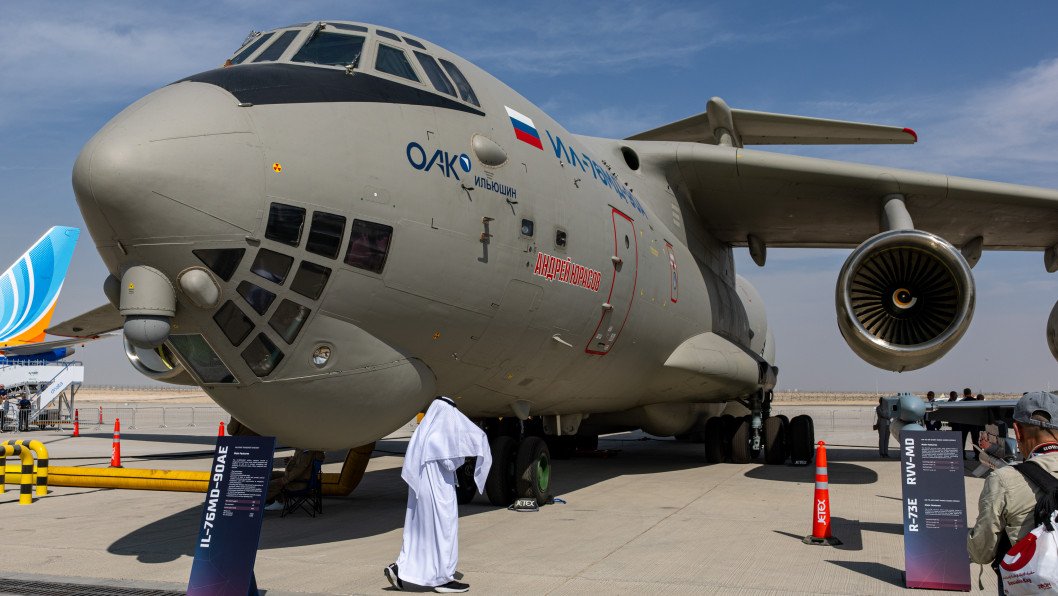
Aviation analyst Andrei Patrakov, founder of the RunAvia safety platform, told Izvestia that reactivating older aircraft is a stopgap measure aimed at mitigating equipment shortages.
Following a reduction in available aircraft, average seat occupancy reportedly exceeded 96% during peak travel months in 2024, with an annual average of 75%. Passenger numbers dipped slightly in 2025, which Patrakov attributes to reduced fleet availability rather than declining demand.
Forecasts from Rosaviatsiya indicate further fleet attrition. Agency head Dmitry Yadrov previously warned that by 2030, Russian airlines could lose as many as 230 domestic aircraft and 109 foreign-made planes due to age and lack of parts. Industry experts note that airlines are currently operating nearly all functional aircraft, with around 2–3% of the fleet being retired annually.
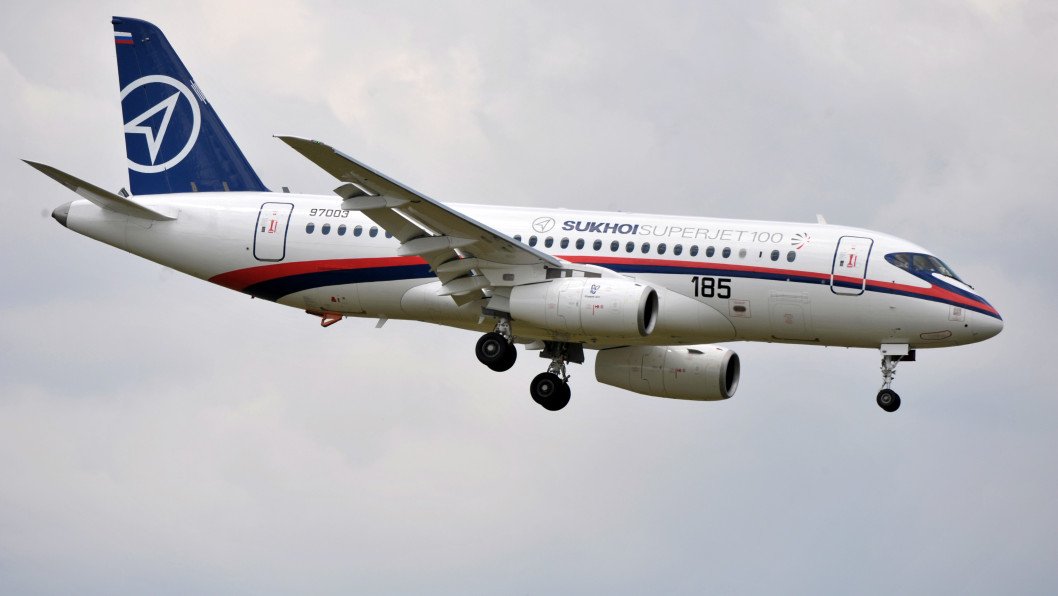
Russia’s government launched an accelerated program in 2022 to replace Western aircraft with domestically manufactured models. The plan, covering 2023 to 2025, aimed to deliver 127 aircraft, including Sukhoi Superjet 100s, Ilyushin Il‑114s, and Tupolev Tu‑214s.
However only 13 new aircraft entered service during that period—12 Superjets and one Tu‑214. The Tu‑214 has not been deployed for commercial use and is reportedly assigned to Deputy Prime Minister Denis Manturov.
Earlier, internal documents obtained by UNITED24 Media revealed that Russia is struggling to maintain the airworthiness of its top government aircraft, including presidential jets. A report covering the third quarter of 2025 documented 319 technical failures—55 of them in flight—on aircraft operated by the Special Flight Detachment “Russia.”
Discuss this article:
-4a56a6b482ec132402c16ef6fcabf9a2.png)


-c439b7bd9030ecf9d5a4287dc361ba31.jpg "Photo of Katherina Popilnichenko")