- Category
- Latest news
Russia Delivers Just 1 of 15 Planned Jets in 2025 as Sanctions Cripple Aviation Industry
 Prefer U24 Media on Google
- Authors


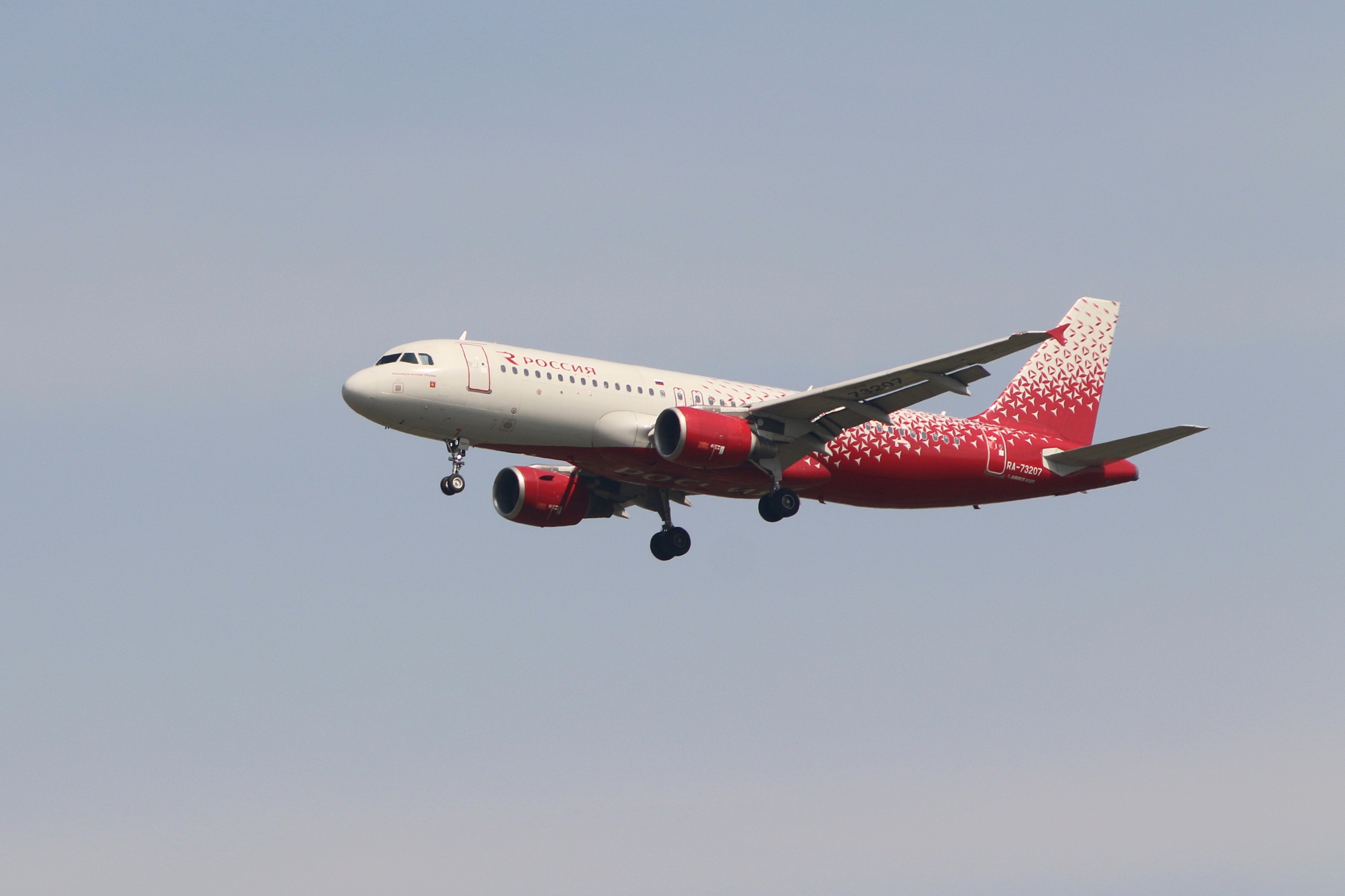
Russia’s aircraft manufacturers have delivered just one of 15 planned commercial jets so far this year, as sanctions on foreign components stall production and high interest rates deter investment, according Reuters on August 8, citing Swiss aviation intelligence provider ch-aviation.
Since the February 2022 invasion of Ukraine, Western sanctions have blocked Russia’s access to foreign-made aircraft and spare parts. With a fleet of over 700 planes—mostly Airbus and Boeing models—Russian airlines now depend on complex, indirect import routes to source critical components.
“There is no component base, no technology, no production facilities, no engineers,” said one Russian aviation industry source, speaking on condition of anonymity. “To create all this from scratch takes years, if not decades.”
According to Reuters, Russia’s vast geography makes it heavily reliant on commercial aviation to transport passengers and cargo across 11 time zones. Recent incidents have underscored safety concerns: in late July, a Soviet-era Antonov An-24, built in 1976, crashed in the Far East, killing all 48 people on board. Days later, Aeroflot grounded dozens of flights after a major cyberattack.
-e4ae7d0c8eb24d9d226d7c40efa811d8.jpg)
The aviation industry’s struggles mirror a wider industrial slowdown. Russia’s factory output in July contracted at its fastest pace since March 2022, according to Purchasing Managers’ Index data. Officials and businesses cite high interest rates as a key factor—curbing car production, triggering coal sector bankruptcies, slowing commodity exports, and pushing aircraft manufacturing further off target.
“Industry is being hit faster and harder by tight monetary policy,” said Dmitry Polevoy, head of investment at Astra Asset Management, warning that the sector was on the brink of recession.
In 2021, Russia added 52 commercial aircraft to its fleet—including 27 from Airbus, three from Boeing, and 22 Sukhoi Superjets built with imported parts—for carriers such as Aeroflot, S7, Red Wings, Rossiya, and Ural Airlines. Since then, only 13 new planes have been added: 12 Superjets and one Tupolev Tu-214, used by First Deputy Prime Minister Denis Manturov, according to Reuters, citing Russian media reports.
The government has repeatedly cut production goals. In mid-2024, it reduced its 2024–2025 delivery target from 171 to 21 aircraft. Last month, officials said the targets would be lowered again, citing financing challenges.
State conglomerate Rostec, responsible for the Superjet-100, Tupolev Tu-214, Ilyushin passenger planes, and the Yakovlev MC-21, has struggled to meet deadlines. Rostec CEO Sergei Chemezov told Reuters last year that Russia would build its own passenger planes, but delivery dates have repeatedly slipped.
The MC-21, made entirely with Russian parts, is heavier than its previous version built with imported components, reducing range and fuel efficiency—a drawback that has made airlines hesitant to adopt it, the industry source said.
On August 5, Chemezov informed Prime Minister Mikhail Mishustin that serial production of the MC-21, SJ-100, and IL-114 jets would now begin in 2026—two years later than planned.
Earlier, it was reported that Russia’s bid to quietly lease passenger aircraft from Ethiopia has collapsed after the country’s Civil Aviation Authority rejected a request from a Russian delegation—delivering another setback to Moscow’s sanction-hit aviation sector.
Discuss this article:



-c439b7bd9030ecf9d5a4287dc361ba31.jpg "Photo of Katherina Popilnichenko")