- Category
- Latest news
Is China Quietly Testing Nuclear Weapons Despite the Global Ban?
 Prefer U24 Media on Google
- Authors


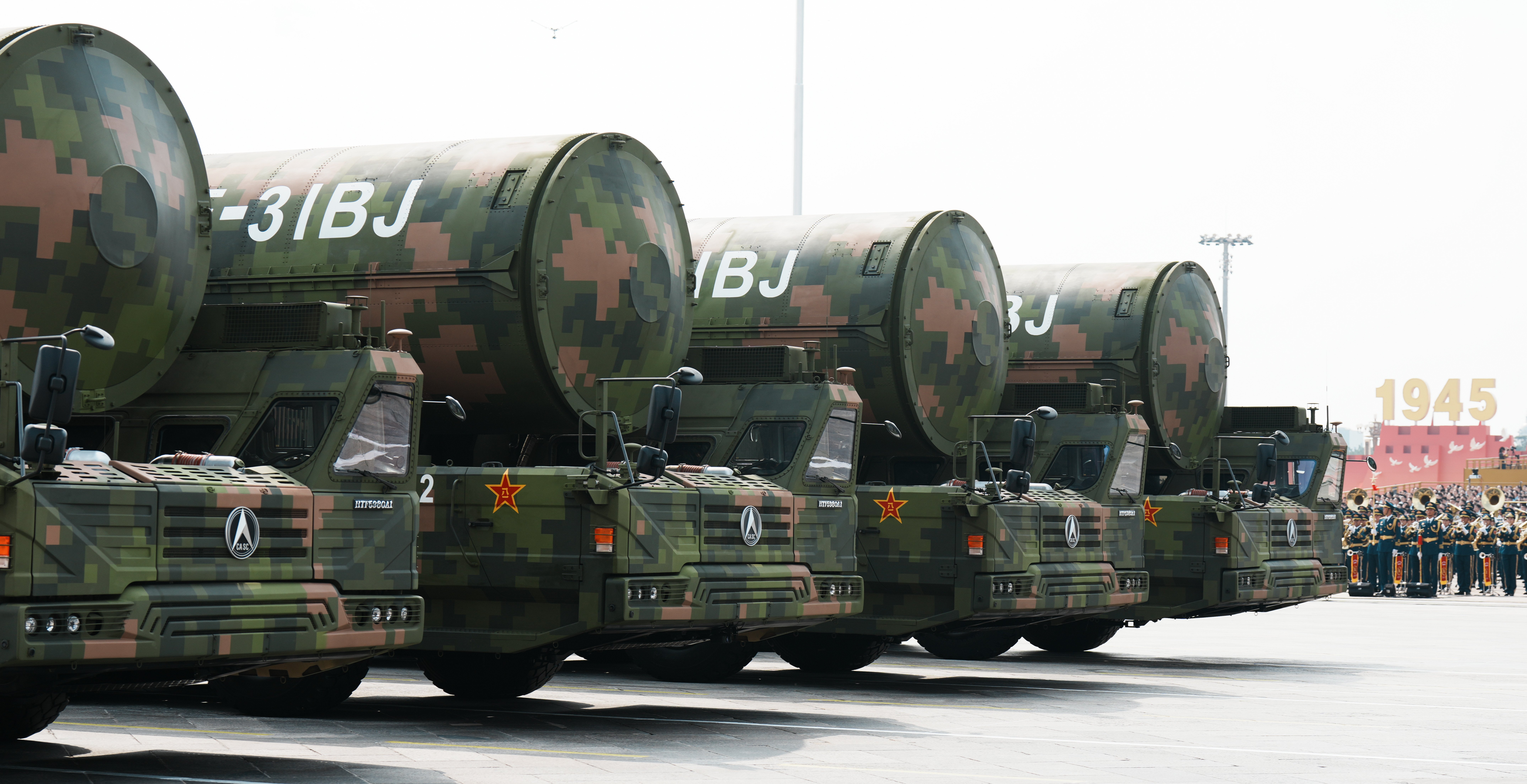
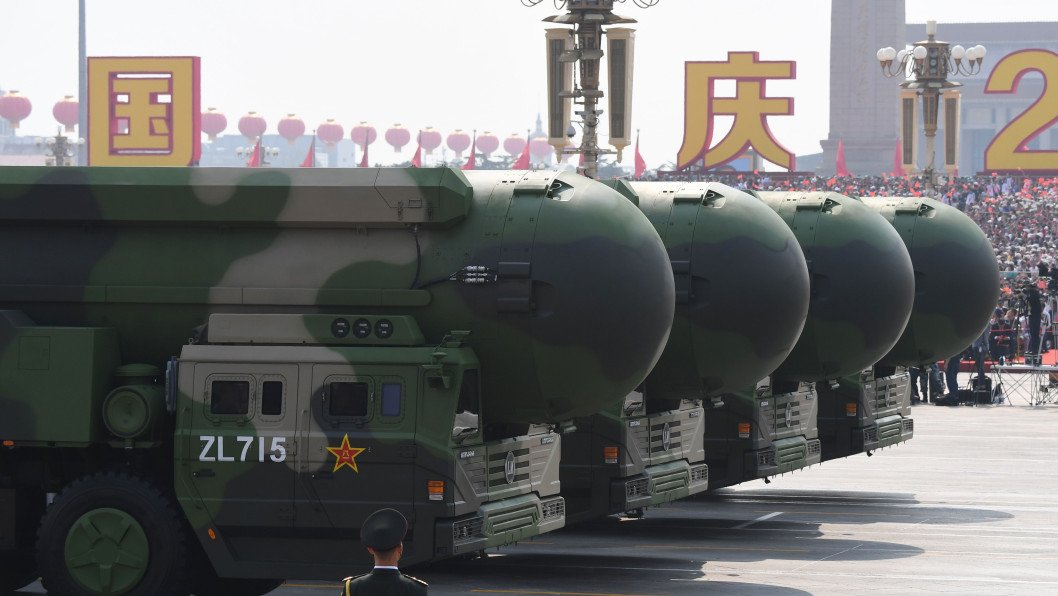
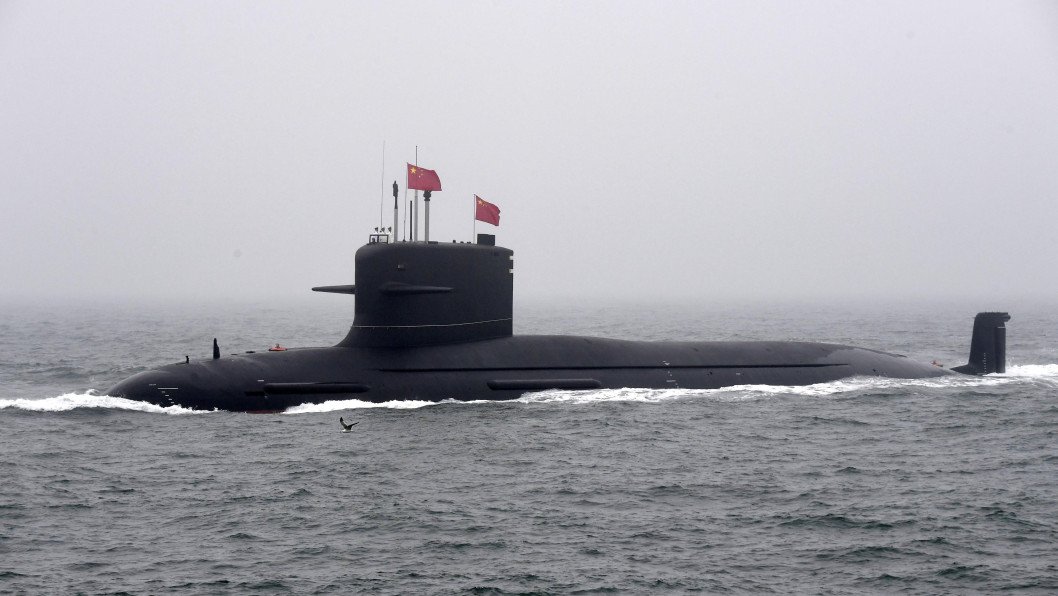
The United States has accused China of carrying out covert nuclear explosive tests at the Lop Nur nuclear test site despite the global ban on such activities.
US officials say the explosions were deliberately designed to evade international monitoring systems, raising concerns among Western policymakers about the scale and purpose of China’s expanding nuclear arsenal.
We bring you stories from the ground. Your support keeps our team in the field.
According to The Washington Post on March 9, US intelligence agencies believe China conducted a series of very-low-yield nuclear explosive tests in recent years at its Lop Nur facility in western China.
American officials say the tests were designed to produce limited seismic signals, making them difficult for international monitoring systems to classify as nuclear detonations.
Thomas DiNanno, US undersecretary of state for arms control and international security, said during a speech in Geneva on Feb. 6 that “China has conducted nuclear explosive tests … with designated yields in the hundreds of tons. The [People’s Liberation Army] sought to conceal testing by obfuscating the nuclear explosions. … China has used decoupling—a method to decrease the effectiveness of seismic monitoring—to hide their activities from the world.”
According to The Washington Post, assistant secretary of state for arms control and nonproliferation Christopher Yeaw later provided additional details about one suspected test that occurred near the Lop Nur site on June 22, 2020.
“The probable explosion occurred right near the Lop Nur nuclear test site,” Yeaw said, adding that the seismic event registered a magnitude of 2.75. “The test was supercritical, that it was yield-producing, is pretty obvious from the seismic graphs.”
According to The Washington Post, the Comprehensive Nuclear-Test-Ban Treaty Organization’s monitoring network detected two small seismic events on that day approximately 12 seconds apart. However, the organization noted that its system cannot definitively identify nuclear explosions with yields below roughly 500 tons of TNT equivalent.
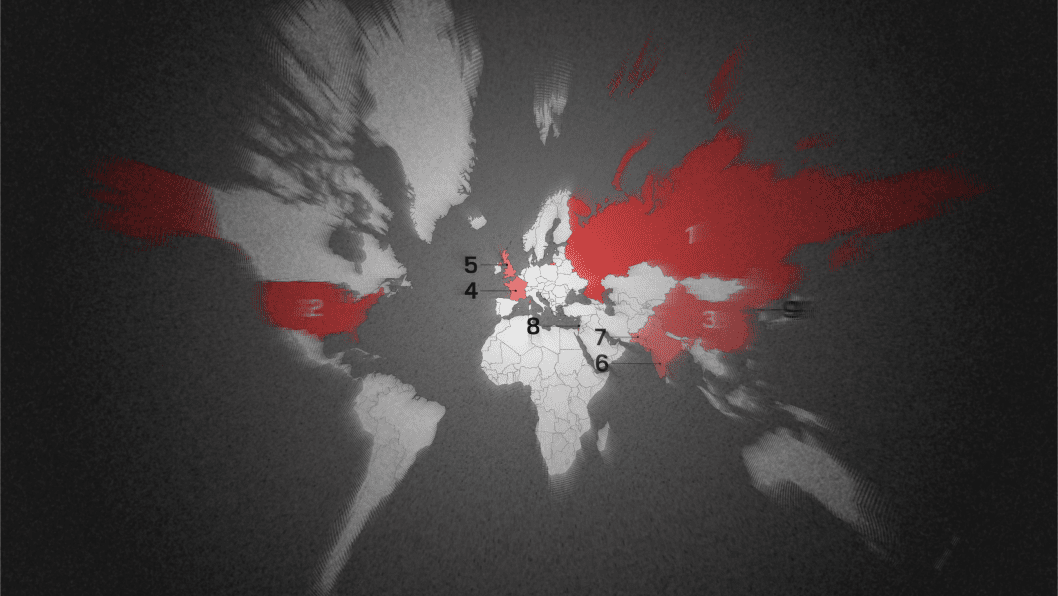
US officials believe China may have used a technique known as “decoupling,” which involves detonating a nuclear device inside a large underground cavity. The method significantly reduces the seismic signature of the explosion, making it harder for monitoring networks to determine whether the event was nuclear.
According to The Washington Post, US intelligence assessments indicate the suspected explosions produced yields in the hundreds of tons, far smaller than traditional nuclear weapons tests but still sufficient for certain weapons development experiments.
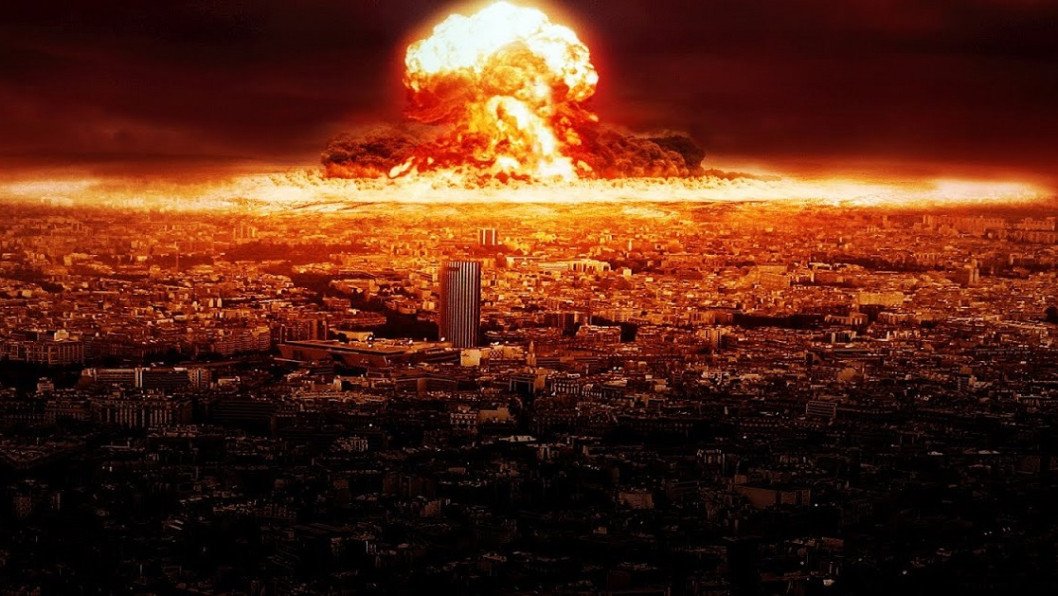
China has denied conducting nuclear tests and has called on the United States not to resume its own nuclear testing program.
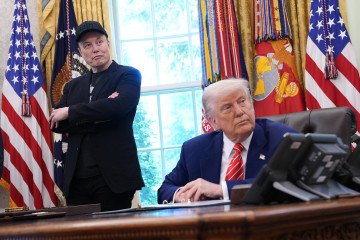
According to The Washington Post, the accusations gained renewed attention after US President Donald Trump announced in October 2025 that Washington might resume nuclear testing “on an equal basis” with China and Russia, arguing that the United States should not restrain itself if its competitors are continuing to test weapons.
Earlier, US Air Force F-16 fighter jets and aircraft from China’s People’s Liberation Army briefly confronted each other over the Yellow Sea during routine US training flights near the overlapping air defense identification zones of China and South Korea.
Discuss this article:
-4a56a6b482ec132402c16ef6fcabf9a2.png)

-c439b7bd9030ecf9d5a4287dc361ba31.jpg "Photo of Katherina Popilnichenko")