- Category
- Latest news
Russia Plans to Hire Teenagers for High Risk Industrial Jobs
 Prefer U24 Media on Google
- Authors

-c439b7bd9030ecf9d5a4287dc361ba31.jpg "Photo of Katherina Popilnichenko")
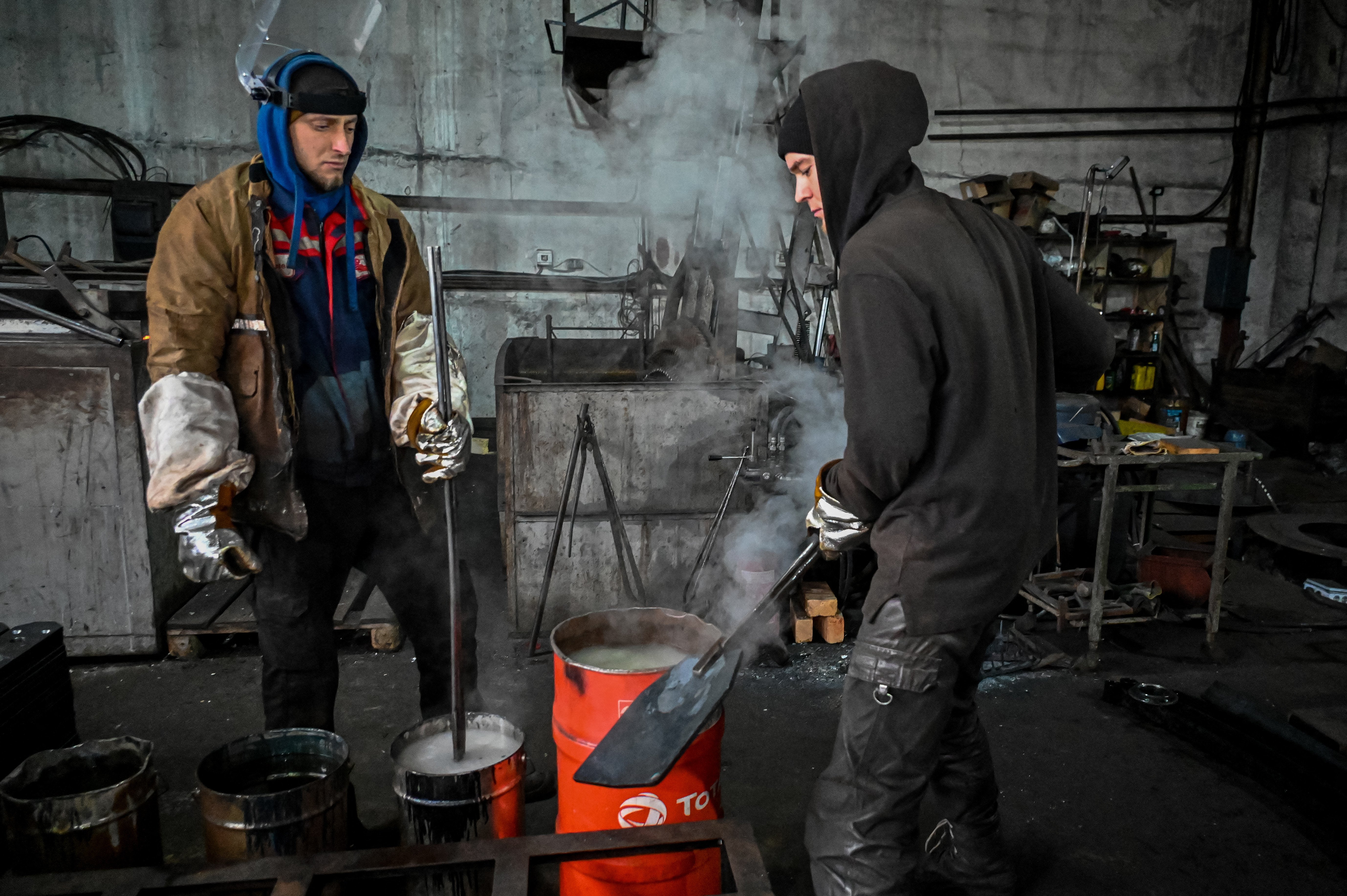
Russian officials are planning to change the laws to allow teenagers to work at industrial sites that were previously considered dangerous. The government says this is needed to help young people start their careers early, according to TASS on February 26.
We bring you stories from the ground. Your support keeps our team in the field.
New rules are expected to begin in the summer of 2026. A Russian official, Yaroslav Nilov, said that many students can study for these jobs and do internships, but they cannot actually be hired because of safety laws.
“I want to emphasize, we are not talking about harmful working conditions. We are talking about those working conditions that were dangerous 20 years ago, but the situation has changed: today it is safer to be there than on the street,” Nilov said.
Reports suggest these changes are a response to a massive labor shortage. This shortage has worsened during Russia’s full-scale invasion of Ukraine. It is still not clear how the government will decide which workplaces are now safe enough for children.
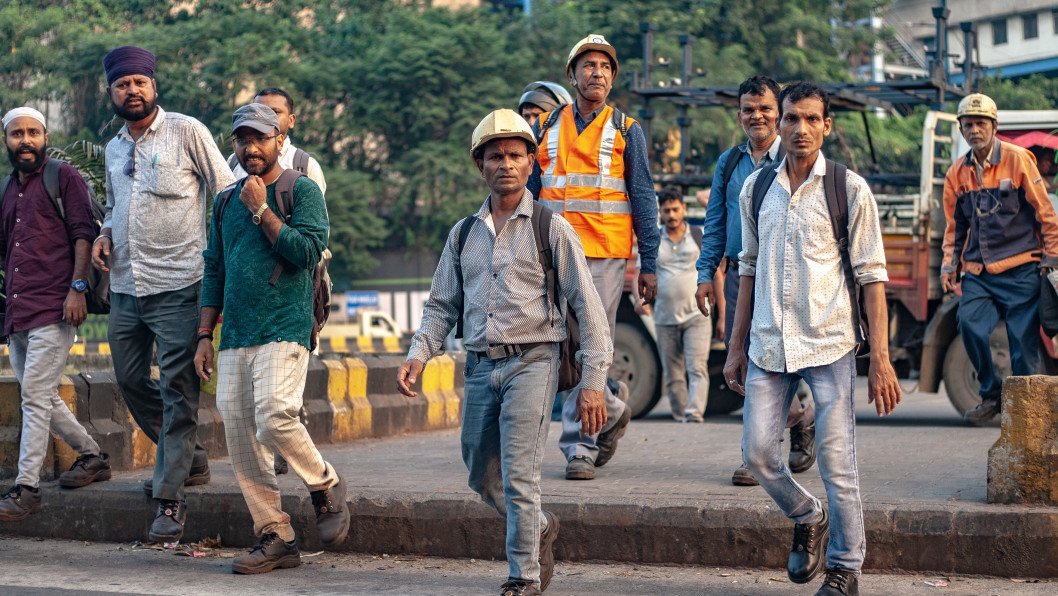
The Foreign Intelligence Service of Ukraine recently reported that the worker shortage is hitting every part of the Russian economy. “In the Far East, there is a shortage of even janitors. Employers are forced to offer significantly higher salaries and additional bonuses to attract workers”.
“The official unemployment rate in Russia is only 2.2%, while there are about 1.7 million open vacancies. The government admits that by 2030, the economy will need to attract up to 12 million additional workers,” the service stated.
Earlier, Russia’s defense-industrial base experienced its most severe crisis since the collapse of the Soviet Union, as the pressures of sustaining military production exposed fundamental weaknesses across the sector.
Major manufacturers like Uralvagonzavod and United Aircraft Corporation struggled with mounting debt and disrupted supply chains, while Western sanctions caused the price of imported components to skyrocket by tens or even hundreds of times.
Domestic attempts to substitute critical parts failed to meet operational needs, and the government’s failure to pay contractors on time effectively froze the finances of key plants.
Discuss this article: