- Category
- Latest news
Russia Revives Cold War “Red Mercury” Nuclear Hoax in Syria to Blame Ukraine, Intelligence Says
 Prefer U24 Media on Google
- Authors


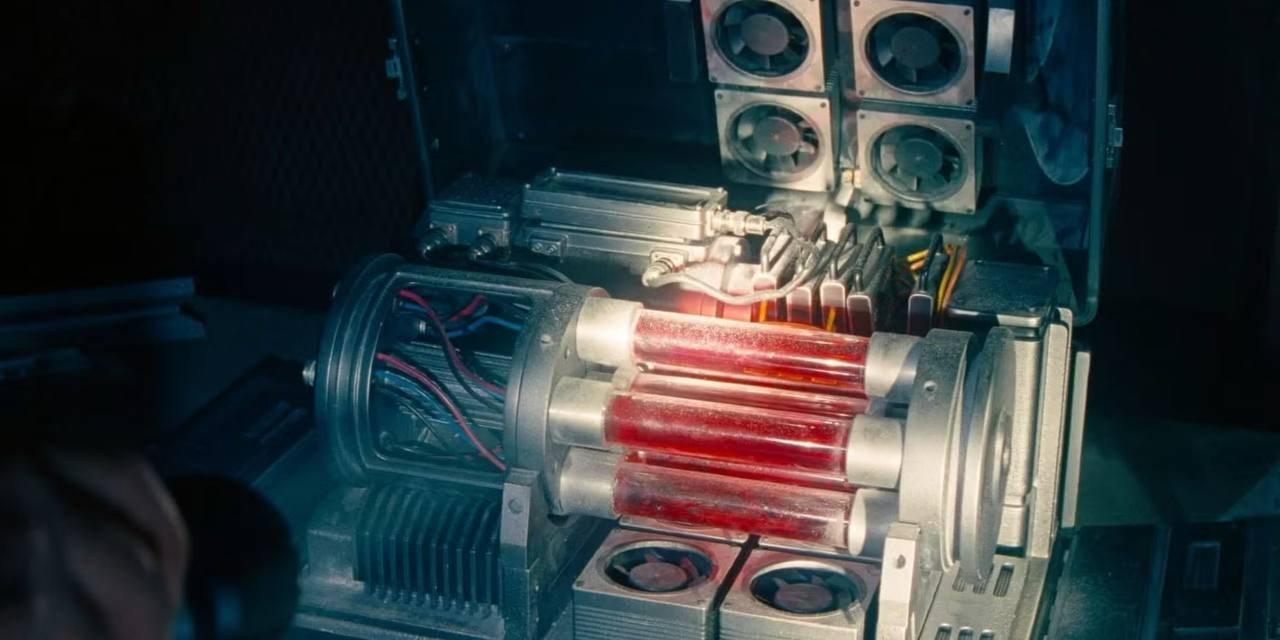
Ukraine’s Defense Intelligence (HUR) has exposed a new information operation by Russian security services aimed at discrediting Ukraine and spreading false nuclear-related narratives in the Middle East. The operation revives a Cold War-era fabrication known as “red mercury.”
According to a statement posted by Ukraine’s military intelligence on July 12, Russian agents are circulating a so-called “black box” on Syria’s illicit arms market, allegedly containing two capsules marked with the inscriptions “PU.9424 U” and “HG25 P307 9,99 U92.”
The labeling is designed to suggest the presence of plutonium and mercury, hinting at nuclear materials.
Intelligence officials describe this as a renewed attempt to legitimize the myth of “red mercury,” a fictional substance originally invented by Soviet-era operatives in the 1980s and 1990s as part of a disinformation campaign targeting foreign intelligence agencies.
The substance was purported to be a critical component for building nuclear or radiological weapons—despite having no scientific basis or known composition.
HUR reports that in addition to the capsules, Russian operatives are offering ten additional vials allegedly containing “toxic gases.” In reality, these are said to be outdated chemical reconnaissance reagents previously used in Soviet-era detection equipment.

Ukraine’s intelligence services claim that similar items were already used in prior Russian information operations designed to implicate Ukraine in illegal arms trafficking.
Russian actors are reportedly attempting to link the supposed sale of these items to “corrupt officials in Ukraine’s Ministry of Defense,” presenting the materials as components for a makeshift nuclear weapon.
Ukrainian officials assert that this narrative is entirely fabricated and is part of a broader strategy to destabilize the region and undermine international support for Ukraine.
“Russia continues to operate according to disinformation templates inherited from the Soviet period,” said Andriy Yusov, spokesperson for Ukraine’s Defense Intelligence.
“These narratives are intended to erode trust, fuel conspiracy theories, and spread instability, particularly in Syria, where Russia maintains strategic interests.”
Ukraine’s intelligence agency says it is taking all necessary steps to counter such hybrid threats, including through cooperation with international partners and targeted information responses.
Discuss this article:



-c439b7bd9030ecf9d5a4287dc361ba31.jpg "Photo of Katherina Popilnichenko")