- Category
- Latest news
Russia Revives “Frankenstein” Tank With Soviet-Era Chassis and Mortar Turret
 Prefer U24 Media on Google
- Authors


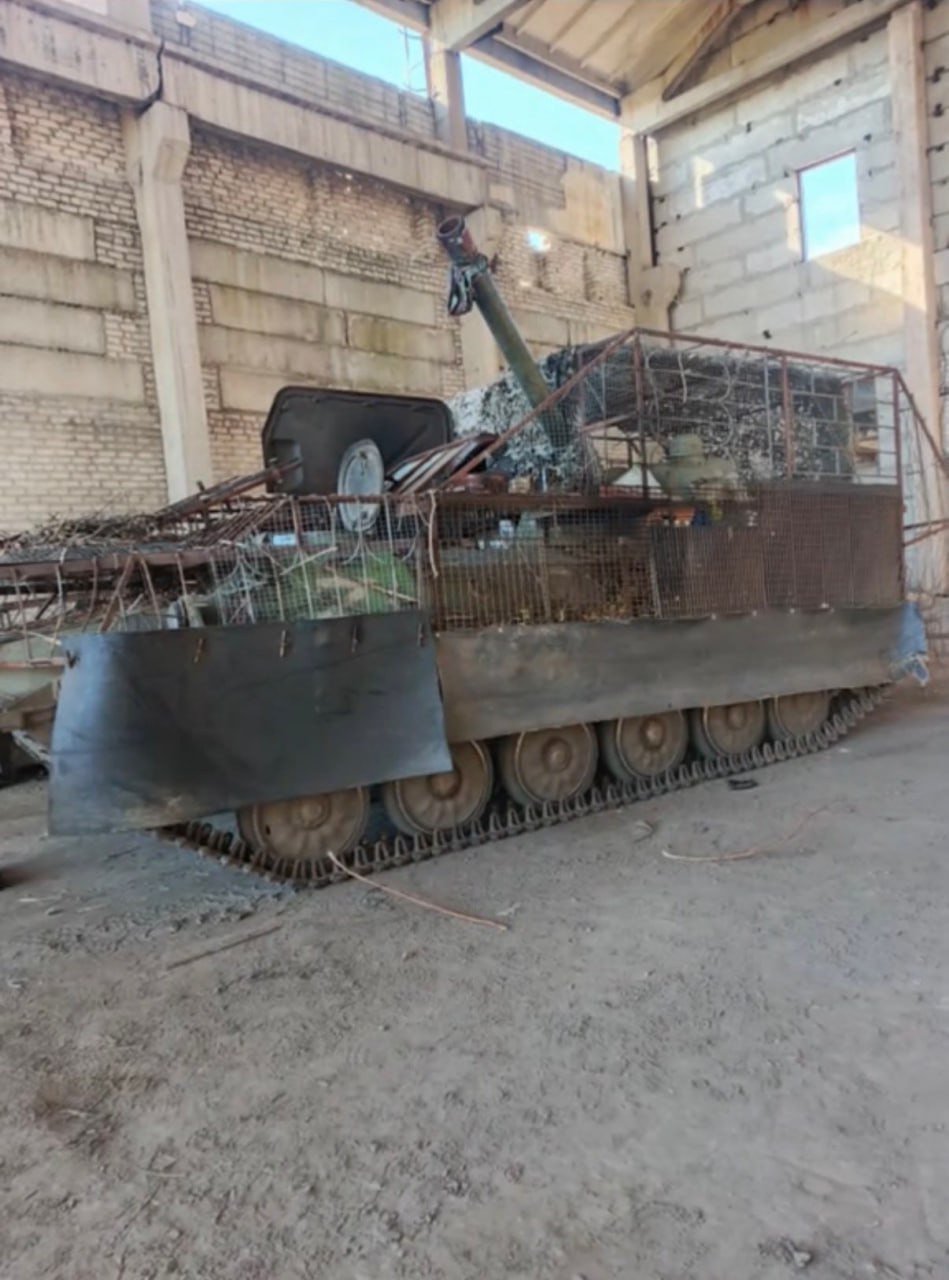
Russia has resumed fielding an improvised armored vehicle that mounts a 2S9 Nona-S turret on an MT-LB chassis, according to BTVT.INFO via Telegram on December 4.
The hybrid system, previously observed earlier in the full-scale invasion of Ukraine, is reportedly returning to combat formations in 2025 amid continued efforts to repurpose aging or damaged equipment.
The latest image shared by BTVT.INFO shows a modified MT-LB—a Soviet-era multipurpose tracked vehicle—fitted with the 2S9 Nona-S turret, a self-propelled mortar originally mounted on the BTR-D chassis.
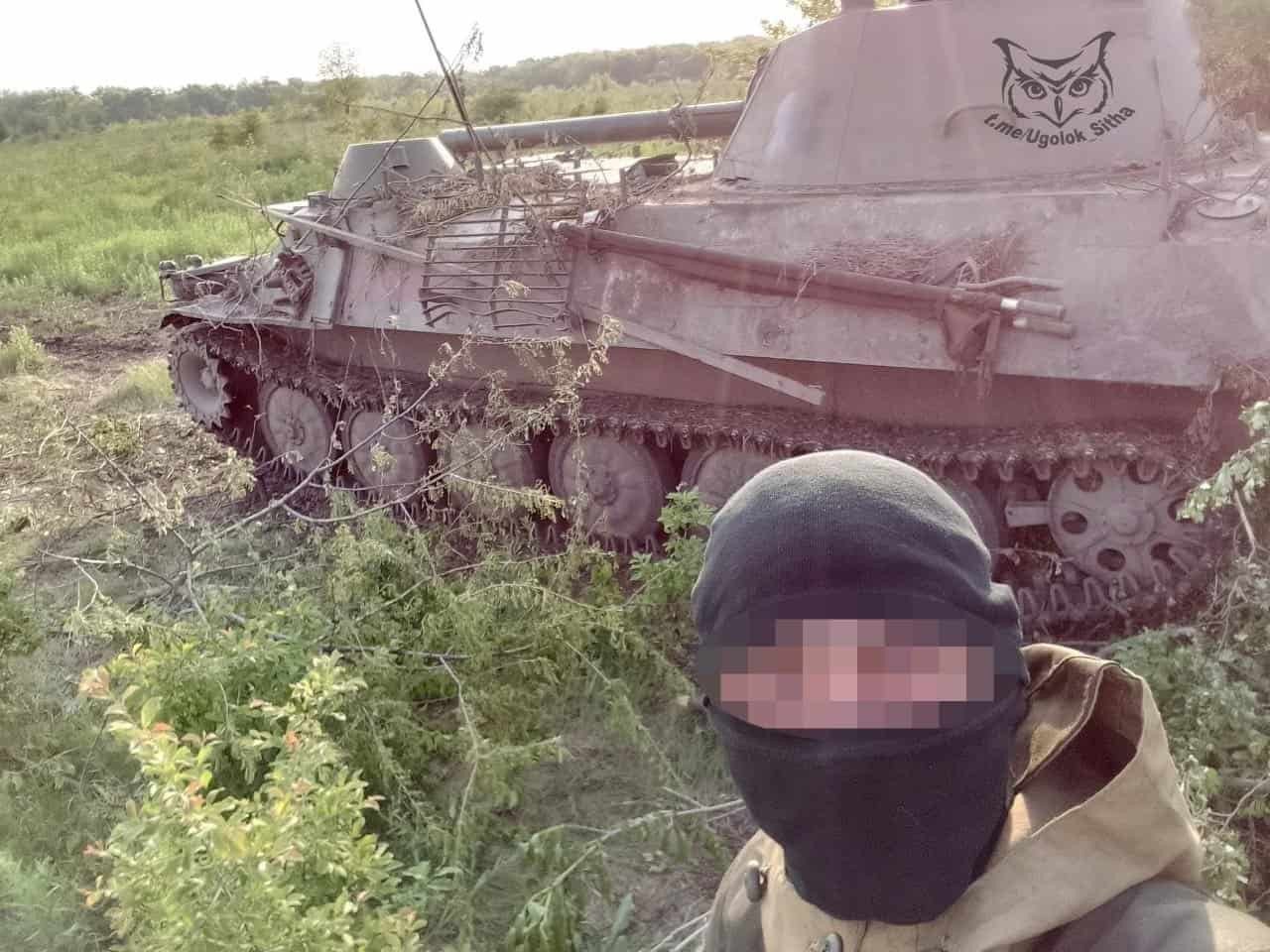
The original platform may have been withdrawn from service due to mobility issues caused by long-term use, prompting this adaptation.
The 2S9 Nona-S turret carries a 120 mm 2A51 gun-mortar capable of indirect fire as well as direct fire engagements. It has an effective range of up to 7 kilometers with standard shells and 13 kilometers with rocket-assisted rounds.
The system also supports the 3BK19 high-explosive anti-tank (HEAT) round, which can penetrate up to 600 mm of armor at distances of approximately 1 kilometer.
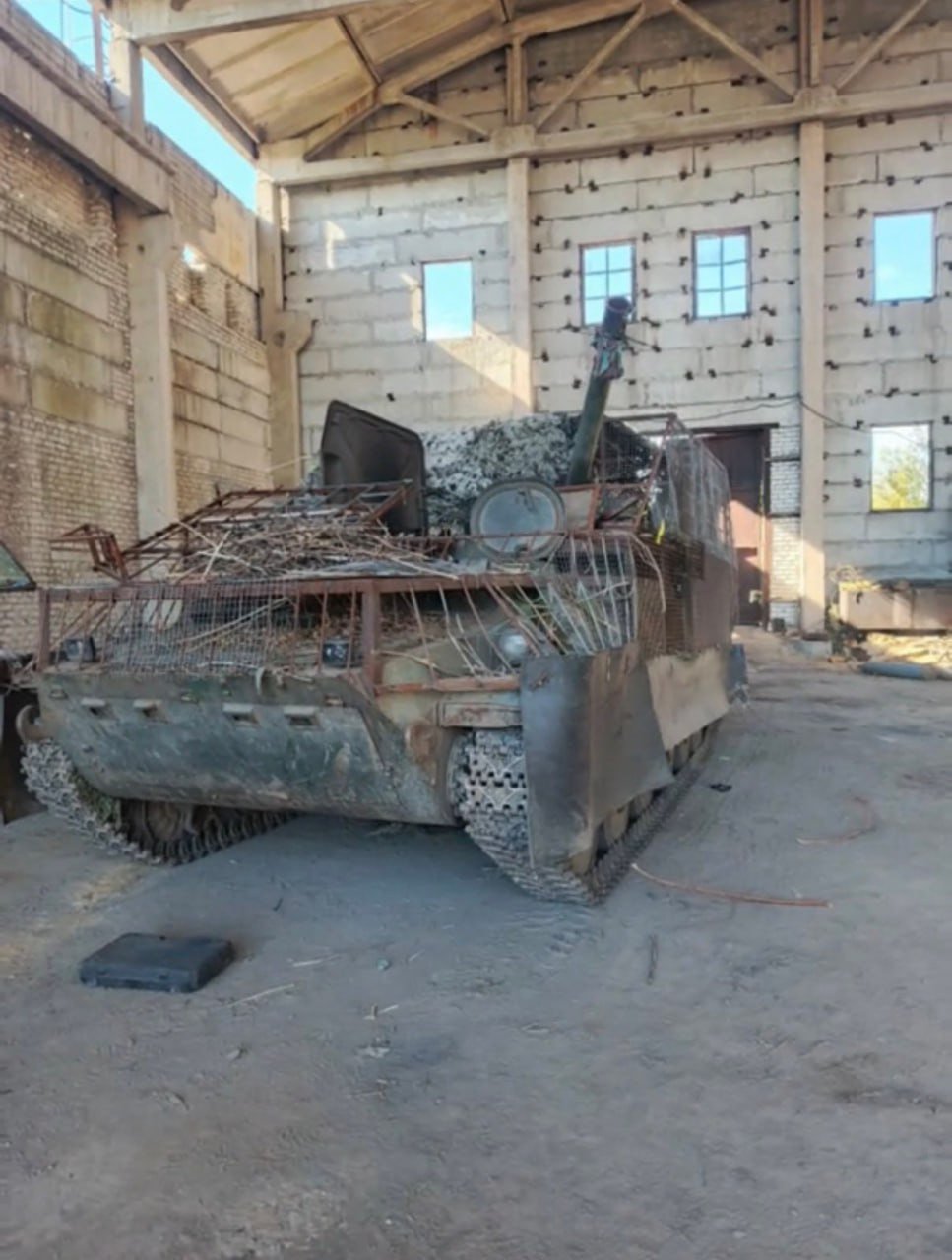
To accommodate the turret’s weight and recoil on the lighter MT-LB platform, Russian forces appear to have reinforced the vehicle’s hull with additional armor plating and mesh screens. However, previous iterations of this modification have experienced significant technical limitations.
According to open-source assessments cited by BTVT.INFO, firing the main gun often leads to structural damage to the chassis and mobility loss—effectively immobilizing the vehicle after a few volleys.
Despite these challenges, the reintroduction of this hybrid system suggests that Russian units are continuing to adapt older platforms to address artillery losses sustained throughout the war.
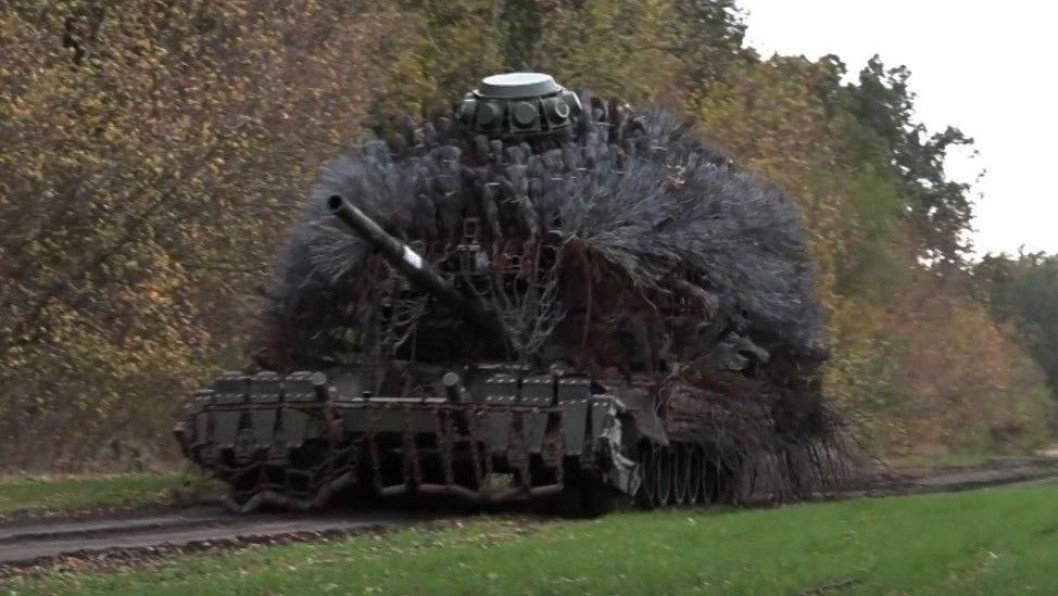
While the improvised system lacks the mobility and reliability of purpose-built artillery vehicles, it reflects a broader trend of expedient field modifications seen across Russia’s military inventory since 2022.
In August 2025, Russian forces fielded a anti-drone truck armed with a WWII-era S-60 cannon, dubbed a “suicide seat” by analysts due to its lack of protection. The exposed gunner and unstable civilian chassis highlight the growing desperation behind Russia’s improvised battlefield solutions.
Discuss this article:
-4a56a6b482ec132402c16ef6fcabf9a2.png)


-dd35be762f08867915b1187d08f5b7cb.jpg "Aftermath of a Ukrainian Neptune missile strike on a Russian Borisoglebsk airfield, October 15, 2026.")
-111f0e5095e02c02446ffed57bfb0ab1.jpeg "Photo of Roman Kohanets")
-f1e0a0eb8dc4159d1ee6f9483ef88571.jpg "Malambahe Sabtar Sabanal, a Philippine national identified by Ukrainian military intelligence as a Russian military recruit who was killed during assault operations in the Donetsk region. (Source: HUR)")
