- Category
- Latest news
Russia Sends Tu-160 Nuclear Bomber on 11-Hour Arctic Patrol in Show of Force to NATO
 Prefer U24 Media on Google
- Authors


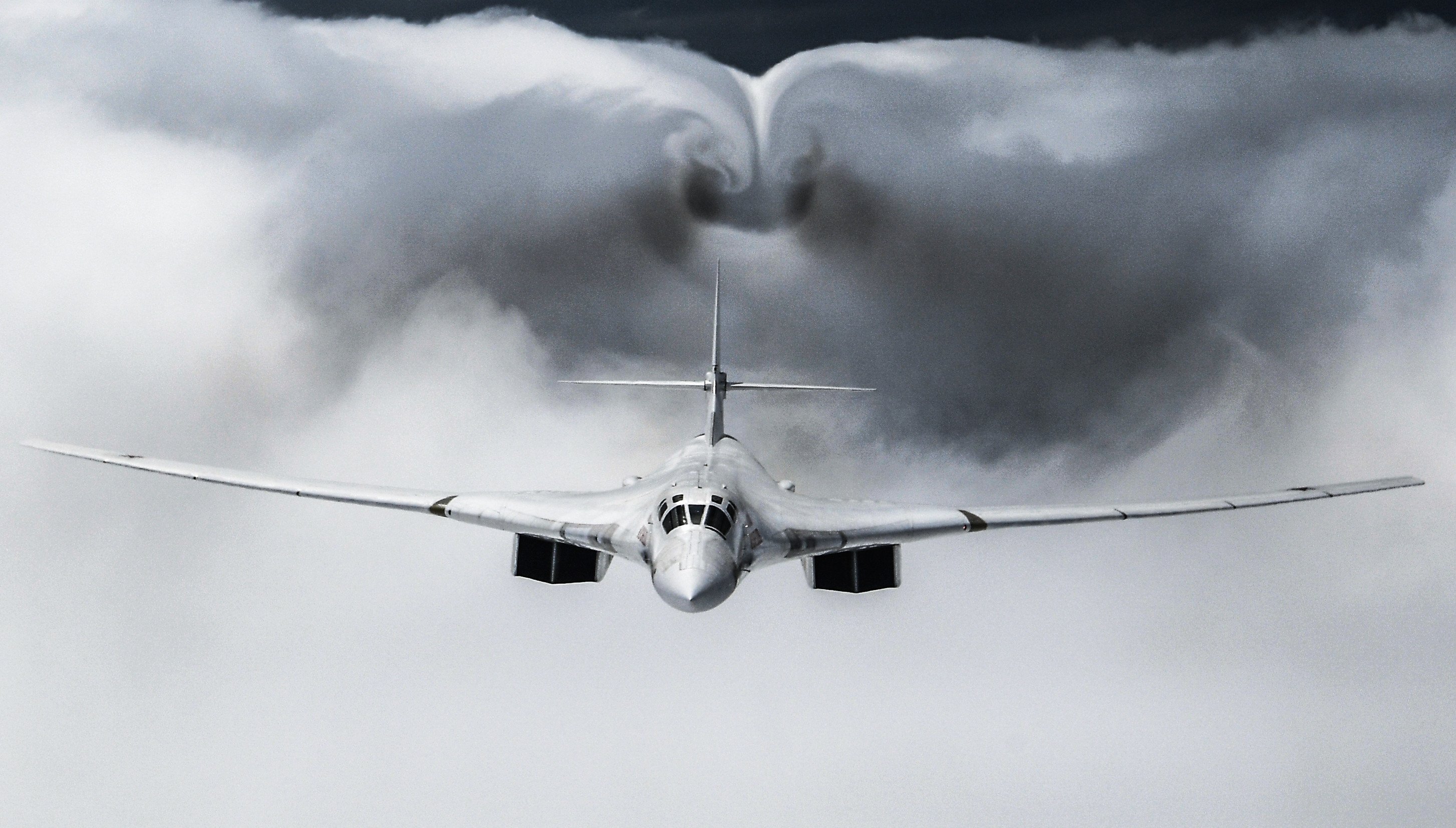
On November 25, 2025, a Russian Tu-160 strategic bomber completed an 11-hour patrol over the neutral waters of the Arctic Ocean, according to Russia’s Ministry of Defense.
The long-range sortie adds to a consistent pattern of air missions that Moscow presents as routine training but which are closely monitored by NATO member states.
🇷🇺 🛩️ Strategic Bomber Tupolev Tu-160 performed a scheduled flight in the airspace over the neutral waters of the Arctic Ocean.
— MenchOsint (@MenchOsint) November 25, 2025
⏱️ The duration of the flight was more than 11 hours. pic.twitter.com/hpr3UwRTls
As reported by Army Recognition on November 26, the Russian Ministry of Defense stated that the flight was conducted entirely in international airspace and aligned with standard operational planning for long-range aviation units.
The Tu-160, known for its variable-sweep wing design and supersonic capability, is central to Russia’s nuclear triad and strategic deterrence strategy.
The bomber, capable of carrying both conventional and nuclear-armed cruise missiles, is designed for high-subsonic or supersonic flight over extended distances. Operated by a four-person crew, it features terrain-following radar and modern navigation systems.

The aircraft can carry up to 45 tonnes of munitions and is equipped with NK-32 engines, enabling it to reach speeds exceeding Mach 2.
According to Army Recognition, the flight highlights Russia’s ongoing use of the Tu-160 in demonstration and training roles.
Since its reintroduction into regular patrols in the 2000s, the Tu-160 has routinely operated in proximity to NATO airspace, leading to intercepts by allied fighter aircraft. In recent years, Tu-160 bombers have also been used in combat operations, including the launch of Kh-101 cruise missiles in Syria and Ukraine.
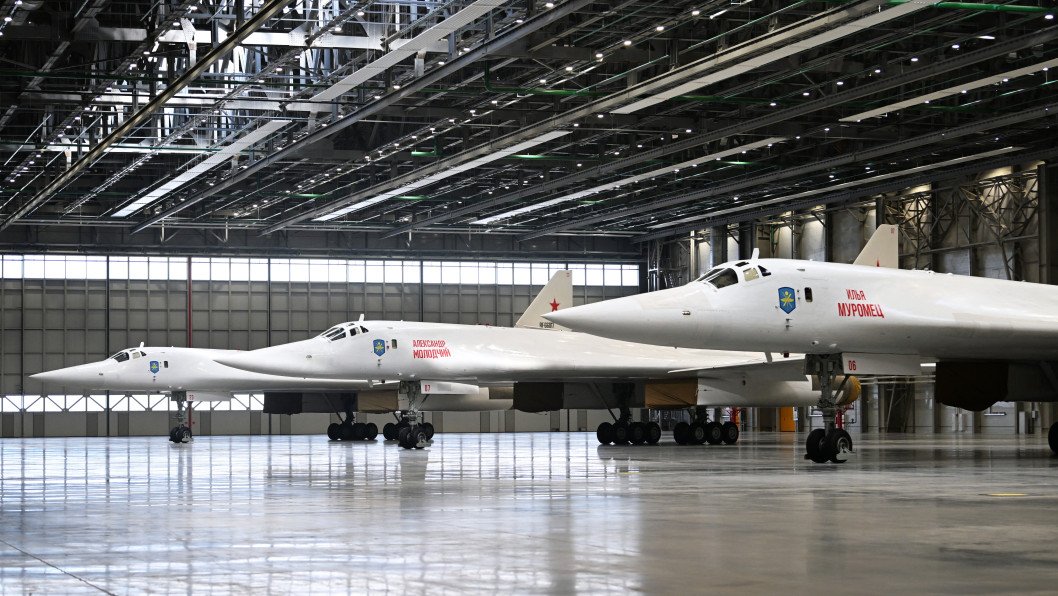
Moscow continues to expand its northern military infrastructure, including air bases, early-warning systems, and naval facilities. NATO countries have responded with increased patrols and exercises across the Barents Sea, Greenland, and the North Atlantic.
Although Russian authorities emphasize that Tu-160 patrols comply with international law and avoid violating foreign airspace, such flights are widely viewed by NATO as strategic signaling. Army Recognition notes that allied air forces, particularly those of Norway, Türkiye, and the United Kingdom, frequently shadow these missions.
We bring you stories from the ground. Your support keeps our team in the field.
Earlier, on March 27, 2025, Vladimir Putin announced at the International Arctic Forum in Murmansk that Russia would continue to strengthen its military presence in the region, citing growing global interest and intensifying geopolitical competition.
He accused NATO of treating the Arctic as a potential staging ground for conflict, while asserting that Moscow would defend its sovereignty without posing a threat.
Discuss this article:
-8321e853b95979ae8ceee7f07e47d845.png)


-c439b7bd9030ecf9d5a4287dc361ba31.jpg "Photo of Katherina Popilnichenko")