- Category
- Latest news
Russia Spends 10 Years on Secret Microwave Weapon—Then Sends It Straight to a Museum
 Prefer U24 Media on Google
- Authors


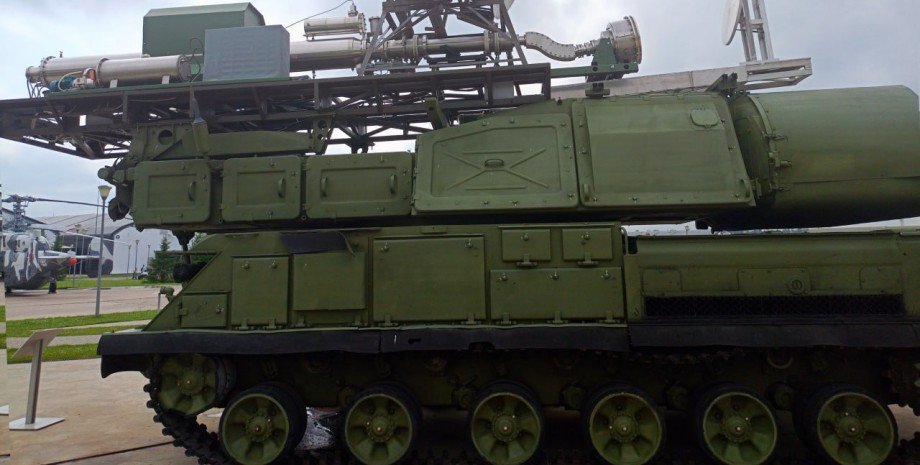
Russia has unveiled its mobile microwave weapon system “Furor” for the first time — not on the battlefield or at a defense expo, but as a museum exhibit in Kubinka, near Moscow.
The “Furor” system, initially introduced behind closed doors at Russia’s “Army-2015” exhibition, has yet to see operational deployment, according to Defense Express on July 22.
Despite claims of ongoing testing and development, the system now appears as a static display rather than an active military asset.
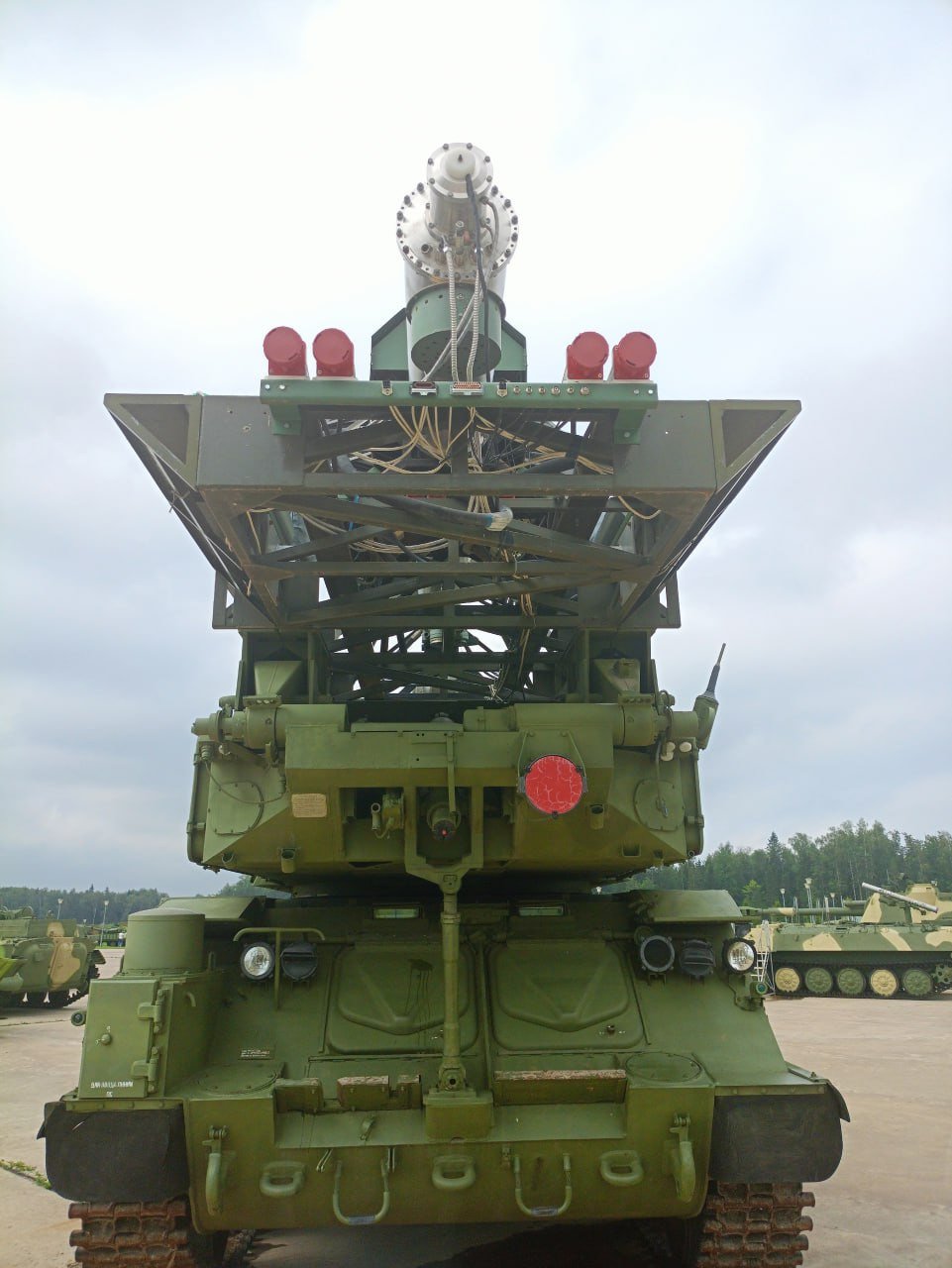
The “Furor” is designed to disable drones and precision-guided munitions using high-powered microwave emissions. Russian sources claim it can provide 360-degree defense coverage at a range exceeding 10 kilometers.
This figure significantly surpasses that of comparable systems such as the US-made Leonidas by Epirus, which currently operates at a range of up to 2 kilometers.
The ambitious specifications highlight a familiar pattern seen in past Russian defense projects, such as the S-70 Okhotnik drone, unmanned BMP-3 vehicles, and the Peresvet laser system — platforms often presented with advanced capabilities but limited real-world application.
The system is mounted on the chassis of a Buk surface-to-air missile system and reportedly includes a relativistic generator, a reflective antenna, a control interface, and a transmission system. Russian media outlets have suggested possible integration with existing air defense networks, though this appears to be speculative rather than part of the original concept.
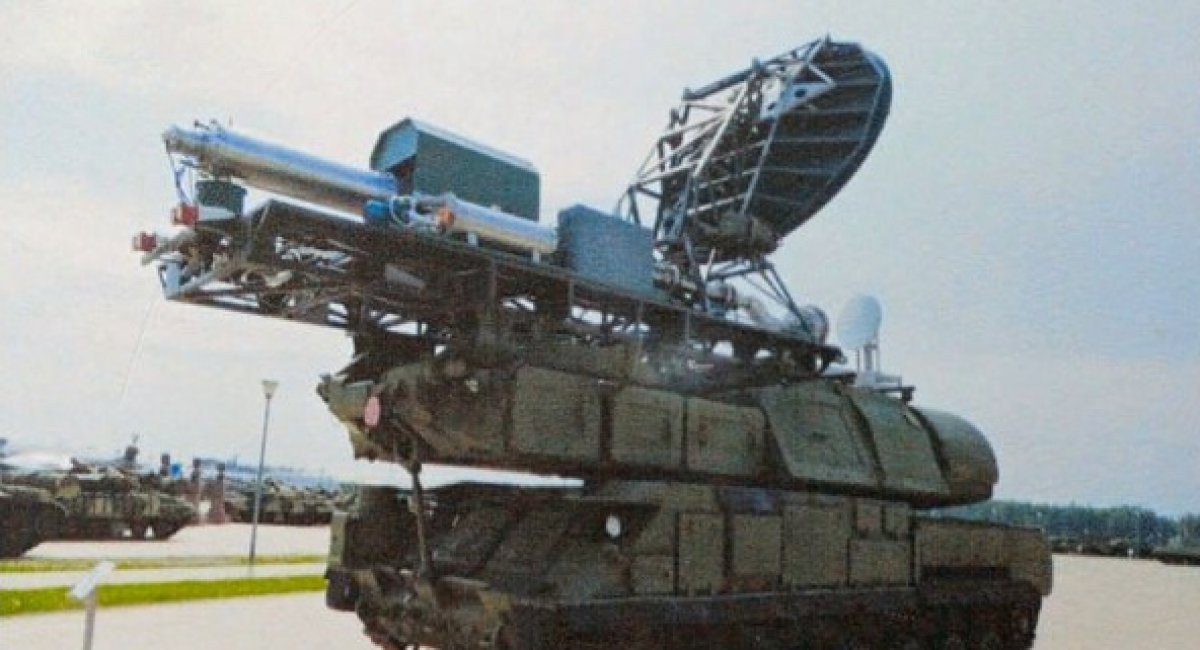
The development of “Furor” was led by the Moscow Radiotechnical Institute, part of the Vega Group, which is known for producing radar systems including the A-50, A-50U, and A-100 early warning aircraft. Production of these platforms has stalled in recent years.
While Russian media continue to reference ongoing tests, the appearance of the “Furor” in a museum setting raises questions about the viability of the project.
Despite theoretical potential, analysts remain skeptical about Russia’s ability to deliver a functional system matching the claimed specifications.
For now, “Furor” serves more as an illustration of conceptual ambition than a deployable weapon system.
Earlier, Russian troops were spotted reinforcing aging 2S19 Msta-S howitzers and MT-LB armored vehicles with wooden logs in an apparent attempt to survive Ukraine’s escalating drone strikes—an improvised tactic reminiscent of early 2022.
Military analysts say the DIY armor offers little real protection and highlights growing equipment shortages and Russia’s struggle to counter modern threats.
Discuss this article:


-c439b7bd9030ecf9d5a4287dc361ba31.jpg "Photo of Katherina Popilnichenko")