- Category
- Latest news
Russia Turns Its Most Advanced Cruise Missile Into a Cluster Bomb—And Drops It Near NATO’s Border
 Prefer U24 Media on Google
- Authors


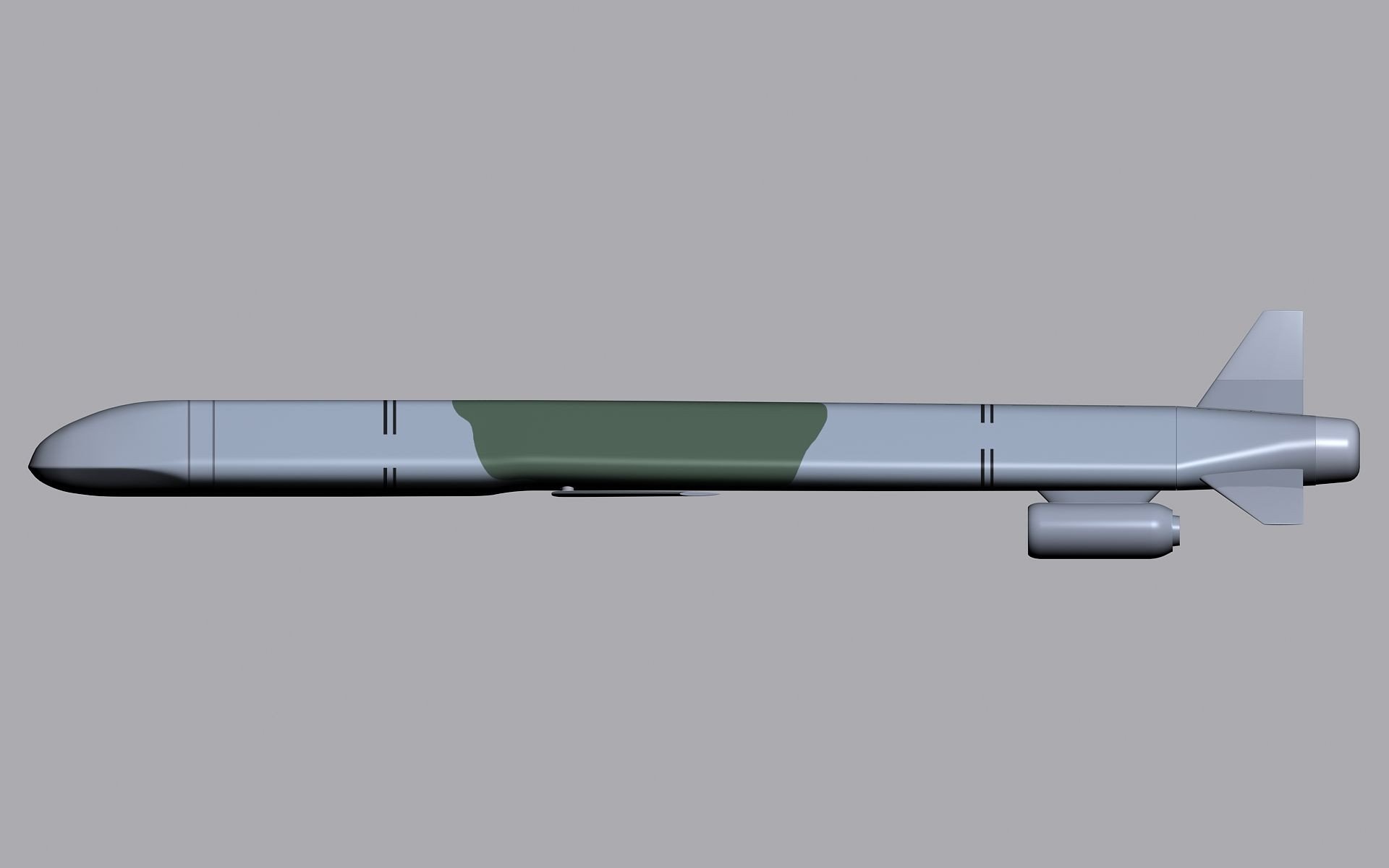
A recent Russian missile strike on the western Ukrainian city of Chernivtsi may have marked the confirmed use of a Kh-101 long-range air-launched cruise missile equipped with a cluster warhead.
According to video footage recorded during the July 11 attack—and reported by The War Zone on July 14—a missile was observed descending at a steep angle, followed by multiple rapid detonations typical of a submunition-dispensing payload.
Ukrainian emergency services later reported that the strike killed two people, injured 14 others, and damaged residential buildings, administrative infrastructure, and civilian vehicles.
😮💨 Massive strike on Chernivtsi!
— 𝔗𝔥𝔢 𝕯𝔢𝔞𝔡 𝕯𝔦𝔰𝔱𝔯𝔦𝔠𝔱△ 🇬🇪🇺🇦🇺🇲🇬🇷 (@TheDeadDistrict) July 12, 2025
Likely a Kh-101 missile with a cluster warhead. pic.twitter.com/zRF4bAJq5H
The Kh-101, a long-range, low-observable cruise missile developed by Russia, has a reported range of up to 2,485 miles and is launched by Tu-95MS or Tu-160 bombers.
It has been widely used throughout the full-scale invasion, primarily against Ukrainian energy and military infrastructure.
This latest adaptation—reportedly the cluster warhead version—suggests a shift toward targeting area-based objectives or urban zones with a weapon capable of dispersing submunitions over a wide radius.
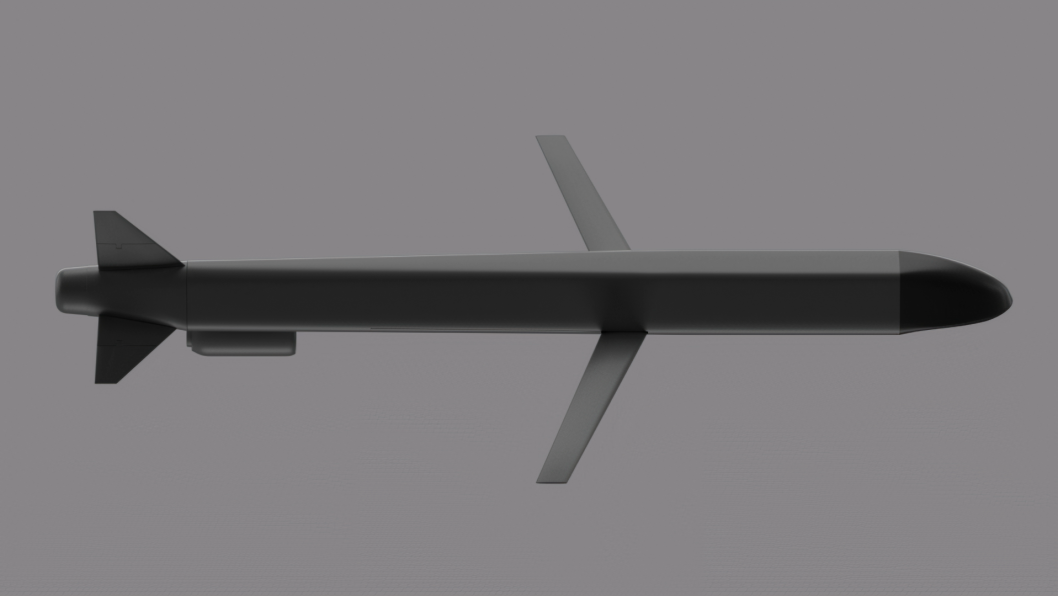
The appearance of the cluster-equipped Kh-101 was first suggested in June 2024, when imagery of a modified warhead surfaced following a missile strike.
Russian military sources and defense-linked Telegram channels have since acknowledged the existence of such a variant, claiming it was designed to address earlier shortcomings in striking dispersed targets like airfields and air defense systems.
The use of cluster munitions poses long-term risks due to the high failure rate of bomblets, which can remain active and lethal for years. While the Convention on Cluster Munitions prohibits their use, neither Russia nor Ukraine is a signatory to the treaty.
-8ff74eb427048fb43a21b623ab814c0b.png)
Previous modifications of the Kh-101 observed in Ukraine have included dual-warhead configurations, infrared countermeasure flares, and electronic warfare payloads. Analysts note that some of these changes reduce the missile’s range, but the impact is negligible when targeting locations inside Ukraine.
The July 11 strike in Chernivtsi—a city near the border with Romania, a NATO member state—involved the use of a strategic air-launched weapon against a target deep inside Ukrainian territory, underscoring the proximity of Russian missile attacks to Alliance borders.
Earlier, Russia significantly increased production of its Kh-101 cruise missiles, scaling up from 56 units per year to 50 per month despite Western sanctions. The expansion relies on Chinese components and a network of front companies to bypass restrictions, with plans to manufacture over 600 missiles in 2025.
Discuss this article:

-c439b7bd9030ecf9d5a4287dc361ba31.jpg "Photo of Katherina Popilnichenko")