- Category
- Latest news
Russia Turns Singapore Into a Paper Destination to Hide Oil Exports
 Prefer U24 Media on Google
- Authors


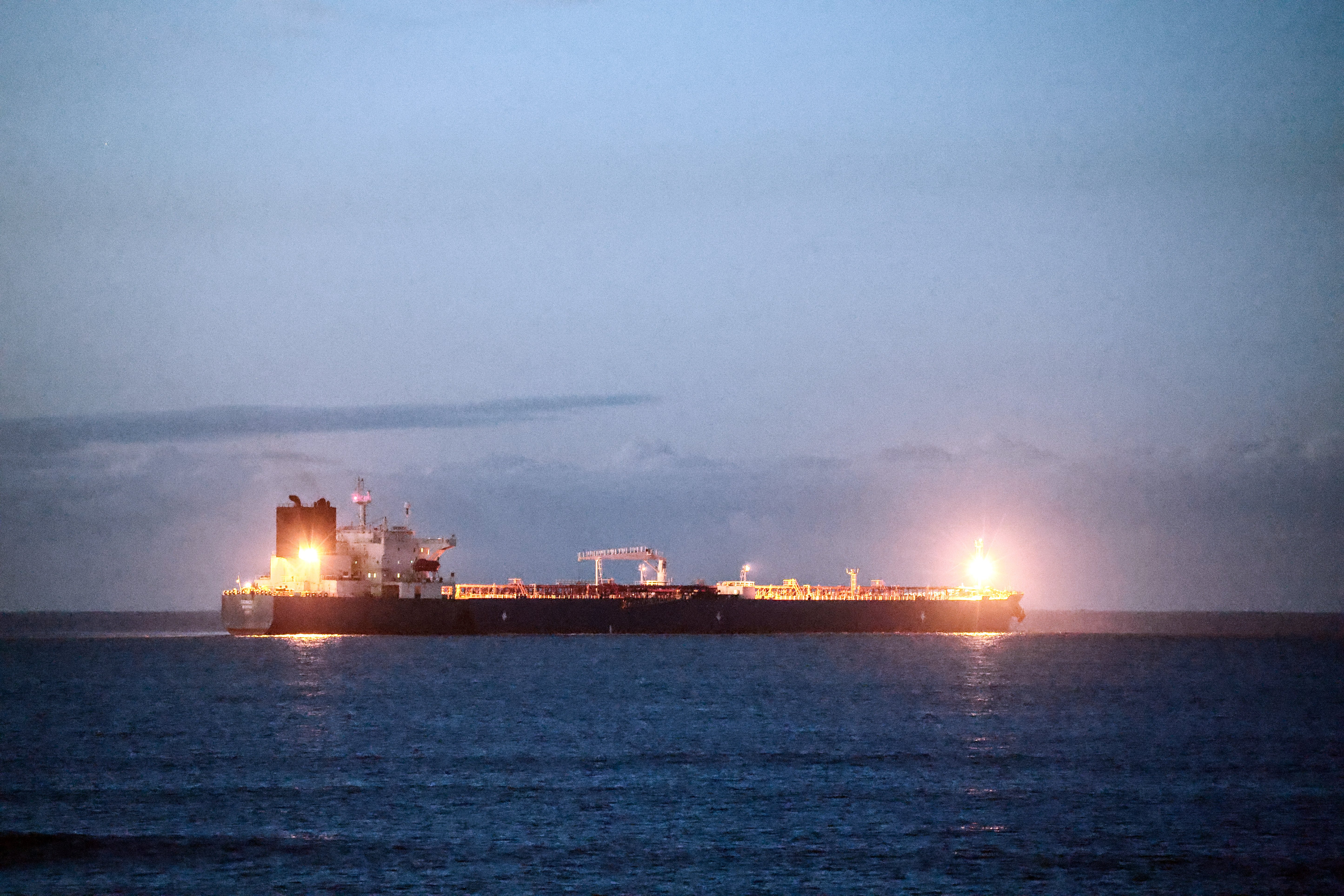
Russian tankers are increasingly listing Singapore as their official destination, despite the city-state not importing Russian oil.
According to Reuters on February 9, this shift is part of a broader strategy by Moscow to mask the final recipients of crude exports and reduce exposure to Western sanctions.
We bring you stories from the ground. Your support keeps our team in the field.
Reuters, citing data from financial analytics firm LSEG and multiple oil traders, reports that roughly 1.4 million metric tons of Russian crude were declared as headed to Singapore in January 2026—the highest monthly volume in recent years.
However, industry sources say most of these vessels do not offload their cargo in Singapore. Instead, the oil is often transferred at sea near Malaysia or to floating storage units, while Singapore is cited solely for documentation purposes.
“An increasing number of tankers listing destinations such as Singapore, Suez, or Port Said reflects growing challenges in finding buyers and a shrinking pool of reliable customers,” a Moscow-based oil trader told Reuters.
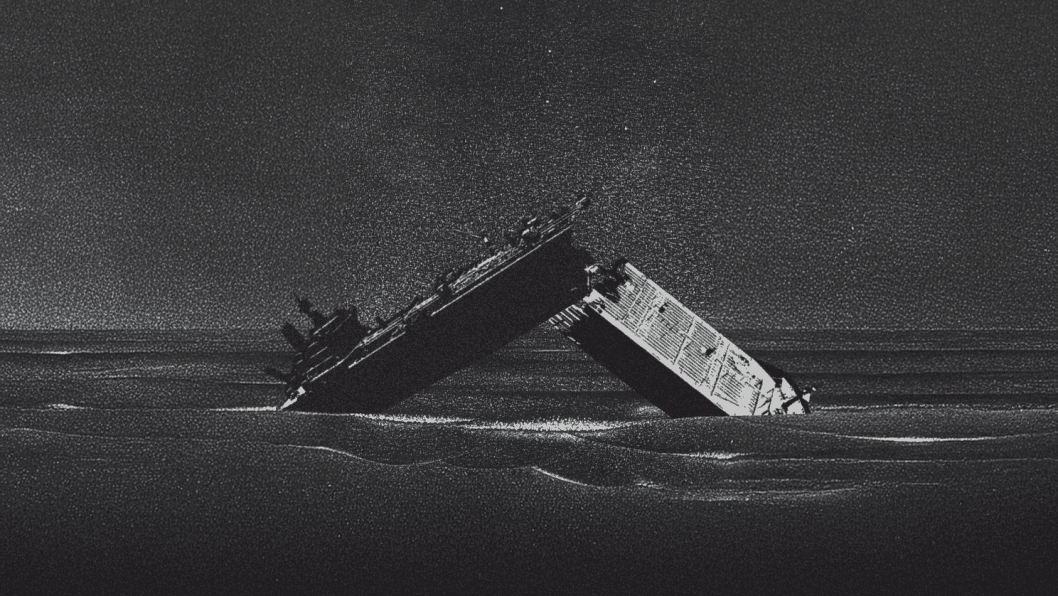
Traders emphasize that Singapore itself does not import Russian oil due to the risk of secondary sanctions. Nonetheless, its proximity to key transshipment zones—particularly near the Malaysian coast—makes it a convenient cover for ship-to-ship transfers. In these operations, crude oil is moved from one tanker to another offshore, making it harder to track the final buyer.
This practice has become more frequent since the implementation of tighter sanctions and trade restrictions. Tankers that once indicated Indian ports as destinations are now often rerouting or reporting intermediate waypoints such as Egypt’s Port Said or the Suez Canal—locations used to obscure the actual delivery point.
This method is part of a broader reliance on Russia’s shadow fleet—a network of aging tankers operated by opaque companies, many of which are registered under flags of convenience and controlled by shell entities. These vessels often disable AIS tracking systems, change ownership frequently, and declare vague or fictitious ports of call to evade scrutiny.
According to Reuters, while these tactics have been used before, their frequency has increased following signals that major importers like India may reduce purchases of Russian oil under pressure from the United States.
Earlier, the Sunday Times reported that the UK’s Royal Navy plans to convert the HMS Calliope training centre on the country’s east coast into a command hub to monitor and counter Russia’s so‑called “shadow fleet” and to use unmanned patrol boats to track and potentially intercept sanctioned tankers linked to Moscow.
Discuss this article:
-4a56a6b482ec132402c16ef6fcabf9a2.png)

-c439b7bd9030ecf9d5a4287dc361ba31.jpg "Photo of Katherina Popilnichenko")