- Category
- Latest news
Russian Forces Shoot Down Own Drones, Then Claim Them as Trophies
 Prefer U24 Media on Google
- Authors

-c439b7bd9030ecf9d5a4287dc361ba31.jpg "Photo of Katherina Popilnichenko")
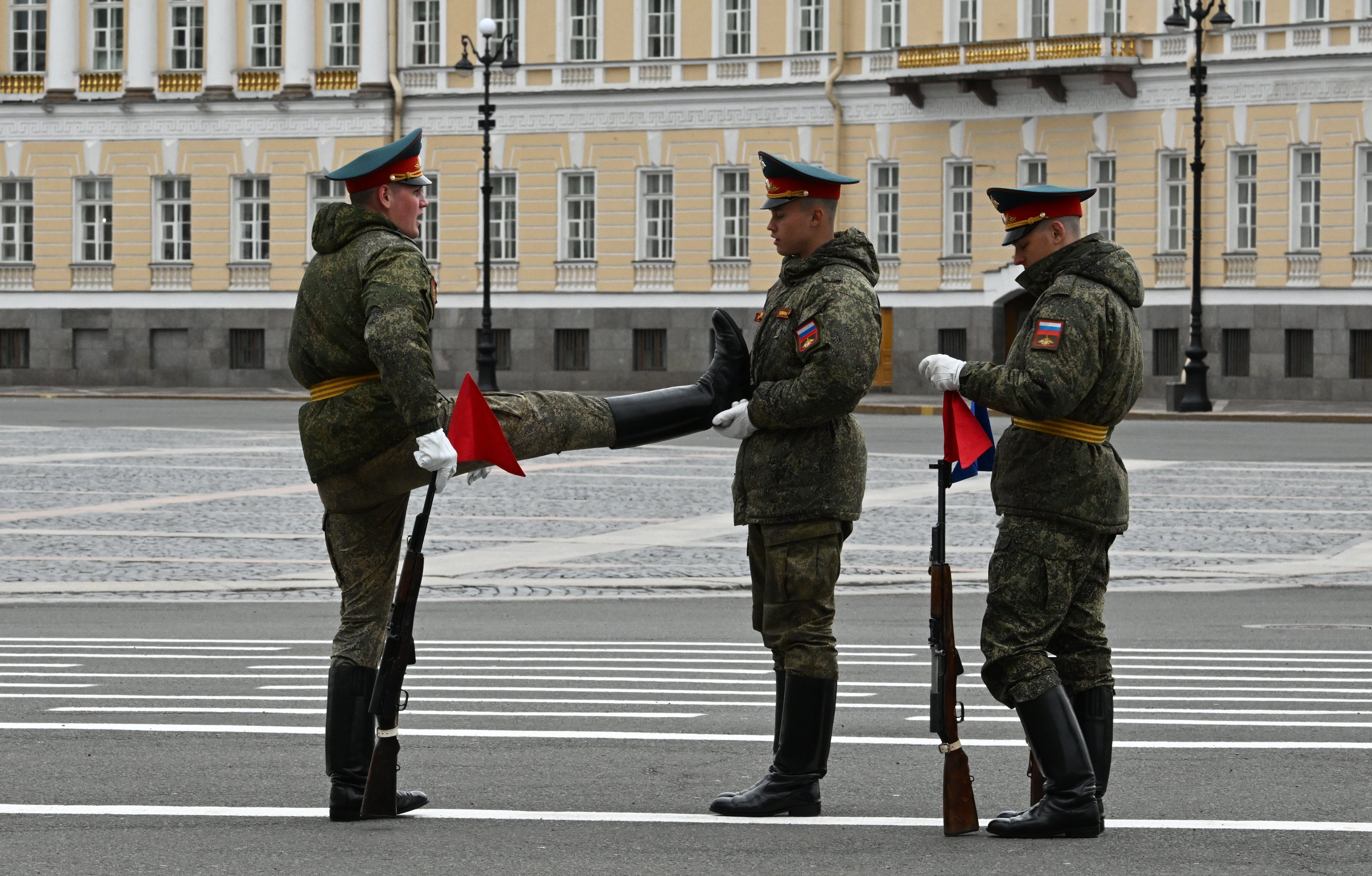
Russian military personnel are increasingly shooting down their own drones due to coordination failures and administrative confusion.
Soldiers then attempt to pass these aircraft off as Ukrainian equipment to claim financial rewards. Data from the "Drone Operator’s Chronicle" suggests the issue stems from a lack of communication between neighboring units and mobile fire groups, according to The Moscow Times on April 27.
We bring you stories from the ground. Your support keeps our team in the field.
These fire groups are often not informed of friendly flight paths and struggle to distinguish between Russian and Ukrainian drones, leading them to fire on any aerial object.
Russian media sources describe the situation as a "time bomb," expressing concern that nearly all domestic drones may soon come under fire from their own side. The propaganda channel "Boevoy Rezerv" predicts that units "will shoot down everything they see."
The channel reports that some mobile fire groups are already presenting downed Russian drones as trophies to receive awards. Evidence provided includes a photograph of a Russian serviceman with a damaged Russian "Molniya" drone.
-be5dc3c574c33735a82b458c3c91a52f.jpeg)
To deceive command, some officers reportedly apply Ukrainian symbols or other markings to the wreckage to align with state narratives regarding Russia’s full-scale invasion of Ukraine.
While internal coordination remains a challenge, Ukrainian Hornet drones present a significant external threat to Russian units. These high-speed aircraft utilize artificial intelligence for target acquisition and can operate at distances of up to 60 kilometers during both day and night.
As the demand for specialized personnel to counter such threats grows, the Kremlin has turned to academic institutions to bolster its ranks. Ufa State Petroleum Technological University (USPTU) encouraged its students to recruit friends and family members for military service. As of April 27, 2026, a message shared in a student chat invited students to bring in acquaintances to sign contracts with the Ministry of Defense.
The university offered to enroll these recruits in additional education programs or provide them with staff positions to facilitate the process. Those who signed contracts were promised a payment of 500,000 rubles ($6,678), while the students themselves were told they could transfer to state-funded spots upon their return from service.
Discuss this article: