- Category
- Latest news
Russian Oil Flows Crumble After Strategic Hits on Key Export Terminals
 Prefer U24 Media on Google
- Authors

-c439b7bd9030ecf9d5a4287dc361ba31.jpg "Photo of Katherina Popilnichenko")
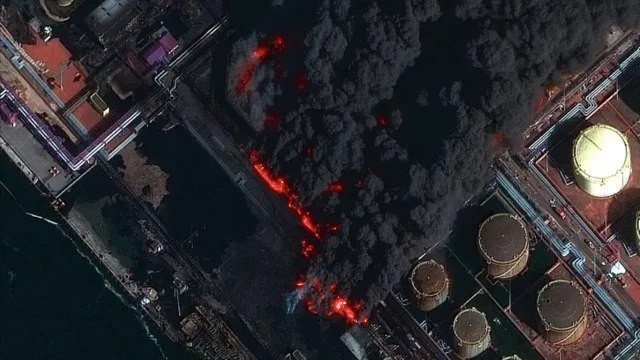
Weekly shipments from Russian Baltic ports have dropped to their lowest level since the start of Russia’s full-scale invasion of Ukraine, as effective drone strikes on key ports push the country’s oil flows to a more than one-year low.
These actions have reduced the funding available for the Kremlin’s military budget. Deliveries from Baltic ports reached their lowest levels since Russian forces entered Ukraine in 2022, according to Bloomberg on March 31.
We bring you stories from the ground. Your support keeps our team in the field.
Repeated attacks on export terminals in Primorsk and Ust-Luga caused storage tanks to catch fire. This led to a stop in loading operations for most of last week.
As a result, port flows fell to about one-third of the previous week's level. This situation reduced Moscow’s oil revenue by more than $1 billion. During the week ending March 29, weekly export earnings fell to $1.44 billion from $2.45 billion.
These strikes occurred as the Kremlin began to profit from the war in the Middle East. Russia had been increasing exports to a market where crude oil prices more than doubled in one month.
The average price of Russia’s Urals crude rose by $11.30 to $73.24 per barrel, but revenues still dropped sharply due to the lower volume.
Meanwhile, global oil flows have been impacted by the effective closure of the Strait of Hormuz.
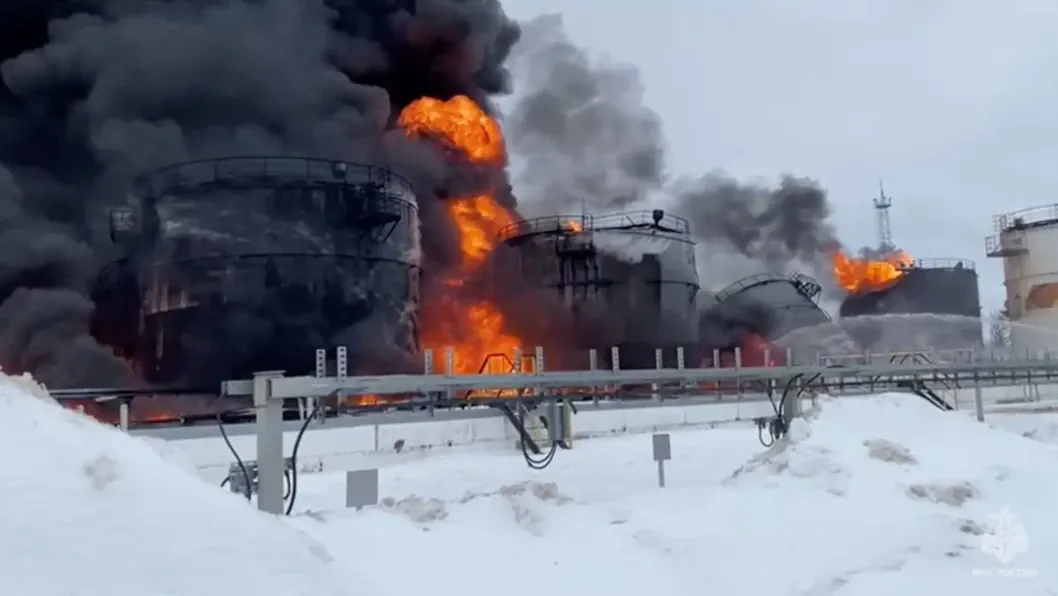
Last week, Russian crude oil flows decreased by 1.75 million barrels per day, falling to 2.32 million from 4.07 million the previous week. The impact on the four-week average was less severe, with shipments dropping by 280,000 barrels per day to an average of 3.31 million.
This is the lowest average in two months. Russian oil companies have warned buyers they may declare force majeure on supplies from Baltic ports, but they have continued some shipments by using oil already stored at sea.
The drop in crude flows happened at the same time as an increase in shipments from tankers that were previously stuck at sea. Crude oil arriving in India rose to nearly 1.7 million barrels per day this month, up from 1.1 million in February.
This followed US exemptions that allowed the purchase of Russian oil loaded before March 12. This started to reduce Russian oil stocks at sea, which had peaked at 140 million barrels in January.
By Sunday, the volume at sea fell to 118 million barrels because deliveries were higher than new shipments. Russia also found new buyers, with the Philippines receiving two shipments of ESPO crude oil. These were the first Russian shipments to that country since 2021.

Oil tankers carrying Russian cargo are also avoiding the North Sea and the English Channel. This change follows a statement from the United Kingdom that it would intercept and board ships from the Russian shadow fleet in its waters.
Ships traveling to and from Baltic ports must now sail around northern Scotland. This route adds approximately two days or 25% to the journey between the Baltic and Mediterranean Seas compared to the standard route between England and France.
Russian oil producers warned buyers that they might declare force majeure on supplies from major Baltic Sea ports following an intensified drone campaign against Russian energy infrastructure.
This potential declaration was confirmed by industry sources on March 27. The physical targeting of these revenue streams occurred after international oil sanctions on Russia had been relaxed to compensate for global supply disruptions caused by the war in the Middle East.
Discuss this article: