- Category
- Latest news
Russian Sabotage Threat Grows in Germany as Officials Warn Even Kill Operations Are Possible
 Prefer U24 Media on Google
- Authors

-111f0e5095e02c02446ffed57bfb0ab1.jpeg "Photo of Roman Kohanets")
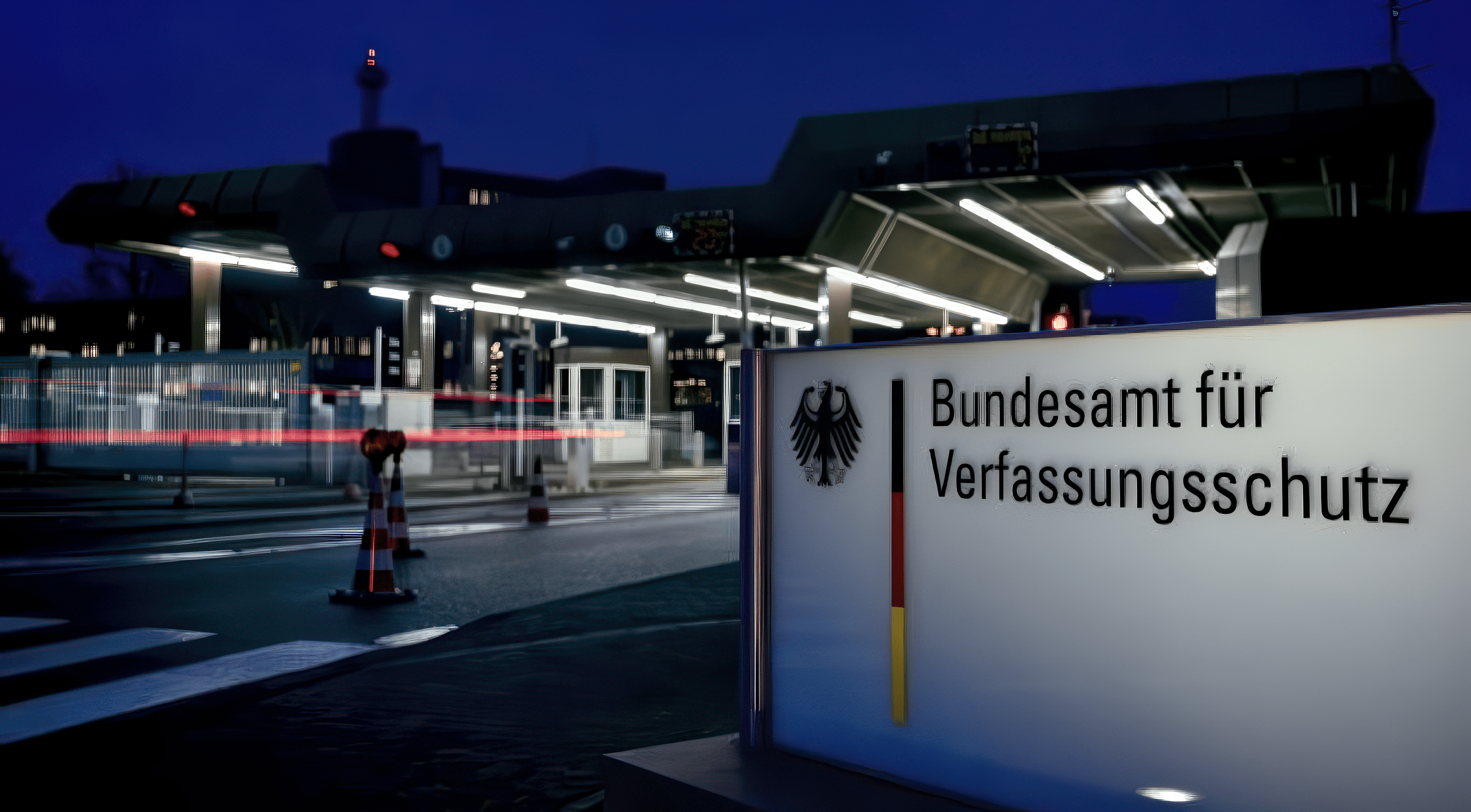
Russia is intensifying hybrid attacks against Germany, where domestic intelligence officials report a sharp rise in espionage, sabotage, and other hostile activity, according to Tagesspiegel on March 19.
Sinan Selen, head of Germany’s Federal Office for the Protection of the Constitution, warned at a joint conference with the Association for Security in Business that foreign actors are showing greater willingness to take risks and are using a broader set of methods.
He noted that even “kill operations” could not be ruled out as pressure on Germany increases.
We bring you stories from the ground. Your support keeps our team in the field.
Selen stated that Russia views Germany “as an opponent, sometimes as enemy number one,” with the logistics sector, the defense industry, and technology companies among the main targets of foreign operations.
Tagesspiegel also reported that Estonian officials cited Estonian Ambassador Marika Linntam, who described the arson attack on a Ukrainian restaurant in Tallinn as an “influence operation of the Russian intelligence service,” and said videos of such operations are then spread on social media to unsettle the public.
The BfV chief described the threat environment as marked by “more risk appetite” and “variable methods,” while officials and business leaders pressed for tighter coordination between the state and private sector.
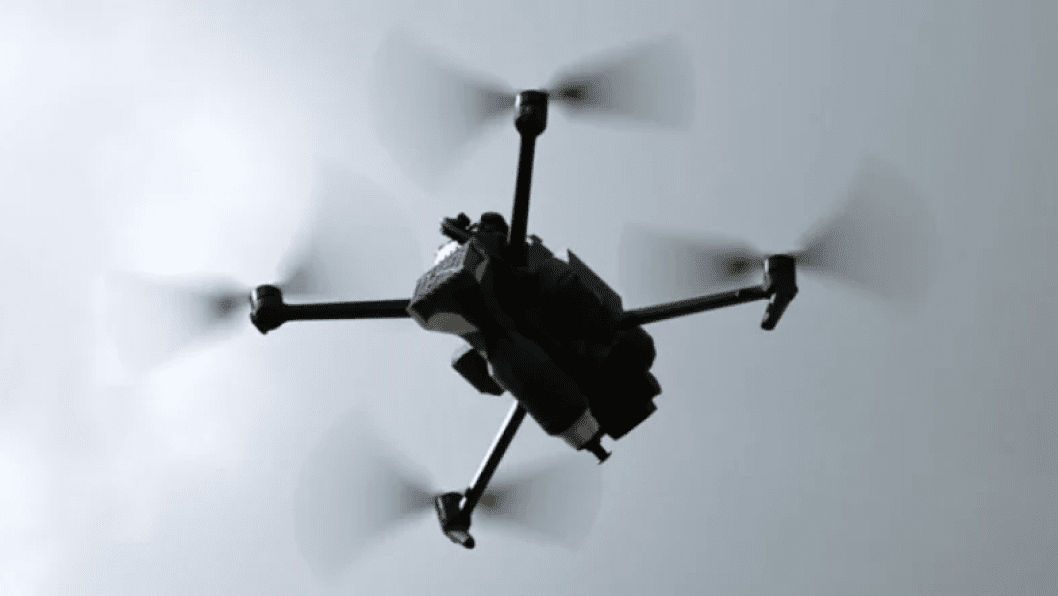
Selen noted that Germany is close to launching a Joint Hybrid Defense Center to improve information-sharing among intelligence, police, prosecutors, and industry.
The warning from Germany also fits a broader European pattern of Russian-linked hybrid activity since the full-scale invasion.
European officials have documented 151 Russian-linked hybrid attacks since February 2022, with sabotage, arson, attempted bombings, and other covert operations recorded across nearly the entire continent.
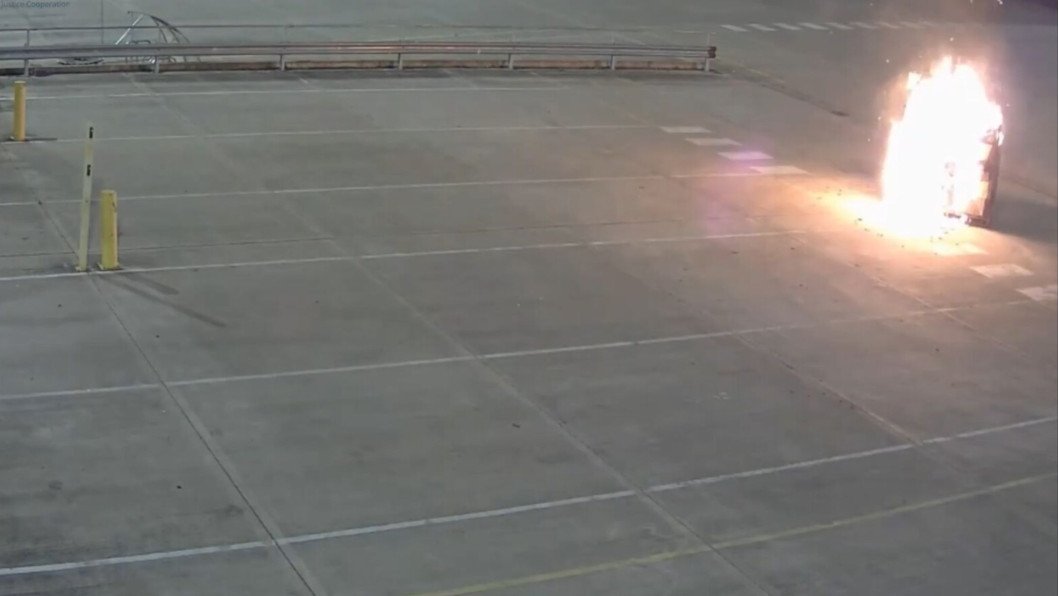
Poland recorded the highest number of cases at 31, followed by France with 20, Lithuania and Germany with 15 each, the United Kingdom with 12, and Estonia with 11.
According to the analysis, more than half of the attacks hit countries that have been among the most active backers of Ukraine.
The CCD noted that about 95% of those involved were so-called disposable agents, people with no formal intelligence ties whose use helps the Kremlin shield itself from direct responsibility.
That finding broadly aligns with earlier research from the International Centre for Counter-Terrorism and GLOBSEC, which described Moscow’s growing reliance on criminals, minors, and other vulnerable recruits for deniable operations in Europe.
Discuss this article:

-c439b7bd9030ecf9d5a4287dc361ba31.jpg "Photo of Katherina Popilnichenko")