- Category
- Latest news
Russian Shahed Drones Now Scatter Anti-Tank Mines Over Ukraine
 Prefer U24 Media on Google
- Authors


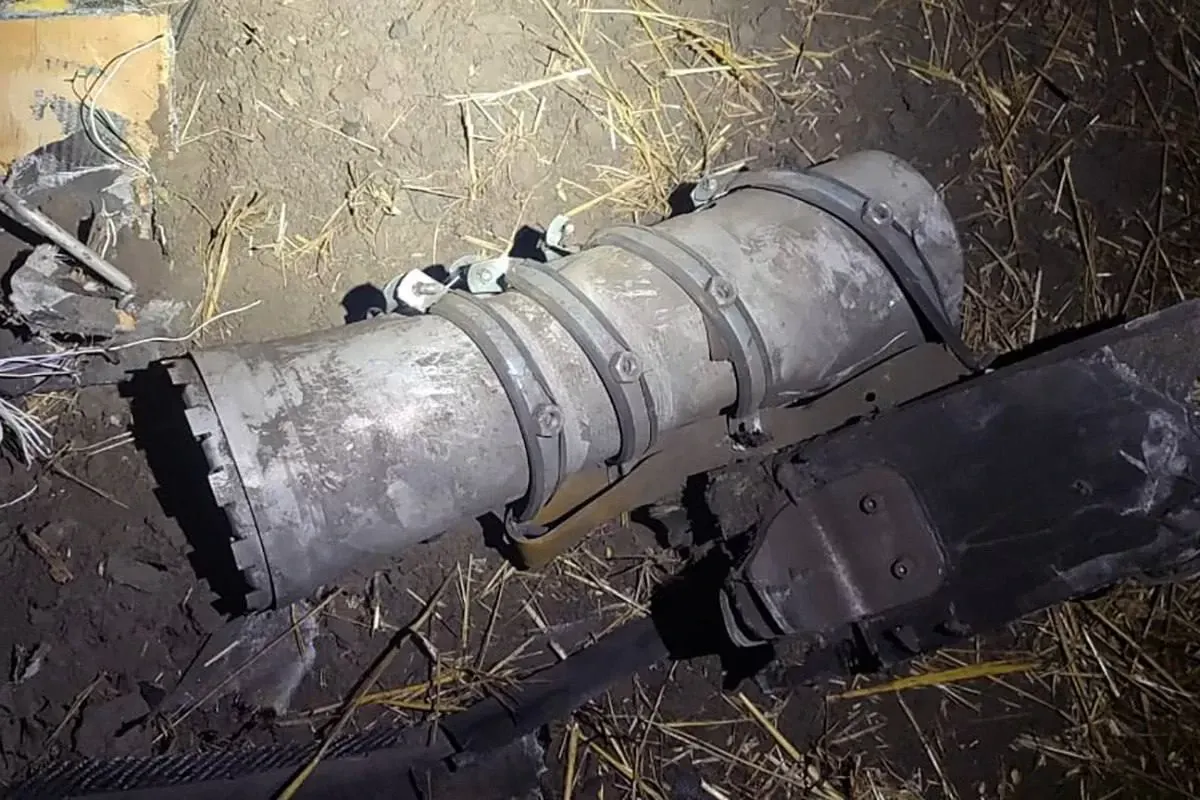
Russian forces have used a drone to carry and deploy anti-tank PTM-3 mines over Ukrainian territory, according to Ukraine’s National Police and military sources.
The incident was recorded in Sumy region, where Ukrainian defense forces intercepted and downed the unmanned aerial vehicle before it could deploy its payload.
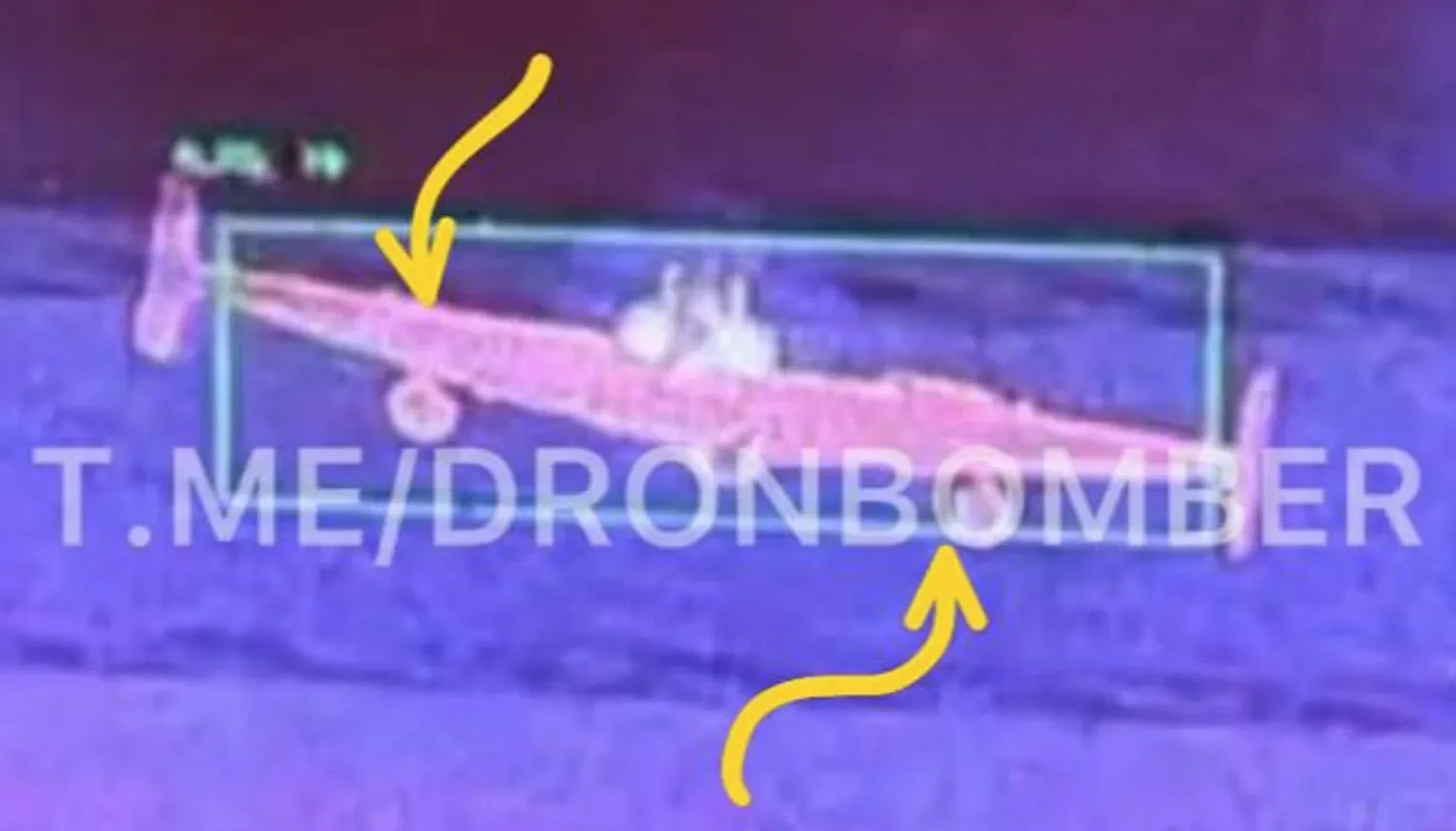
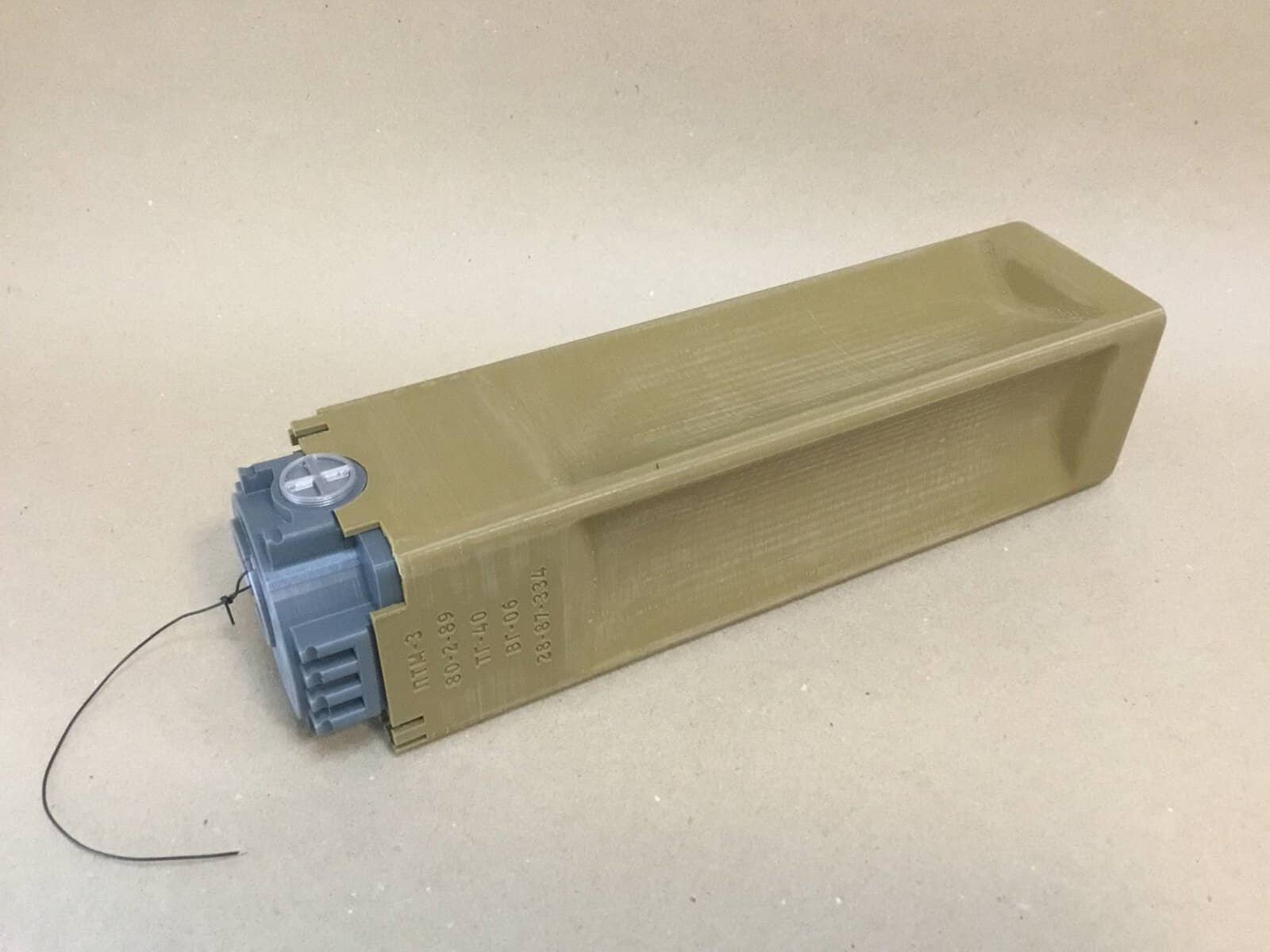
The drone, identified as a modified Shahed/Geran-type loitering munition, carried two external cassettes—each containing a PTM-3 mine. The design allows for remote mine deployment using a small explosive charge that ejects the mine mid-flight. Once dropped, the mine automatically arms itself.
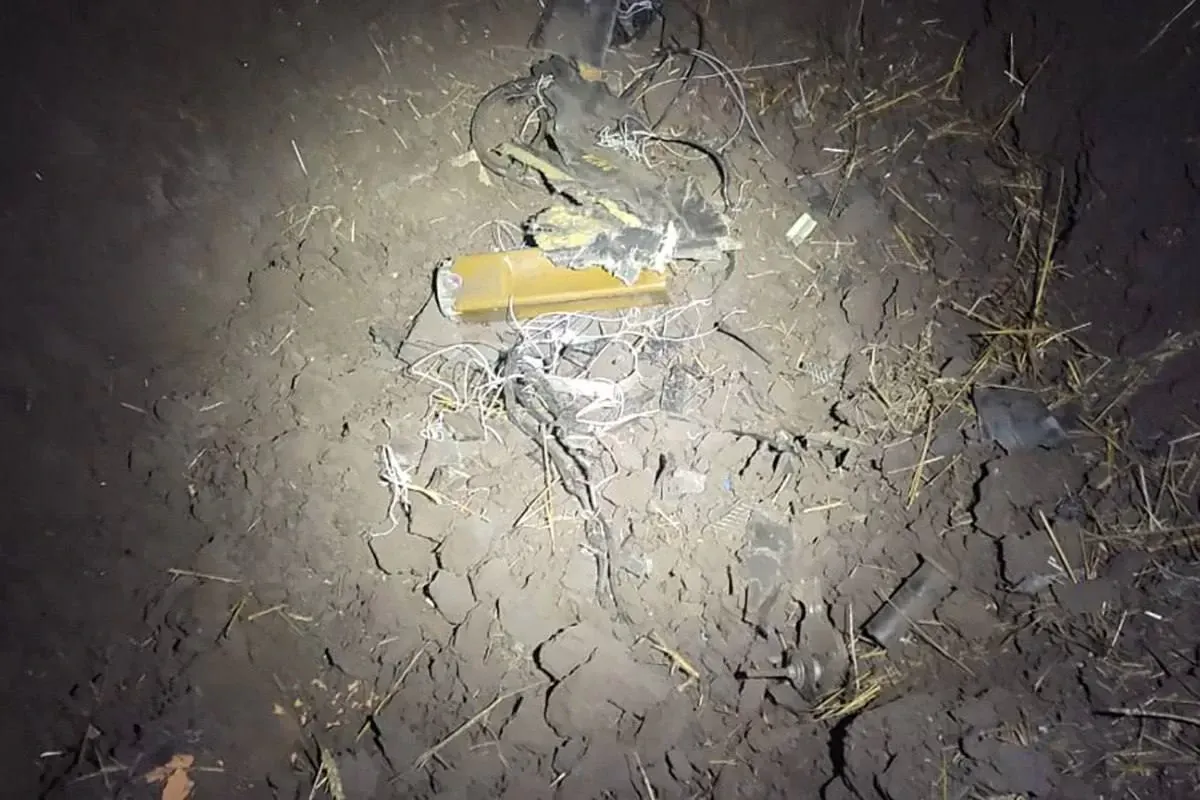
The PTM-3 is a compact, plastic-bodied anti-tank mine equipped with a magnetic sensor that activates when military vehicles pass nearby or stop in close proximity. Its plastic casing makes it difficult to detect using conventional metal detectors.
According to military engineers, the munition reacts to changes in electromagnetic fields, particularly from large metal objects.
The National Police of Ukraine warned that Russian forces are increasingly using such drones to remotely mine key transportation routes, agricultural fields, and areas with limited visibility. Ukrainian authorities urged caution among civilians, particularly drivers of agricultural or utility vehicles, who may be traveling on unpaved or overgrown roads.
In addition, Ukrainian sappers emphasize that residents in frontline regions should track the known flight paths of Russian loitering munitions, especially near roads, as they may indicate locations of remote mining.
The police also issued a separate warning not to approach downed Russian drones, even if they appear inactive. Such devices may contain secondary charges, booby traps, or trigger sensors intended to harm those who inspect them.
The tactic of equipping Shahed-class drones with PTM-3 cassettes was previously reported by military-affiliated sources. According to those reports, each drone can carry two such cassettes, dropping the mines remotely as part of a broader shift toward drone-based area denial.
Earlier, satellite imagery and open-source intelligence revealed that Russian forces had begun transforming the ruins of Donetsk Airport into a launch and storage hub for Iranian-made Shahed drones. Construction activity included clearing the runway, building UAV shelters, and installing control stations—marking the first systematic effort to repurpose the site for regular drone operations.
Discuss this article:


-c439b7bd9030ecf9d5a4287dc361ba31.jpg "Photo of Katherina Popilnichenko")


