- Category
- Latest news
Sport Double Standards? UEFA Still Funds Russian Football While Ukraine Gets Nothing
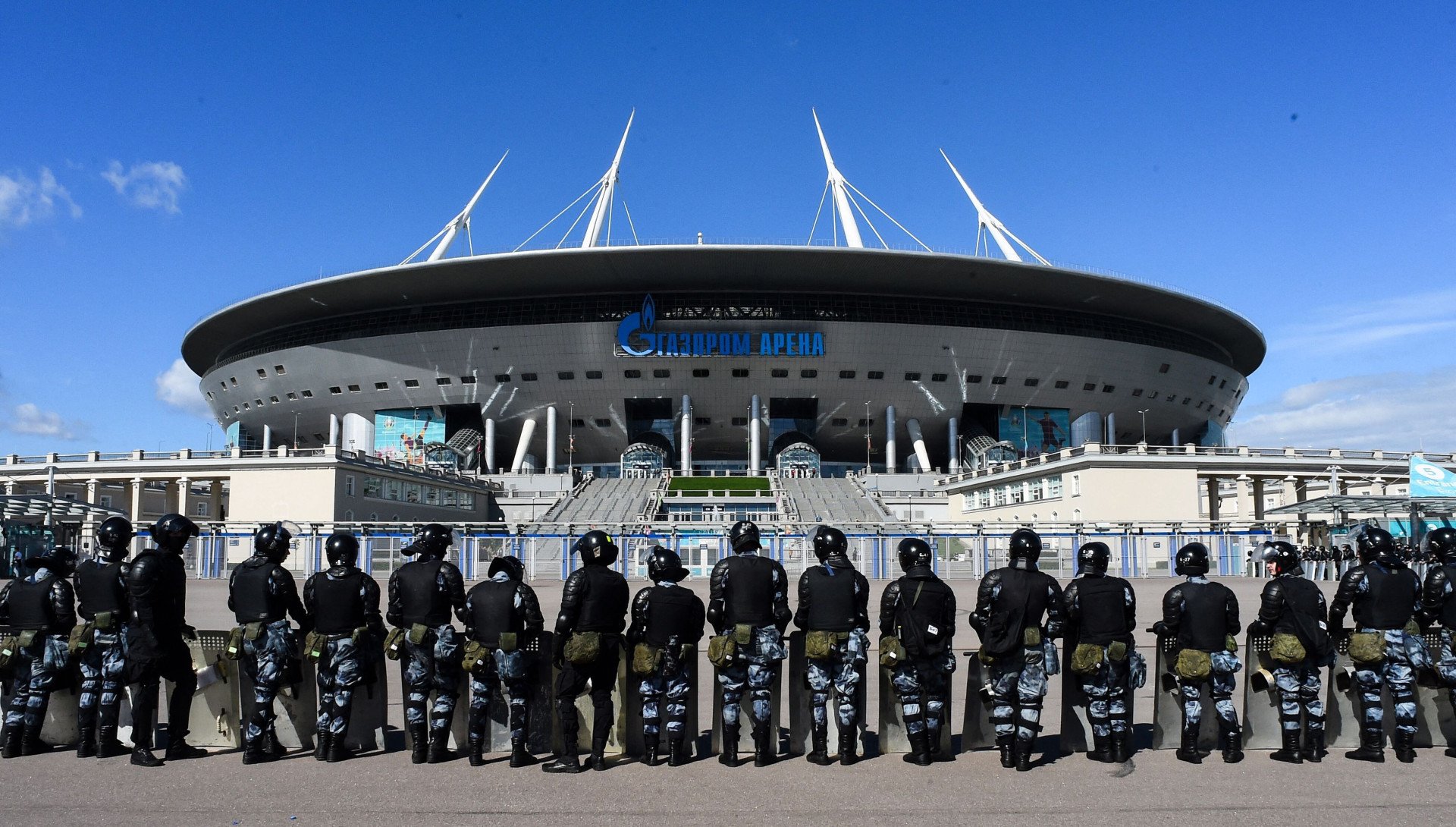
UEFA has funneled more than $12.6 million to Russian soccer clubs since Moscow’s full-scale invasion of Ukraine—despite banning them from competition—while blocking similar payments to five Ukrainian teams it claims are in a “war zone.”
 Prefer U24 Media on Google
- Authors


UEFA has quietly sent more than $12.64 million in “solidarity” funds to Russian soccer clubs since banning them from European competition over the Kremlin’s full-scale invasion of Ukraine—even as five Ukrainian clubs say they’ve been denied similar payments because of their location in what officials allegedly called a “zone of military operations,” The Guardian reported on August 8.
Solidarity payments are designed to help clubs that don’t qualify for European competitions, offsetting the financial imbalance created when other teams cash in from Champions League or Europa League participation.
Russian clubs, along with the national team, have been barred from all international competitions since Russian leader Vladimir Putin ordered the invasion of Ukraine in February 2022. But UEFA’s financial records show that it hasn’t stopped the payouts:
$3.87 million in 2022–23
$3.95 million in 2023–24
$4.94 million for the upcoming 2024–25 season
Plus $7.27 million in 2021–22, just before the ban took effect
The Russian Football Union, still a full UEFA member, is required to distribute the funds to clubs.

Ukrainian clubs: “completely unclear” restrictions
According to the Guardian, in a letter dated July 27 to UEFA President Aleksander Čeferin, directors from five Ukrainian clubs — Chornomorets and Real Pharma (Odesa), IFC Metalurg (Zaporizhzhia), FSC Phoenix Mariupol (occupied Mariupol), and FC Metalist 1925 (Kharkiv)—said they had been denied solidarity payments for both the 2023–24 and 2024–25 seasons.
The clubs say UEFA officials and Ukraine’s own football association told them the blockage was due to unspecified requirements from a Swiss bank, allegedly tied to their “geographical location” in a war zone.
“We have not received any more detailed information or any legal justification for these restrictions on payments,” the letter says.
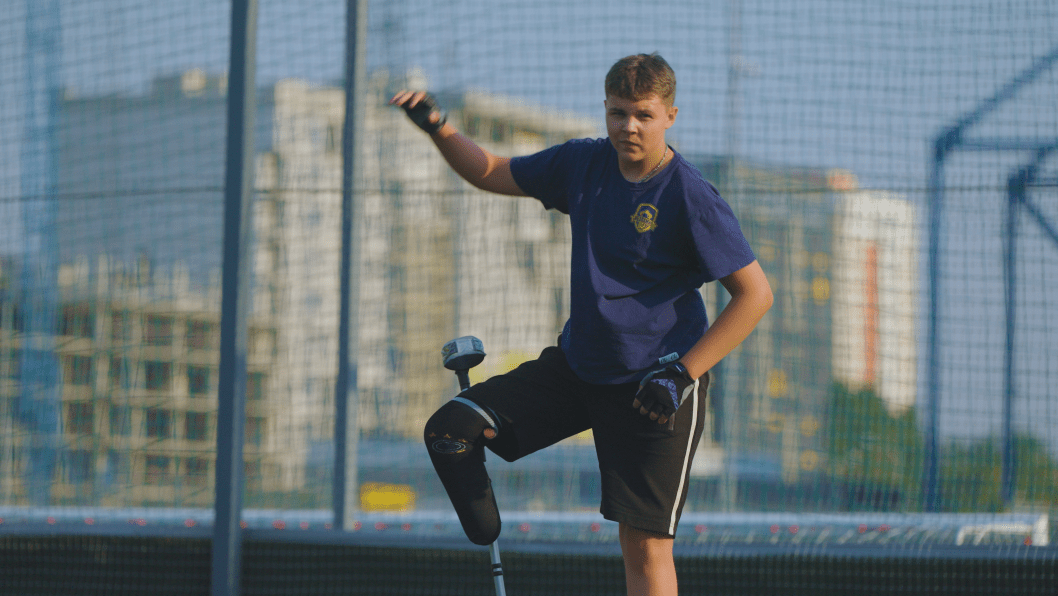
“The wording used in relation to the ‘zone of military operations’ is completely unclear to us and does not correspond to reality. The zone of military operations, or rather the zone of military aggression of Russia, is not a specific region of our country, but the whole of Ukraine.”
While Mariupol and parts of Zaporizhzhia are under Russian occupation, Odesa and Kharkiv are not.
The directors stressed that the war has left many Ukrainian fans fighting—and dying—on the front lines. “Any additional financial assistance and support will certainly help the clubs to ease the burden of financial expenses which, as mentioned above, due to the circumstances of military aggression, cannot be balanced by possible revenues,” they wrote.
UEFA silent on decision
UEFA initially told it would issue a statement on the payments, but never followed up. The revelations are likely to renew criticism of the governing body’s stance toward Russia, whose federation has not been suspended.
Russia maintains influence within UEFA: Polina Yumasheva, the former wife of billionaire Oleg Deripaska and daughter of a one-time Putin adviser, sits on UEFA’s governance and compliance committee, The Guardian noted.
UEFA’s past handling of the war has already drawn outrage. In 2022, it fined Ukraine’s national coach, Oleksandr Petrakov, after he told The Guardian he would take up arms against Russia.
In 2023, UEFA floated the idea of letting Russia’s under-17 team return to competition—but scrapped it after at least a dozen countries, including England, protested.
In March, Ukraine’s football association also complained that UEFA still awards Russia ranking points each season despite its ban. Critics argue that even assigning Russia the lowest points it’s earned in the past five years undermines the intended impact of the suspension.
Earlier, Britain had threatened legal action against Russian businessman Roman Abramovich over £2.5 billion ($3.4 billion) in frozen proceeds from his sale of Chelsea Football Club, funds he intended for victims of Russia’s war in Ukraine.
Discuss this article:



-c439b7bd9030ecf9d5a4287dc361ba31.jpg "Photo of Katherina Popilnichenko")

-72b63a4e0c8c475ad81fe3eed3f63729.jpeg "Photo of Cyril Barabaltchouk")