- Category
- Latest news
“There Are No Children, There Are People”: Chile Exhibition Reveals Russia’s Crime of Stolen Ukrainian Kids
 Prefer U24 Media on Google
- Authors


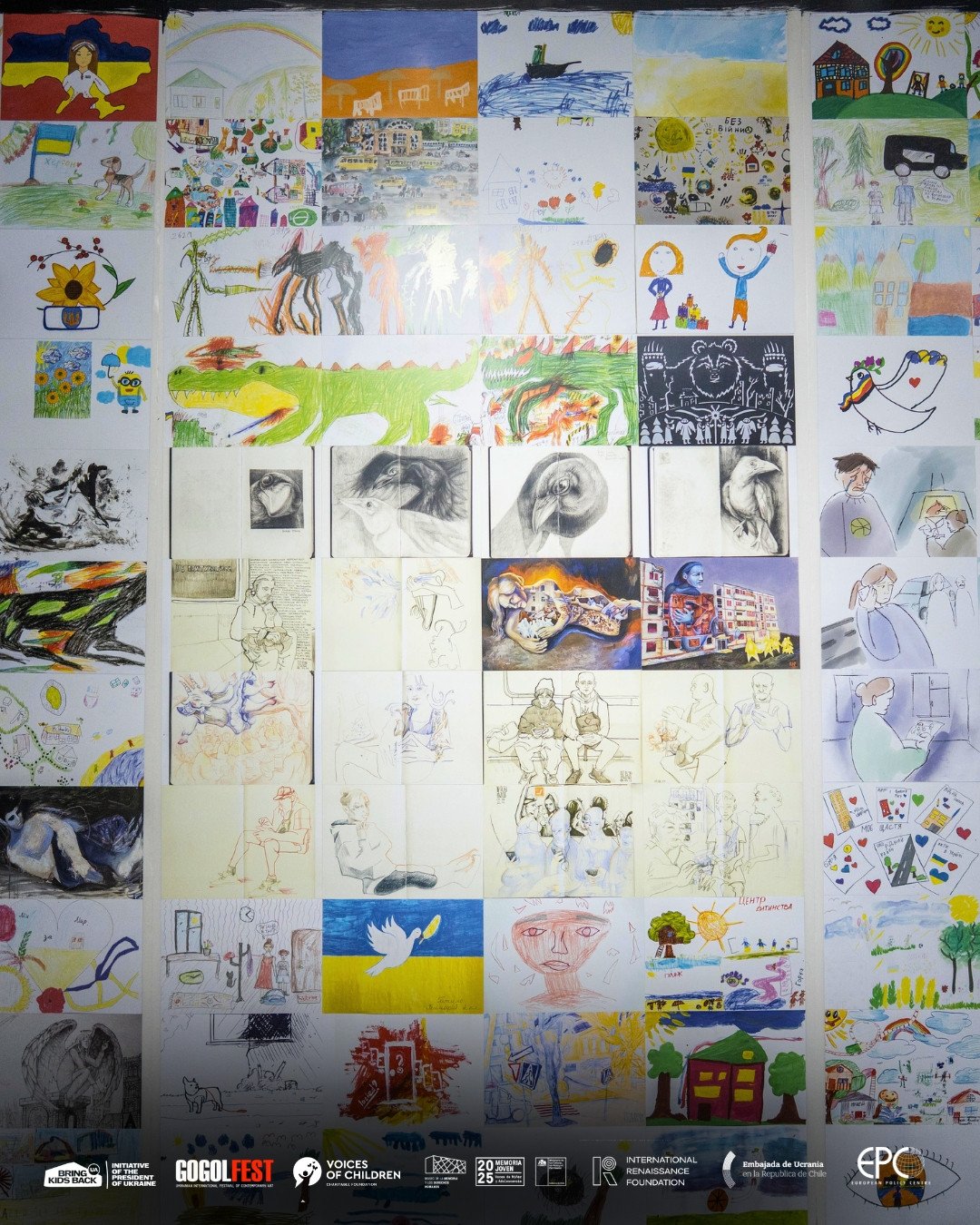
The multimedia exhibition There Are No Children, There Are People (No hay niños, hay gente) opened on October 17 at the Museum of Memory and Human Rights in Santiago, Chile. The project exposes the illegal deportation and forced displacement of thousands of Ukrainian children by Russia.
Implemented under the Ukrainian Presidential initiative Bring Kids Back UA, the exhibition was opened by the Ambassador of Ukraine to Chile, Yuriy Diudin, the exhibition curator Vladyslav Troitskyi, psychologist Oksana Pysarieva, and the museum director, María Fernanda García Iribarren.
Diudin, in his welcoming speech, highlighted the symbolic significance of the venue, which “embodies memory, truth, and justice.” He stressed that the abducted children “are not 'collateral victims'—they are people with their own dignity and dreams,” and every element of the exposition testifies to their pain and resilience.
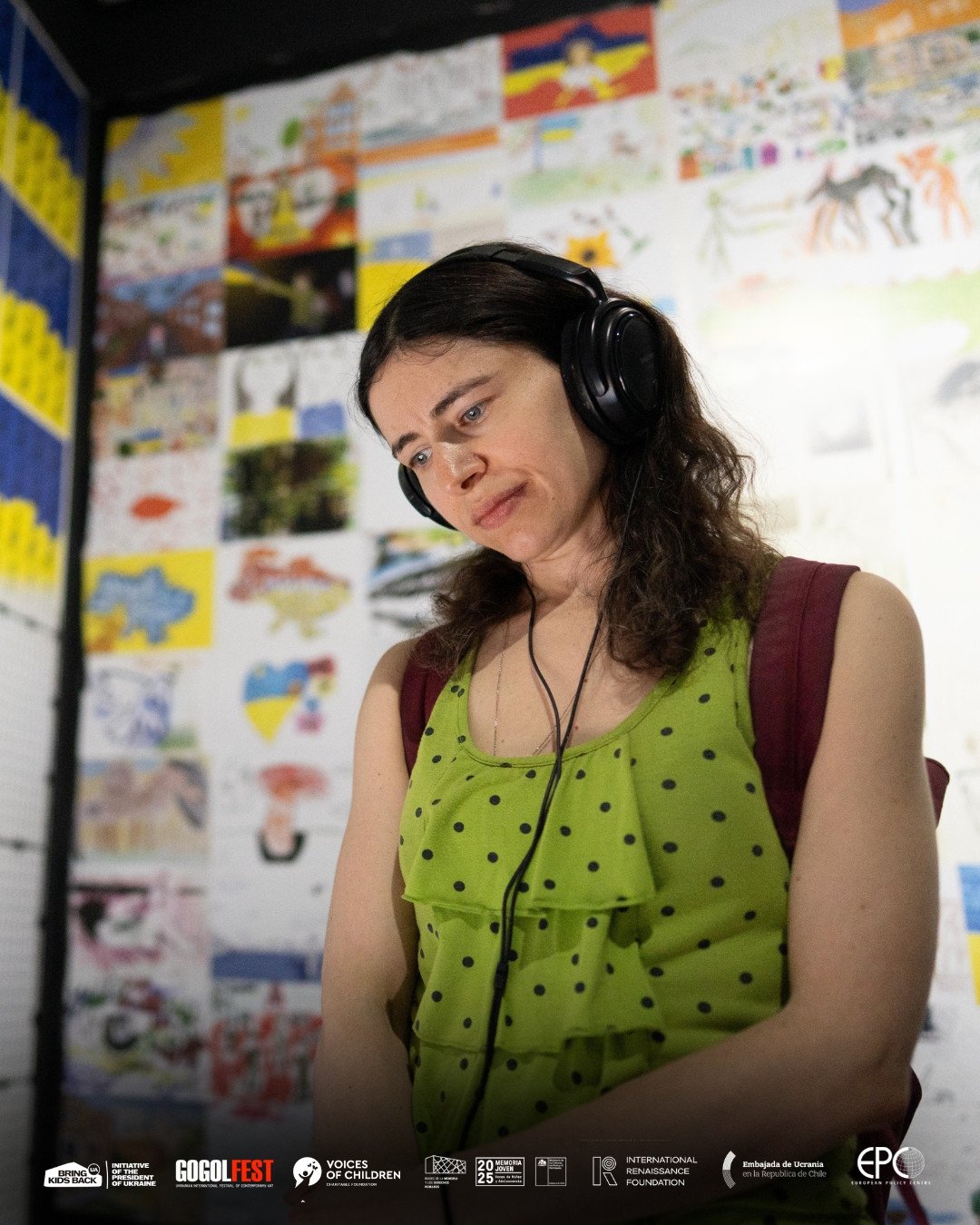
The Ambassador noted that since 2022, Russia has illegally deported tens of thousands of Ukrainian children, and since this systemic practice is recognized as a crime by the International Criminal Court, the return of every child home is the moral mission of the entire world.
The exposition features an installation of children’s drawings about the war, the animated works Mariupol. One Hundred Nights and There Are No Children, There Are People set to music by the Ukrainian band DakhaBrakha, and a series of documentary videos from the Voices of Children foundation and the Bring Kids Back UA campaign.
It also presents Generation, a short film exploring the experience of children returning home after displacement.
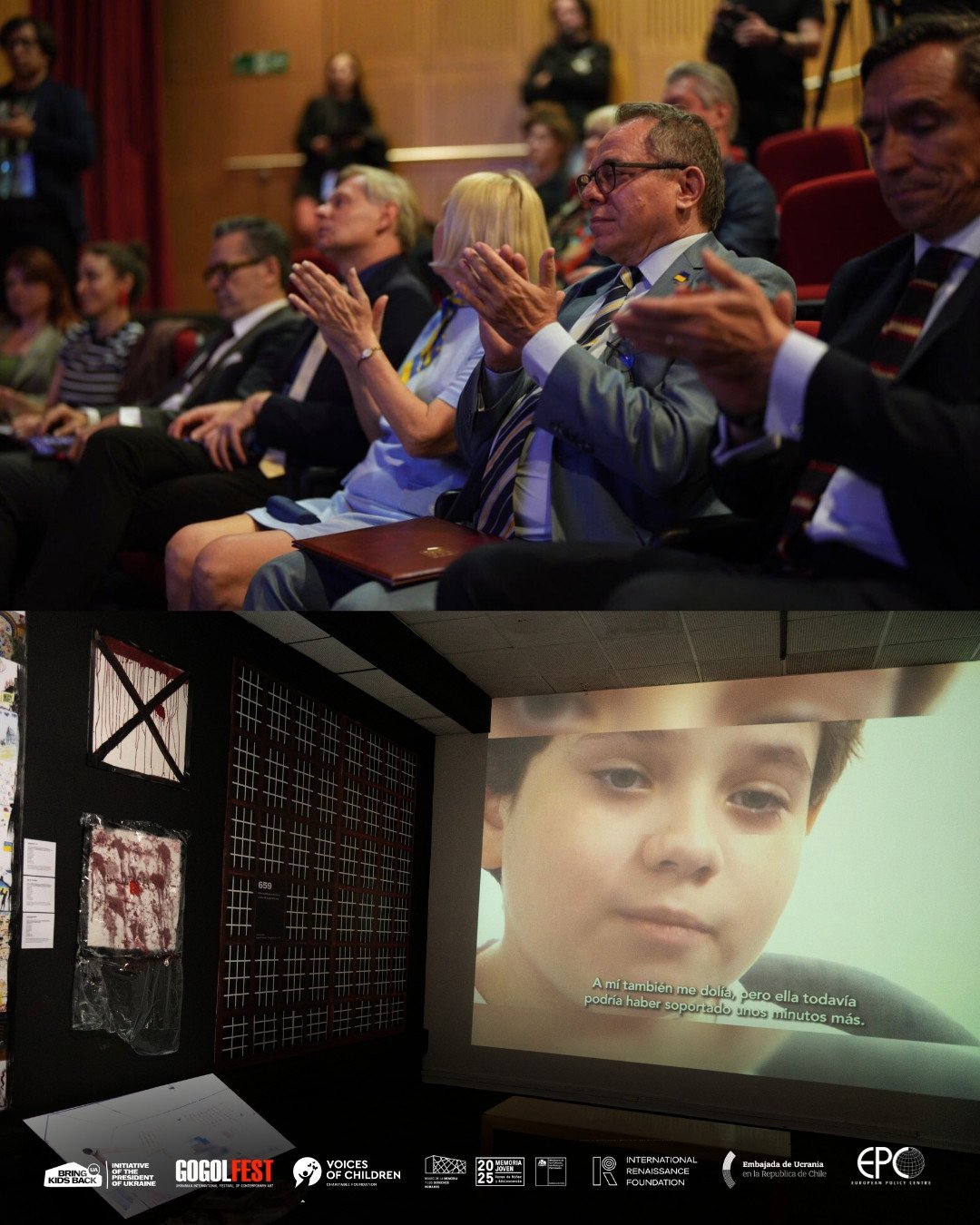
Legal analyst from the ZMINA Human Rights Centre, Onysia Syniuk, detailed the systemic violation of Ukrainian children's rights and called for concrete actions from the international community.
“It is important that this event becomes a call to action: to maintain international pressure on Russia, strengthen sanctions, and engage more countries in the Coalition for the Return of Ukrainian Children,” she stated.
Syniuk noted that the indoctrination and militarization of children are serious rights violations, not just side effects of the war.
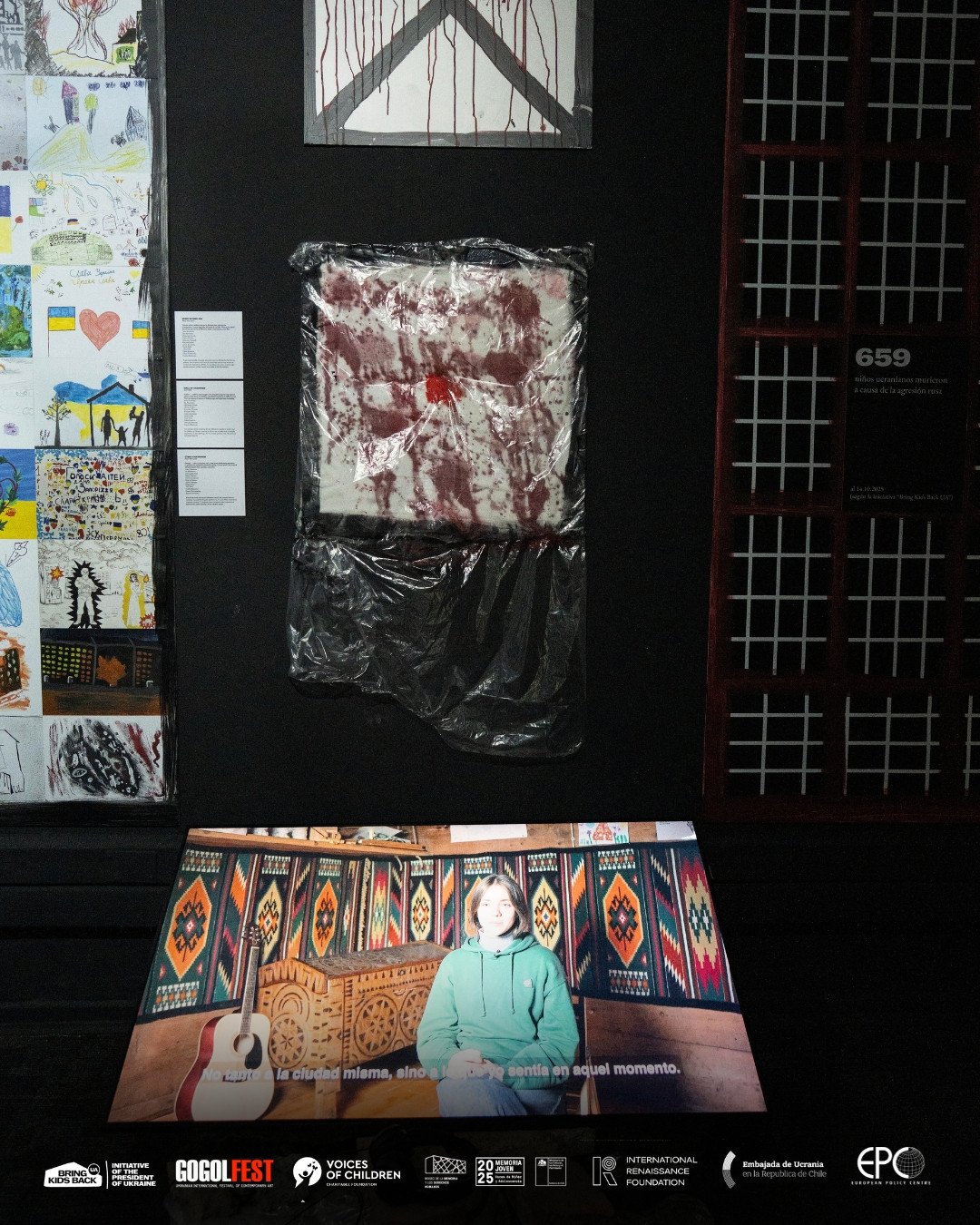
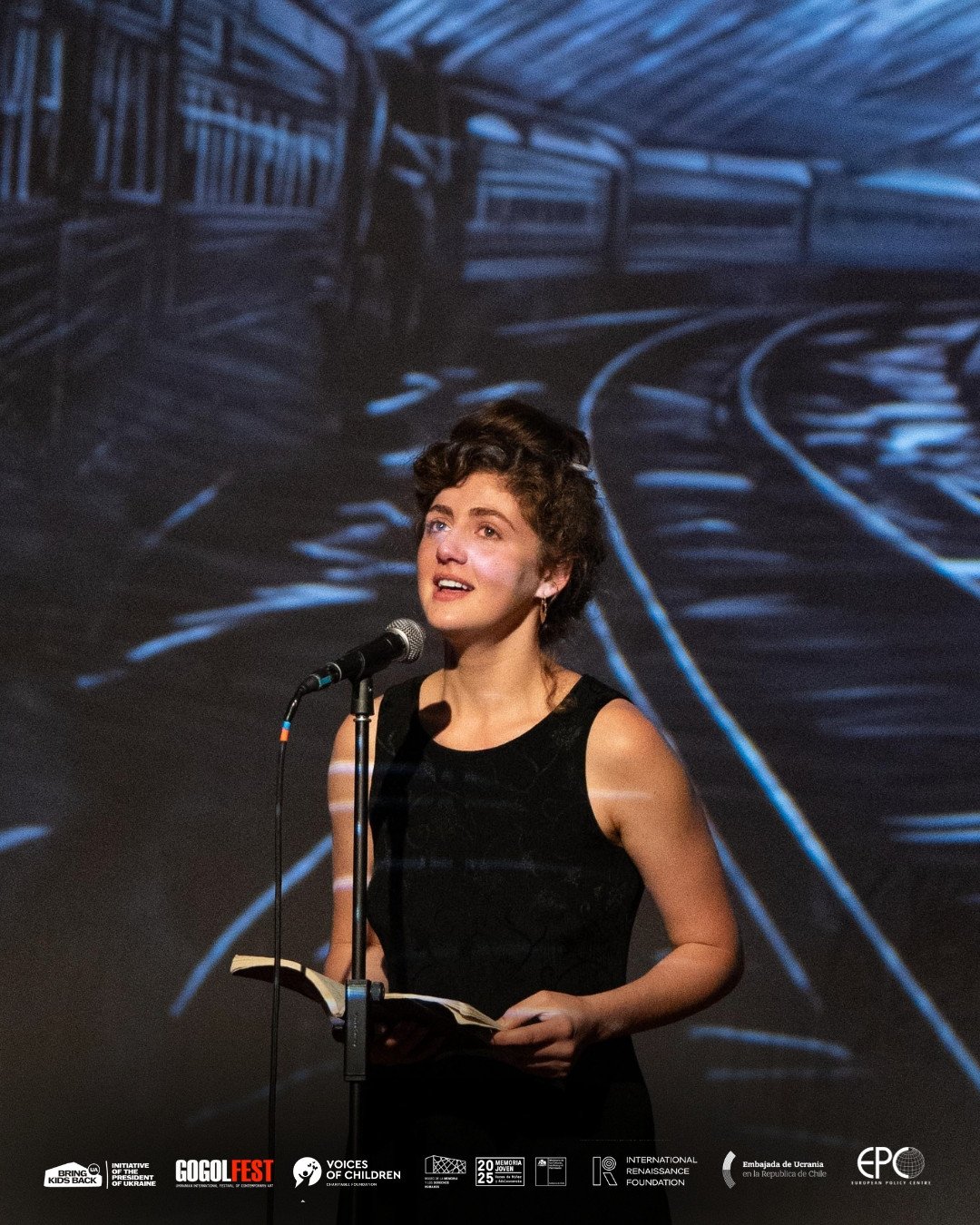
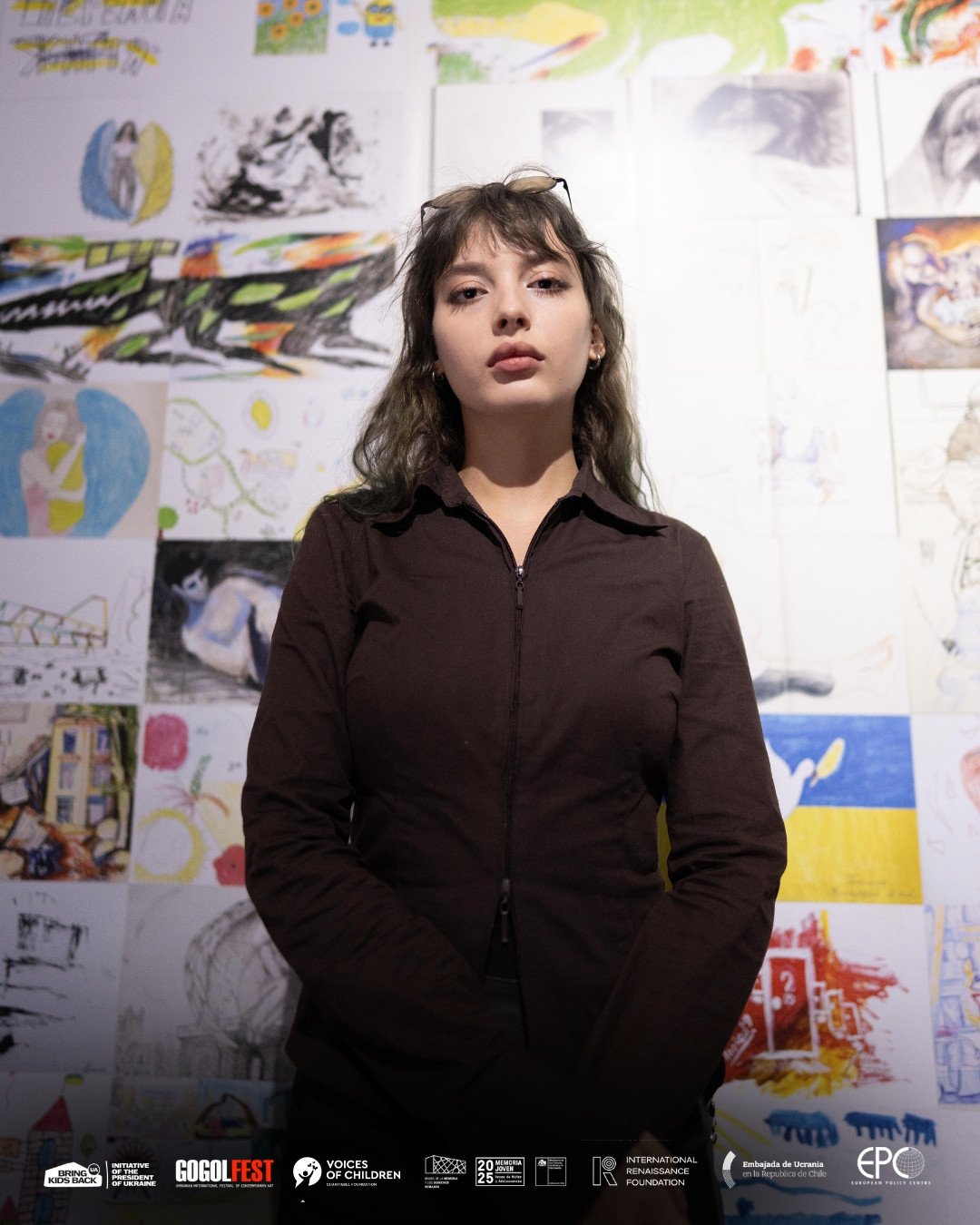
The special impact on the guests came from the speeches given by Ukrainian teenagers—Anna from Kharkiv and Marta from occupied Donetsk—who shared their personal experiences of the war and deportation.
Marta, eighteen, grew up in occupied Donetsk, where she studied remotely at a Ukrainian school. She waited until she came of age, then left and moved to Kyiv. She is currently a student at Kyiv National Linguistic University and dreams of becoming a linguist who studies Japanese. Anna Kovalenko, sixteen, from Kharkiv, is the subject of a video story about childhood during the war and deportation that was included in the exhibition.
According to Bring Kids Back, citing international organizations, over 1.6 million Ukrainian children are currently in Russian-occupied territories. Tens of thousands have been illegally deported to Russia and deeper into the occupied territories. Some of the children are forcibly sent to so-called “re-education camps,” pressured to renounce the Ukrainian language, have their citizenship changed, and are prepared for participation in Russia's future wars.
These actions are a systemic criminal policy by the Kremlin aimed at eradicating Ukrainian identity and bear the hallmarks of a war crime and genocide. The exhibition in Santiago is intended not only to show the world the scale of the tragedy but also to unite societies around a common demand: to return the children home.
The exhibition will run until November 30, 2025.
Earlier, Ukrainian authorities identified the leaders of the “Yunarmiya” (Youth Army) that operates in Russian-occupied Donetsk. This organization is being used by Russia to militarize children in the region and prepare them for military service.
Discuss this article:


-c439b7bd9030ecf9d5a4287dc361ba31.jpg "Photo of Katherina Popilnichenko")