- Category
- Latest news
“They Were Happy They Caught a Pole”: Testimony Reveals Ethnic Abuse in Russian Prison
 Prefer U24 Media on Google
- Authors




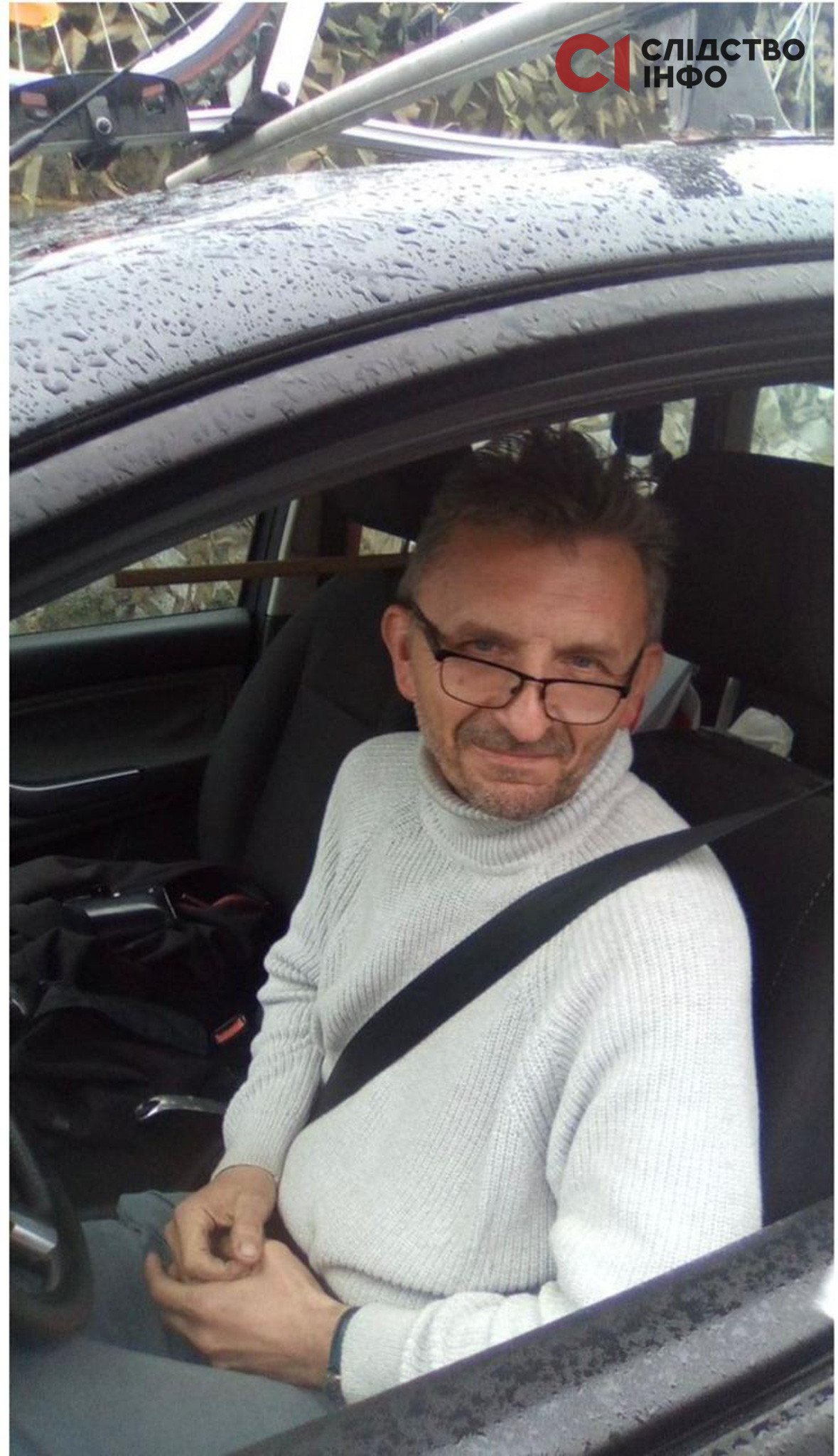
Polish citizen Krzysztof Galos was subjected to daily torture on ethnic grounds at Detention Center No. 2 in the city of Taganrog, Russia’s Rostov region. This is detailed in an investigation by Slidstvo.Info on February 6, citing testimony from Ukrainians released from Russian captivity who were held together with him.
According to former detainees, Russian guards systematically beat and humiliated the civilian Pole, called him “Lyak ,” and punished him for not speaking Russian. Andrii, a serviceman released from captivity, said that after Galos arrived at the detention center, a real frenzy began among the prison staff.
We bring you stories from the ground. Your support keeps our team in the field.
“They laughed and were happy that they had caught a Pole. They said, ‘You’re next, don’t relax, you’ve gotten too comfortable in your Europe, we’ll get to you,’” Andrii recalled.
Another former prisoner, known by the call sign “Brytva,” said guards forced Krzysztof Galos to speak Russian, a language he did not know, and beat him for it.
“They kept beating him and beating him, and forced him to learn the anthem of the Russian Federation. The guys there tried to teach him something,” he said.
Azov fighter Mykyta Semenov ruled out the possibility that Galos was pretending not to know Russian, as Russian guards had suggested.
“Honestly, when I heard him, I thought there was no way he was making anything up. He was in really bad shape. If he had known Russian, he would have said that he felt unwell. A person in despair will grab onto any opportunity to get help, to somehow make life easier. He did not know Russian—one hundred percent,” Semenov said.
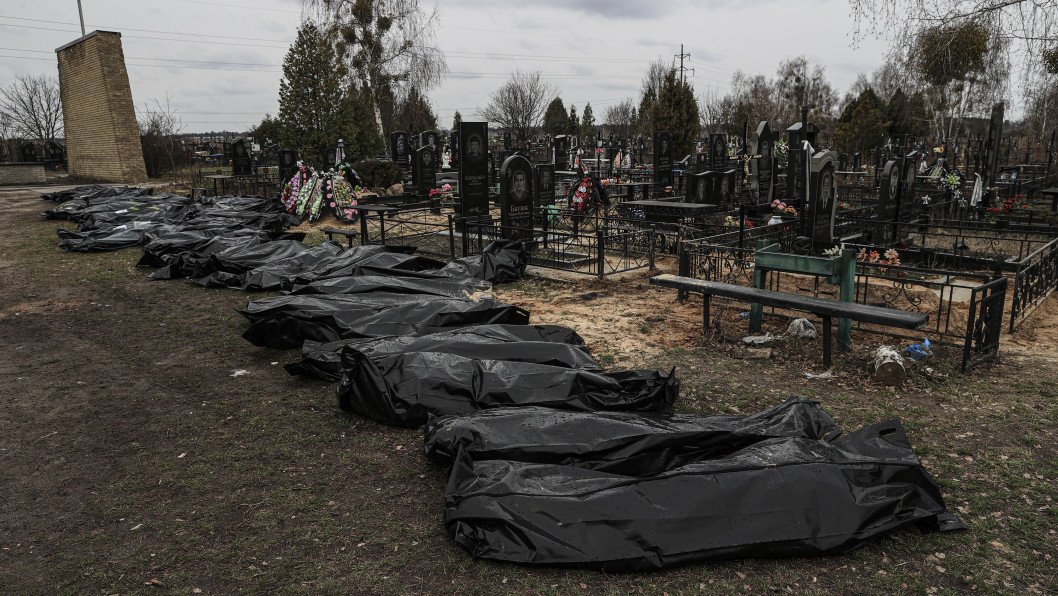
According to testimonies from former detainees, in July 2023, after another beating, Galos’ legs became severely swollen and covered in bruises. During breakfast, he lost consciousness. He was then carried out of the cell and never returned.
Another former prisoner, Hryhorii, said such symptoms are typical after severe beatings.
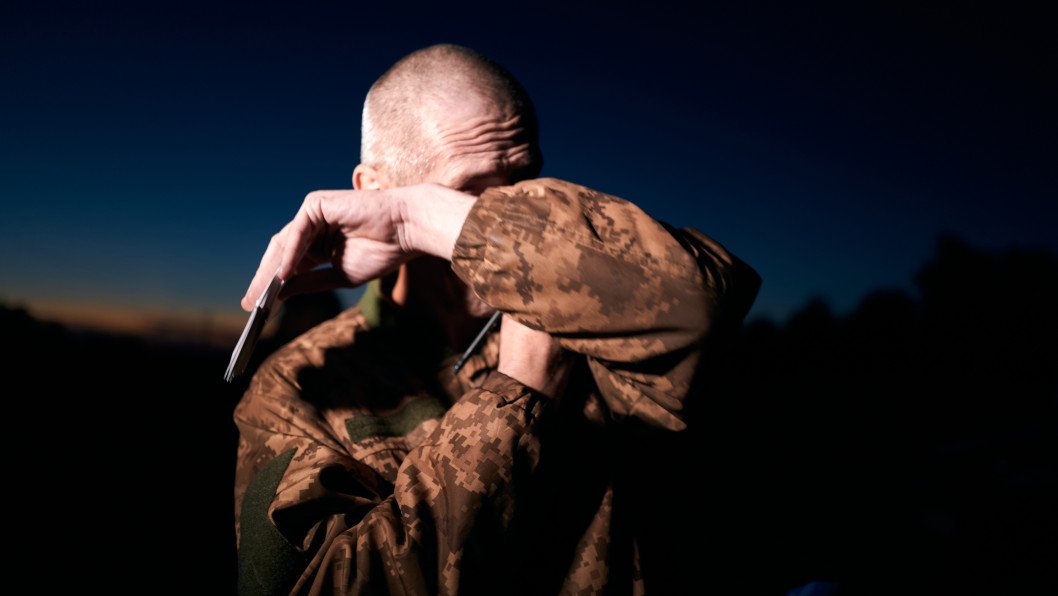
“Most of the blood in the body rushed to his leg. This is a well-known practice. I have seen this exact situation many times with other guys. A person starts losing consciousness because blood intensely flows to the injured area, as capillaries rupture and so on,” he recalled.
Later, Galos’ cellmates were forced to sign documents stating that the Pole had allegedly died of natural causes.
“They made us write explanations saying no one touched him in the cell, that detention center staff didn’t touch him, that he died on his own,” one former detainee said.
Earlier, an investigation by Schemes, a project of Radio Free Europe/Radio Liberty, identified two Russian doctors—Andrey Kryachko and Yuriy Kuznetsov—as suspected of taking part in the mutilation of a Ukrainian prisoner of war during a surgical procedure at a hospital in Russian-occupied Donetsk.
The report draws on witness testimony, internal hospital documents, metadata analysis, and border-crossing data. Ukrainian law enforcement agencies have confirmed that the findings will be incorporated into an ongoing war crimes investigation.
Discuss this article:



-c439b7bd9030ecf9d5a4287dc361ba31.jpg "Photo of Katherina Popilnichenko")