- Category
- Latest news
UK and France to Send 5,000 Troops Each to Ukraine Under “Coalition of the Willing”
 Prefer U24 Media on Google
- Authors

-c439b7bd9030ecf9d5a4287dc361ba31.jpg "Photo of Katherina Popilnichenko")
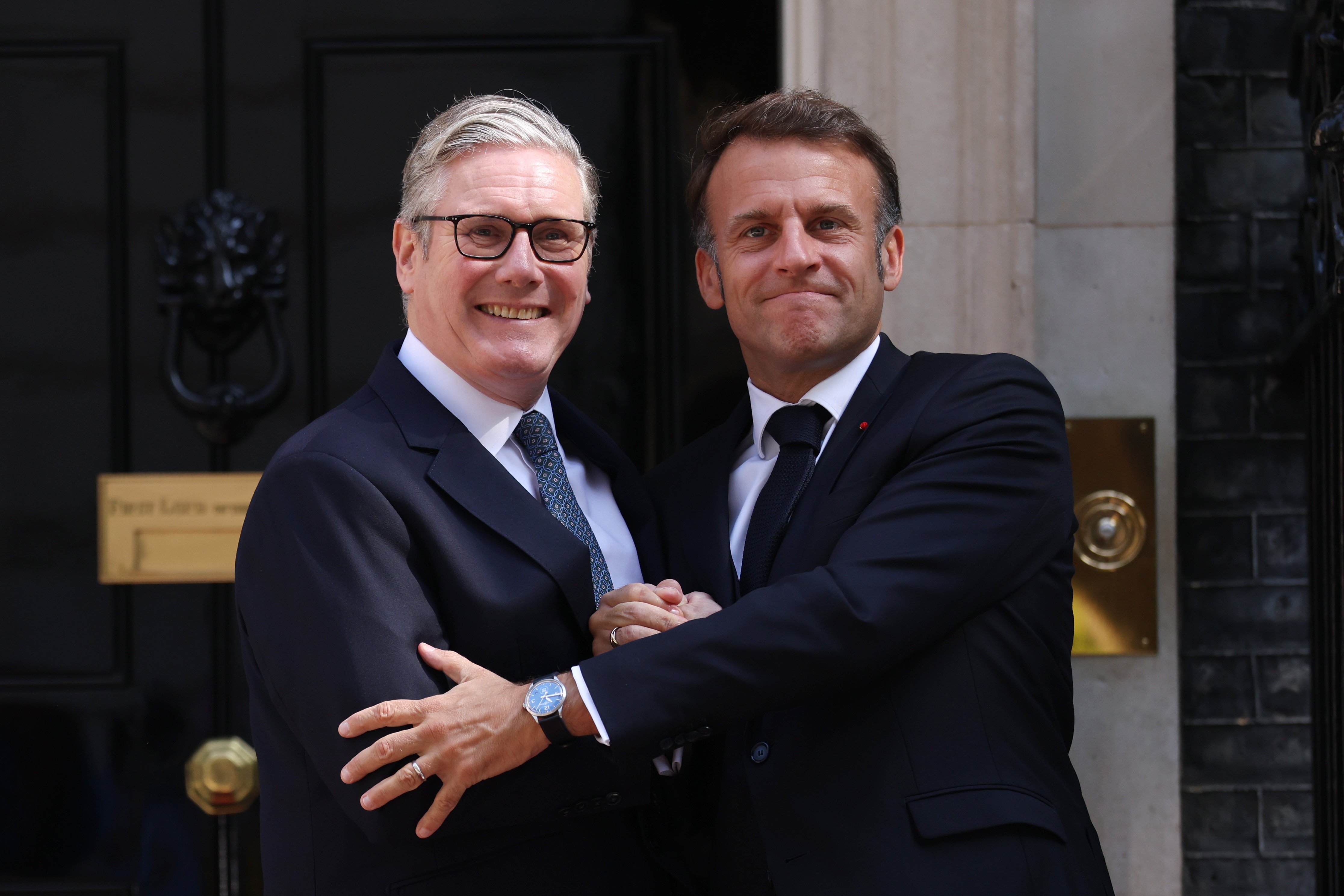
The Ukrainian President Volodymyr Zelenskyy has announced that the UK and France are prepared to send international military contingents to Ukraine, with each country contributing 5,000 personnel. While the commitment is clear, the specific locations where these units will be stationed remain a subject of discussion.
During an interview with AFP on February 22, Zelenskyy explained that the two nations could provide a total of approximately 10,000 troops, which equates to one brigade from each country.
We bring you stories from the ground. Your support keeps our team in the field.
“France and Britain can provide about 10,000, that is, allocate a brigade each. Brigades vary, and in our understanding, up to 5,000 is one brigade. When we signed our declaration with all the participants of the Coalition of the Willing, we understand that these two countries are already ready to provide a brigade each,” the President said.
During that meeting, Ukraine, France, and Great Britain signed a trilateral Declaration of Intent regarding the deployment of multinational forces in Ukraine following a ceasefire. British Prime Minister Keir Starmer also stated at the time that after a ceasefire, Britain and France would establish military hubs across Ukraine and build secure facilities to store weapons and equipment.
Zelenskyy mentioned that other nations have also signaled a willingness to send personnel to Ukraine. However, the exact deployment zones for these units are still undecided. He expressed a preference for these international forces to be positioned closer to the front lines.
“We wanted to see the contingent closer to the front line. That is, relatively speaking, the Poles did not confirm their presence, but if Poland, for example, offered its presence in Lviv, then we do not need that. That is, we do not work that way. Right? It is better than if Poland had the opportunity to give its logistics for planes, for air defense,” Zelenskyy explained.
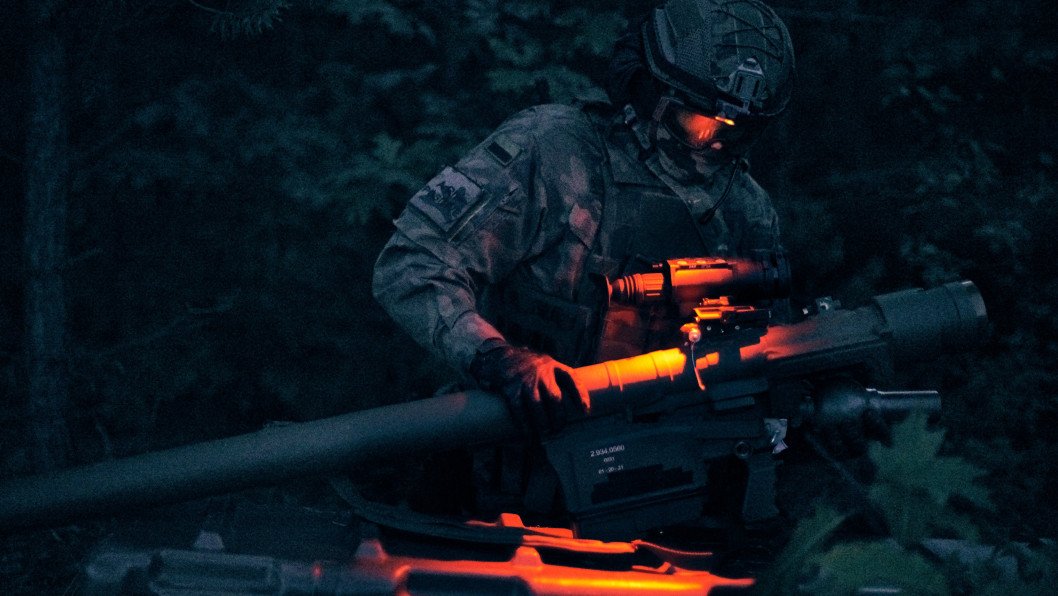
The Ukrainian President admitted that no international contingents have yet shown a readiness to serve on the immediate front lines of Russia’s full-scale invasion of Ukraine. He described the desire for partners to stand alongside Ukrainian soldiers on the first line as a logical goal.
He suggested that if neighboring countries like Poland or the Baltic states view Belarus as a shared threat, they could potentially station troops along the Ukrainian-Belarusian border. He argued that while that area is not as dangerous as the active front, having partners there would allow Ukraine to move its own seasoned units to more critical directions.
When asked how international partners responded to this specific plan, Zelenskyy noted that there has been no official answer yet. The potential for these multinational forces follows a summit held in Paris on January 6, 2026.
-1c91e31ae6d87f29e0d7d16254e7af67.jpg)
Earlier, French President Emmanuel Macron convened a meeting of the so-called Coalition of the Willing in Paris to mark the fourth anniversary of Russia’s full-scale invasion of Ukraine.
Speaking ahead of the gathering, French Foreign Minister Jean-Noël Barrot said more than 30 countries were coordinating military efforts to help secure lasting peace for Ukraine and stressed that Russia’s losses since the start of the war had surpassed one million, exceeding its combined military losses since 1945. He also noted that a 20th EU sanctions package was ready for adoption.
Discuss this article:
-4a56a6b482ec132402c16ef6fcabf9a2.png)




-72b63a4e0c8c475ad81fe3eed3f63729.jpeg "Photo of Cyril Barabaltchouk")