- Category
- Latest news
UK F-35Bs Score First Air-to-Air Kills as Britain Bolsters Mediterranean Defenses
 Prefer U24 Media on Google
- Authors

-72b63a4e0c8c475ad81fe3eed3f63729.jpeg "Photo of Cyril Barabaltchouk")
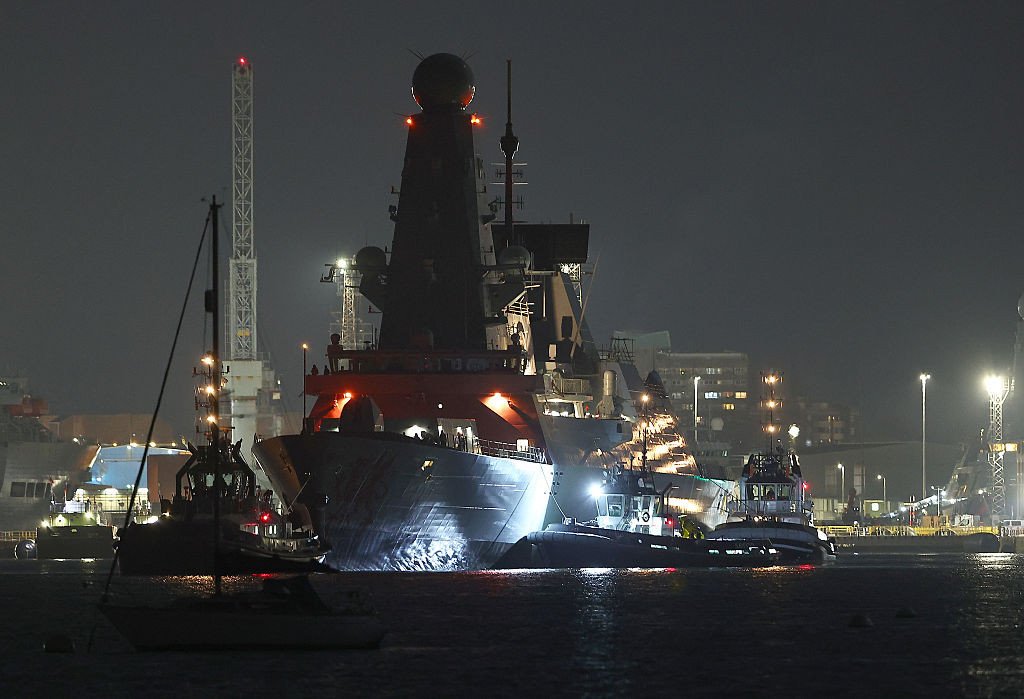
The United Kingdom is enhancing its military presence in the Eastern Mediterranean in response to escalating tensions and the increasing threat of drones and missiles in the region, Uk Defence Journal reported on March 4.
The UK Ministry of Defence has confirmed the deployment of the Type 45 destroyer HMS Dragon and Royal Navy Wildcat helicopters, reinforcing the UK’s air defense and counter-drone capabilities.
We bring you stories from the ground. Your support keeps our team in the field.
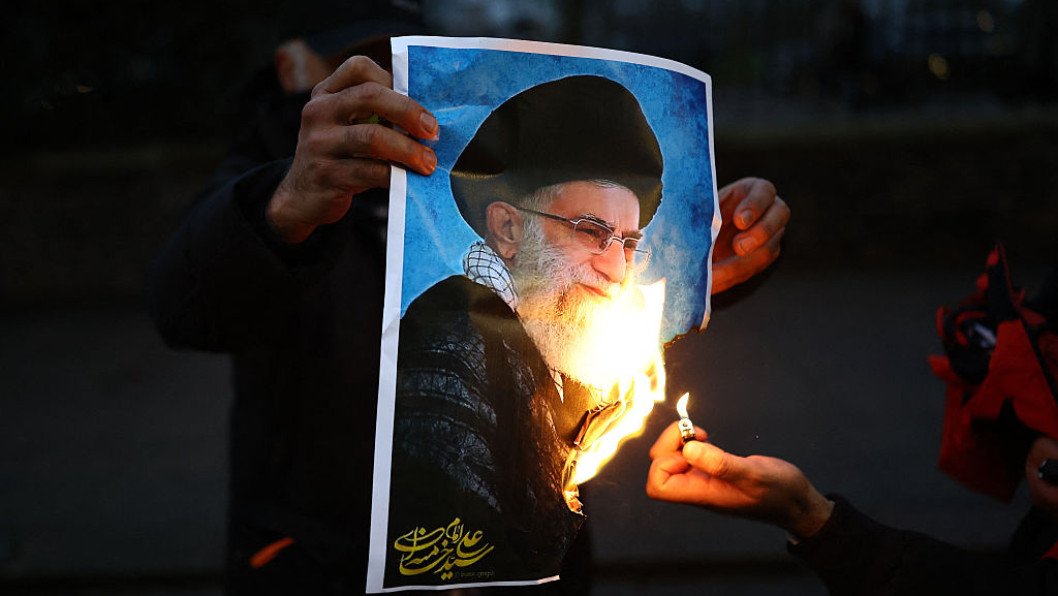
The UK’s rapid military deployment is a direct response to the explosive regional fallout following the assassination of Iranian Supreme Leader Ali Khamenei. After a joint US-Israeli strike killed Khamenei in Tehran, Iran launched a wave of retaliatory drone and missile attacks against US and allied targets, including a direct drone strike that hit the runway at the British military base RAF Akrotiri in Cyprus.
HMS Dragon, equipped with the Sea Viper air defence system, will sail to the Mediterranean to defend British interests and support the collective self-defense of its allies. The Sea Viper system, known for its capability to launch multiple missiles in rapid succession and guide them simultaneously, has proven its effectiveness in previous operations.
Notably, it successfully intercepted a hostile threat in 2024, showcasing its prowess in missile engagements, UK Defense Journal reported.
“HMS Dragon brings world-class air defence capability, and our Wildcat helicopters are armed with Martlet missiles to counter the growing drone threat,” UK Defence Secretary John Healey stated.
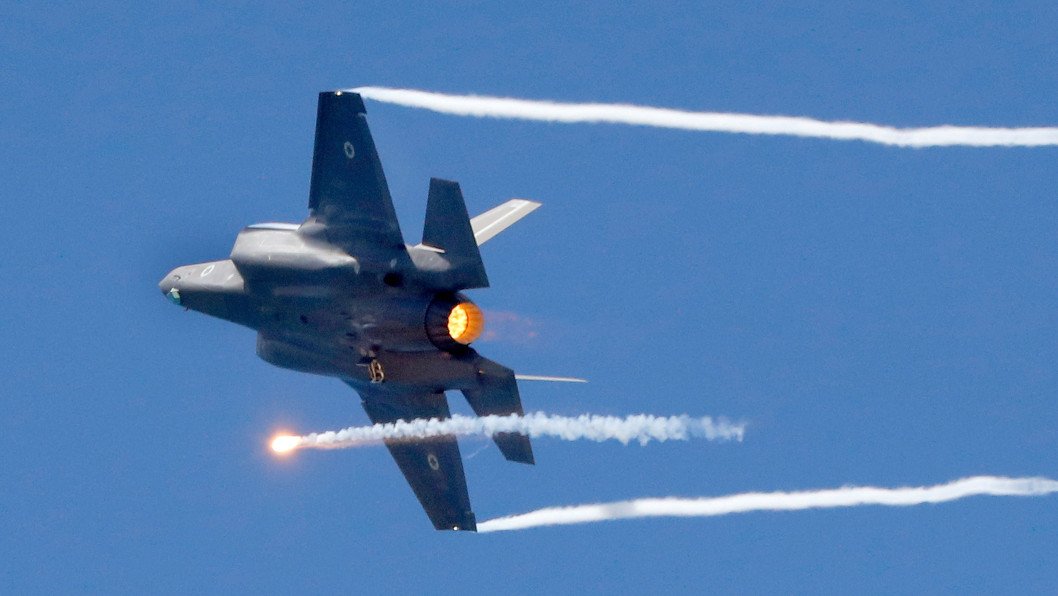
This deployment follows a series of defensive operations by UK forces. RAF F-35B jets shot down drones over Jordan, marking the first time an RAF F-35 has destroyed a target during operational duty.
“We are moving quickly to further reinforce our defensive presence in the Eastern Mediterranean,” John Healey said.
“I am deeply proud of the professionalism and bravery of our Armed Forces personnel who have in recent days successfully taken action across the region to protect our allies and defend British interests,” he continued.
The mission, part of a defensive activity in the region, was supported by RAF Typhoon jets and a Voyager tanker aircraft. The UK’s counter-drone efforts also extended to Iraqi airspace, where a British counter-drone unit neutralised incoming drones targeting Coalition forces.
In another operation, an RAF Typhoon, operating with the joint UK-Qatar 12 Squadron, successfully destroyed an Iranian one-way attack drone aimed at Qatar using an air-to-air missile, UK Defence Journal wrote.
To further strengthen its air defense capabilities, the UK is deploying two Royal Navy Wildcat helicopters, armed with Martlet missiles. These helicopters are specifically designed to detect and neutralise aerial threats, including drones, adding an additional layer of protection to the UK’s operations in the region.
The Ministry of Defence stated that these measures aim not only to protect British personnel and interests but also to contribute to regional stability and the collective self-defense of UK allies in the Middle East.
The UK is also increasing its capabilities to counter the increasing use of drones, a trend that has become a prominent feature of regional conflicts. The HMS Dragon and additional air assets, such as the F-35B and Typhoon jets, are expected to play a key role in addressing these emerging threats in the volatile region, UK Defence Journal reported.
Earlier, in response to the escalating tensions in the Middle East, French President Emmanuel Macron had announced that he had ordered the deployment of France’s flagship aircraft carrier, Charles de Gaulle, along with its air assets and frigate escort, to the Mediterranean.
This move came as the situation in the region had grown more unstable, with the conflict between US, Israel and Iran intensifying.
In a televised address, Macron stated that the decision was made in light of the growing uncertainties in the region. “Faced with this unstable situation and the uncertainties of the coming days, I have ordered the aircraft carrier Charles de Gaulle, its air assets, and its frigate escort to set sail for the Mediterranean,” Macron said.
Discuss this article:

-37d0c4e589b794d453938c254fb3d00d.png "Comoros-flagged tanker KHORYV, Dnipro city, Ukraine, 2021.")


-111f0e5095e02c02446ffed57bfb0ab1.jpeg "Photo of Roman Kohanets")