- Category
- Latest news
Ukraine’s Daring Mission to Save Centuries-Old Stone Statues Amid Russian Push
 Prefer U24 Media on Google
- Authors


-111f0e5095e02c02446ffed57bfb0ab1.jpeg "Photo of Roman Kohanets")

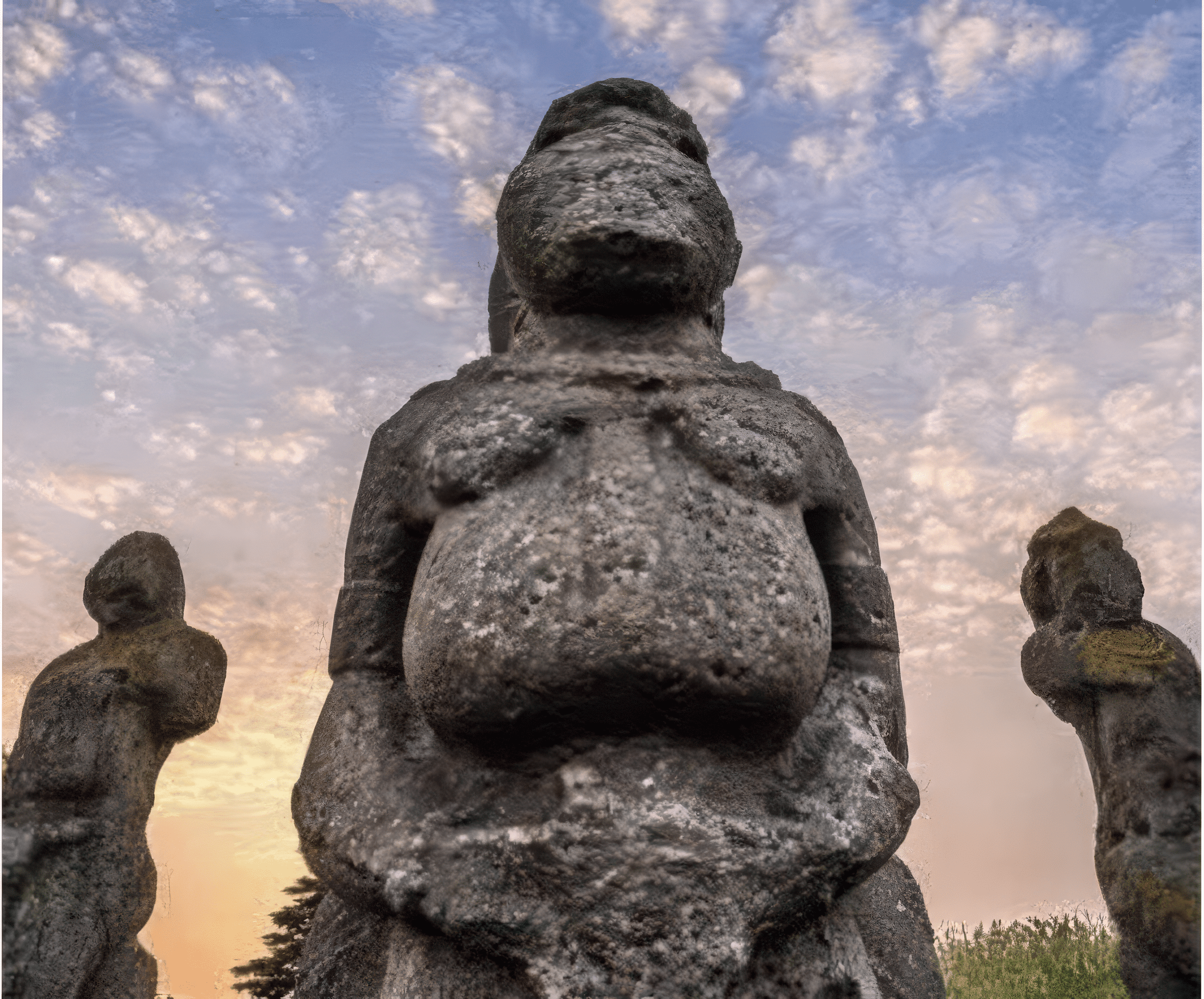
Ukrainian cultural authorities have accelerated efforts to remove and protect centuries-old stone statues known as "Babas" or "Polovtsian figures" as Russian forces push deeper into the country’s east, Mundo América reported on November 4.
The emergency operation, centered in the Dnipropetrovsk, Donetsk, and Zaporizhzhia regions, involves cooperation between the Dnipro National Historical Museum and Ukrainian army units. The aim is to prevent the looting or destruction of these relics, which are considered a vital link to Ukraine’s origins.
“These operations are carried out under constant threat from Russian drones and artillery,” said historian Yurii Fanihin, a collaborator with the National History Museum of Dnipro.
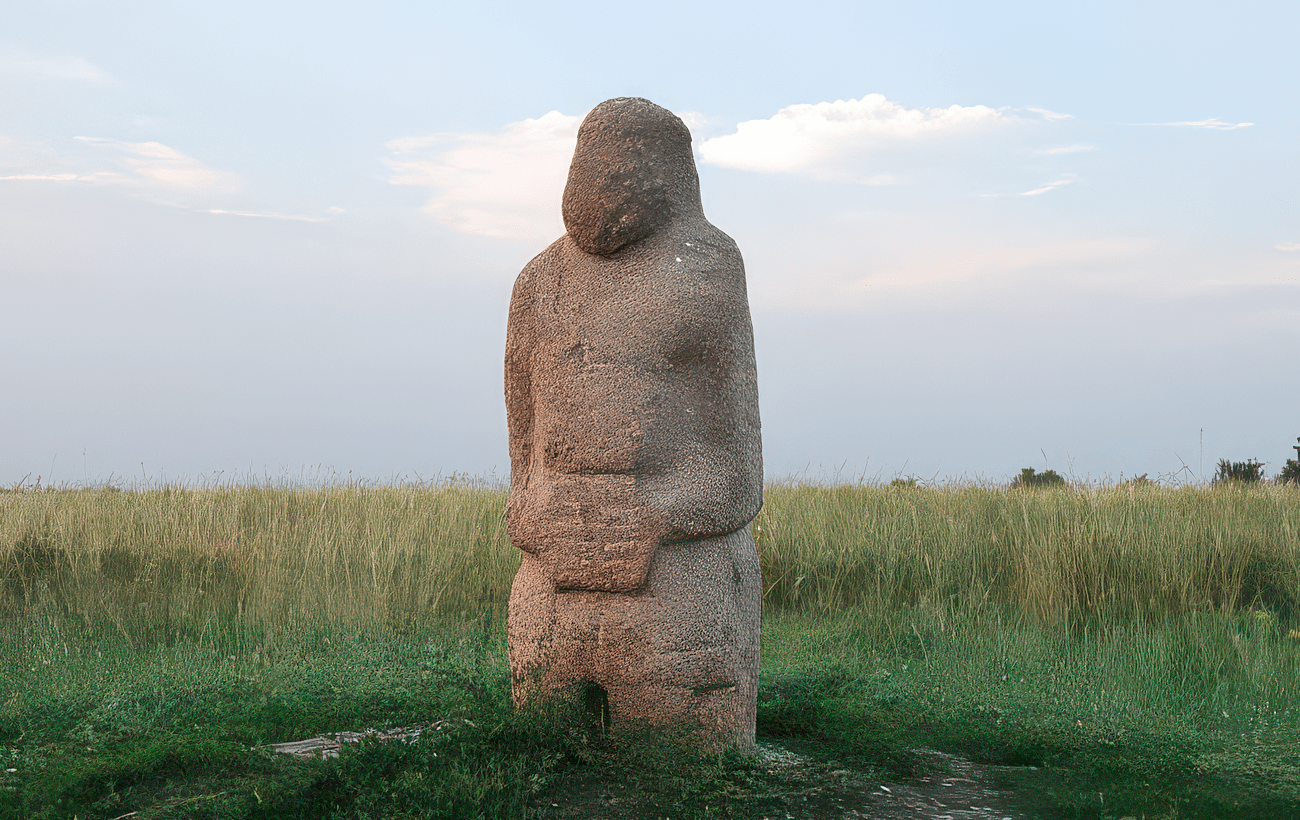
He recalled how the mission began: “It was a soldier from the Territorial Defense. He saw the statue in a village garden and told me about it. By chance, I spoke with a Polish friend who had also seen others nearby. Between February and March, we managed to rescue three.”
The so-called "Babas", believed to depict warriors or noble women, were created by the Cuman tribes, nomadic peoples of Turkic origin who lived in the steppe region until the 13th century.
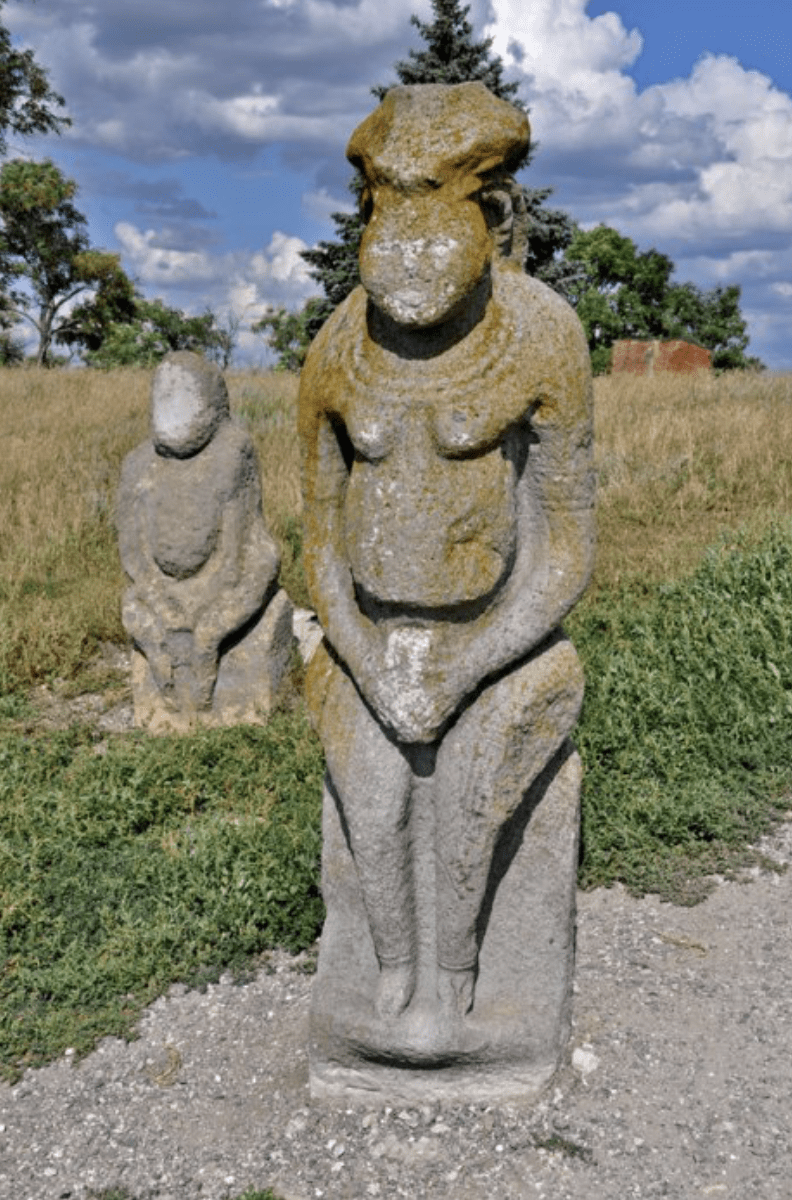
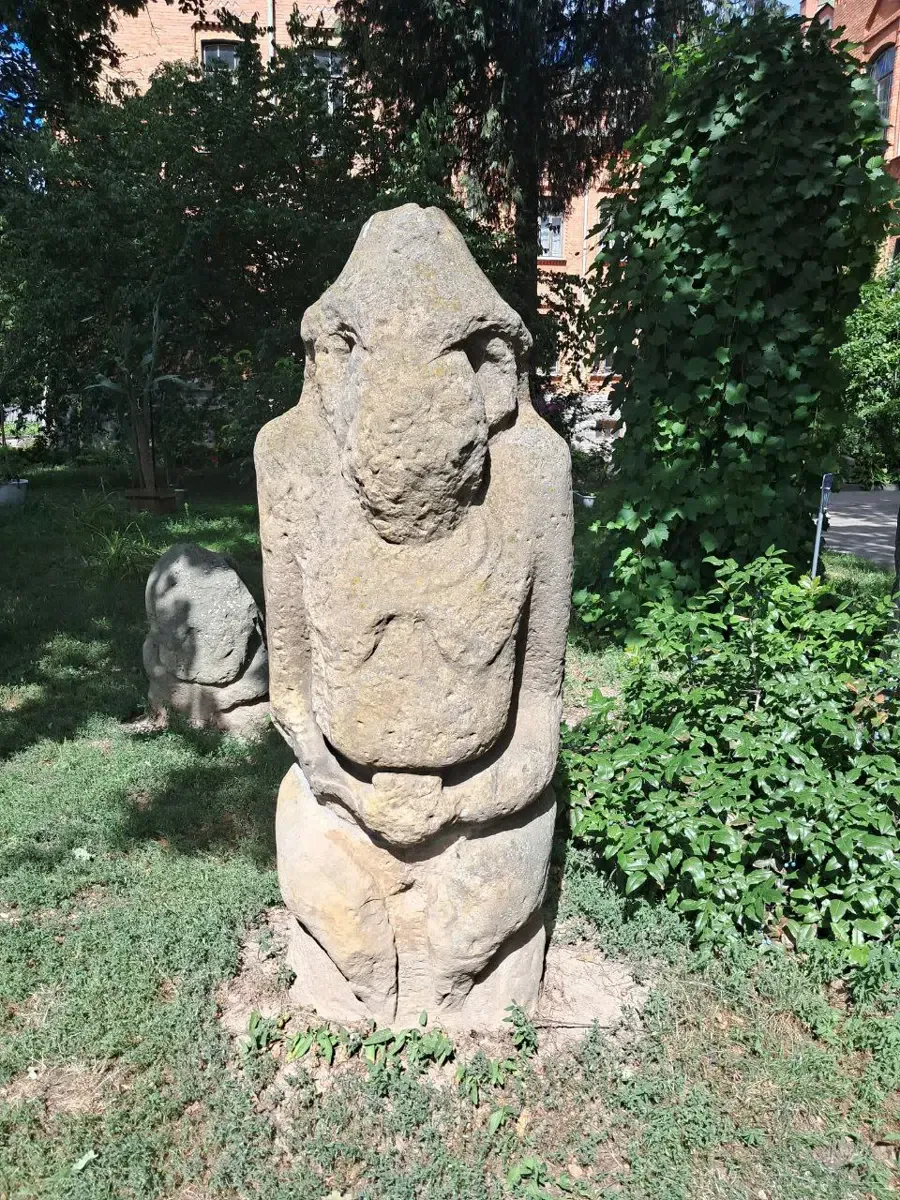
“They were nomads of Turkish origin called Cumans or Polovtsians,” Fanygin explained.
For Ukraine’s cultural officials, saving the “Babas” is both a preservation effort and an act of defiance.
“For Moscow, those territories belong to them—they are Slavic, according to their version,” said Oleksandr Starik, director of the Dnipro Museum. “Nomadic peoples like the Polovtsians do not fit with their myths.”
Earlier, it was reported that the full‑scale invasion has damaged over 1,255 cultural heritage sites in Ukraine, including national landmarks, local‑significance sites and newly documented ones.
Discuss this article:
-4a56a6b482ec132402c16ef6fcabf9a2.png)


-c439b7bd9030ecf9d5a4287dc361ba31.jpg "Photo of Katherina Popilnichenko")