- Category
- Latest news
Ukraine’s Deep-Strike Drone Reportedly Hits Russian Tanker—Kyiv Issues Firm Denial
 Prefer U24 Media on Google
- Authors




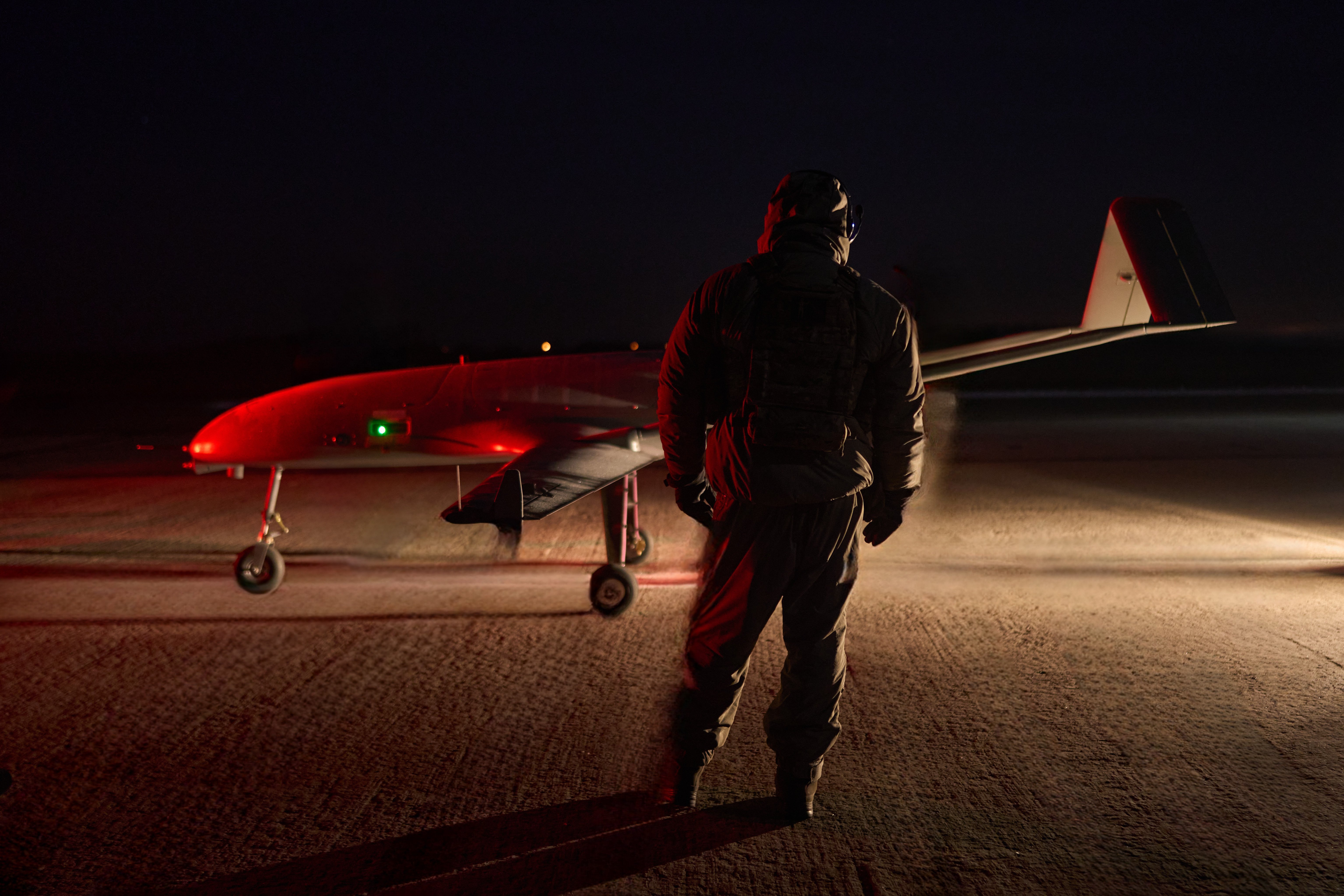
Russian state media have claimed that a Ukrainian drone strike targeted the Russian-flagged oil tanker Midvolga-1 in the Black Sea. However, Ukrainian officials have denied any involvement, suggesting the incident may have been staged.
According to Russian state written reports, the strike involved a Liutyi (An-196) drone targeting a moving vessel—indicating a possible expansion of Ukraine’s drone capabilities to include mobile maritime objectives.
On December 2, Defense Express said that, based on Russia’s public statements, the strike on the Russian-flagged oil tanker Midvolga-1 in the Black Sea may have been caused by one of Ukraine’s long-range drones, about 150 kilometers from the Russian-occupied port of Yalta.
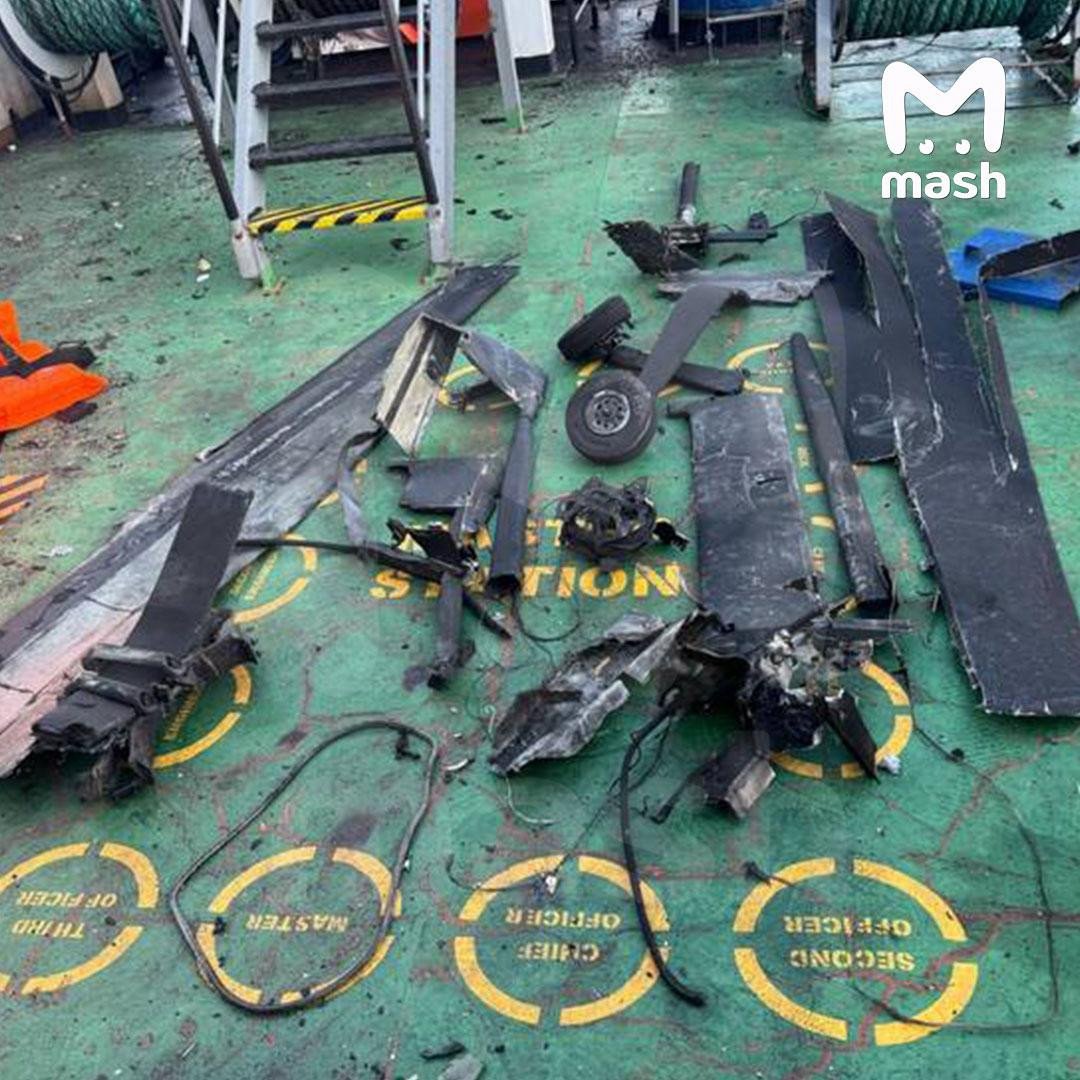
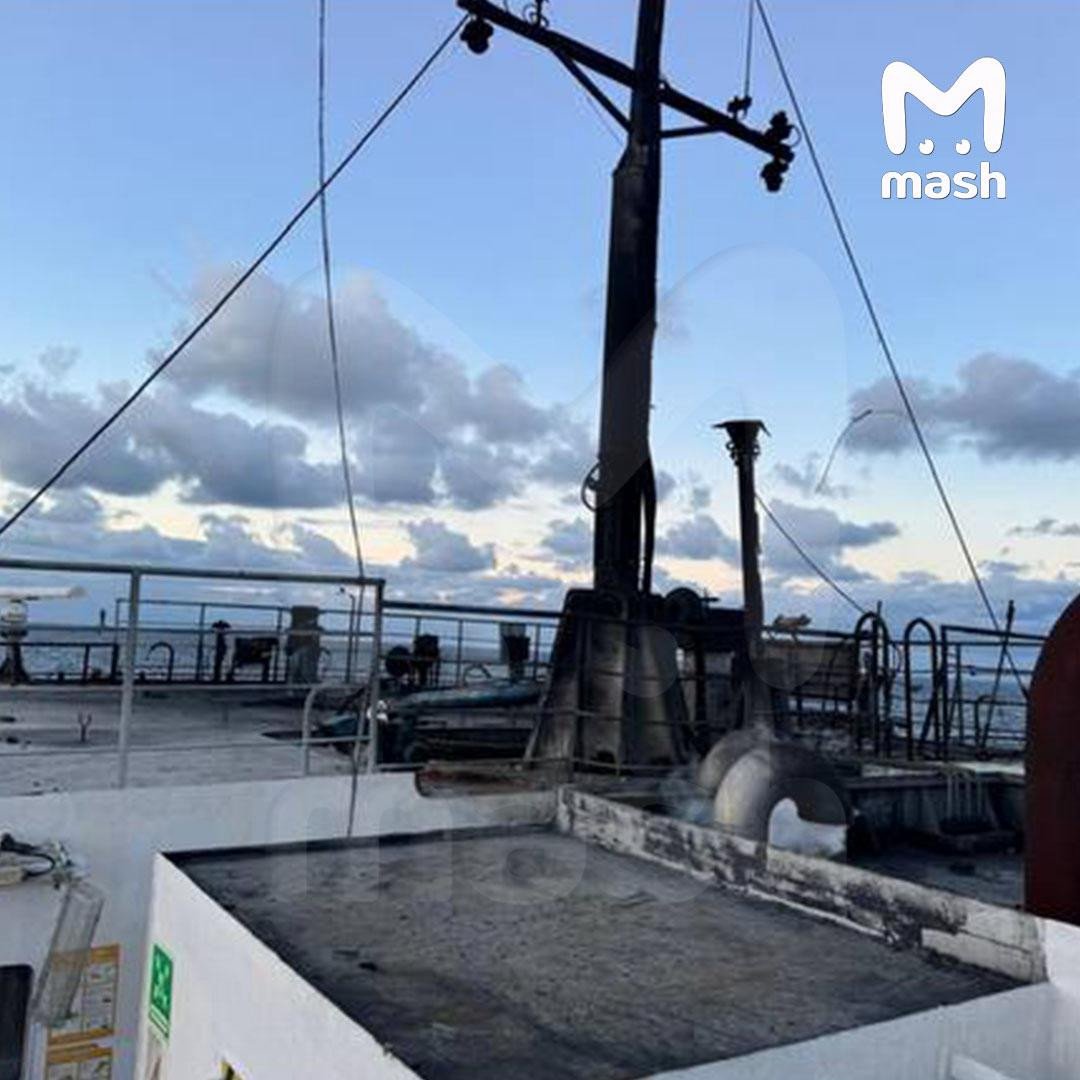
Defense Express reports that wreckage found on board the Midvolga-1 indicates it was hit by a Ukrainian drone. Despite sustaining damage, the tanker was able to continue sailing under its own power to the Turkish port of Sinop, located near the incident site.
While Liutyi drones have been used successfully for deep-strike missions against fixed infrastructure targets far inside Russian territory—including locations east of the Ural Mountains—this latest incident suggests a potential upgrade in targeting capabilities, possibly enabling attacks on moving naval assets.
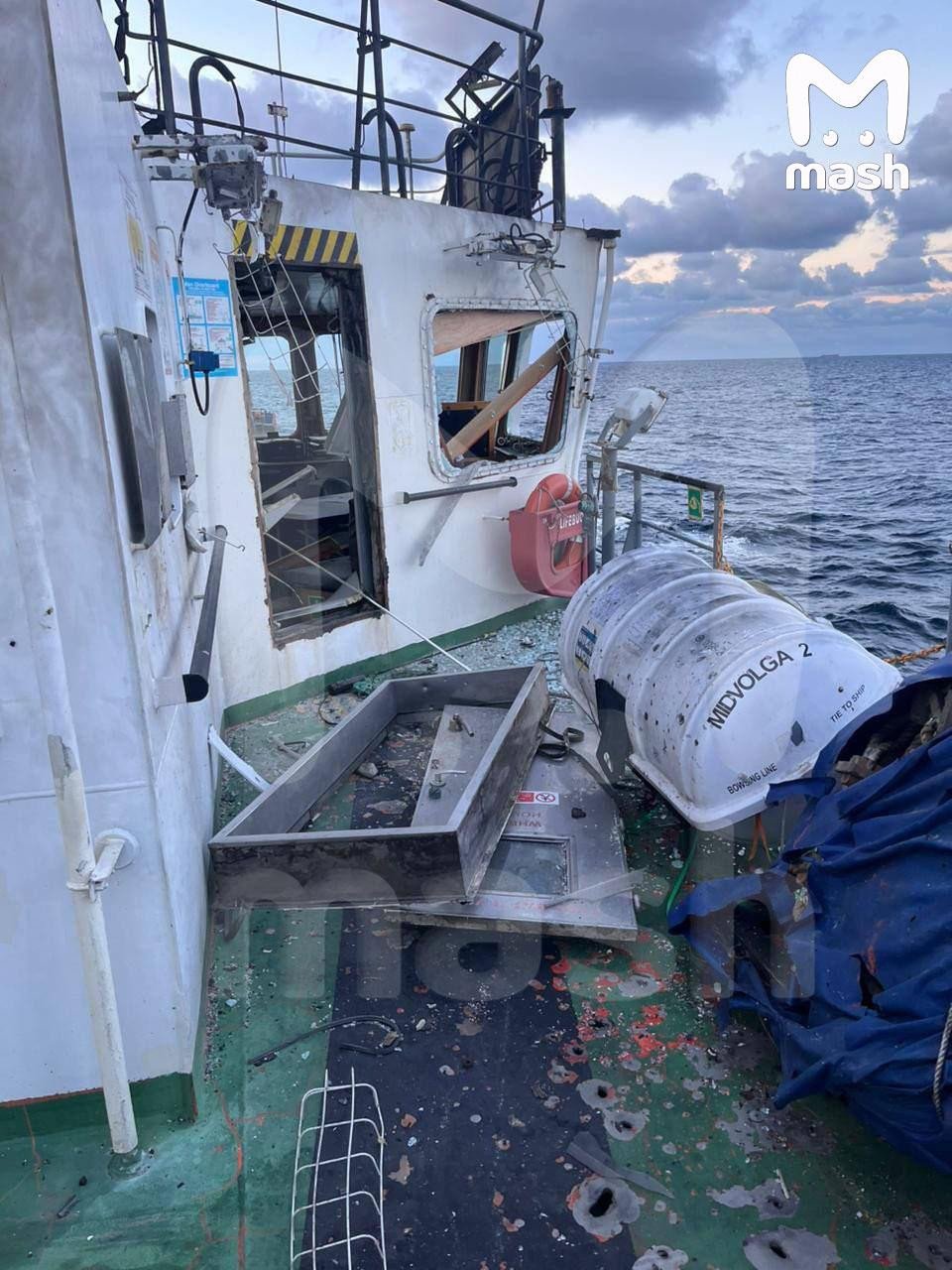
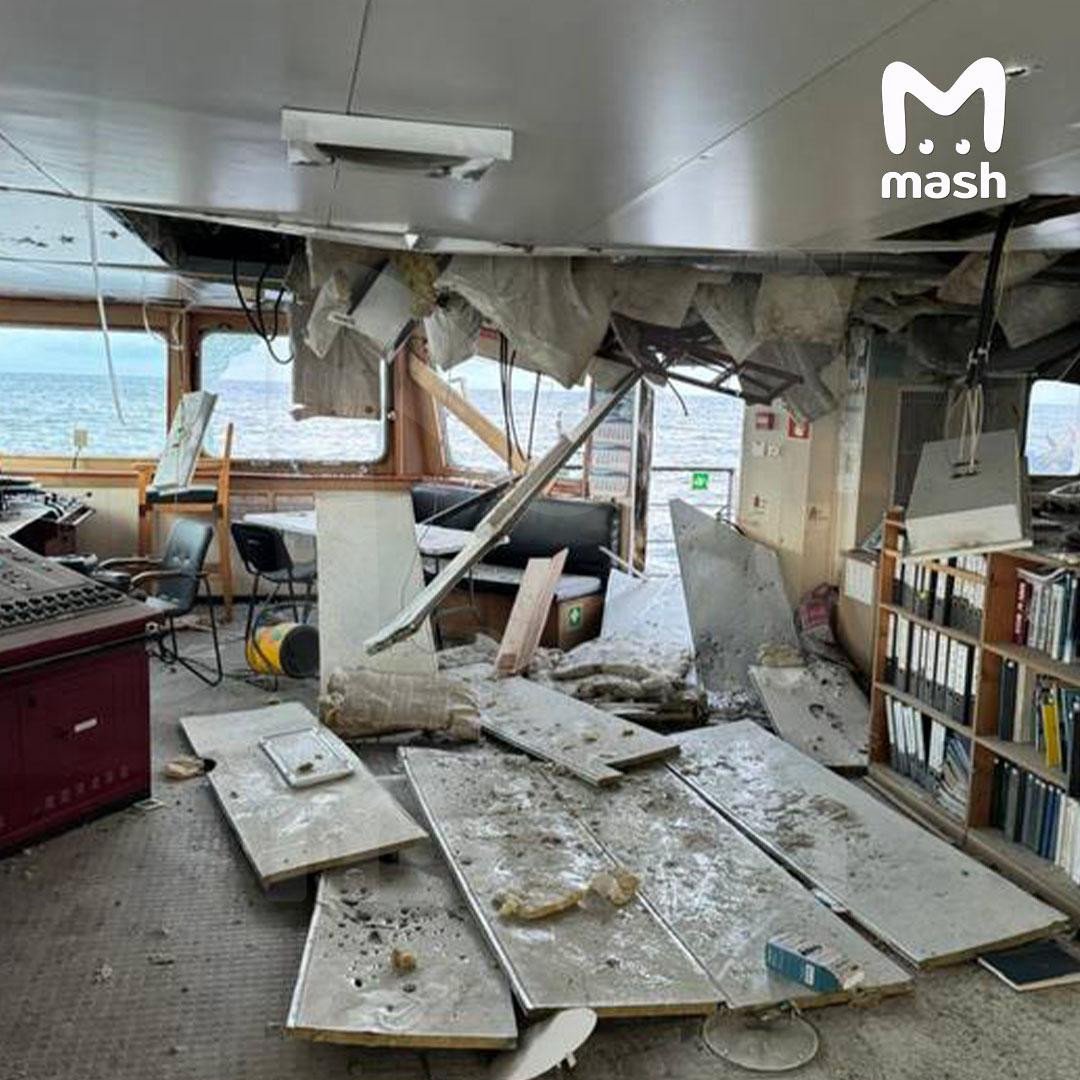
Defense Express notes that to effectively strike a moving vessel, the drone must receive more dynamic guidance than what is typically used against static targets. The predictable course of civilian tankers may assist with targeting, but hitting a mobile sea target still requires significant real-time course correction.
The report suggests that the Liutyi drone likely did not employ a fully autonomous target acquisition system. Instead, the strike may have been conducted under manual control, potentially supported by antennas and transmitters enabling real-time adjustments by the operator.

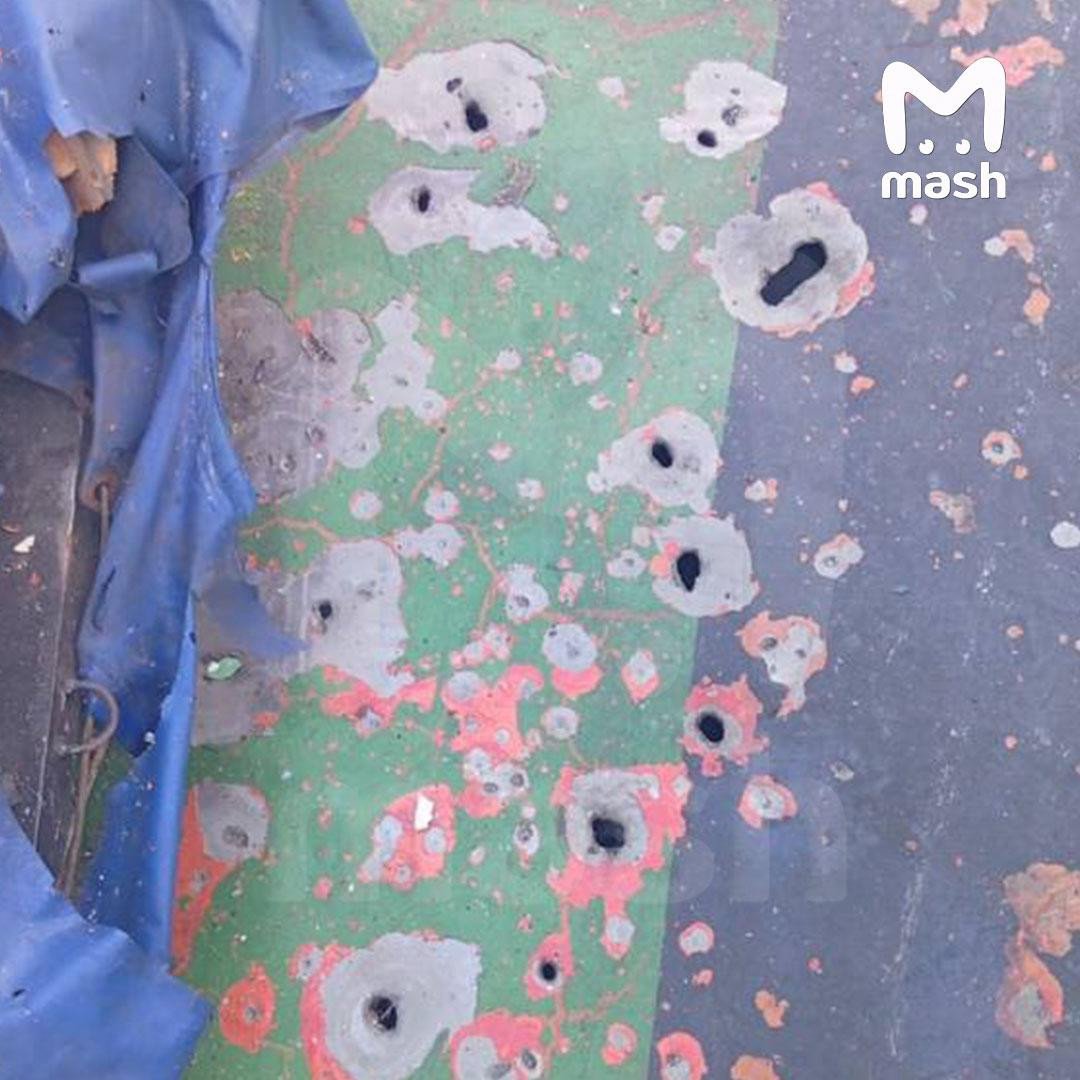
This level of control would likely require a network of relay drones or maritime-based communication platforms.
According to Defense Express, it remains uncertain whether such capabilities can be adapted for mobile ground targets, given the significant technological and operational constraints—particularly the threat posed by Russian electronic warfare systems.
-cfd972e8ec70139f5898fe4ab2b2ff1d.jpeg)
Responding to the Russian claims, Ukraine’s Ministry of Foreign Affairs officially denied any involvement in the incident. “We categorically reject any such accusations made by Russian propaganda,” said MFA spokesperson Heorhii Tykhyi.
“Moreover, the alleged route from Russia to Georgia via Turkey’s free economic zone makes little sense and may indicate that Russia staged the entire incident.”
Earlier, two Russian oil tankers—Kairo and Virat—were reportedly disabled in the Black Sea by Ukrainian Sea Baby maritime drones in a joint SBU-Navy operation. The tankers were part of Russia’s shadow fleet used to bypass sanctions and were struck near the Turkish coast while en route to Novorossiysk.
Discuss this article:


-c439b7bd9030ecf9d5a4287dc361ba31.jpg "Photo of Katherina Popilnichenko")


-72b63a4e0c8c475ad81fe3eed3f63729.jpeg "Photo of Cyril Barabaltchouk")

-111f0e5095e02c02446ffed57bfb0ab1.jpeg "Photo of Roman Kohanets")