- Category
- Latest news
Ukraine's Intelligence Unmasks Foreign Components in Russia’s 1,500km-Range Izdeliye-30
 Prefer U24 Media on Google
- Authors


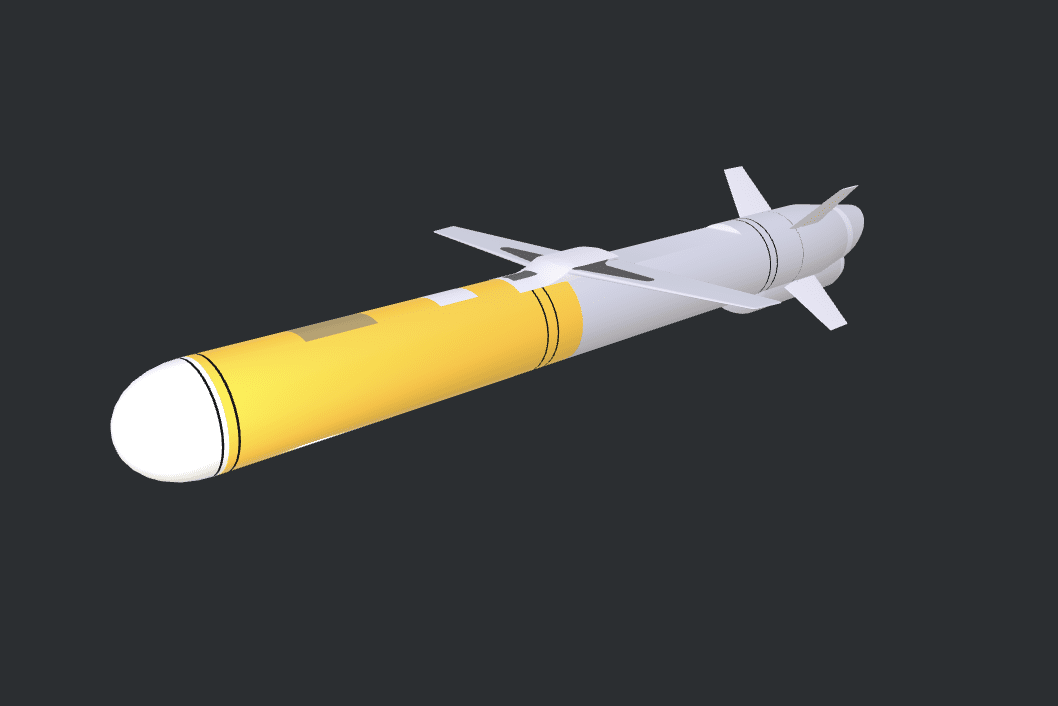
The Main Intelligence Directorate of Ukraine’s Ministry of Defense (HUR) has declassified the structural design and internal components of Russia’s newly deployed "Izdeliye-30" cruise missile, exposing its continued reliance on foreign microelectronics.
The intelligence agency released detailed schematics on the War&Sanctions portal on March 2, alongside data identifying 20 enterprises involved in the weapon's cooperative production network.
We bring you stories from the ground. Your support keeps our team in the field.
According to the official statement, “The missile has a wingspan of about 3 meters, a warhead weighing 800 kg, and a range of at least 1,500 km.” The HUR noted that the first documented cases of the new missile being used against Ukraine were recorded at the end of last year.
Based on structural markings, the “Izdeliye-30” was identified as a development of the Zvezda Design Bureau, which is part of Russia's Tactical Missiles Corporation. The missile utilizes unified technical solutions from older models, including a pneumatic system pyrovalve identical to that of the Kh-35U and an aviation ejection device similar to those used for Kh-101, Kh-55, and Kh-555 missiles.
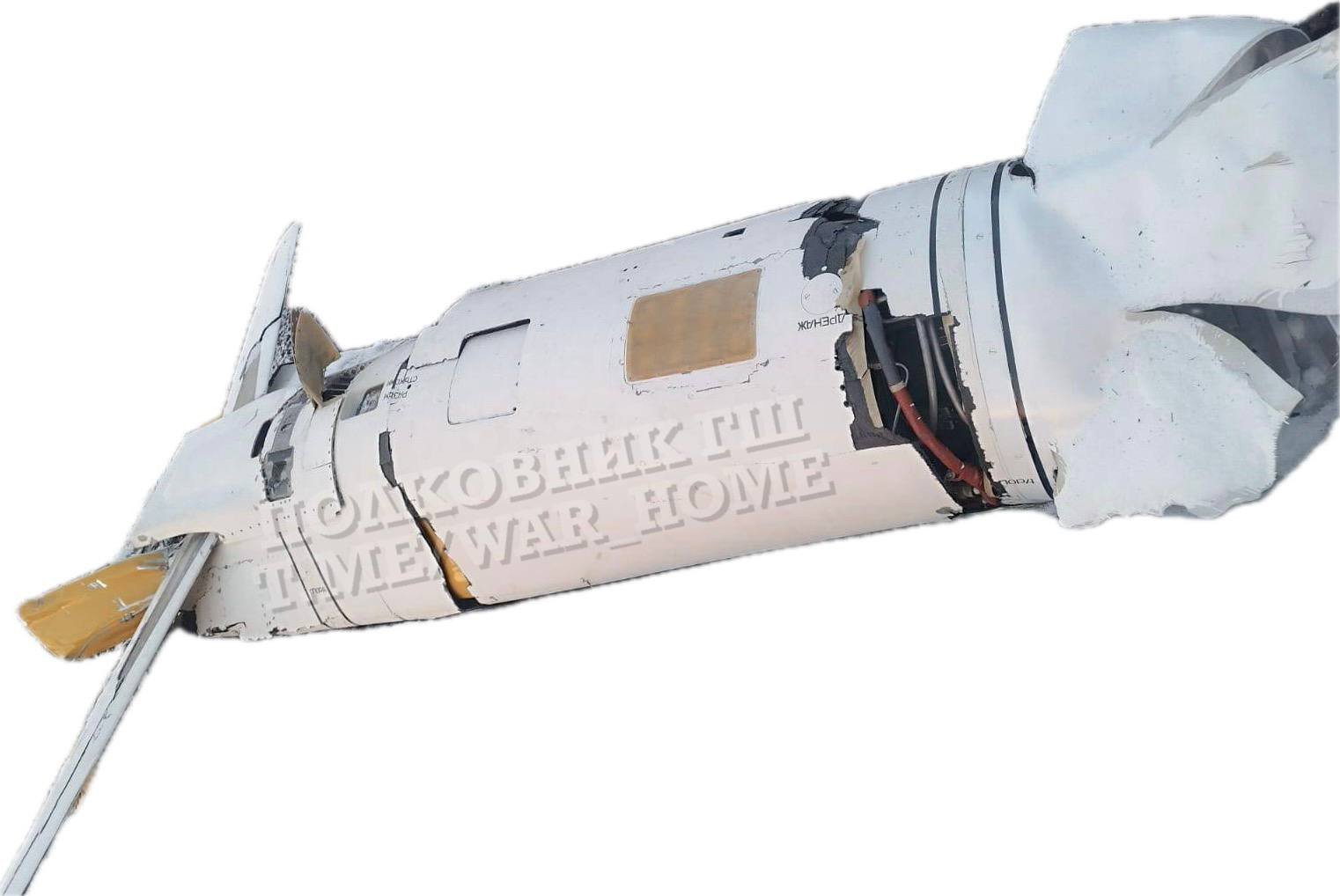
“For the first time for enemy cruise missiles, [the satellite navigation system] is represented by a combination of products from two different Russian companies,” the HUR stated. This includes a jam-resistant “Kometa-M12” receiver by VNIIR-Progress and a receiver-computing block by KB Navis. These elements are integrated using an interface unit produced by ANPP Temp-Avia.
Despite this domestic assembly, the HUR emphasized the critical role of imported technology in the weapon's guidance capabilities, noting that “All three components of the navigation system contain components from foreign manufacturers — the USA, Switzerland, North Korea, and the Netherlands.”
However, the separate electronic warhead control unit (BUBS-30) is built on a Russian element base, primarily relying on a 32-bit ARM architecture microcontroller manufactured by the Russian company PKK Milandr.
Earlier, it was reported that Russian forces are now outfitting their V2U strike drones with Chinese-manufactured Mesh modems in an effort to enhance their operational capabilities.
The Russian military is already deploying similar communication devices across multiple other unmanned aerial vehicle platforms. These include the Gerbera, Shahed, Molniya, and Kub drones, all of which are actively utilized in the ongoing full-scale invasion of Ukraine.
Discuss this article: