- Category
- Latest news
Zelenskyy: Ukraine’s Palianytsia Rocket Drone Already Hit Dozens of Russian Targets
 Prefer U24 Media on Google
- Authors




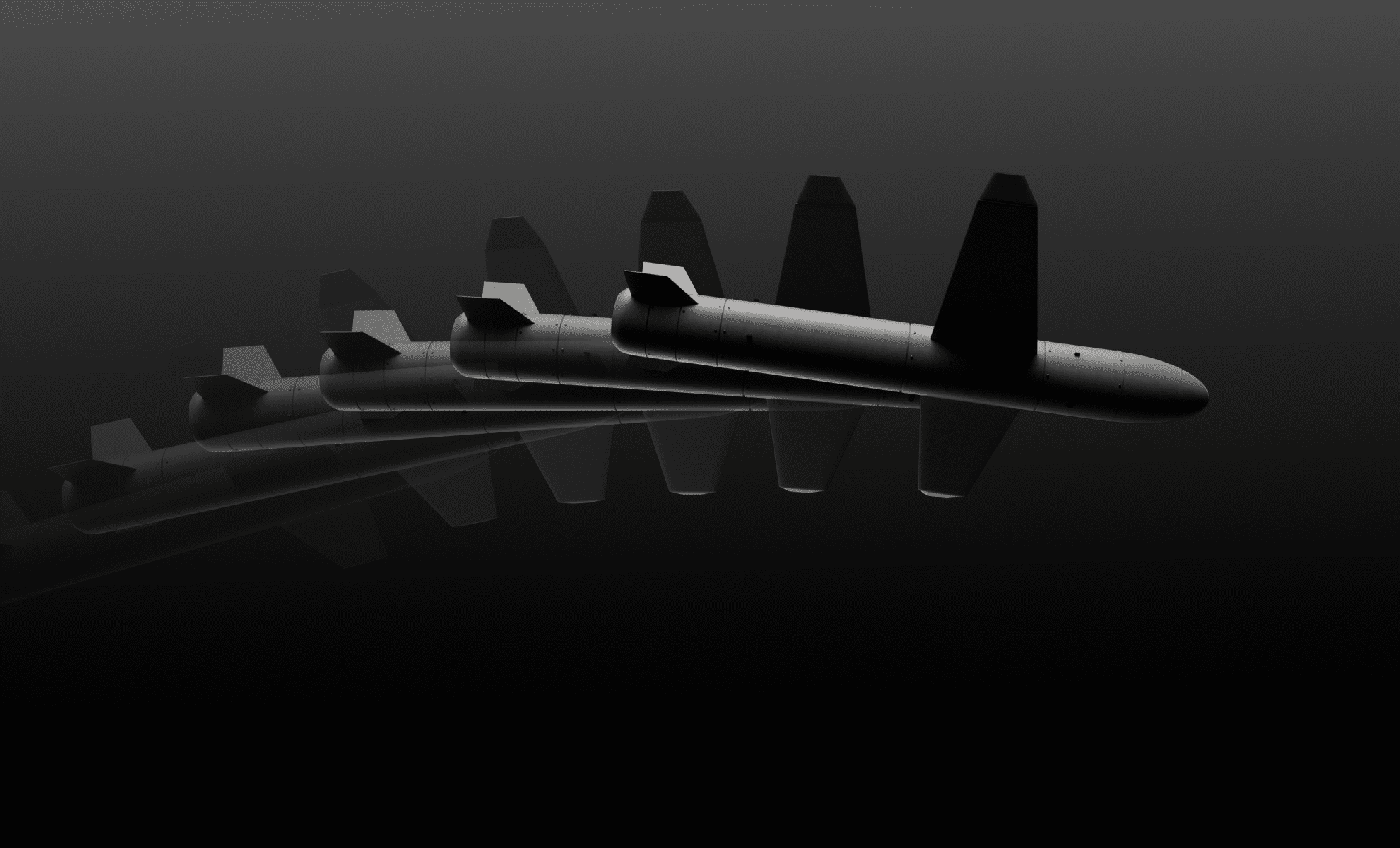
Ukraine’s domestically produced long-range strike systems are showing growing effectiveness, President Volodymyr Zelenskyy said during a meeting with Ukrainian journalists on October 9.
According to the President, the locally developed Palianytsia rocket drone has already achieved ten confirmed hits on Russian military targets.
Video of what looks possibly like a Palianytsia drone being used by Ukraine to attack Donetsk and Makiivka https://t.co/d8lYue3nzc pic.twitter.com/37SmBJAJi3
— raging545 (@raging545) September 8, 2025
“As for our strikes deep inside Russia, I mean our responses to Russian strikes—there are positive developments,” Zelenskyy said.
“Palianytsia has already begun hitting enemy ammo depots in dozens of cases. That’s a positive development, because there were different situations, and now we’re no longer talking about isolated incidents.”
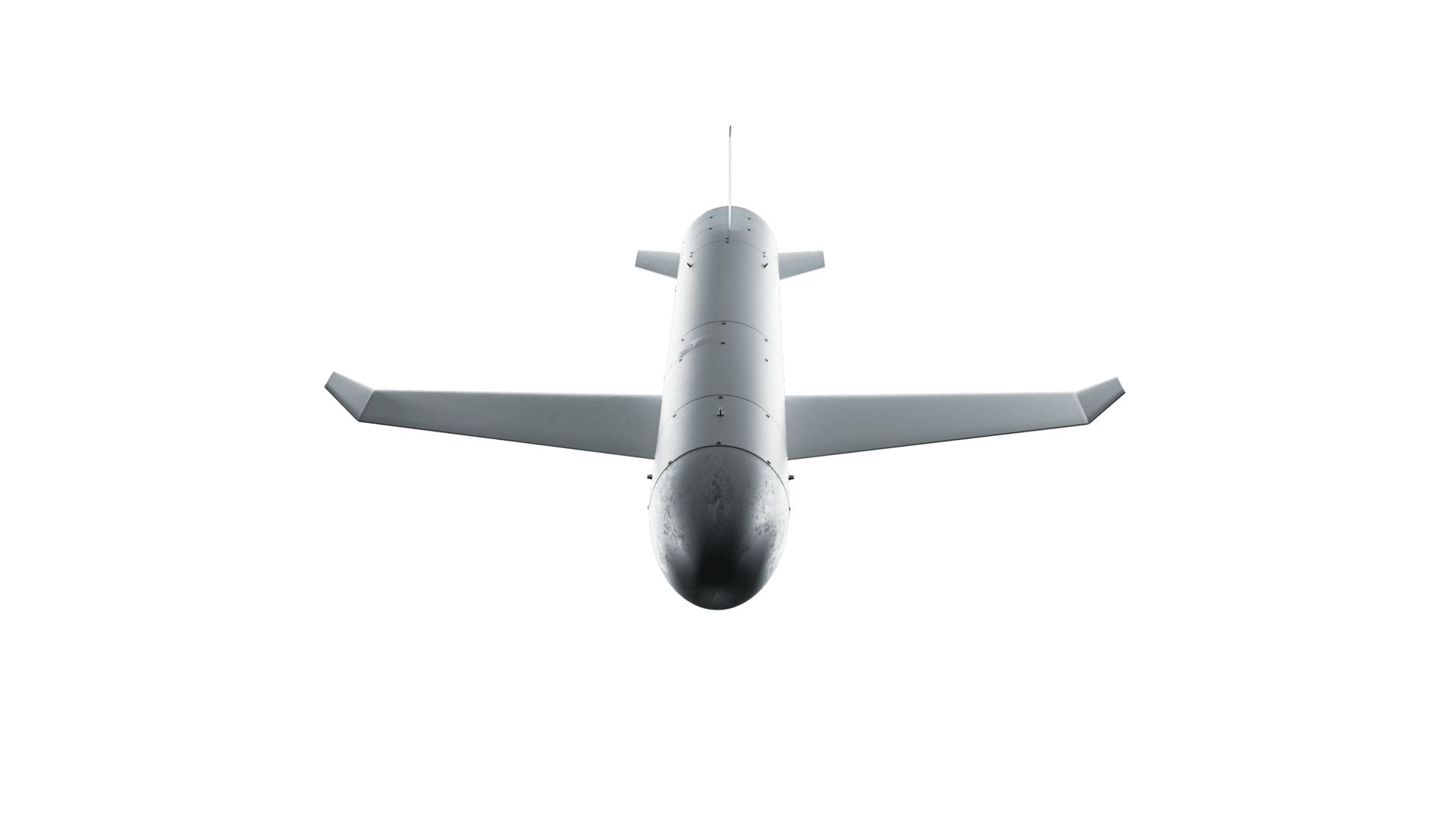
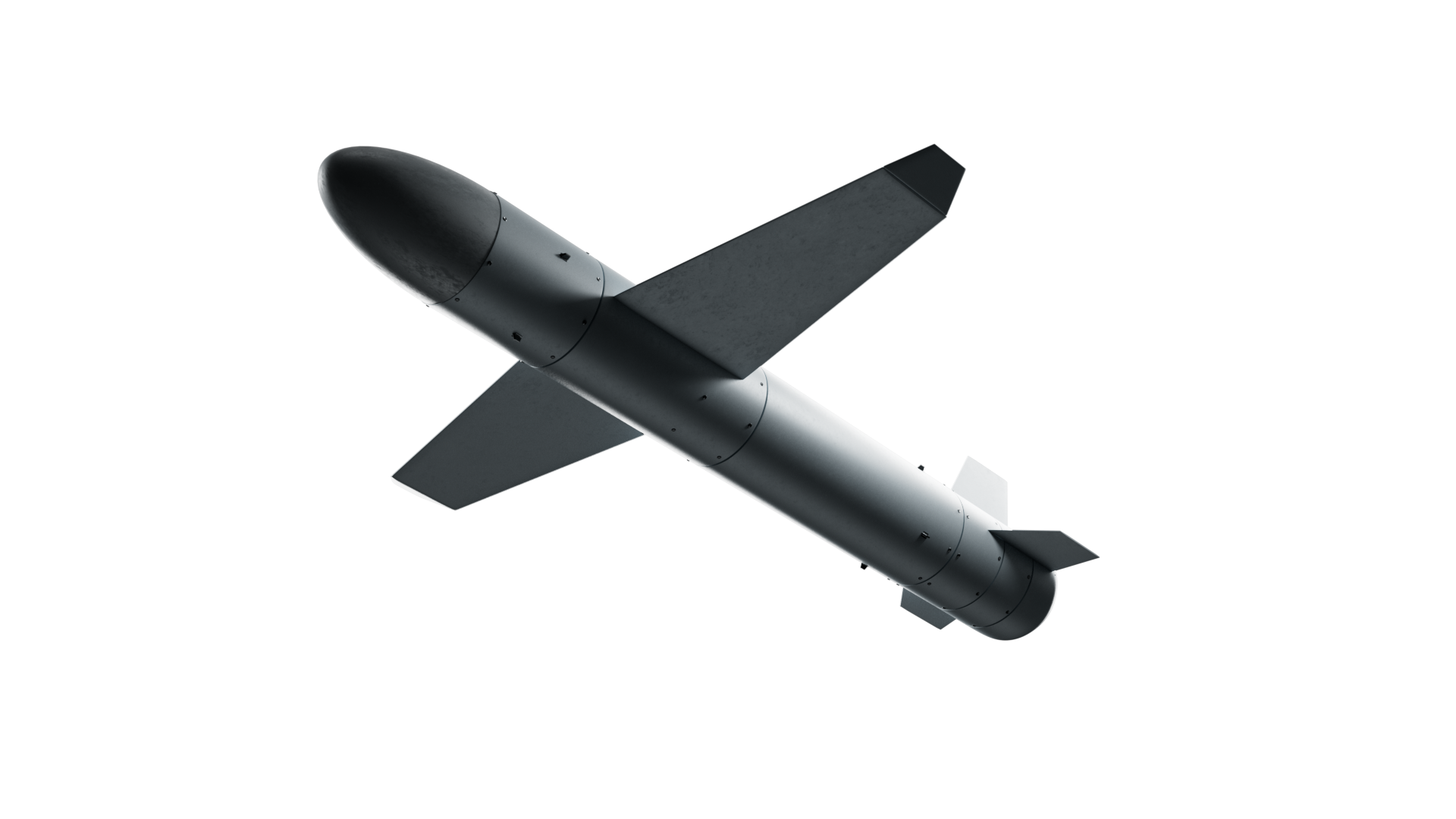
Zelenskyy also highlighted the progress of other Ukrainian-made systems, including the Ruta strike drone and the Lyutyi and Fire Point missiles.
“Another positive development is Ruta, our missile-drone, has for the first time struck a maritime platform at 250+ kilometers,” he said.
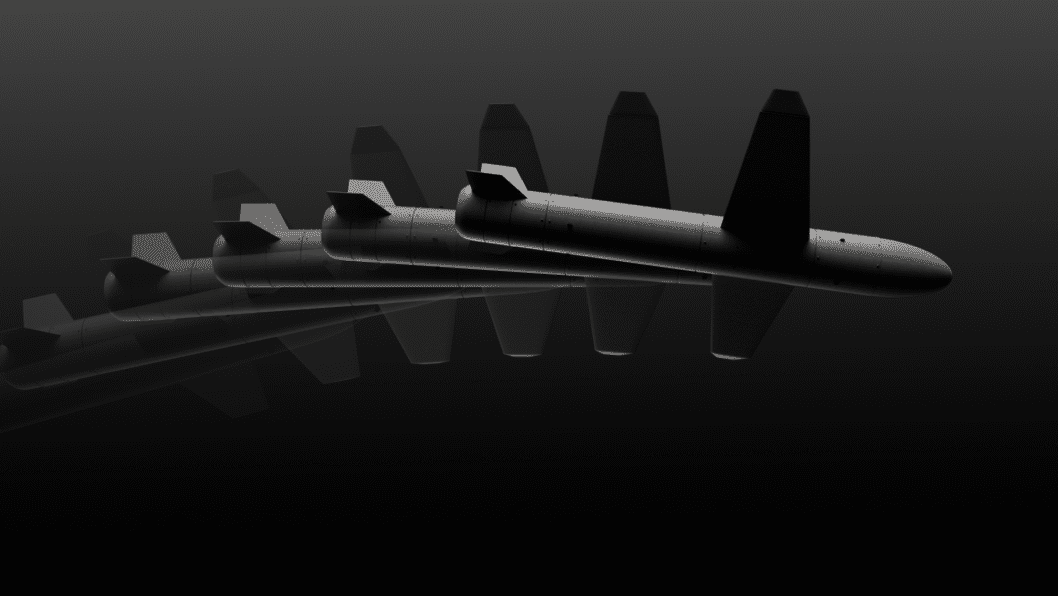
“The biggest success has been Liutyi and Fire Point—they were used en masse, up to 300 units, and that was a serious operation. We understand that Ust-Luga and Primorsk are now within reach.”
Palianytsia is Ukraine’s first long-range rocket drone capable of striking Russia’s military targets deep into their own territory.
Most of its technical specifications are classified to prevent the Russians from assessing its full capabilities. The development took approximately 1.5 years and involved a large team of specialists from various fields.
Ukrainian UAVs successfully attacked the oil terminal of the Sea Trade Port in the village of Ust-Luga, Leningrad Region
— Jürgen Nauditt 🇩🇪🇺🇦 (@jurgen_nauditt) January 21, 2024
The gas terminal is on fire. It is more than 1000 kilometers from Ukraine to there👍 pic.twitter.com/kM10JG0jwG
It was developed entirely from scratch, not continuing any old Soviet projects. Its engine runs continuously, supported by two power sources: a solid-fuel booster that accelerates the missile, followed by a jet engine that sustains its flight.
It is a ground-based launch platform. The launch container is our own design, while the platform already exists. The cost of Palianytsia is well below $1 million.
The oil depot and oil terminal in Feodosia, Russian occupied Crimea, is still cooking nicely on the fourth day.
— Kvist (@kvistp) October 10, 2024
Looks pretty bad for the future fueling of terrorist equipment from the peninsula Russia? pic.twitter.com/WWRRdLN9eH
Previously, it was reported that western defense analyst H.I. Sutton have discussed whether Ukraine’s R-360 “Neptune” cruise missile family now includes more than the three commonly described versions—ship-launched, ground/coastal (shore-based), and air-launched, with at least one report arguing a fourth variant has been counted.
The suggestion of a fourth version in H.I. Sutton commentary appears to stem from two different possibilities that are not mutually exclusive in open sources: weaponized derivatives or special mission adaptations (for example, an explicit long-range land-attack derivative), and experimental or prototype integration on new launch platforms or with modified guidance/booster packages.
Discuss this article:
-6c7b568bf1f65853b7afd9dc1c3ca1fe.jpeg)

-8c3e1e012071369417e7b6b38d254c18.jpg "Illustration showing a Russian equipment targeted by Ukrainian forces in the Donetsk region. (Source: General Staff of the Armed Forces of Ukraine)")