- Category
- Life in Ukraine
Why Ukrainians Are Carrying Tourniquets on Vacation, And How It’s Already Saving Lives
 Prefer U24 Media on Google
- Authors



Ukraine during wartime is a striking example of how an entire society can learn to save lives. Ukrainians have taken first aid courses en masse: from soldiers in the Armed Forces and volunteers to taxi drivers and teachers. Even thousands of kilometers from the front line, that knowledge is already saving lives.
Spring 2025, Venice, Italy. A street near the Rialto Bridge over the Grand Canal—one of the city’s iconic landmarks. The scene is chaotic: a teenager lies bleeding from stab wounds in the middle of a crowd after a fight. Suddenly, a man with a young child in his arms rushes to him, pulls out a tourniquet, and applies it above a critical thigh wound. The teen survives.
People question the man, who remained calm and acted skillfully: “Are you a medic?”
“No—a soldier.”
“American?”
“No—Ukrainian.”
His name is Yanis Tereshchenko. Before Russia’s full-scale invasion, he worked at a school as a tutor, teaching geography and history. Now he serves as a reconnaissance officer in Ukraine’s 3rd Assault Brigade. After the incident in Venice, Yanis shared that his frontline experience led him to always carry a first aid kit—even when traveling abroad. Fortunately for the teenager, he did.
The Mayor of Venice, Luigi Brugnaro, awarded Yanis for his heroic actions.
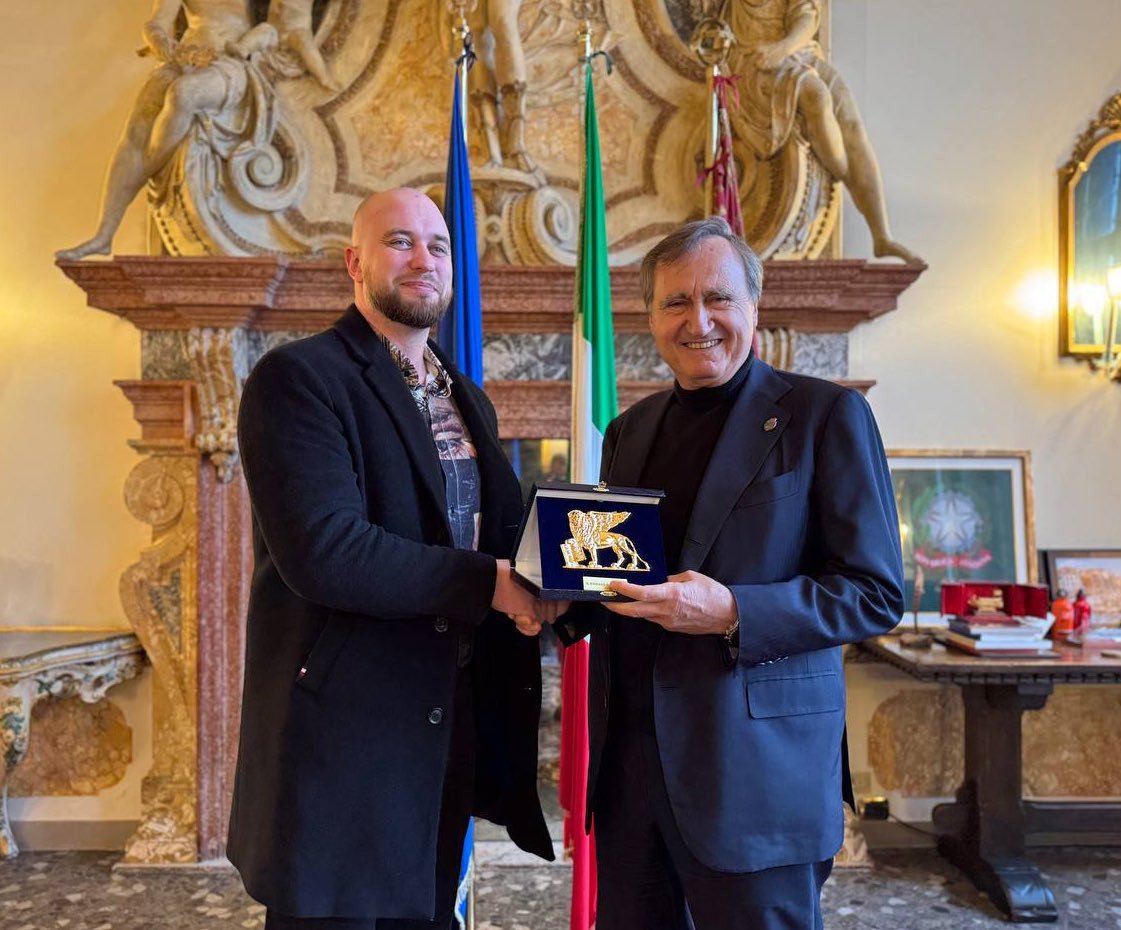
Since the beginning of the Russian invasion, many Ukrainian soldiers and civilians have learned the principles of first aid. Like Yanis, many now carry medical kits in everyday life. It’s a worthwhile habit, especially considering that in just the first half of 2025, Russia launched over 20,000 Iranian Shahed drones at Ukraine, each now carrying 90 kilograms of explosives.
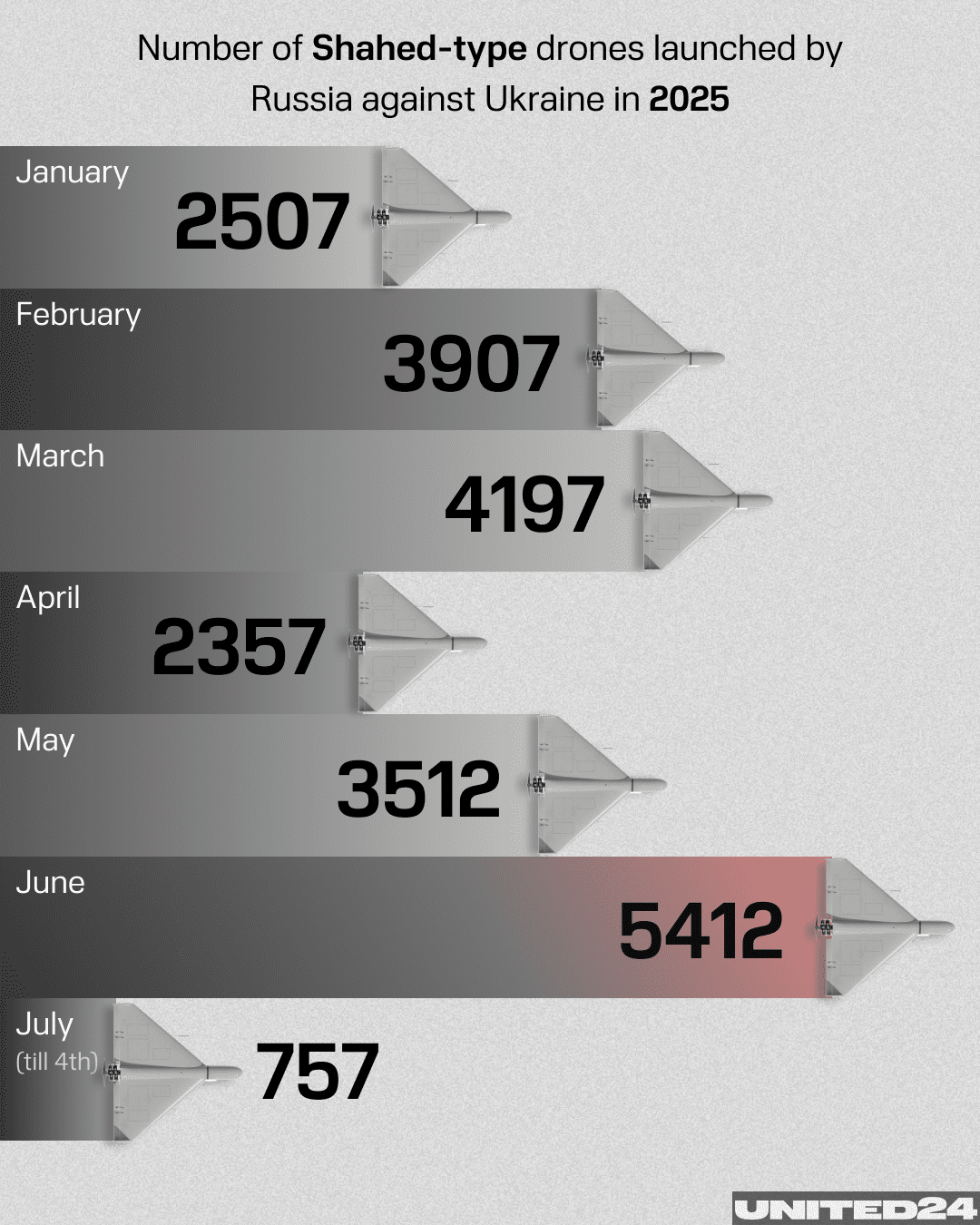
And the Ukrainians themselves joked that now you won't be able to die peacefully on the street, because everyone will immediately rush to resuscitate you.
Medical stand-up
“I’ve been teaching first aid since 2011,” says Yaroslav Vus, head of the Ukrainian Paramedics Union. “I can’t even count how many sessions I’ve led over the years. But each year, our organization alone trains about 7,000 people. Of course, that’s still not enough.”
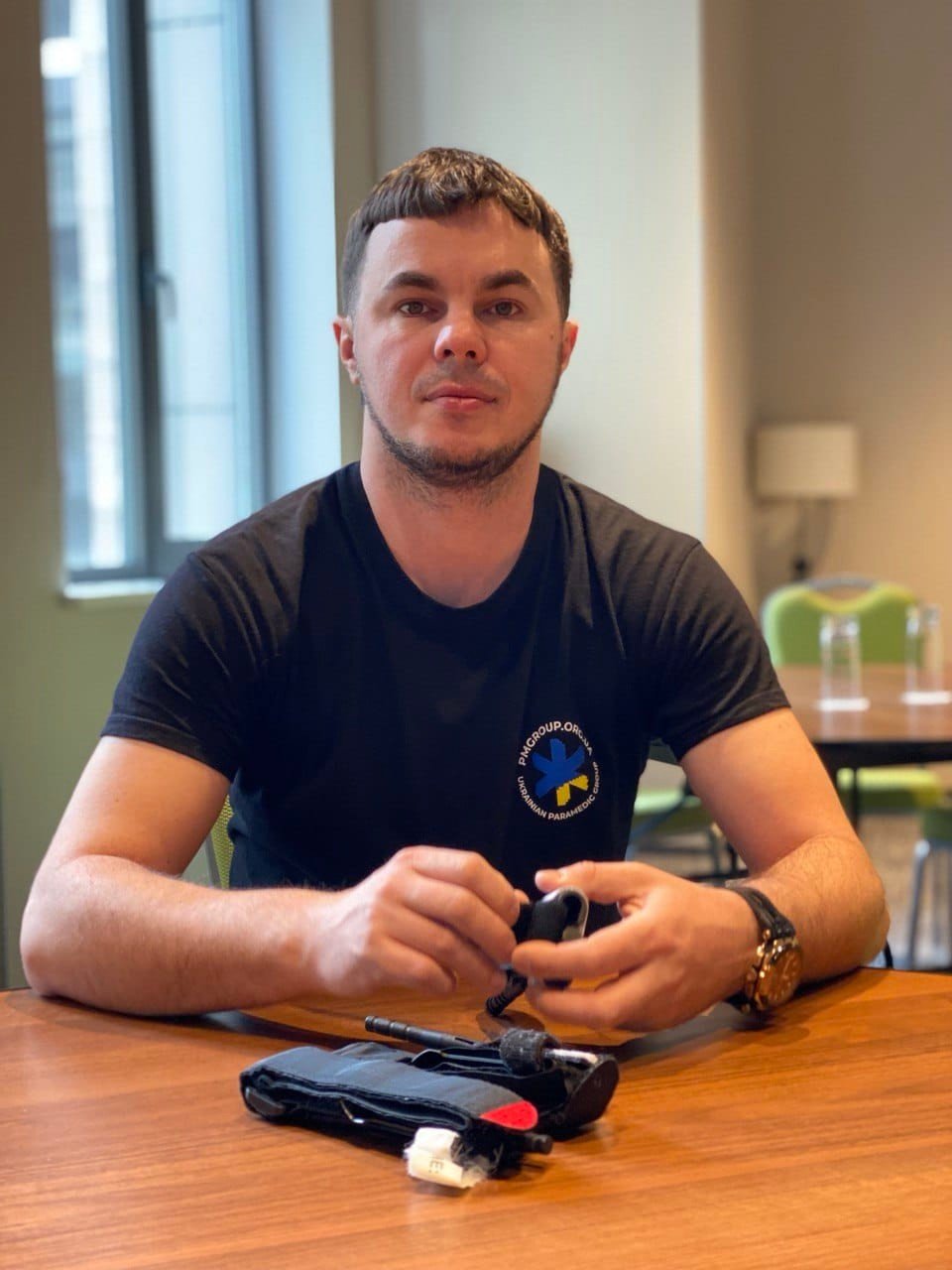
Vus says some participants take the courses multiple times because they understand the need to refresh their knowledge regularly. What’s more, his courses aren’t just about practical skills—they often resemble stand-up comedy.
“How long can you keep a bandage on someone?”
“As long as needed—the doctor will remove it later.”
“And if the person dies?”
“They’ll still remove it.”
“Do we take anything out of the wound before packing it?”
“Only if it’s valuable. Like, say, a Rolex accidentally ended up in there.”
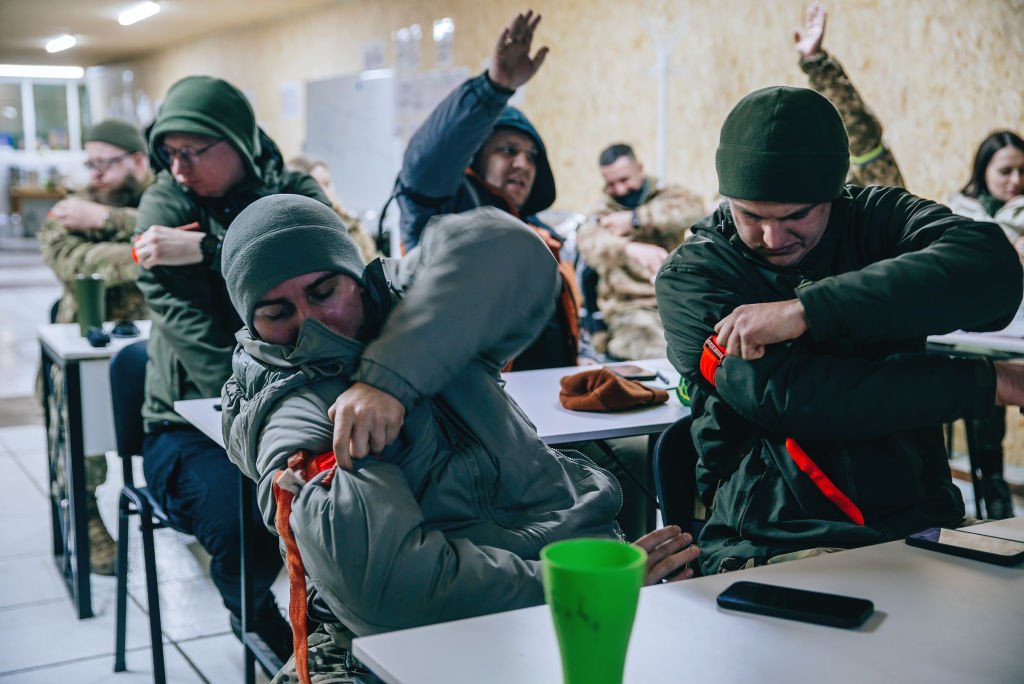
Previously, wound packing was a task for medical professionals only. But now in Ukraine, it’s considered basic first aid. Civilians are taught to pack wounds because during a missile strike, the number of casualties can far exceed the available ambulance crews. That’s why everyone needs to know how to stop bleeding, especially when it’s not from a limb where a tourniquet can be applied.

“How tight should the tourniquet be?”
“Tight enough that your eyeballs press into your glasses.”
One major difference between Ukrainian first aid courses and those in Europe or the US is the focus on tourniquets and how to use them properly. A tourniquet is a specialized strap used to stop massive bleeding. In cities that are constantly under attack, this skill can truly save lives—even in places like Venice.
Counterfeit or poor-quality tourniquets are a serious issue that infuriates combat medics, as they can create a false sense of safety and end up costing lives.
“How effective is a fake tourniquet?”
“Totally useless. You could strap one to your mother-in-law’s neck and she’d still survive.”
Among certified tourniquets are CAT, SOF, SAM-XT, TMT, SAM, and Ukrainian-made SICH.
In general, this is what Ukrainians recommend having in your first aid kit:
Hemostatic N-bandage 3.6m*7.5cm ×1;
Hemostatic napkin 25 by 25 cm ×1;
Hemostatic napkin 10 by 10 cm ×1;
Tourniquet ×1;
Nitrile gloves orange ×1;
European bandage 4.5m by 10cm ×1;
Israeli Emergency Bandage 6”×1;
First aid kit bag ×1;
Permanent mini marker ×1.
Learning to save lives
A regular feature on the Ukrainian Paramedics Union’s social media page: real-life stories of people saved thanks to knowledge gained from the courses.
“Sending this message to thank you for the knowledge and confidence. Just saved a child who was choking in a restaurant. I didn’t panic — ran up, pushed the mom aside (she was doing it all wrong, like in the movies). The child is breathing. Everything’s okay! Thank you!”
Movies often depict that someone choking should be violently slapped on the back. Perhaps partly because of this misinformation, 104,000 people globally died in 2021 from airway obstruction. The correct technique involves encouraging the person to cough and using the Heimlich maneuver—a specific series of thrusts just below the diaphragm.
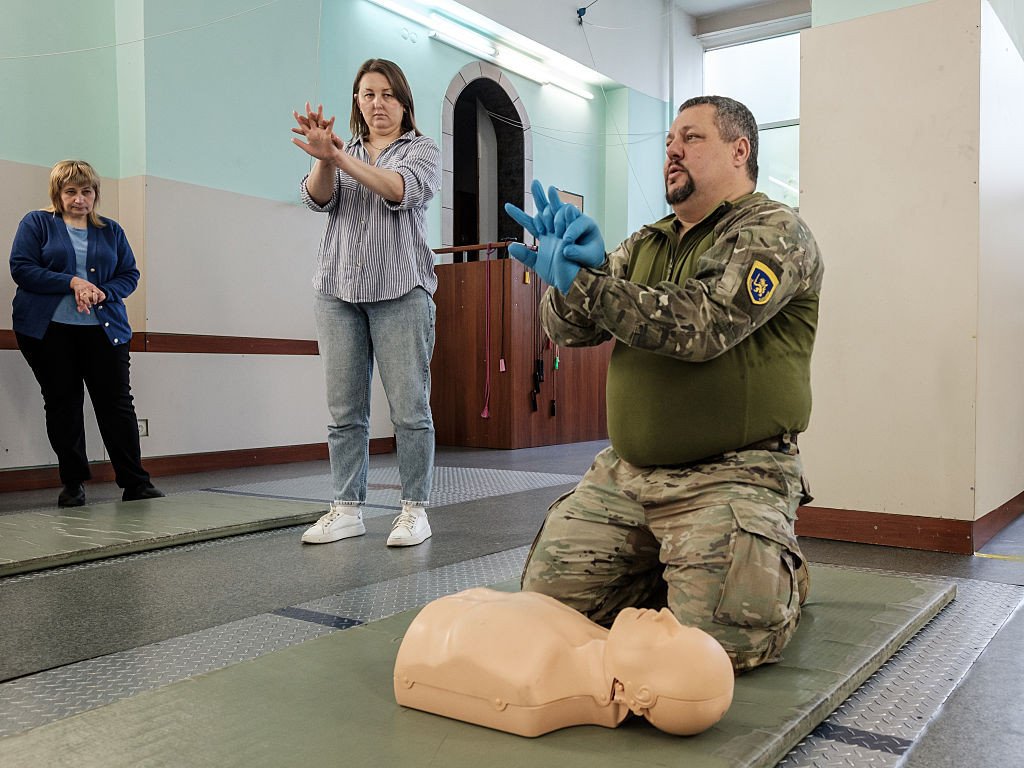
Another vital part of the Ukrainian first aid courses is training in CPR. Vus explains how to locate the proper hand position for chest compressions. One participant asks:
“Is it at nipple level?”
“Nipples vary wildly. I once treated a grandma whose nipples were down by her knees. Her heart wasn’t anywhere near there.”
Vus summarizes the core skills everyone should have—even in peaceful cities around the world:
Stopping bleeding, whether massive or minor—injuries can happen anywhere, even from a scooter fall;
How to treat burns;
How to help someone bitten by an insect, snake, or animal;
What to do if someone is choking;
How to respond to seizures—including not putting a spoon or any object in their mouth, contrary to old myths.
 during the basic military training for civilians in Lviv, Ukraine. Photo by Les Kasyanov/Global Images Ukraine via Getty Images")
First aid instructor Oleksandr Koval demonstrates cardiopulmonary resuscitation (CPR) during the basic military training for civilians in Lviv, Ukraine. Photo by Les Kasyanov/Global Images Ukraine via Getty Images
Additional anatomical insights from the courses:
The heart is not on the left, but in the center of the chest;
The tongue is a massive muscle—if someone is unconscious, you roll them onto their side not because the tongue “sinks,” but because its weight can block the airway;
Checking breathing with a mirror, as seen in films, is nonsense;
A defibrillator doesn’t restart a stopped heart—it corrects a life-threatening rhythm. That’s its actual purpose.
Many people are still intimidated by defibrillators, thinking of them as complex machines used only in dire situations. In reality, modern AEDs are “smart” and provide clear instructions to the user. So once again, movies discourage people from stepping in during emergencies.
Regular training is the best way to know what to do and when. You just might be the person who saves a life—on the street, at a concert, or even near a famous European bridge.
Learn first aid, Ukrainians say. It’s not about war — it’s about life.
Discuss this article:
-111f0e5095e02c02446ffed57bfb0ab1.jpeg "Photo of Roman Kohanets")

-07c046f037cabcd54fb44b5253b3733d.jpg "“Bathing” (2021), an 80 × 60 cm artwork by Ukrainian artist Mariia Drozdova. (Source: Art From Ukraine/Instagram)")
