- Category
- Opinion
How Ukraine Opened Its Arms Market—10 European Export Hubs Planned for 2026
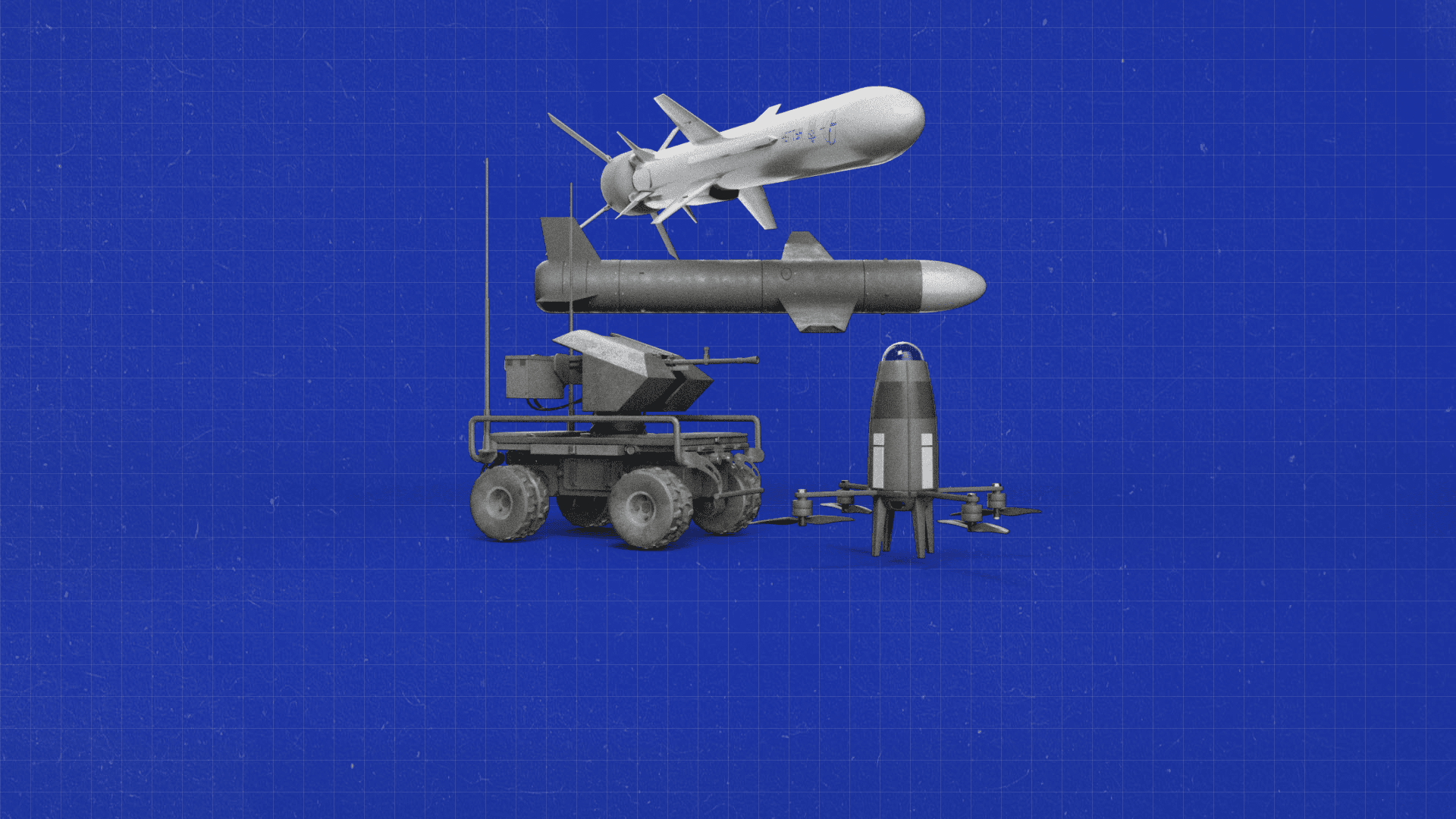
After years of transforming battlefield necessity into technological innovation, Ukraine is taking its defense industry abroad.
 Prefer U24 Media on Google
- Authors


Last week, Ukrainian President Volodymyr Zelenskyy officially announced the opening of the arms market.
“Ten export centers across Europe will be operating as early as 2026,” Zelenskyy said.
The situation surrounding exports has been changing rapidly—particularly over the past four months. While discussions at the end of 2025 focused on pilot projects in two European capitals, by February 2026, the country had shifted to implementing a comprehensive strategy to roll out a network of representative offices through which Ukraine will sell surplus weapons produced.
From concept to initial agreements
The first outlines of a future export network emerged in November 2025. At that time, Zelenskyy proposed establishing specialized offices in Denmark and Germany. The initiative, developed with the participation of Presidential Advisor for Strategic Affairs Oleksandr Kamyshin, aimed to establish direct channels of engagement with European partners.
A key milestone came during Zelenskyy’s meeting with German Chancellor Friedrich Merz in December 2025. The two sides officially confirmed their intention to open the first office in Berlin. The focus of this cooperation shifted toward practical synergy: Ukrainian battlefield technologies are to be combined with Germany’s economic and industrial resources to develop effective defense solutions.
Technological recognition on the international stage
An important foundation for launching exports was the success of Ukrainian developments during major international exercises. In September 2025, at the multinational NATO REPMUS / Dynamic Messenger 25 drills in Portugal, Ukrainian technologies demonstrated a high level of integration. For the first time in the Alliance’s history, the Naval Forces of the Armed Forces of Ukraine led the planning and coordination of the opposing-force scenario.
At the core of managing the joint team—comprising participants from more than 20 countries—was Ukraine’s DELTA situational awareness system. The successful testing of unmanned systems and digital platforms in a realistic environment confirmed their compliance with NATO standards and their ability to effectively address missions related to protecting underwater infrastructure and countering modern threats.
Scaling up and geographic expansion
February 8, 2026, marked the official starting point for export operations. Following initial successes, plans were significantly expanded: over the course of the year, Ukraine intends to open up to ten export centers in various European countries. The Baltic states and Northern Europe have been identified as priority regions.
Parallel to opening representative offices, Ukraine is also developing production infrastructure abroad:
In the United Kingdom, production lines based on Ukrainian designs have already been launched and are operational.
In Germany, serial production of domestically developed drones is expected to begin in mid-February.
The drone ecosystem and investment prospects
Unmanned technologies remain the cornerstone of Ukraine’s export potential. Approximately 450 companies in Ukraine currently specialize in drone manufacturing. A core group of 40 to 50 market leaders has emerged, ready to represent Ukrainian innovations internationally.
The country’s leadership views 2026 as a period of active investment attraction. This strategy extends beyond selling finished products to include establishing joint ventures and channeling capital into Ukraine’s R&D sector. The approach aims to transform battlefield experience into a technological advantage attractive to the global market.
Regulatory framework and transparency
As export opportunities expand, issues of oversight and regulatory support are coming to the forefront. Entry into foreign markets is being accompanied by the development of new rules designed to account for risks and ensure transparency in decision-making.
A report by Ukraine’s National Anti-Corruption Bureau for UNITED24 Media presents an analysis of regulatory aspects, corruption risks, prospective export models, and state control mechanisms. The full analysis is available via the provided link.
Discuss this article:



-206008aed5f329e86c52788e3e423f23.jpg "Photo of Oleksandr Moiseienko")


-f3430f0449615e9897dff835086ac204.jpg "Ukraine Broke With a Soviet-Era Military System and Rebuilt It Around the Soldier")
-e126c16a85d580738cf2d57e760b80a3.jpeg "Photo of Vladyslav Greziev")