- Category
- War in Ukraine
He Served 11 Years in Russian Prison. But Instead of Freedom, the Kremlin Detained Him Once Again
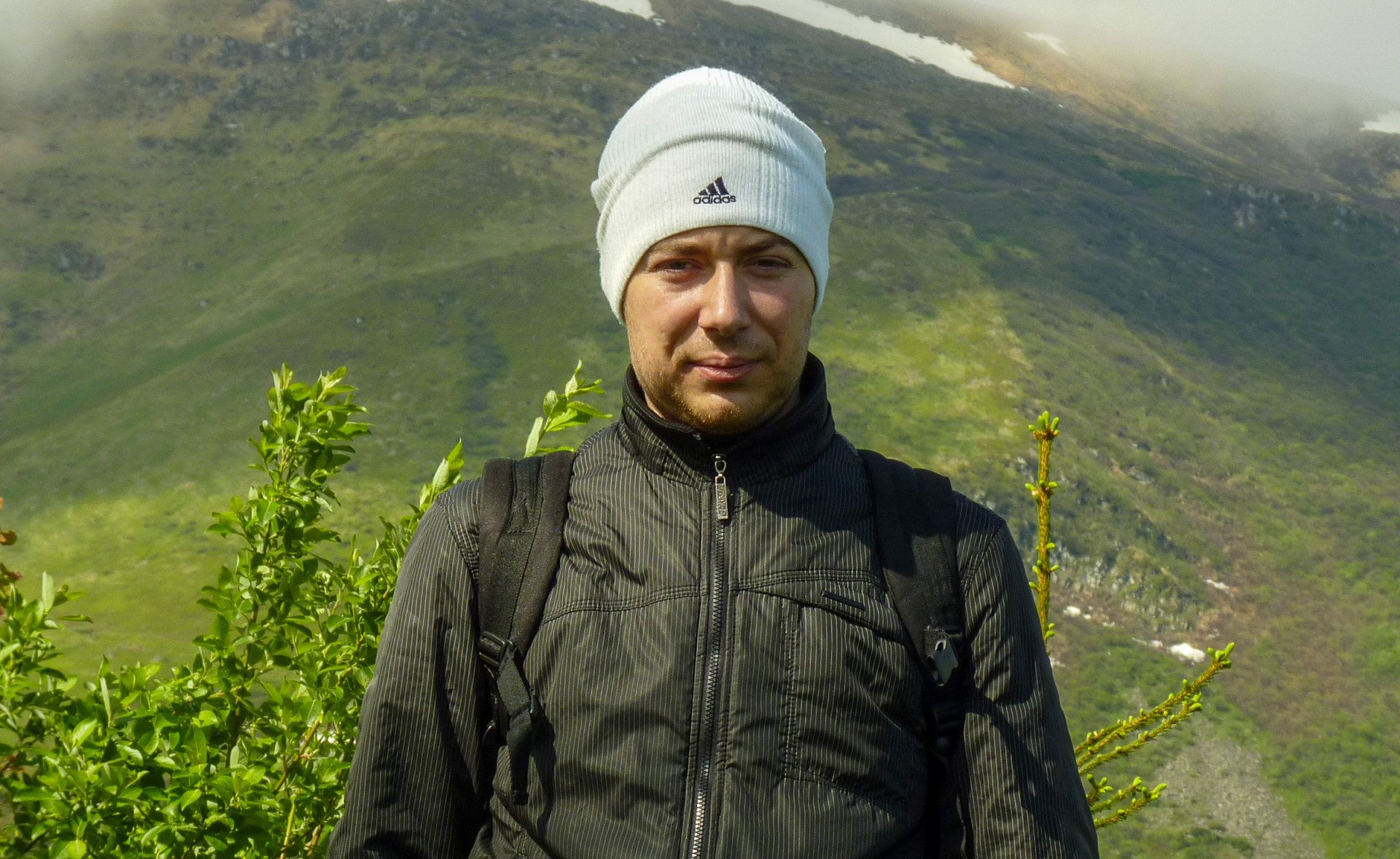
In September 2025, Ukrainian political prisoner Valentyn Vyhivskyi was due to be released after 11 years in a Russian penal colony. Instead of returning home, he was transferred to another detention facility. This story shows how someone in Russia can serve their entire court-imposed sentence and still never regain their freedom. And the problem is not limited to Ukrainians.
 Prefer U24 Media on Google
- Authors


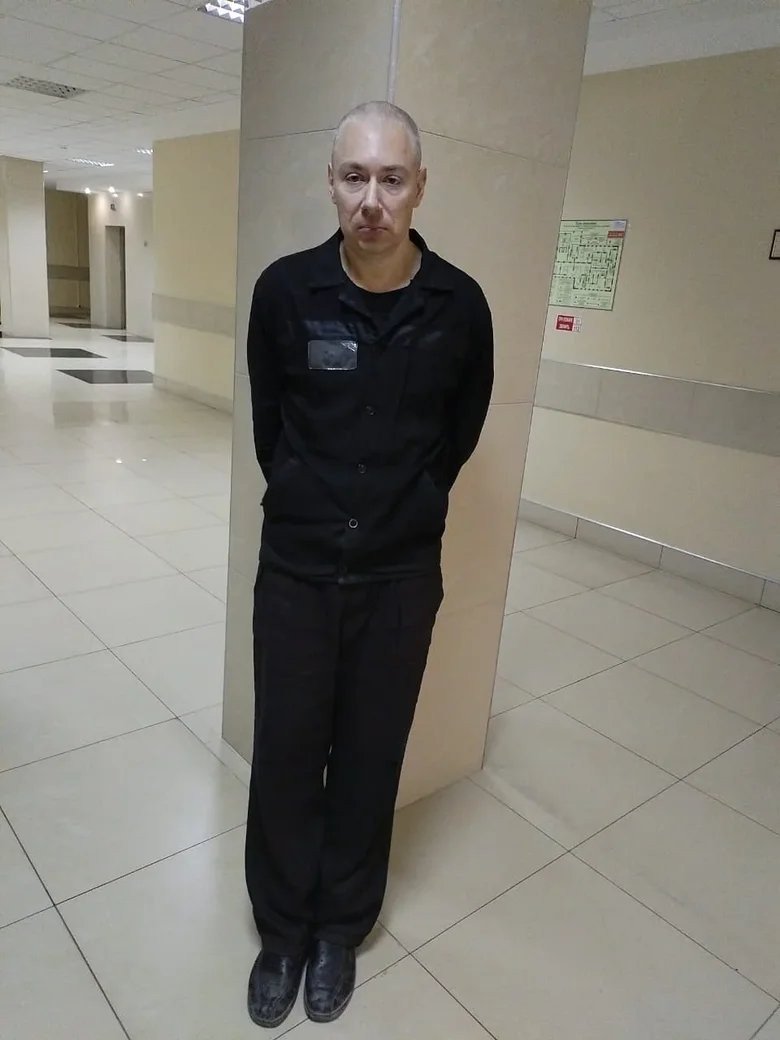
September 17, 2025, was supposed to mark the end of Valentyn Vyhivskyi’s 11 years in Russian custody. That was the sentence a court had handed him on espionage charges. Instead, Valentyn was put in a prison van, transferred from a maximum-security penal colony in Kirovo-Chepetsk to the city of Kirov, and placed in a temporary detention center for foreign nationals.
He remains there to this day—more than a year after his sentence ended. Technically, he is no longer serving a criminal sentence. In practice, he remains behind bars, with a Russian court extending his detention every three months.
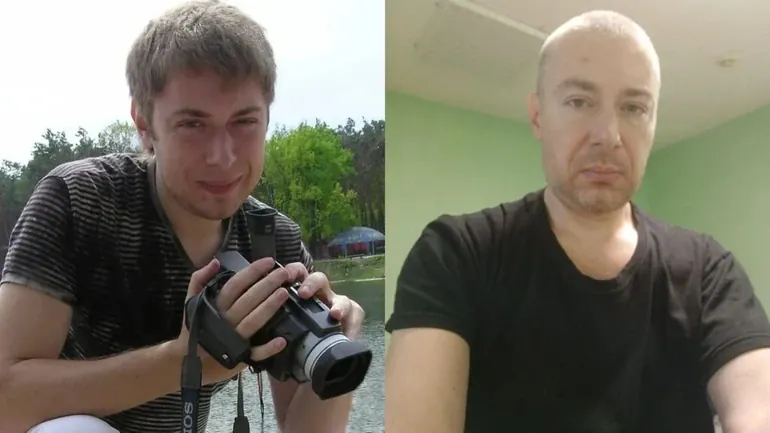
“We knew this could happen. But we never thought it would last this long. We thought, well, a few months, six months at most. And now it’s been more than a year,” Petro Vyhivskyi, the political prisoner’s father, tells UNITED24 Media.
There is still no definite date for his son’s return home.
11 Years for a Passion for Aviation
In September 2014, Valentyn Vyhivskyi was 30 years old. He lived in Kyiv, had a family and a son, and was passionate about aviation. He read academic literature, took an interest in aircraft and their engines, and kept in touch with people who shared his hobby.
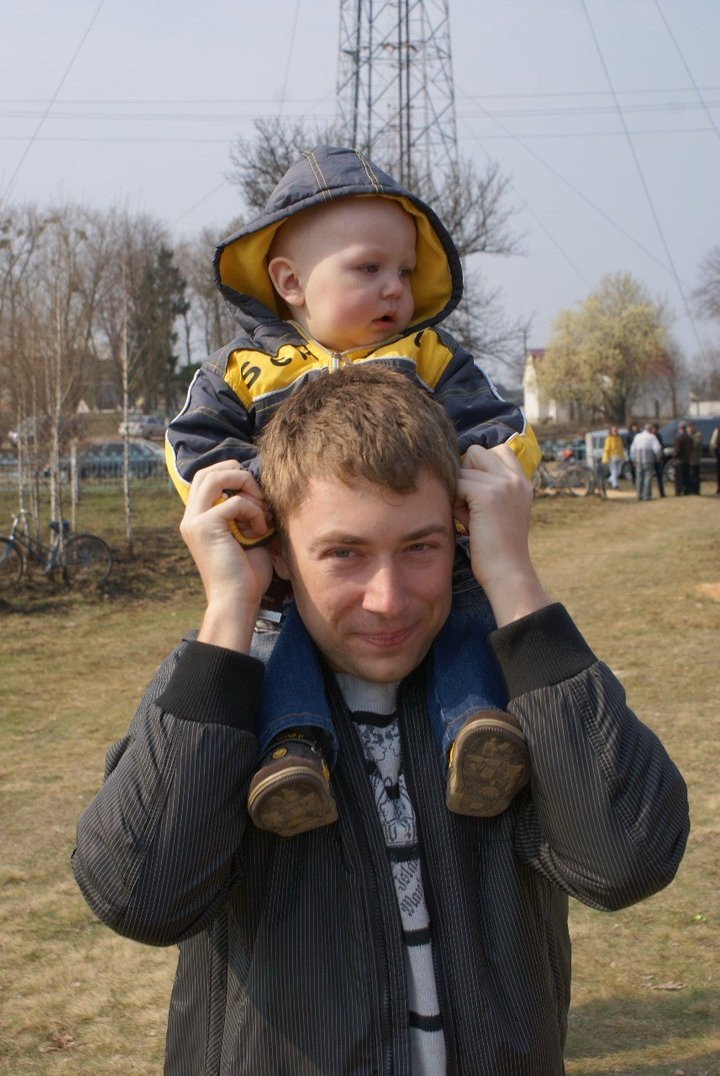
On September 17, he traveled to Crimea, which Russia had recently occupied. According to his parents, he planned to attend an aviation exhibition and meet a woman he knew through previous conversations about aviation. She had asked him to bring money, supposedly to pay for her sick grandfather’s medical treatment. His family believes the meeting was a pretext to lure Valentyn to Crimea, although the circumstances of the possible setup remain unclear.
His father had advised him against going. Russia had occupied Crimea only six months earlier, and the situation was dangerous. But no one yet fully understood the scale of the problem, and Valentyn had a return ticket and expected to be back the following day. He never made it home.
For nearly a month, his family had no idea where Valentyn was or what had happened to him. Eventually, it emerged that he had been detained by Russia’s Federal Security Service (FSB). Russian security officials accused him of collecting classified information about a Russian military aircraft engine and passing it to a Chinese representative. Vyhivskyi pleaded guilty during the investigation but later told the court that his statements had been extracted under torture.
In 2015, the Moscow Regional Court sentenced him to 11 years in a maximum-security penal colony for espionage. The case files were classified, and his family was denied access to the full text of the verdict.
Valentyn spent the next decade in Russia’s prison system, much of it in solitary confinement and punishment cells. His family spent years trying to secure his release, while Ukrainian and international human rights advocates drew attention to his case. As early as 2021, the UN Human Rights Monitoring Mission in Ukraine documented his detention conditions.
At the very least, there was still the end of his sentence to look forward to. But even that turned out to be no guarantee of a return home.
The Sentence Ended. The Detention Didn't
Russian authorities have a formal explanation for why Vyhivskyi is still not free.
After he completed his criminal sentence, his presence in Russia was officially deemed undesirable. But rather than allowing him to leave, the authorities placed him in a temporary detention center for foreign nationals.
Such facilities generally hold people awaiting deportation. Under Russian procedures, detention there is an administrative measure, not an extension of a criminal sentence.
“He’s already served his time. He isn’t facing any charges now. But the court hearings keep going—not over any charges, just over whether to extend his detention in the deportation center,” Petro Vyhivskyi explains.
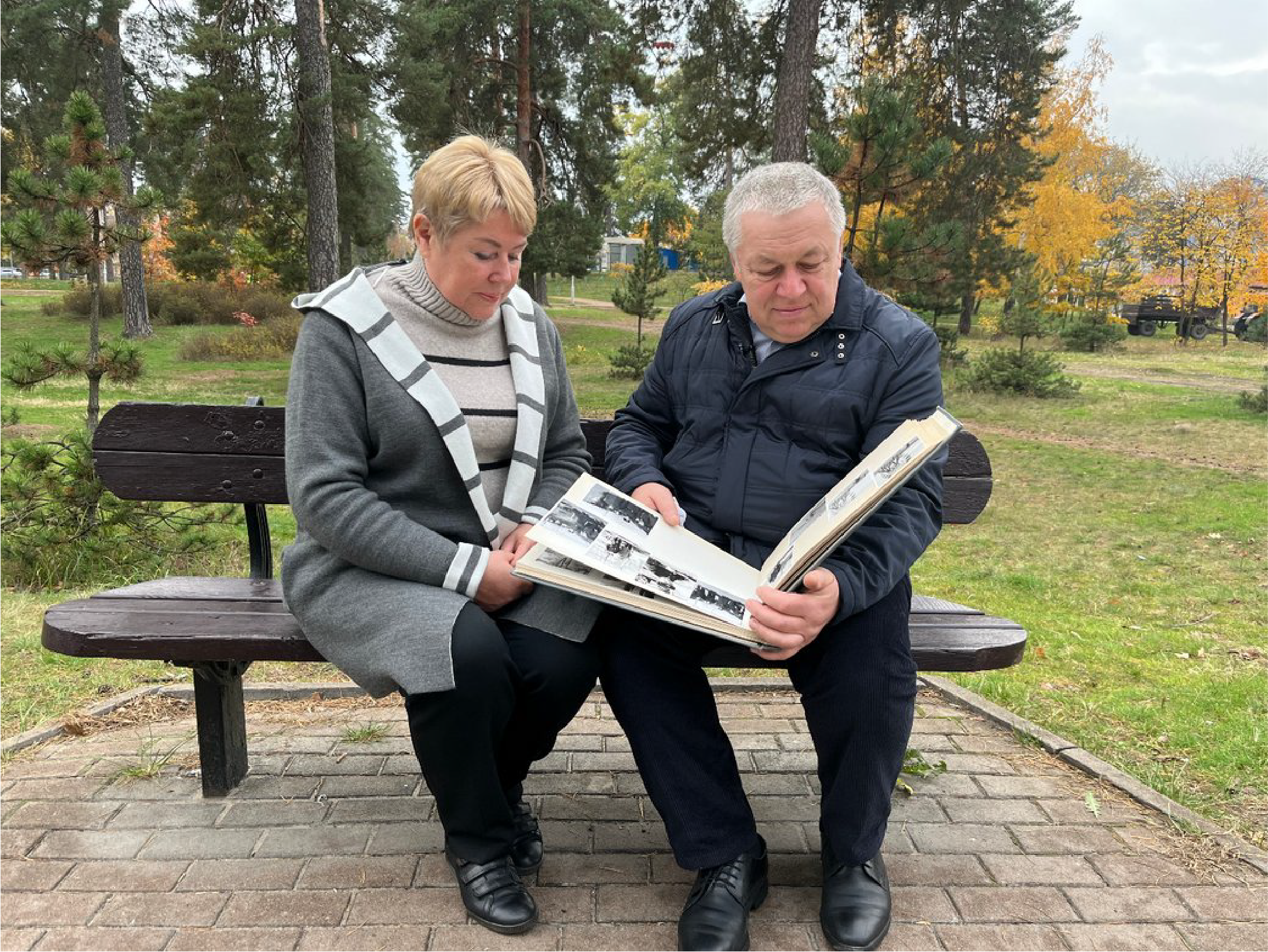
According to his father, there have been around five or six court hearings over the past year concerning his son’s detention. Each time, the Russian side makes the same arguments: that because of the war, there is supposedly no safe crossing point on the Russian-Ukrainian border, no Ukrainian diplomatic missions in Russia, and no agreed mechanism for transferring him through a third country. As a result, a man Russia itself decided to deport remains in Russia because Russia supposedly cannot deport him.
His family believes these explanations are merely a pretext for keeping him in detention. Petro Vyhivskyi says he previously tried to arrange his son’s return through Georgia. A route through Estonia was also considered. Neither option materialized.
The problem isn’t that there’s absolutely no way to leave. The problem is that Russia won’t let my son go.
Petro Vyhivskyi
Valentyn Vyhivskyi’s father
While the court proceedings continue, Valentyn lives under the restrictions of a secure detention facility. According to media reports, the center has barred cells, guards, and limited time for outdoor exercise. Conditions are somewhat better than in the penal colony, where he spent years in punishment cells. His family can even occasionally exchange messages with him through messaging apps, although his access to a phone is restricted.
But the lack of any prospect of release has led Valentyn to consider going on hunger strike.
“He said he doesn’t see a way out of this situation right now. I’m against a hunger strike because he could ruin his health and everything would stay exactly as it was,” his father explains.
Valentyn has not yet begun a hunger strike. He is trying to challenge the extension of his detention through the Russian court system.
Imprisonment With No End in Sight
Vyhivskyi’s story is far from the only case of Ukrainians being deprived of their freedom after serving their sentences.

Human rights advocates interviewed by journalists estimate that at least 1,000 Ukrainians are being held in Russian detention centers for foreign nationals. Among them are people like Valentyn, who have already served their full criminal sentences but have never been released. The exact number of such detainees is unknown.
Journalists obtained a court ruling extending the detention of one Ukrainian national. In it, the Russian court effectively argued that the man could only be deported once Russia’s war against Ukraine was over. Russian courts routinely extend such detention by three months. With no clear statutory limit, the process can be repeated over and over again.
Some people have spent several years in deportation centers. The investigation also describes cases in which Ukrainians unable to leave Russia were offered contracts with the Russian military and the opportunity to fight against their own country.
Another Ukrainian political prisoner, Andrii Kolomiiets, faced an almost identical situation. In January 2025, he completed a ten-year prison sentence on politically motivated charges. He was immediately transferred to a detention center for foreign nationals in Russia’s Krasnodar region. It was not until July 2025 that Kolomiiets managed to return to Ukraine via Georgia and Moldova.
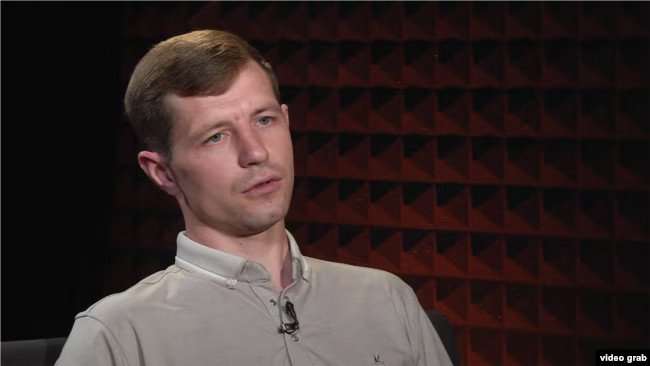
His story demonstrates that routes for Ukrainians to return from Russia do exist. Valentyn Vyhivskyi’s father knows about the case, too. He cannot understand why his son, having served his own sentence, is still being denied the same opportunity.
The UN Human Rights Committee states explicitly that the inability to deport someone because of statelessness or other obstacles does not justify indefinite detention. In other words, even if practical obstacles to deportation do exist, they do not give a state unlimited authority to deprive someone of their liberty.
Why This Matters Beyond Ukraine
Detention in a deportation center after the completion of a prison sentence is not a legal predicament unique to Ukrainians. In May 2026, the UK Foreign Office published official guidance for British citizens held in Russian prisons. It explicitly states that foreign nationals are generally deported after serving their sentences. To facilitate deportation, they may be transferred from a penal colony to a dedicated detention center, where they remain until they leave Russia. The British authorities warn that such detention should not exceed six months, but delays are possible.
This does not mean that every foreign national in a Russian penal colony will necessarily share Vyhivskyi’s fate. But it does mean that a formal prison sentence is not always a reliable indication of when someone will actually be able to return home.
And when a person’s freedom depends not only on a court ruling but also on a state’s political decisions, that person becomes a potential instrument of pressure.
A 13th Year Away From Home
In the 12 years since Valentyn Vyhivskyi was detained, almost everything has changed.
When he was arrested, his son was just six years old. Today, he has already graduated from school and enrolled at university.
Valentyn never got to watch his son grow up, go to school, or navigate his teenage years. All of that life unfolded without him.
“He’s now in his 13th year of detention. That’s such a huge part of a person’s life. I’ve always said that when he gets home, everything will be new to him. The phones are different, the cars are different, the money is different. The political, economic, and social situation—everything is completely different,” Petro Vyhivskyi says. “Priorities number one, two, and three are all the same: getting home. After that, everything will be fine.”
Discuss this article: