- Category
- War in Ukraine
“We Believe We Won’t Be Surrendered”: Tetiana’s Plea for the Donbas—and the Bombs That Took Her
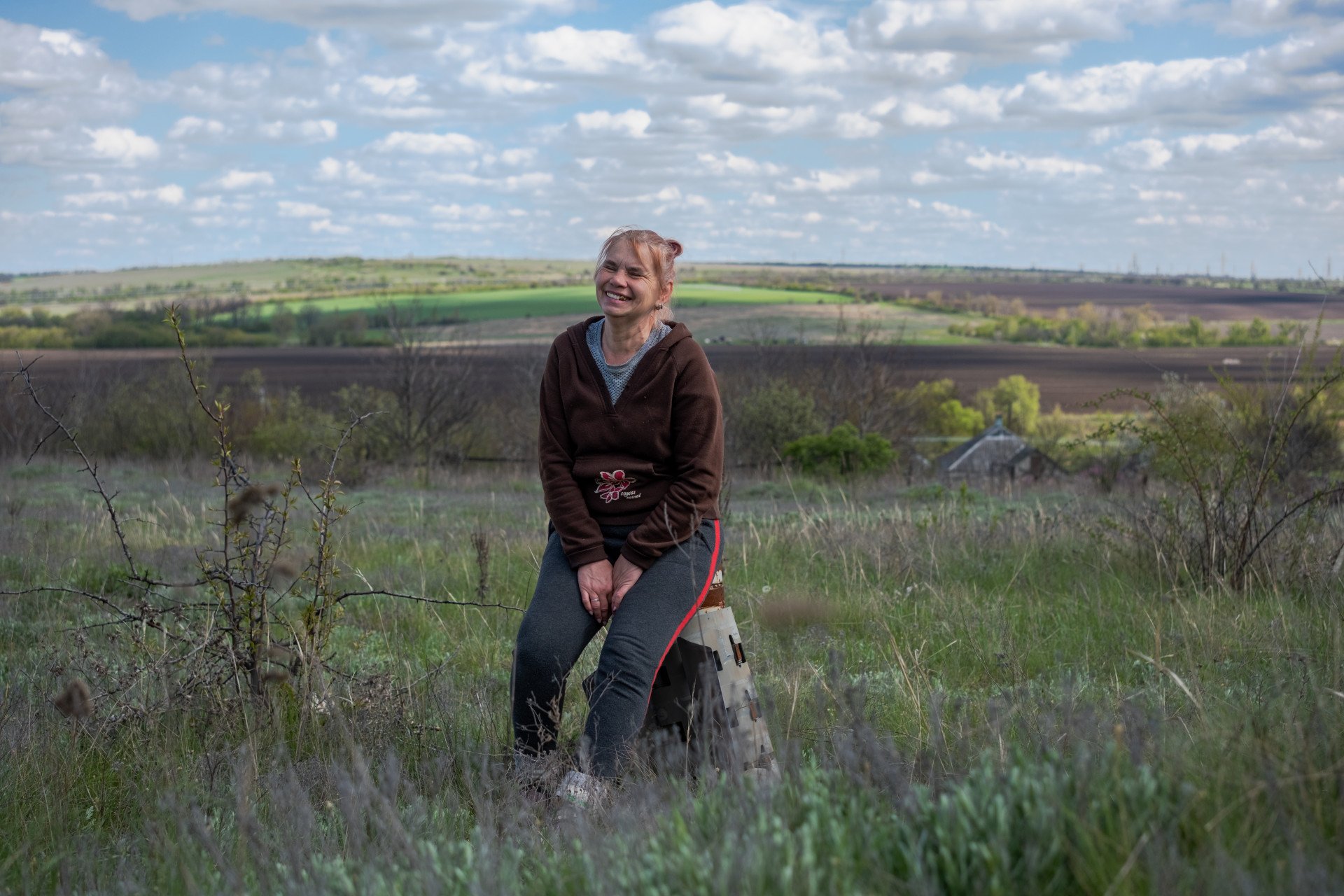
The drone detector’s screen buzzed to life, indicating the approach of FPVs. A deafening hiss interrupted our stride, and we looked up to see Ukrainian artillery streaking across the Donbas sky. Tetiana screamed gleefully: “Stop! Just look up! Donbas lives and breathes!”
 Prefer U24 Media on Google
- Authors


It was from that same Cadbury egg blue, puffy cloud-flecked sky at which Tetiana implored us to look, that death—in the form of two Russian FAB-250 —came inexorably smashing down through dusty bricks and chipped blue paint, to sharply end the life of Tetiana. In an instant, a woman whose laugh could raise the dead became forever erased from this life.
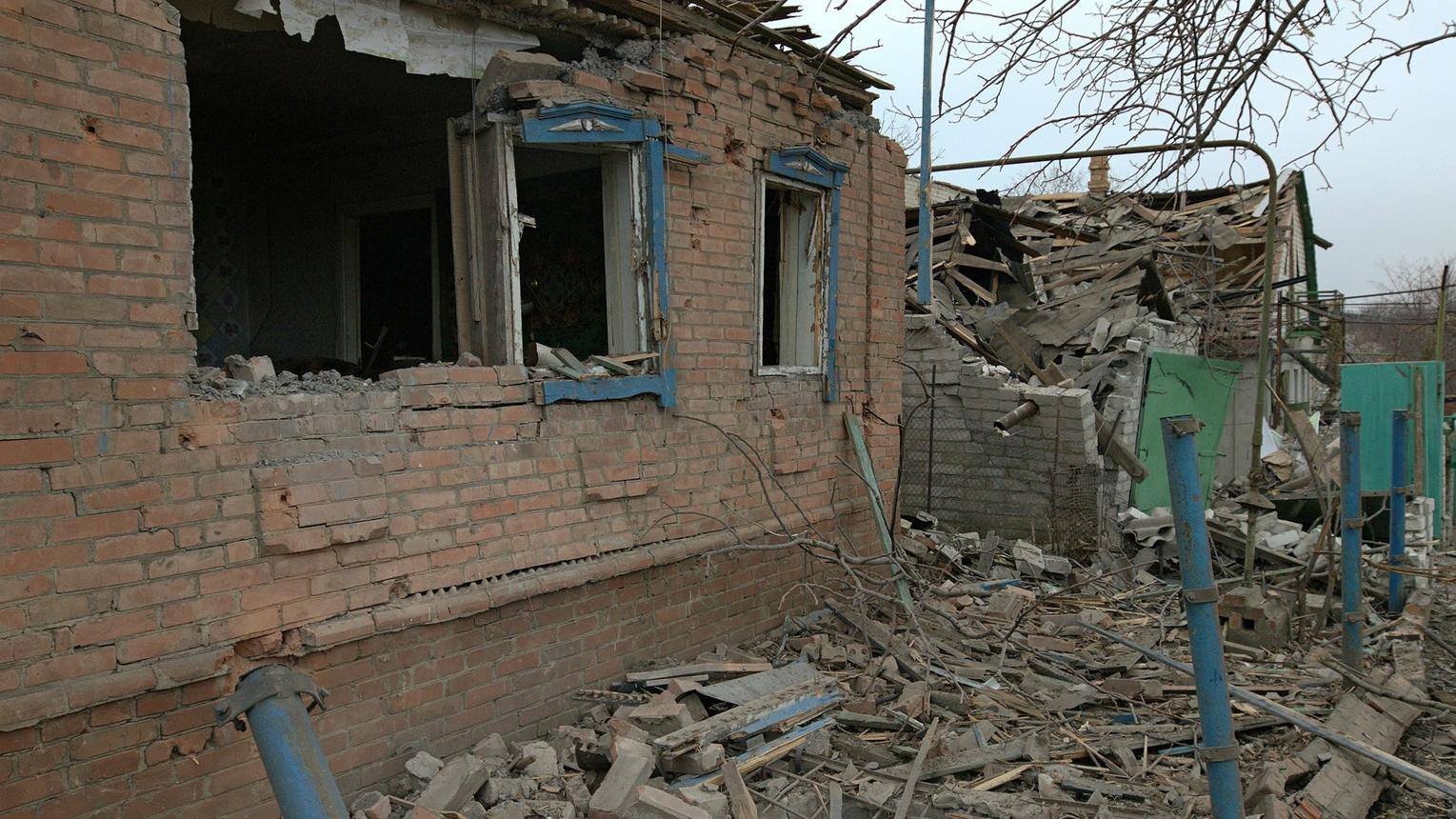
As Tetiana walked us up the hill behind her house—once a kitchen garden that now resembles more of a barren wasteland—she spoke to us in a voice that was full of joy and pride, unfazed by the incessant beeping of the Chuika I held in my hands, alerting us to the presence of nearby FPV drones.
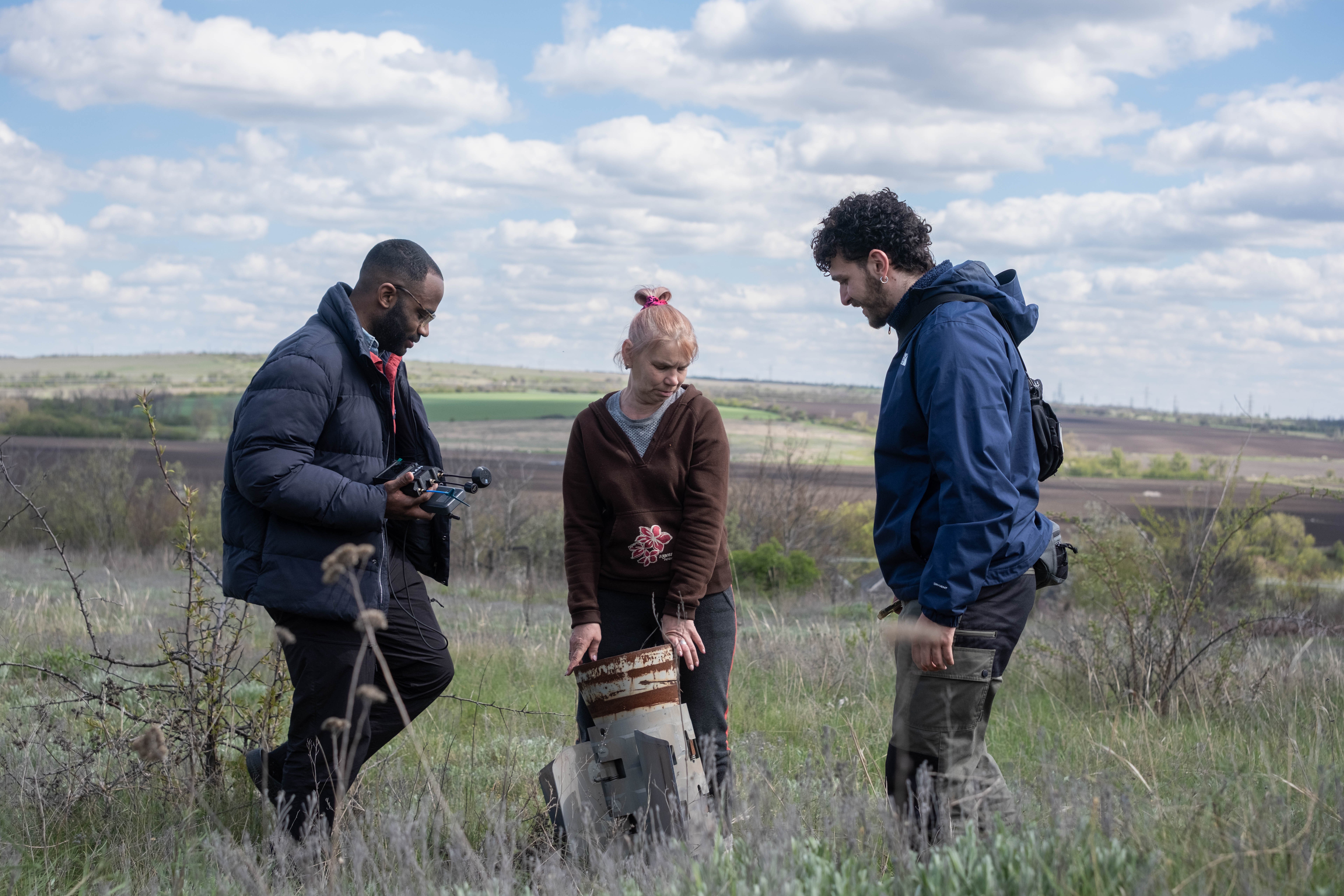
Upon reaching the summit, with myself and two other UNITED24 Media journalists huffing and puffing behind her, she flashed a gold-toothed smile, wiped a lock of hair from her sweat-beaded face, and proclaimed: “Look at this. From here, you can see Kramatorsk, Druzhkivka, Slovyansk, Kostyantynivka…listen! Donbas is alive.”
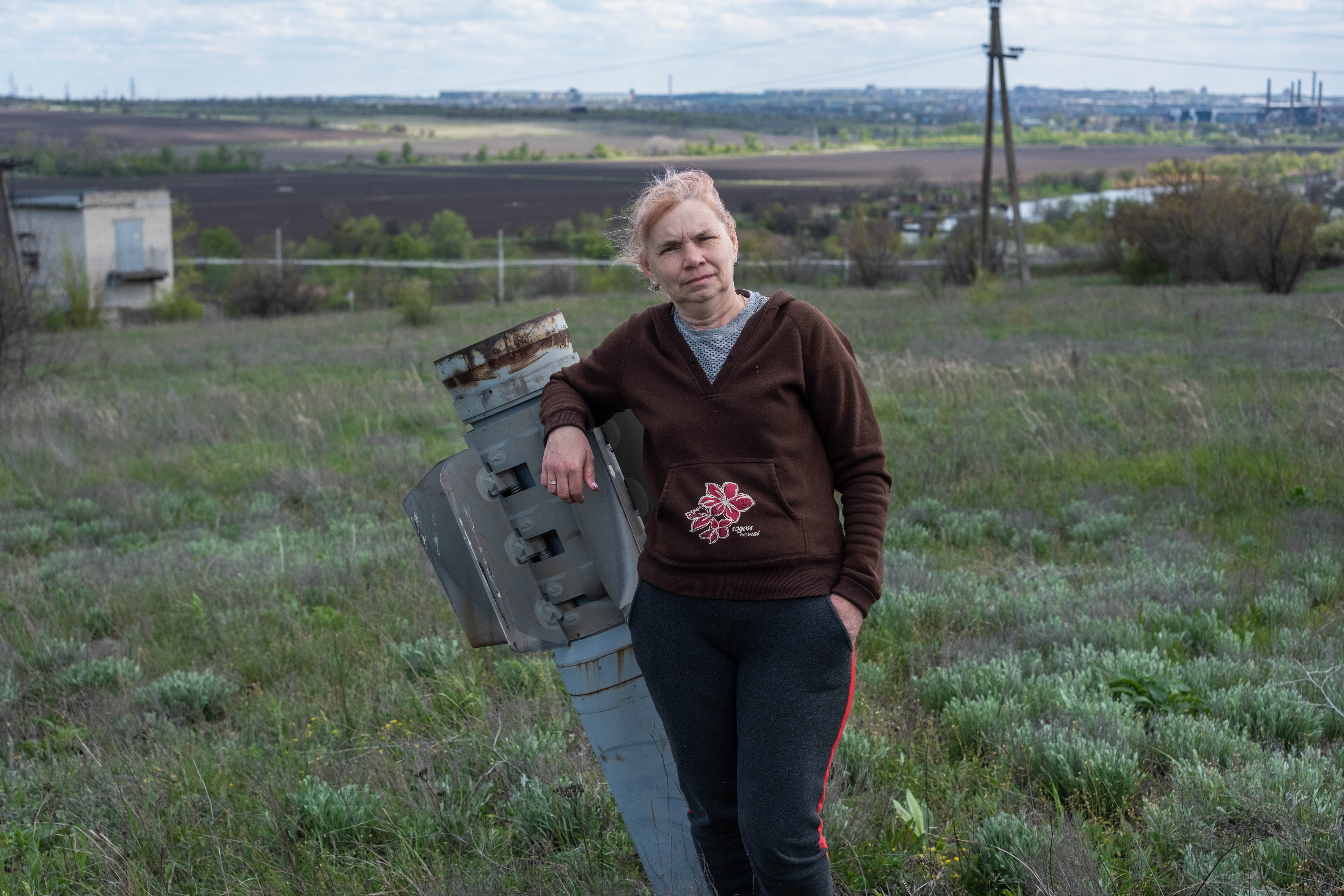
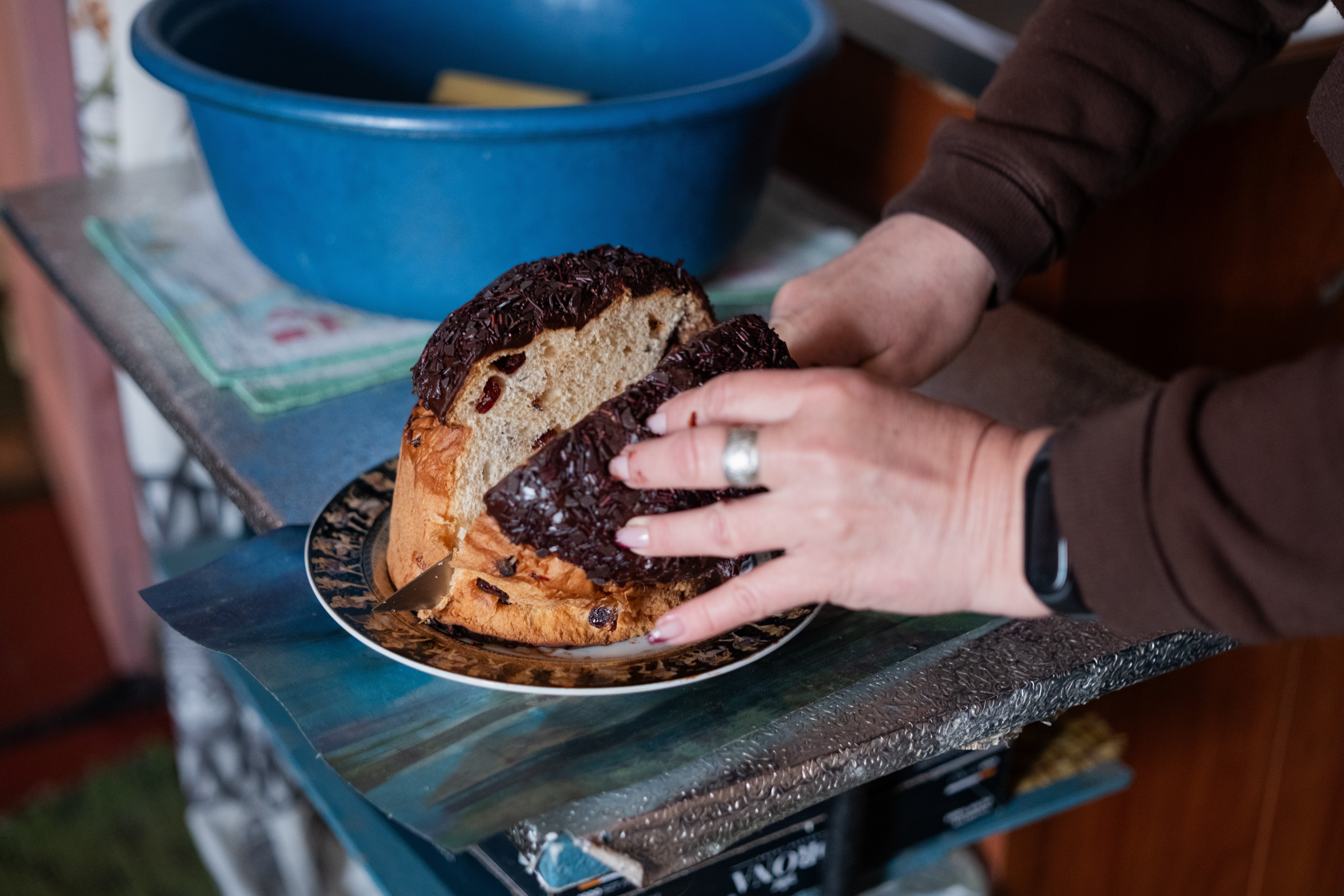
Tetiana was, in a word, formidable. When we asked her why she remained in Yasnohirka —at the time just 10-15 kilometers (6-9 miles) from the nearest Russian positions—as easily as if she were reciting her daily list of chores, she opened a bottle of cherry wine, sliced through a chocolate covered paska , and in a calm voice addressed us: “Because this is my land; I was born and will die here. Would you give up your home? How many in Kyiv would be willing to do that?
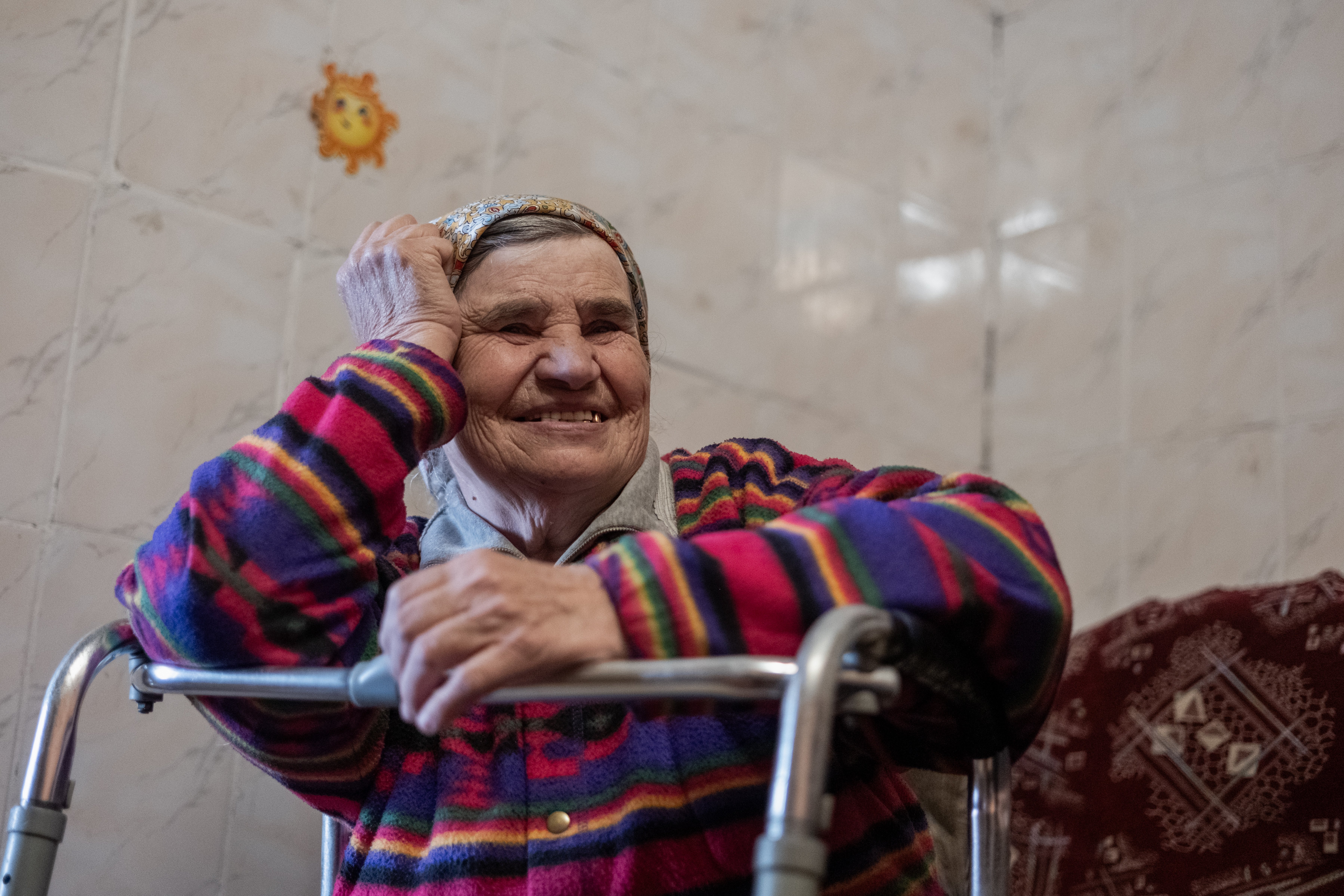
Tetiana lived with her elderly mother: a bubbly silver-haired woman, to whom a hearty chuckle always came easily, seemed to spill into the room, peals of laughter and grey wool socks first, and introduced herself to me affectionately as Mama Liuba.
Grabbing my arm and smiling so hard I felt her eyes were sure to be squeezed to a pulp by her cheekbones, she exclaimed: “Wow, a guy from Spain, New York, and Kyiv, all here with me! You are all welcome in Ukrainian Donbas! Just wait until Mama Liuba tells her granddaughter that a journalist came all the way from New York City just to have tea with her. Can you believe it?”
I wonder if Mama Liuba did indeed have the chance to tell her granddaughter that, or anything else before a FAB-250 nearly incinerated the same woman who, while evacuating from further east in 2014, was fired upon by an advancing Russian column of troops.
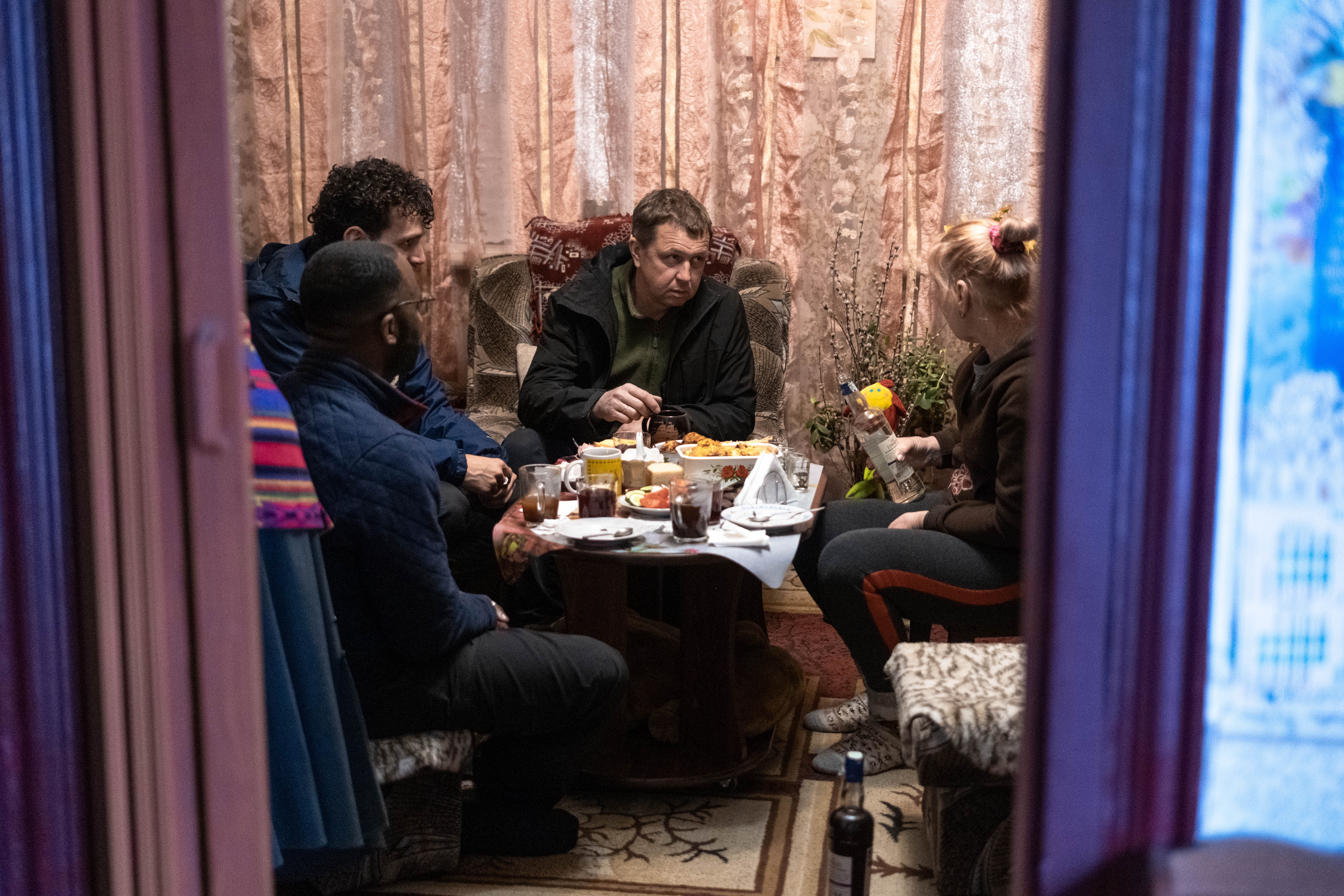
Both Mama Liuba and Tetiana moved through life like they had all the riches to give, yet they knew loss like an old friend. As Mama Liuba descended into the wool blanket-draped sofa behind her—making sure to snuggle up right next to me and assuring me that that was exactly where she wanted to be—Tetiana began explaining to us just what Russia’s invasion had taken from them.
She explained to us that she once had a lush kitchen garden behind her home, which had been leached of nutrients following the impacts of several rockets deep into the ground, feeding a steady stream of rocket fuel into the soil. She shrugged, brandished a slice of cake at me, and laughed, reflecting on her “trophies,” marking each time she had defied death.
Her eyes became glossy and her voice shrunk to a throaty whisper, as she began to explain to us what was likely her greatest loss during 12 years of war. Her gaze drifted over to a photo of a handsome young man in uniform. Young, too young, who bore who bore the soft, but determined look of someone who would not be denied, and had likely staved off many attempts at dissuasion.
At the start of the invasion, Tetiana’s nephew had volunteered to fight, and was sent to some of the hottest spots of the war. In 2023, at 23 years old, he was killed during the Battle for Bakhmut —the longest and bloodiest battle of the 21st century—and is now buried under the same land for which he fought. “My little boy has been gone for three years,” Tetiana said. She then turned to us, and with a soft smile and clasped hands, almost whispered: “But we believe—we really believe— we won’t just be surrendered.”
Tetiana paused to solidify the solemnity of her declaration. Suddenly, we heard a faint, but unmistakable series of wet thumps in the distance, insistently reminding us that even at that moment, neighboring Kostyantynivka, Druzhkivka, and Slovyansk were being pummeled by the same bombs that would reduce our host to ash and charred flesh, months later.
“You drove through [Kramatorsk]—you see how many homes are destroyed, how much destruction there is,” Tetiana croaked, through tears. “I wouldn’t wish anyone to live through any of this.”
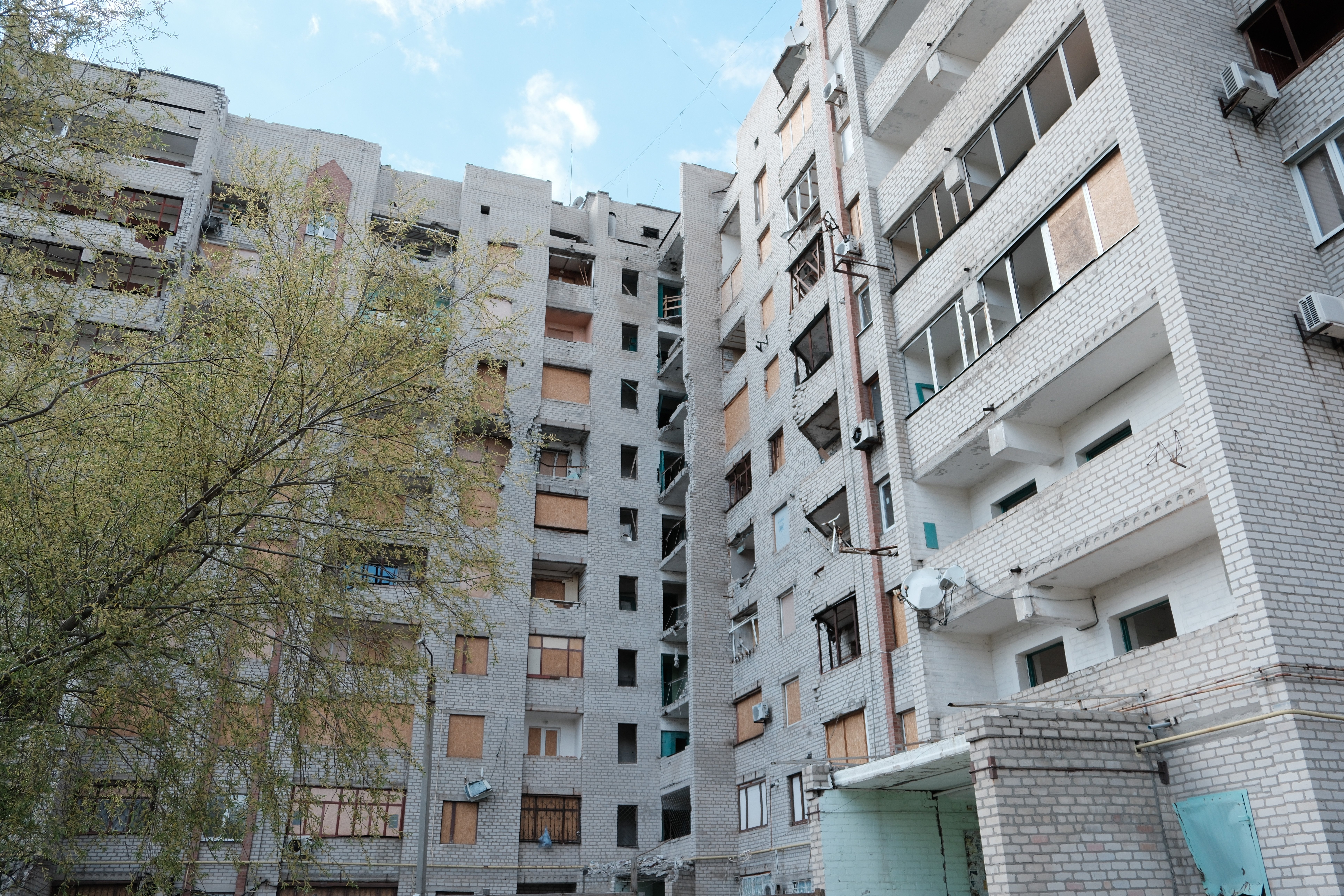
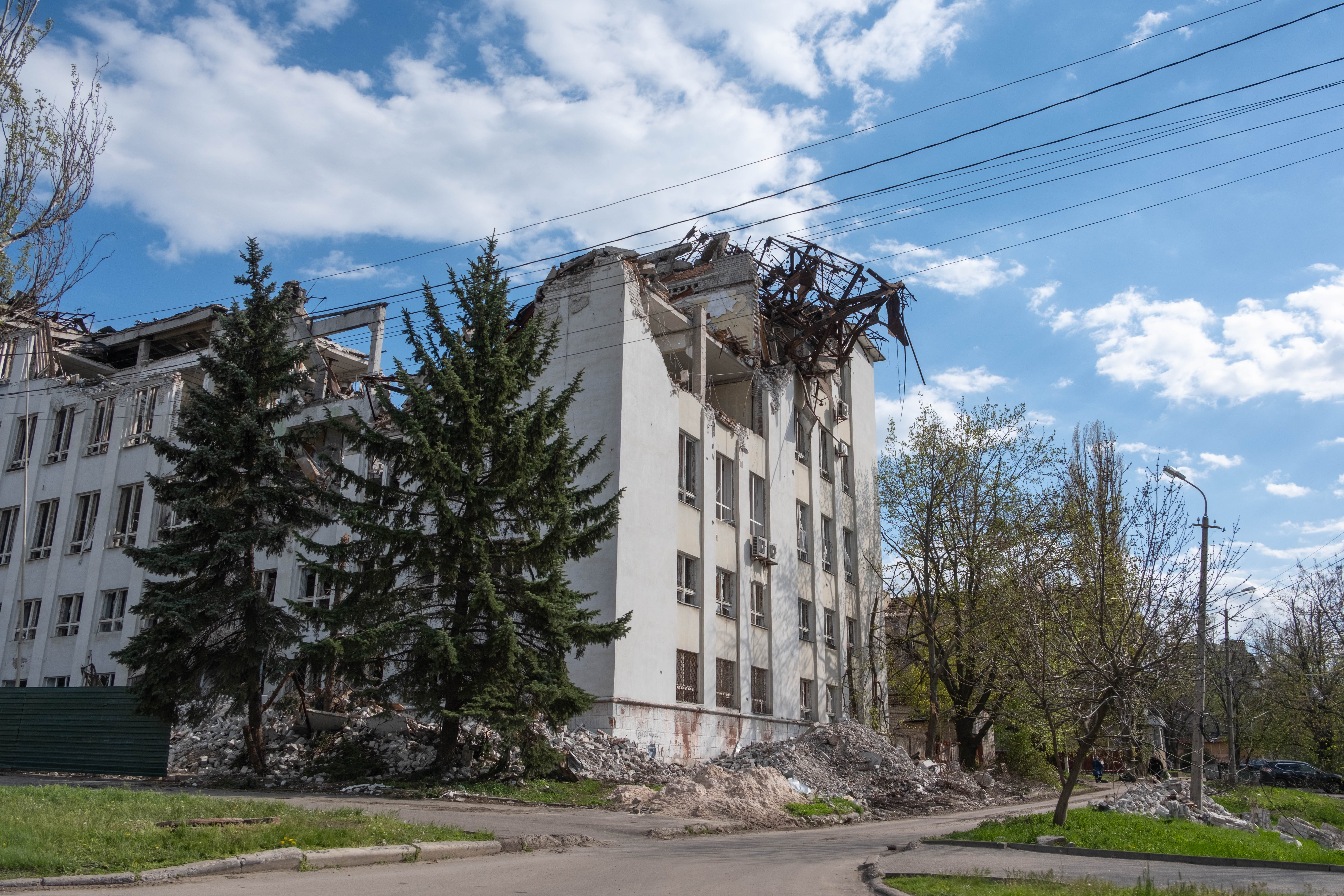
And yet, nearly 100,000 Ukrainians—including around 2,500 children—live this reality every single day in Ukrainian-controlled Donbas; the broader region’s population before the opening of the Russo-Ukrainian War 2014 hovered between 6.5 and 7.4 million residents. This means that Russia’s attempted annexation campaign—sustained by heavy bombing and territorial incursion, has, by murder, displacement, or kidnapping, depopulated this Ukrainian region by 30%.
While Russia’s leadership claims their crusade to secure the Donbas for Russia is led by a desire to protect the people of this region and protect Russia’s national security interests, they are actively massacring and erasing an entire population. After all, most of the people they would endeavor to protect are currently either lying in mass graves created by Russian troops, or are wondering whether the next bomb will land in their mug before they’re able to add sugar to their tea.
When Tetiana took us out to the hill behind her house, she didn’t mention ruins, the crystal clear explosions in the not-so-distant distance, or the whiz of nearby FPV drones; she marveled at the sound of tractor drivers still doing agricultural work, at the majesty of Kramatorsk’s chalk cliffs, and the potent ever-present sweet stench of the rich chornozem that is ubiquitous in, and unique to this part of the world.
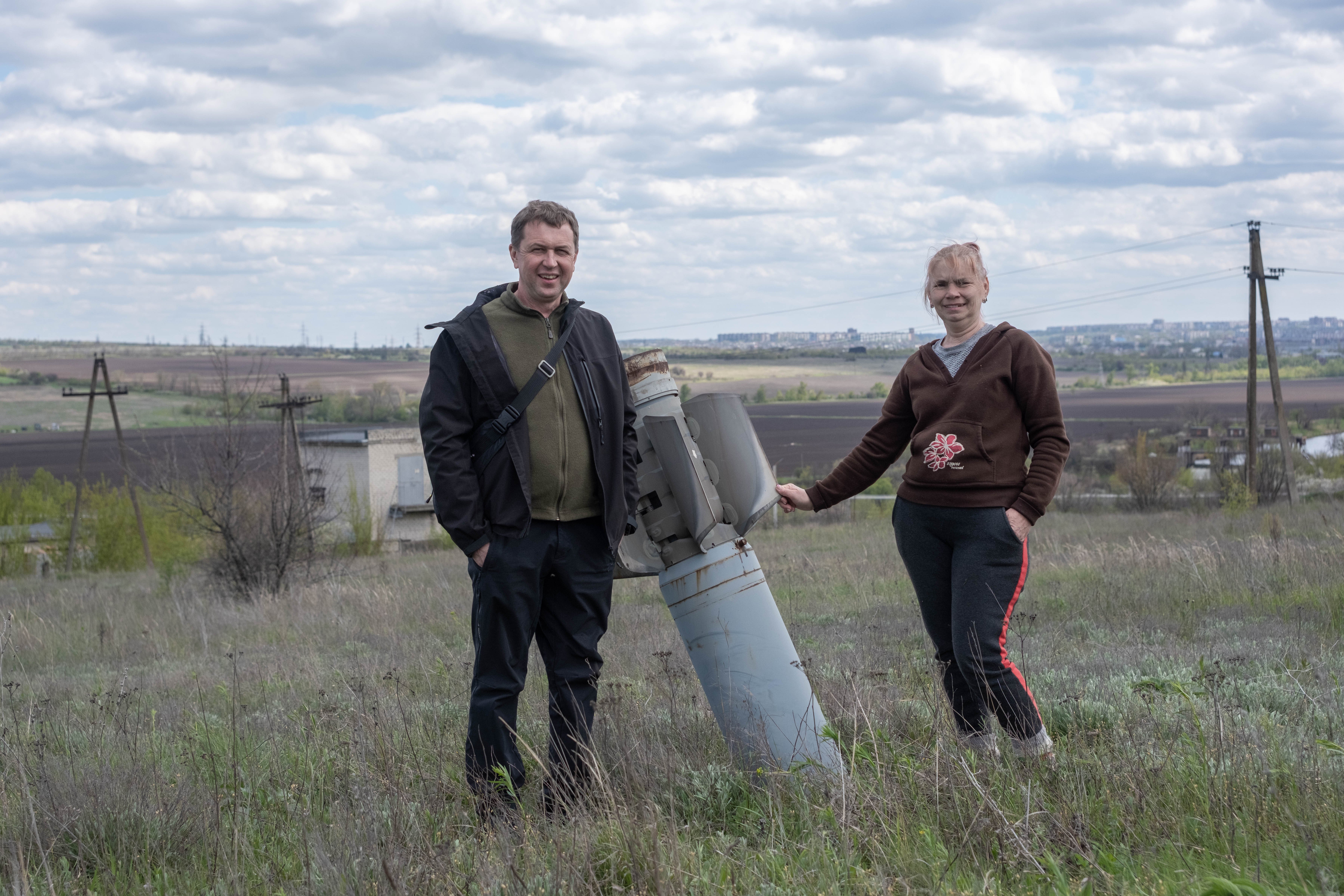
Tears glinted in Tetiana’s eyes when she implored us to look at the sky that afternoon, as it exploded in brilliant rocket fire from Ukrainian forces firing upon Russian military positions. As their contrails streaked across the pale blue expanse, she whooped, jumped and cheered. In that moment, Tetiana unwittingly gave me a gift I will carry to my own grave, whether a rocket, a bomb, or the hand of God guides me there: I began to believe that no matter what, we cannot surrender hope to those who would terrorize us; in that way, we become eternal.
Tetiana: may you fly and soar higher and further than your Chuhuiv final resting place, to a free and strong Ukraine. We will see you when we get there.
Discuss this article: