Category
War in Ukraine

Inside the Rigorous Selection Process for Ukraine's Special Operations Forces

5 min read
Authors
Photo of Mykyta Shandyba
Photojournalist

Before you can train to become one of Ukraine’s Special Operations Forces, you have to survive “Selection.” It’s not a course. It’s not preparation. It’s a brutal test of endurance, resolve, and mental toughness—designed to break most and reveal the few who can operate where others can’t.

Prior to beginning the Q-Course—the qualification course of Ukraine’s Special Operations Forces (SOF)—every candidate must pass a gruelling internal “Selection” process. This isn’t PR. It’s not a survival school. And it’s definitely not a boot camp.

It’s a filter that only a few pass through. And only those who make it gain the right to become part of a small but incredibly effective community: Ukraine’s Special Operations Forces.
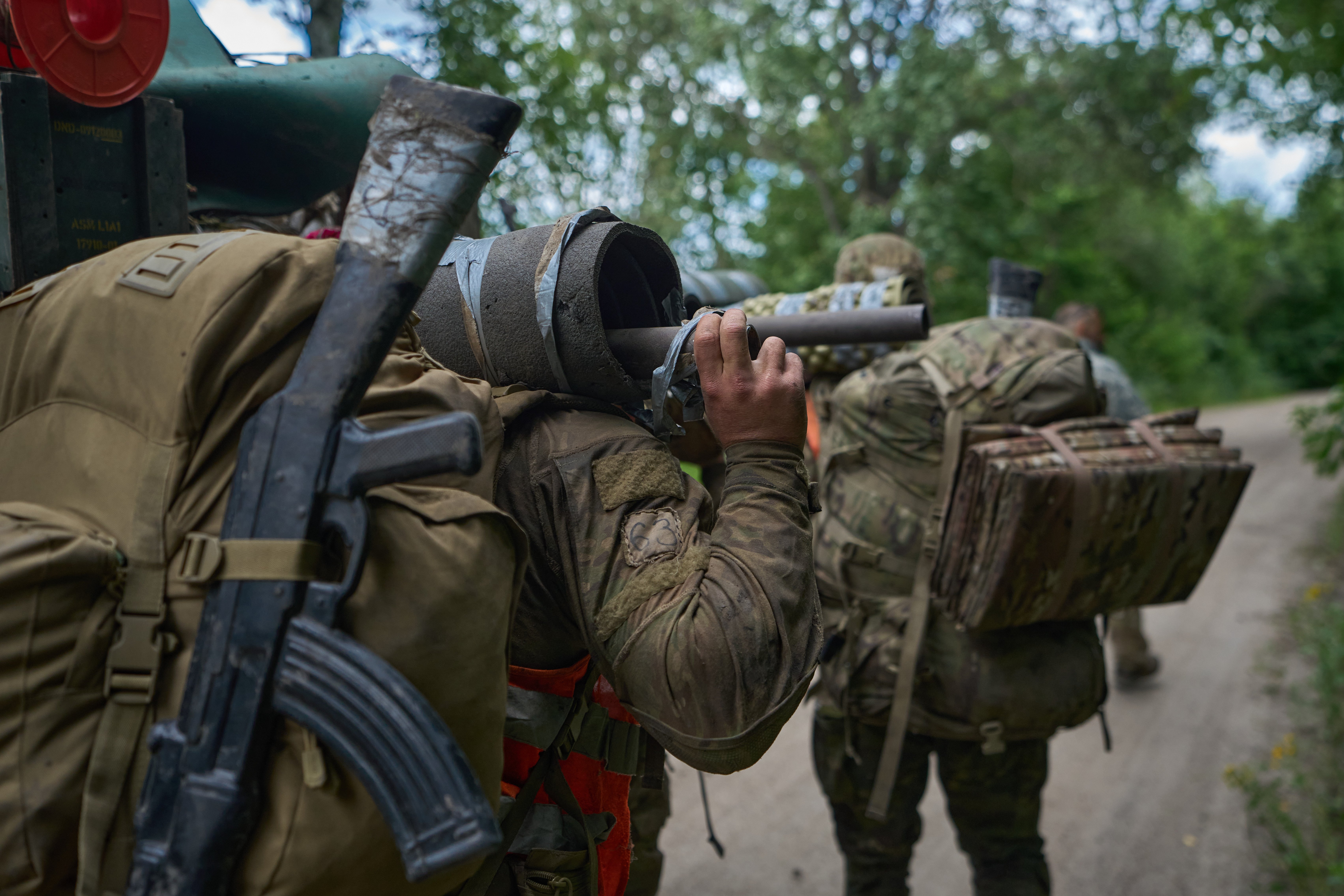
Candidates must carry a platform made of thin pipes, loaded with heavy weight. Through joint effort, they must distribute the load and complete the required distance.

Uniform on, knees bloodied

Our journalist, Philip, decided not just to observe but to become part of the process. His intention was sincere—to go through selection alongside the candidates, to experience everything firsthand, and to share the story with complete honesty.

He put on the uniform and joined the others on the first day of selection. Very soon, he made one of the wisest decisions of the week: to remain a journalist, not a candidate.
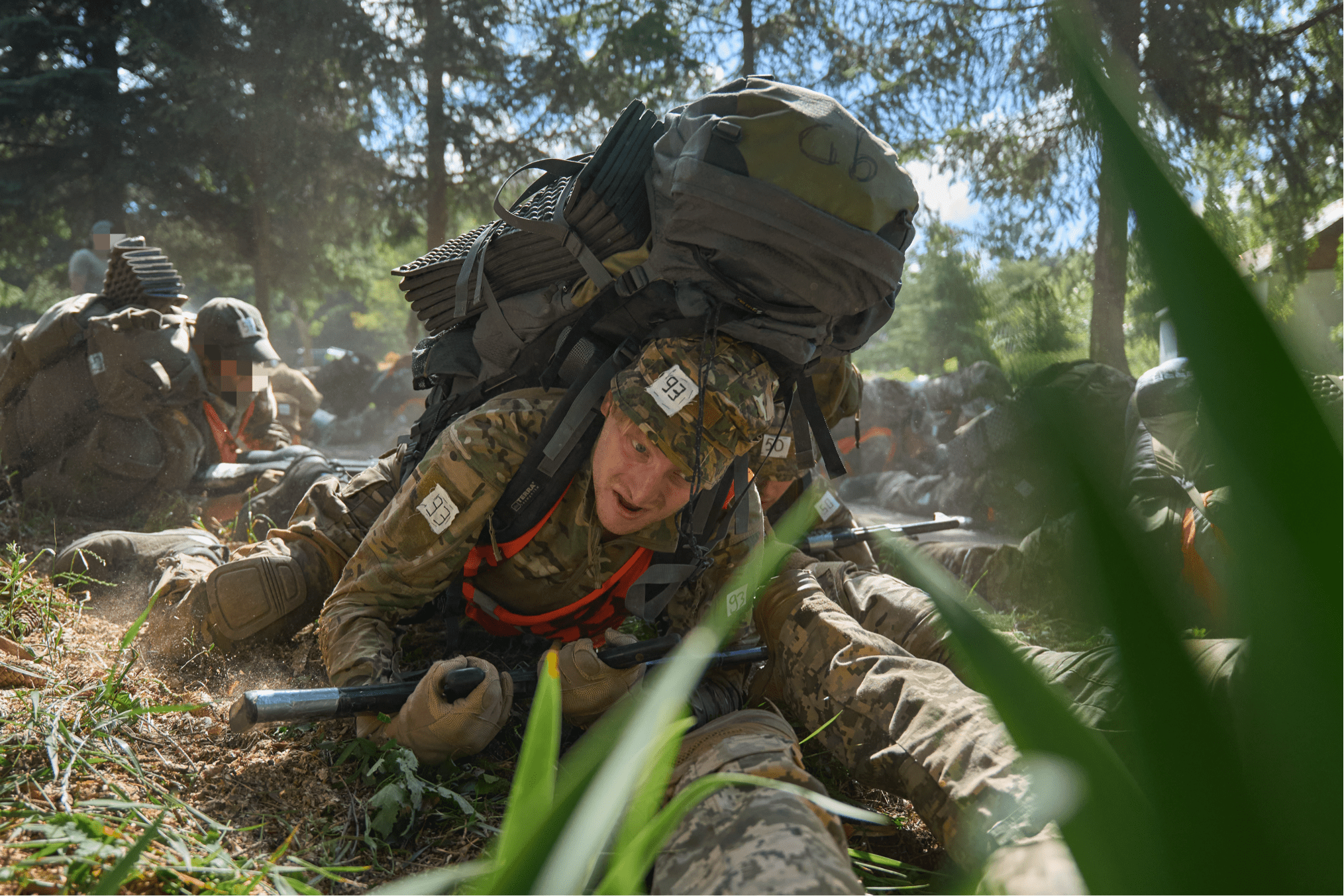
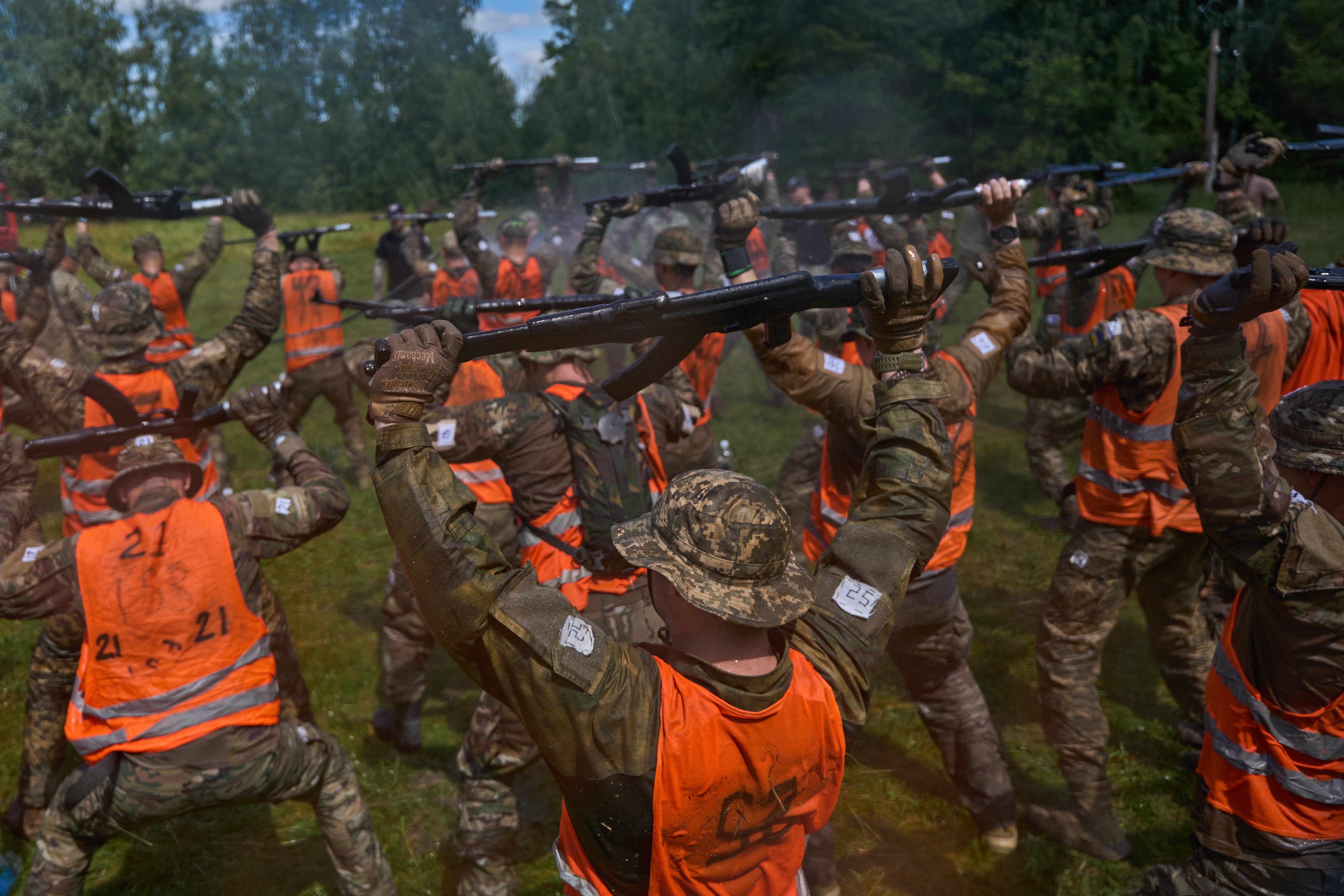
The first 10 minutes of “Selection.” You can already see on the face of our journalist, Philip, that this is an intense burden—and the beginning of a very tough ordeal.
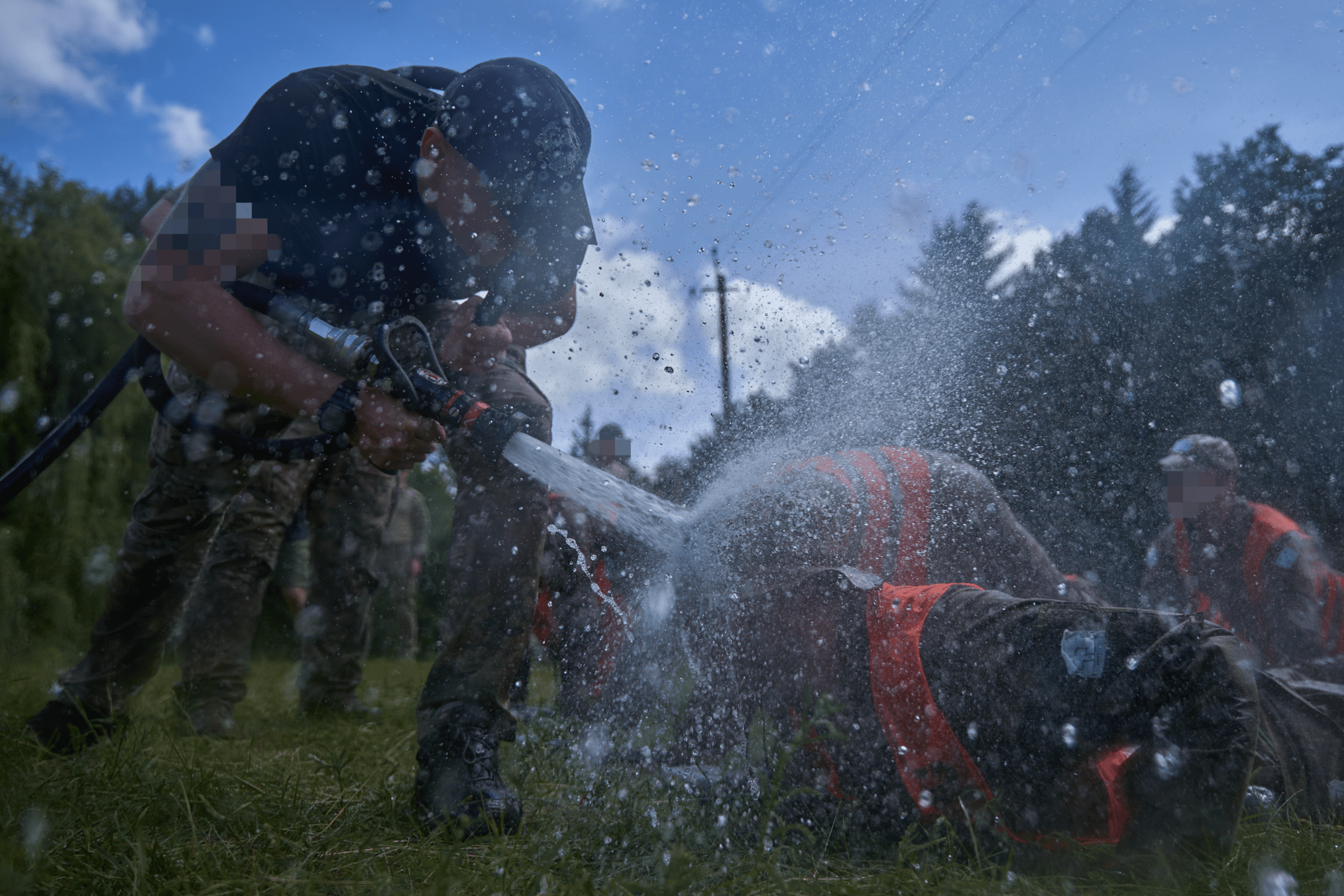
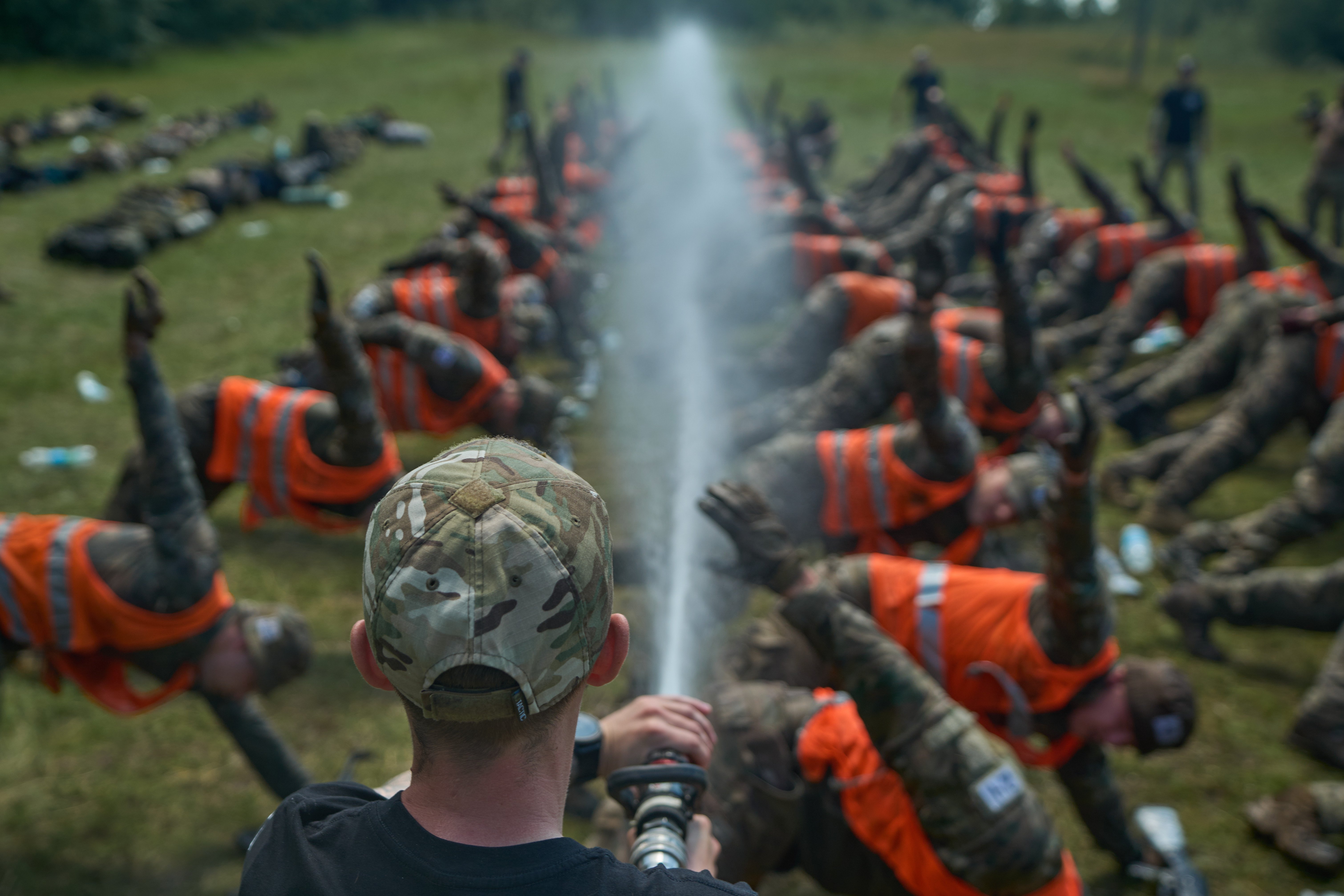
Each stage is carefully planned. After several hours of physical exertion, candidates are sprayed with water from a fire hose to let them cool down. But no one is just standing around—everyone remains in a half-squat.

What happens during selection

Selection is a week of relentless trials—testing everything: body, mind, and psyche. Candidates don’t train—they survive. They aren’t being prepared—they’re being assessed.

Physically:

  • Kilometers of ruck marches with 30kg backpacks.

  • Exercise after exercise, without breaks.

  • Blindfolded water jumps.

  • Total isolation and severe sleep deprivation.
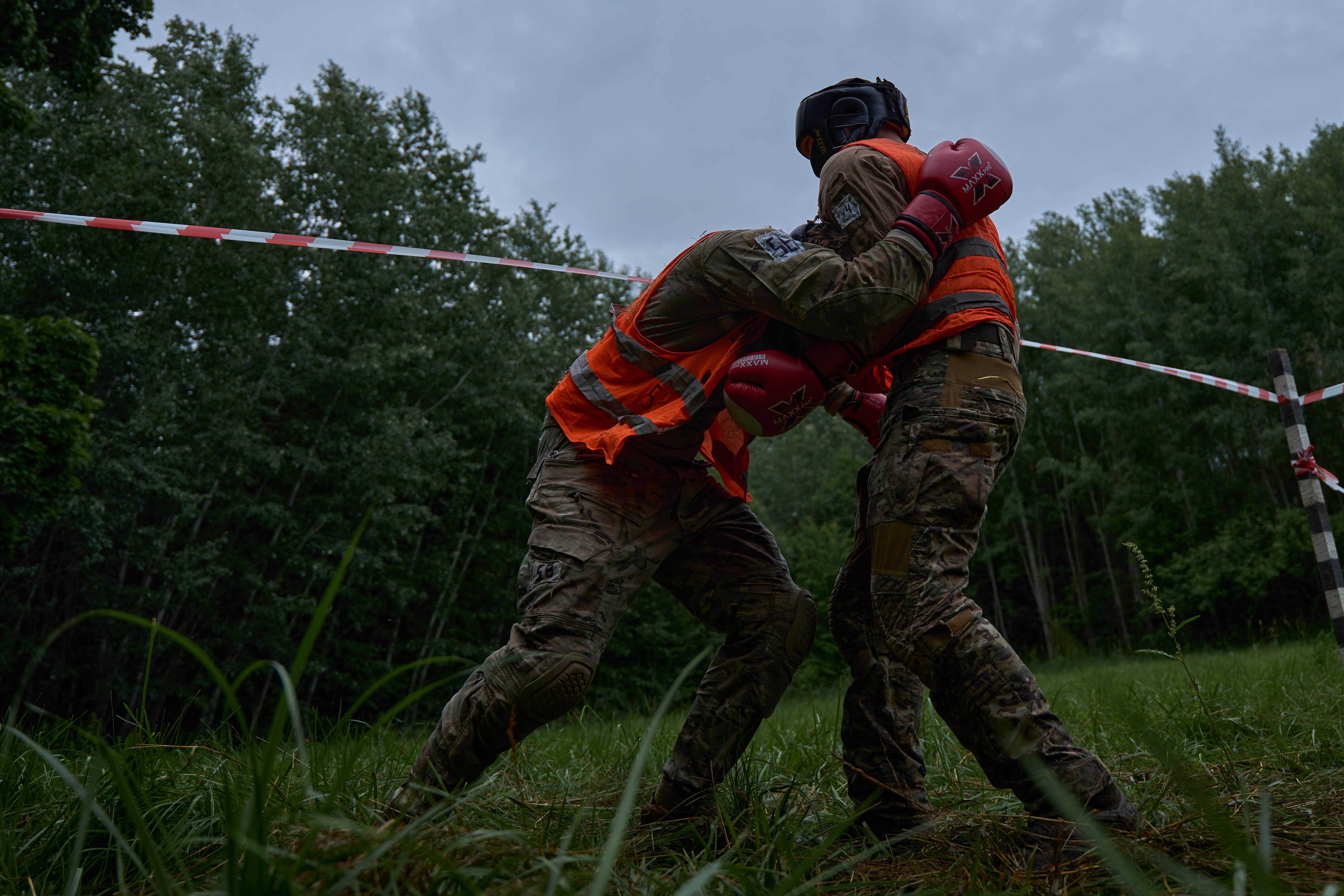
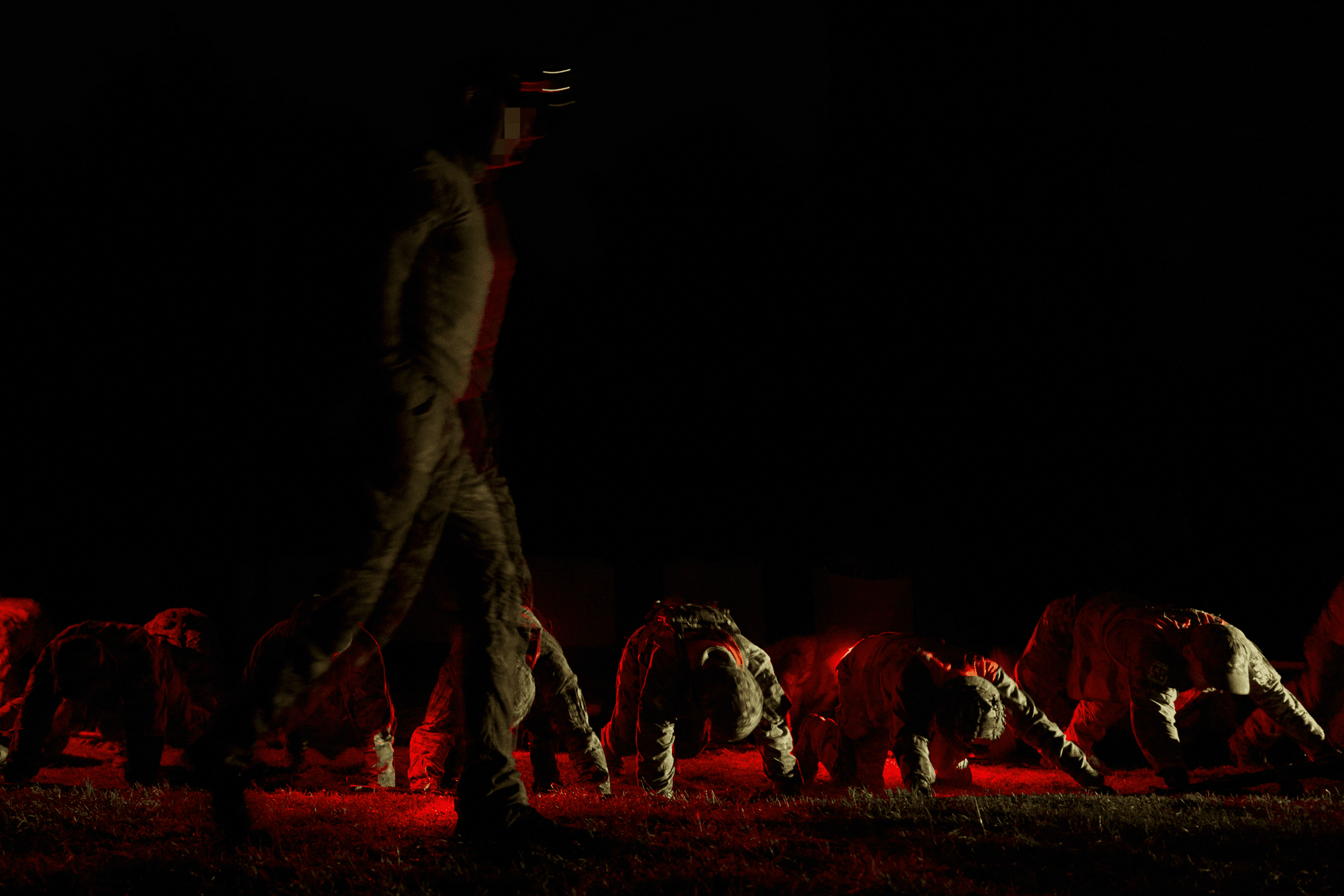
After several days of physical and psychological stress—also aimed at building team cohesion—the candidates are put into sparring matches with each other. It’s challenging both physically and mentally.

Psychologically:

  • Simulated captivity—with all that entails: disorientation, pressure, loss of freedom.

  • Constant fatigue, with decisions required in a state of exhaustion.

  • Team challenges that collapse if even one person can’t keep pace.
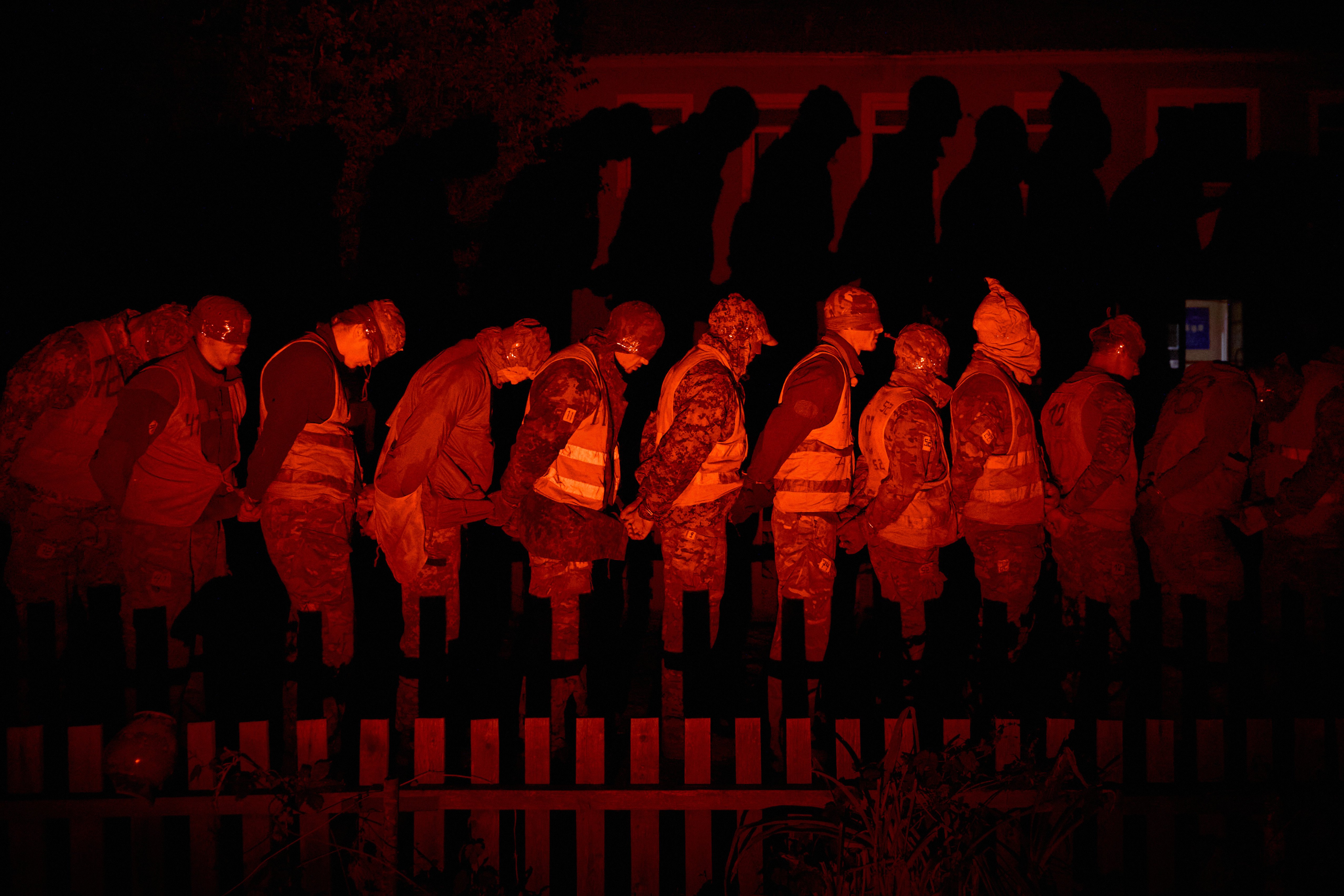
Captivity. One of the key psychological challenges for candidates. More than six hours with hands and eyes bound, in a cold basement, accompanied by the sounds of screaming women and children played at high volume through powerful speakers.
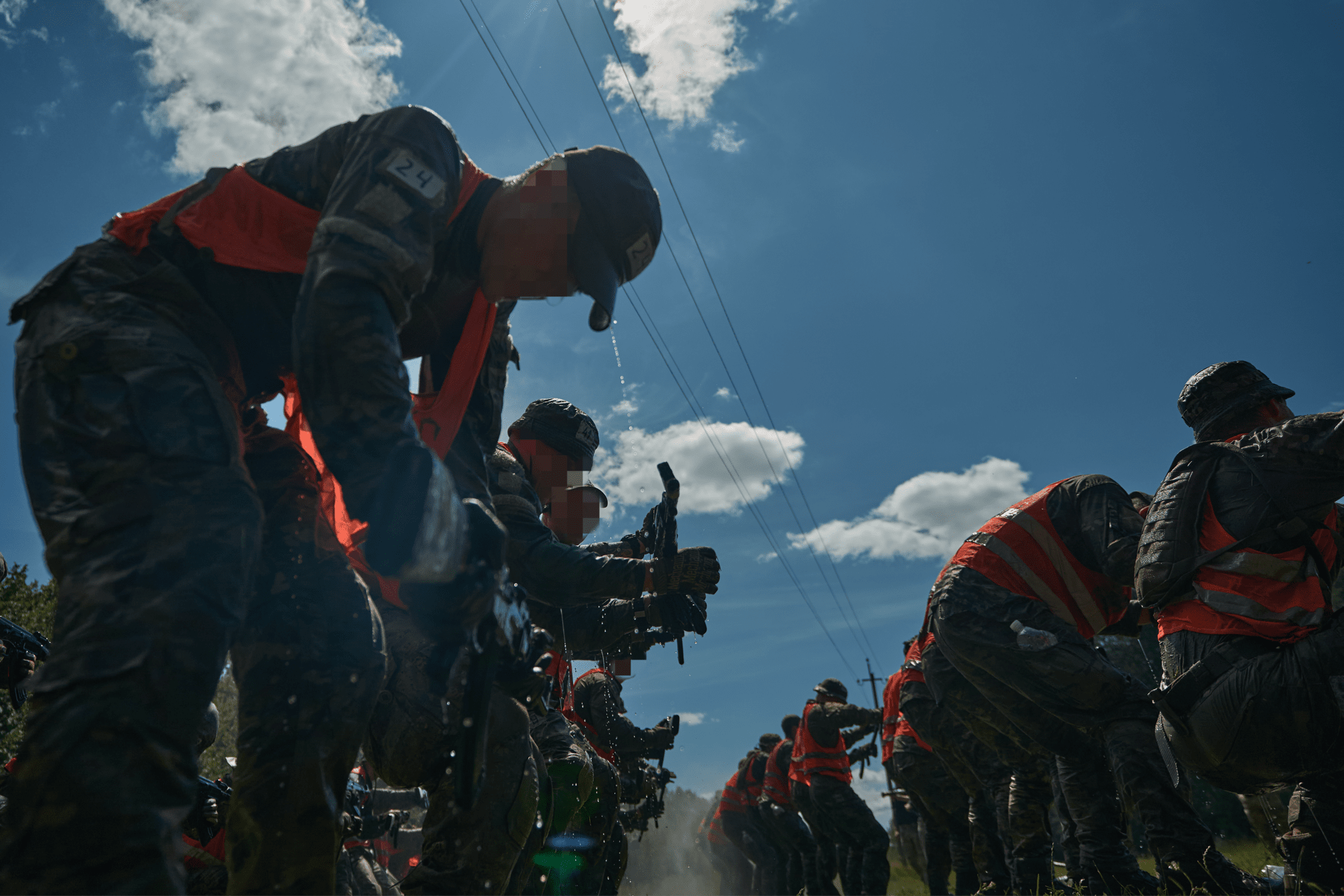
During physical exercises, candidates are drenched with water—so thoroughly that they can’t even catch a breath.
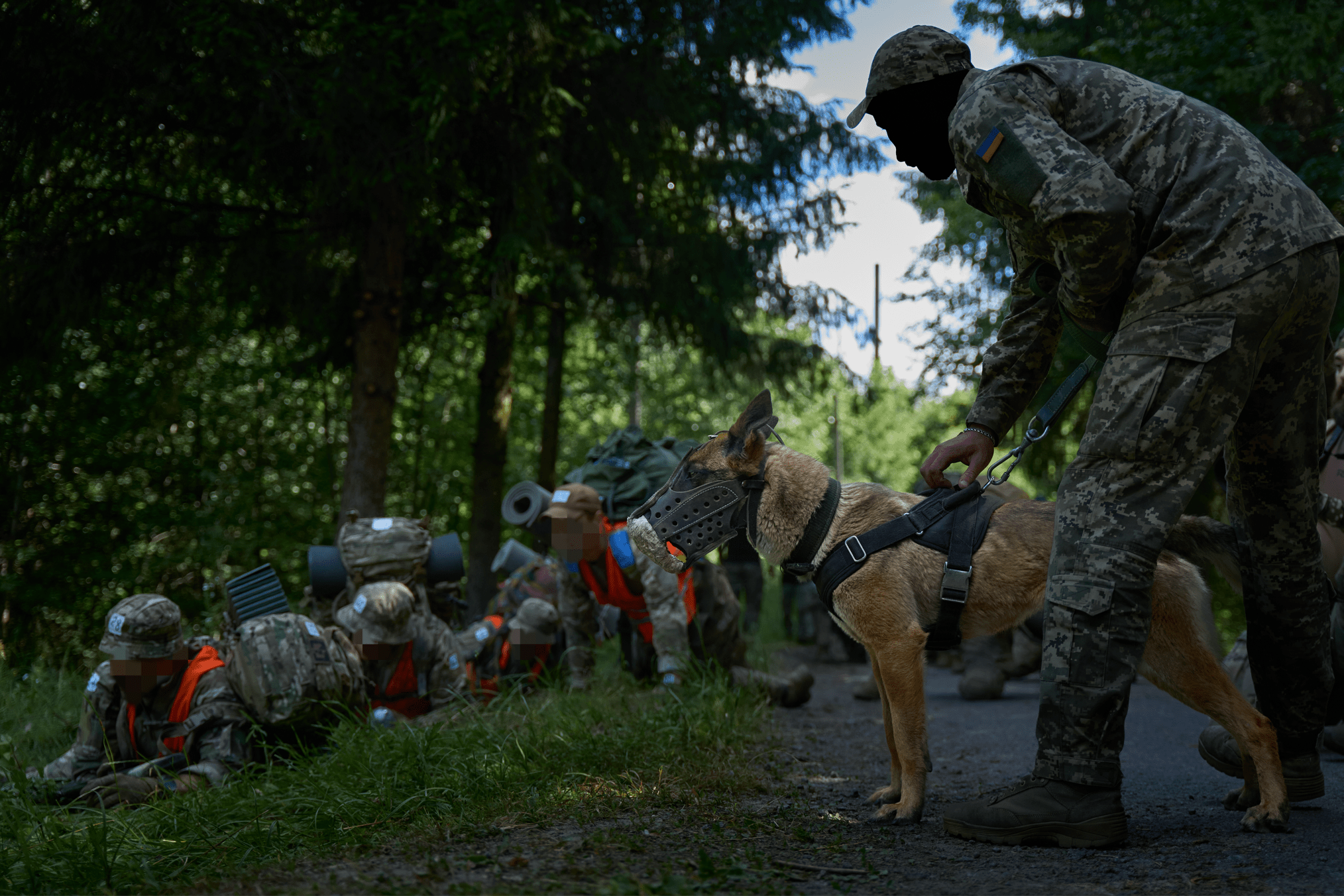
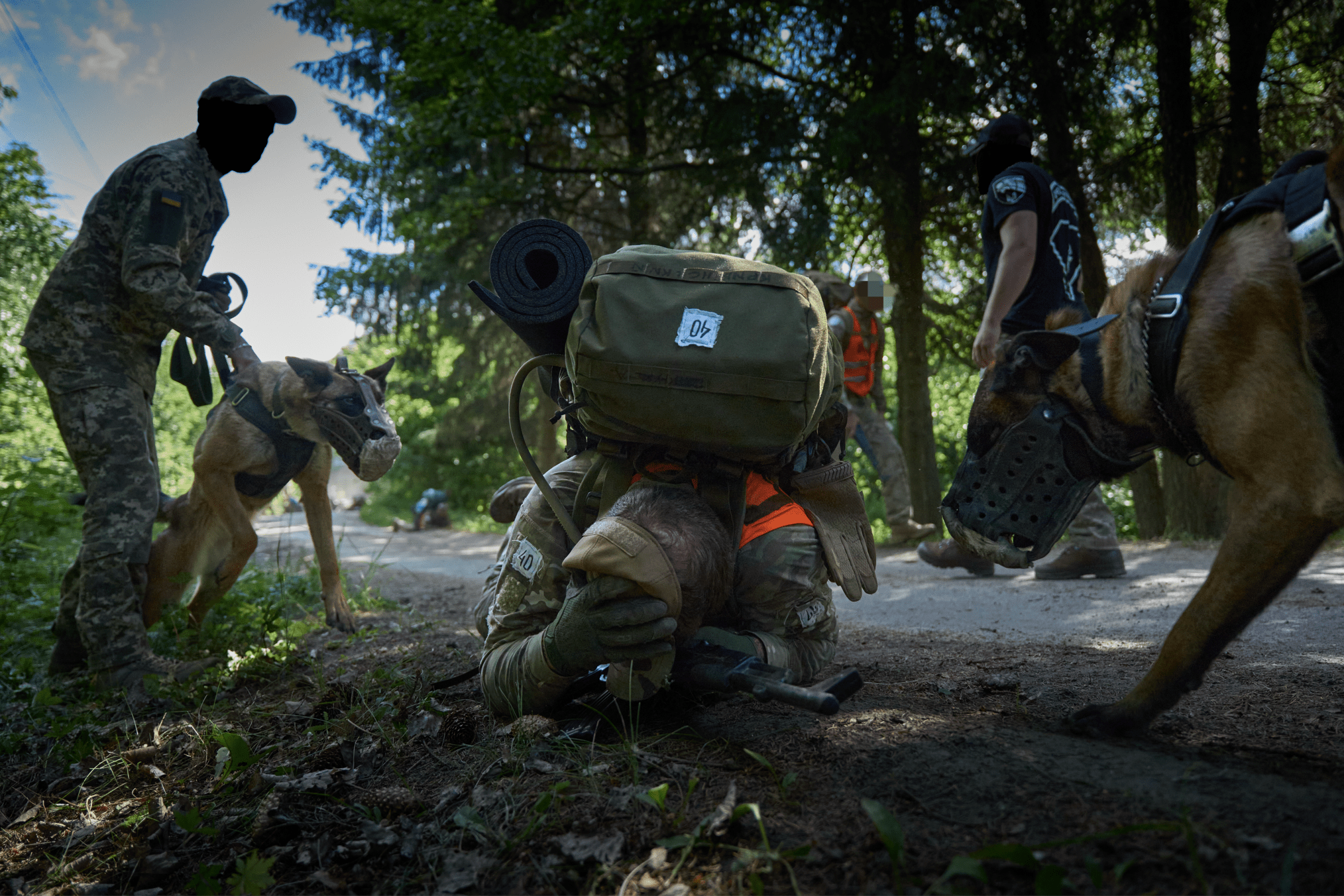
While crawling low to the ground, candidates are also subjected to psychological and physical pressure from specially trained dogs, which aggressively lunge at anyone their handler points to.

Instructors apply psychological pressure too: “This isn’t for you,” “You’re not capable.” This is where mental strength must shine through. The goal is to see who falls—and who gets up. Not once, but again and again: the third time, the fourth, the hundredth.
Not for the strongest—for those who don’t give up

The SOF Q-Course is the highest standard. But not everyone gets in. Selection is the moment of truth—where those ready for combat operations behind enemy lines, in isolation, and under extreme psychological strain are revealed.

These are the people who operate where others can’t. The ones who sneak up on enemy depots at night, evacuate the wounded from the zero line, and operate with zero margin for error.
Every second, the thought of quitting runs through a candidate’s mind—and that’s exactly what plays a key role in the selection process. If you don’t give up, you earn the chance to begin training for one of the toughest and most vital jobs there is: a job where small teams of special forces operators help change the course of the war.
Candidates get very little sleep, which affects their mental sharpness—but not a single minute passes without physical exertion. After being deprived of proper rest, they face a test of their ability to make decisions under extreme stress.

Who is it for? And why it’s worth it

Selection for the Q-Course isn’t for everyone. That’s exactly why it’s worthy of respect.

But if you:

  • Are already a service member of the Ukrainian Armed Forces (contracted or mobilized),

  • Have endurance, a stable psyche, and feel you're capable of more,

  • Are ready to endure the hardest week of your life

    —then try.

This isn’t a promise. It’s not a path to glory. It’s a real opportunity to join a unit that changes the course of the war every single day.
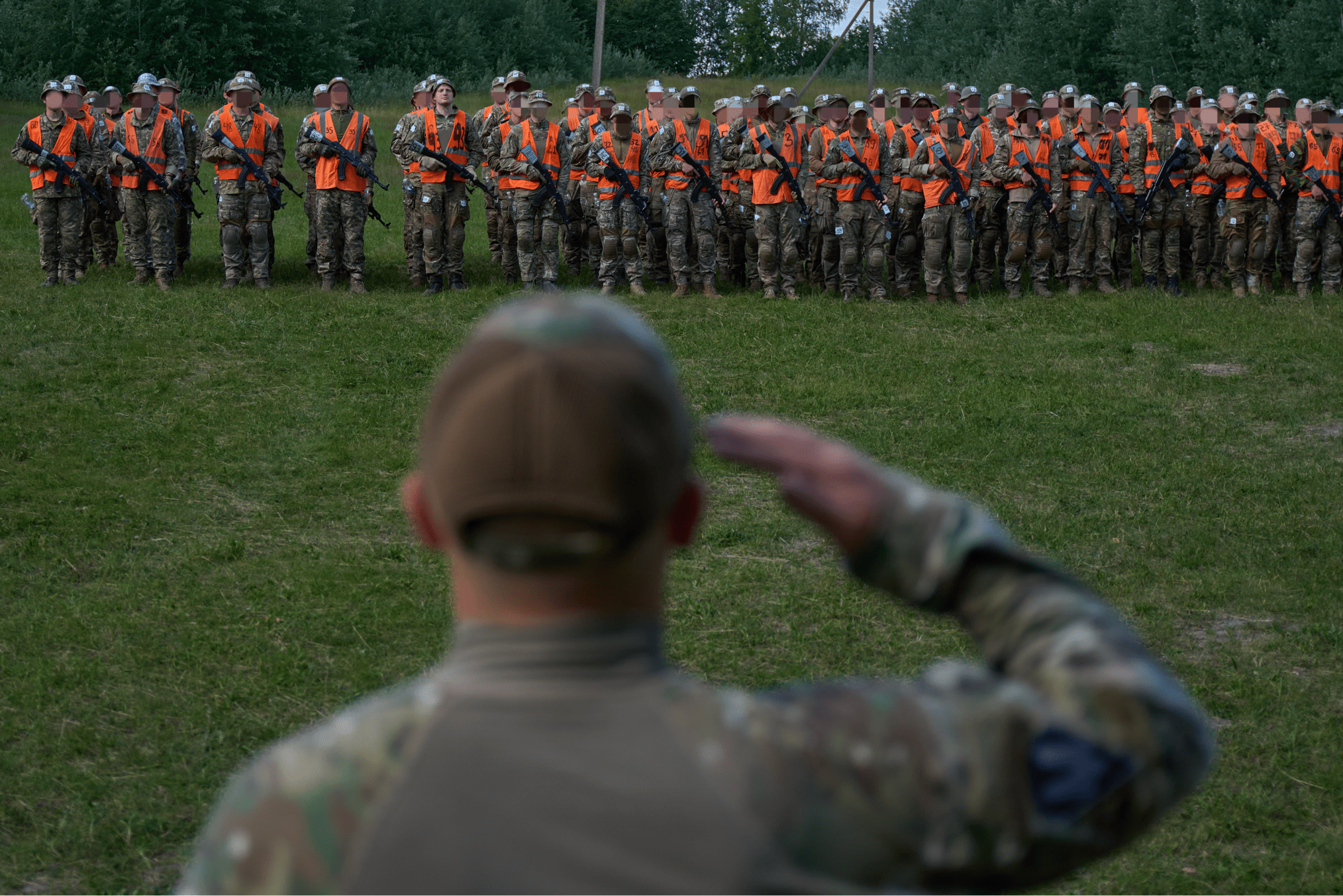
The start of “Selection”—candidates are wished good luck. The coming week is one they will remember for the rest of their lives.

What we took away from this week

Our journalist didn’t pass selection as a candidate. But he saw why it exists. He saw who remains when most fall behind. He saw that strength isn't just about muscles—it’s about the ability to make decisions when it hurts. And to keep going.

After such a brutal selection, those who remain are given access to the best training—a four-month Q-Course that shapes resilient, motivated candidates into fully qualified SOF operators.

This isn’t a war story. It’s a story about those ready to change its course—with a small group of special forces.

See all

Help Us Break Through the Algorithm

Your support pushes verified reporting into millions of feeds—cutting through noise, lies, and manipulation. You make truth impossible to ignore.