- Category
- War in Ukraine
Kremlin Asks North Korea for Heavier KN-30 Ballistic Missiles Ahead of Winter Strikes on Ukraine
 Prefer U24 Media on Google
- Authors


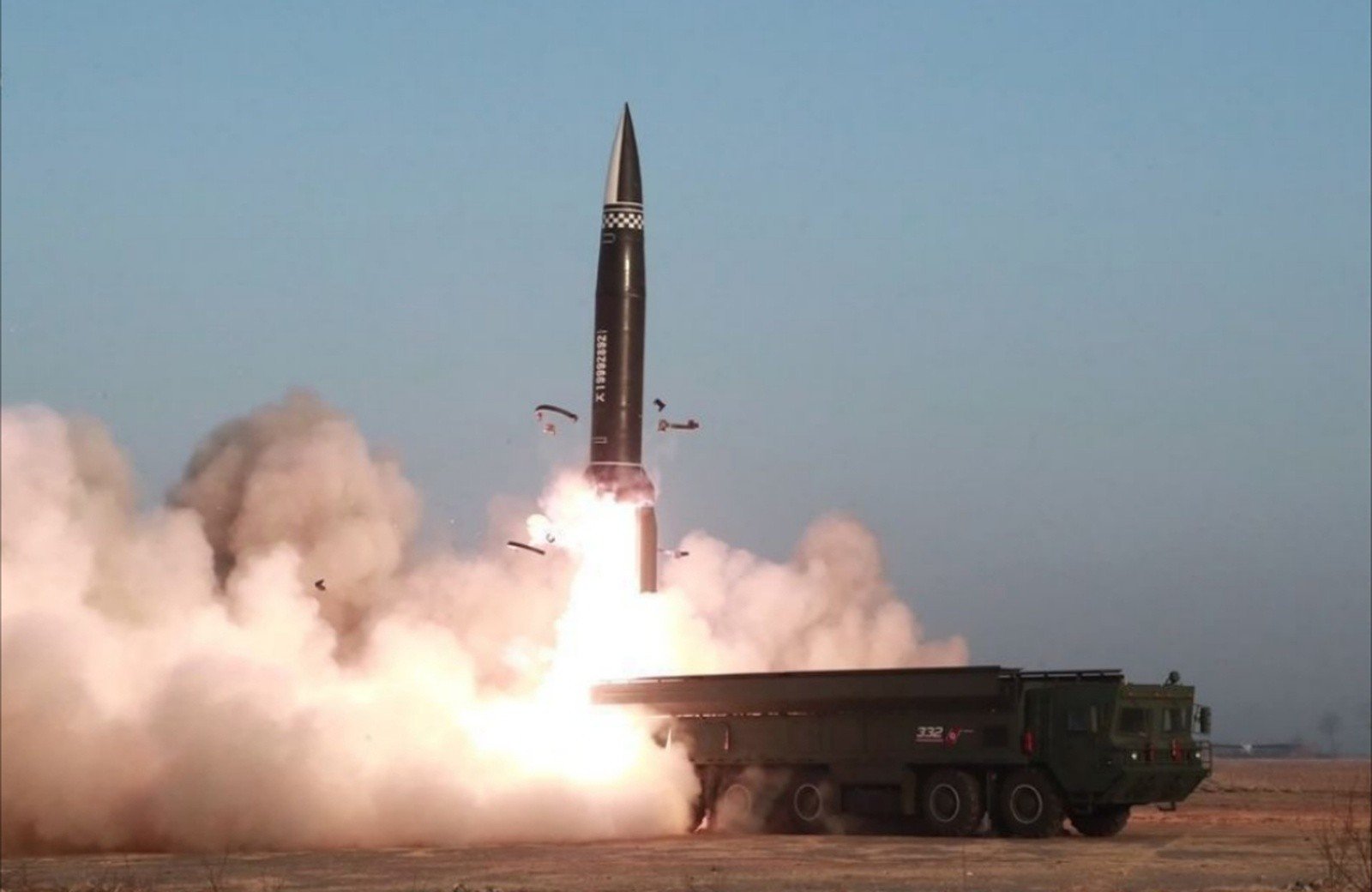
Russia is negotiating with North Korea for a new military aid package that could include more powerful KN-30 ballistic missiles for use against Ukraine during the coming fall and winter, Ukraine’s Defense Intelligence (HUR) representative Andrii Cherniak told Ukrainian media outlet LIGA.net on August 27.
According to HUR, Moscow has requested the KN-30, a heavier member of North Korea’s short-range ballistic missile family that Ukrainian intelligence assesses as roughly three times more powerful than the KN-23 and KN-24 missiles Russia already uses against Ukraine.
We bring you stories from the ground. Your support keeps our team in the field.
Cherniak stressed, however, that Ukrainian intelligence has not yet detected any transfer of KN-30 missiles from North Korea to Russia.
The talks are part of a much broader package of military support Moscow reportedly hopes to secure from Pyongyang.
Ukrainian intelligence previously said Russia expects to receive as many as 120 ballistic missiles and six launchers, along with a separate missile unit of up to 90 North Korean personnel and between 30,000 and 50,000 additional North Korean troops.
Russia has already received 40 KN-23 and KN-24 ballistic missiles from the requested package, according to Cherniak. He said Russian forces used two of those missiles during a recent attack on Ukraine.
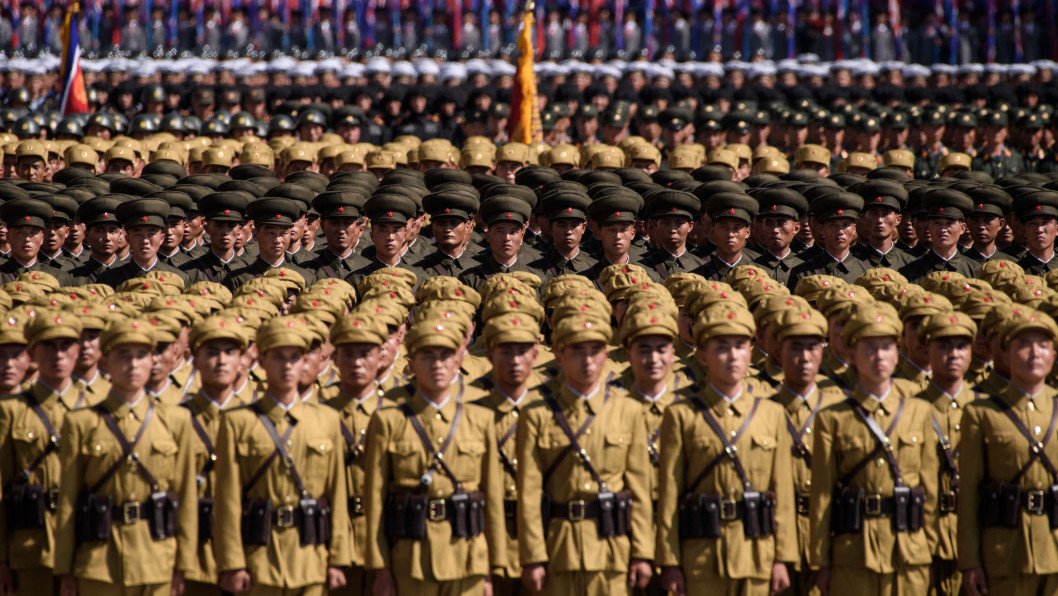
“Missile terror is part of the Kremlin’s strategy aimed at increasing fear, fueling destructive processes and conflicts within Ukraine. In this way, the aggressor is putting pressure on Ukrainian society and trying to undermine our resilience,” Cherniak said.
The KN-30 is a Western designation associated with North Korea’s Hwasong-11C ballistic missile, also referred to as Hwasong-11Da. It is an enlarged member of the Hwasong-11 short-range ballistic missile family and is launched from a mobile ground-based platform using a solid-fuel propulsion system.
The missile was first publicly displayed during a military parade in Pyongyang on January 14, 2021, and its first known test launch followed on March 25 of that year.
During testing, the missile demonstrated a range of at least 600 kilometers, or roughly 370 miles.
North Korea has claimed the weapon can carry a warhead weighing as much as 2.5 metric tons, although that figure has not been independently confirmed.
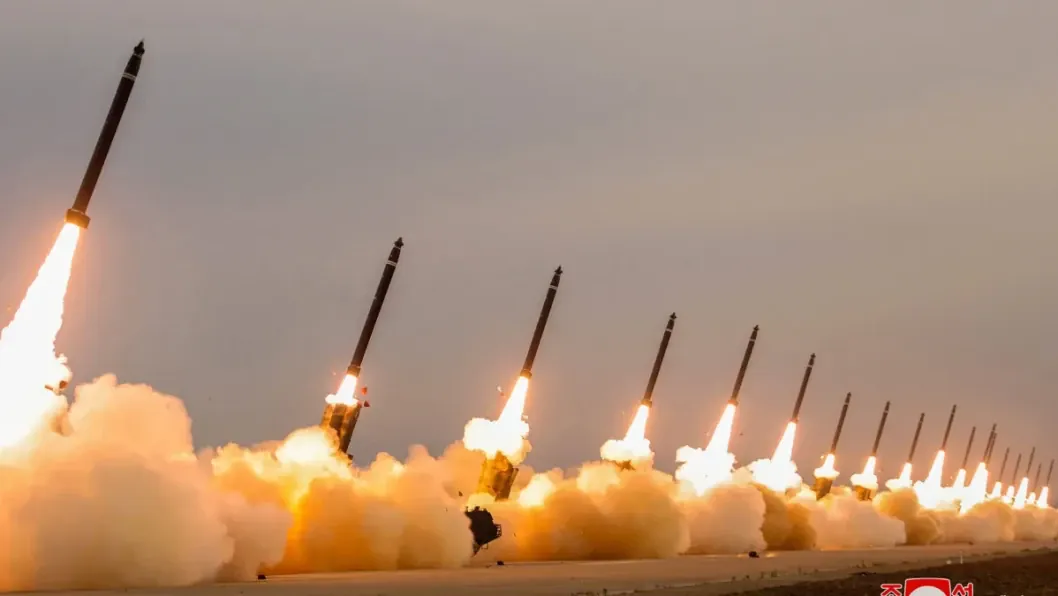
Such a payload would make the missile particularly destructive against fixed targets, while its road-mobile launcher could complicate efforts to locate and destroy the system before launch.
The reported request comes as Russia continues relying heavily on ballistic missiles in large-scale attacks against Ukrainian cities and critical infrastructure, particularly during combined strikes involving drones and other missile types.
Final details of the next North Korean military aid package could be determined during expected September talks between Russian leader Vladimir Putin and North Korean leader Kim Jong Un, according to Cherniak.
Previously, Ukrainian Foreign Minister Andrii Sybiha stated that Ukraine would treat any North Korean missile launchers deployed on Russian territory as legitimate military targets and move to destroy them.
Discuss this article: