- Category
- War in Ukraine
Russia Has No Warships Left in the Mediterranean for the First Time Since 2013
 Prefer U24 Media on Google
- Authors


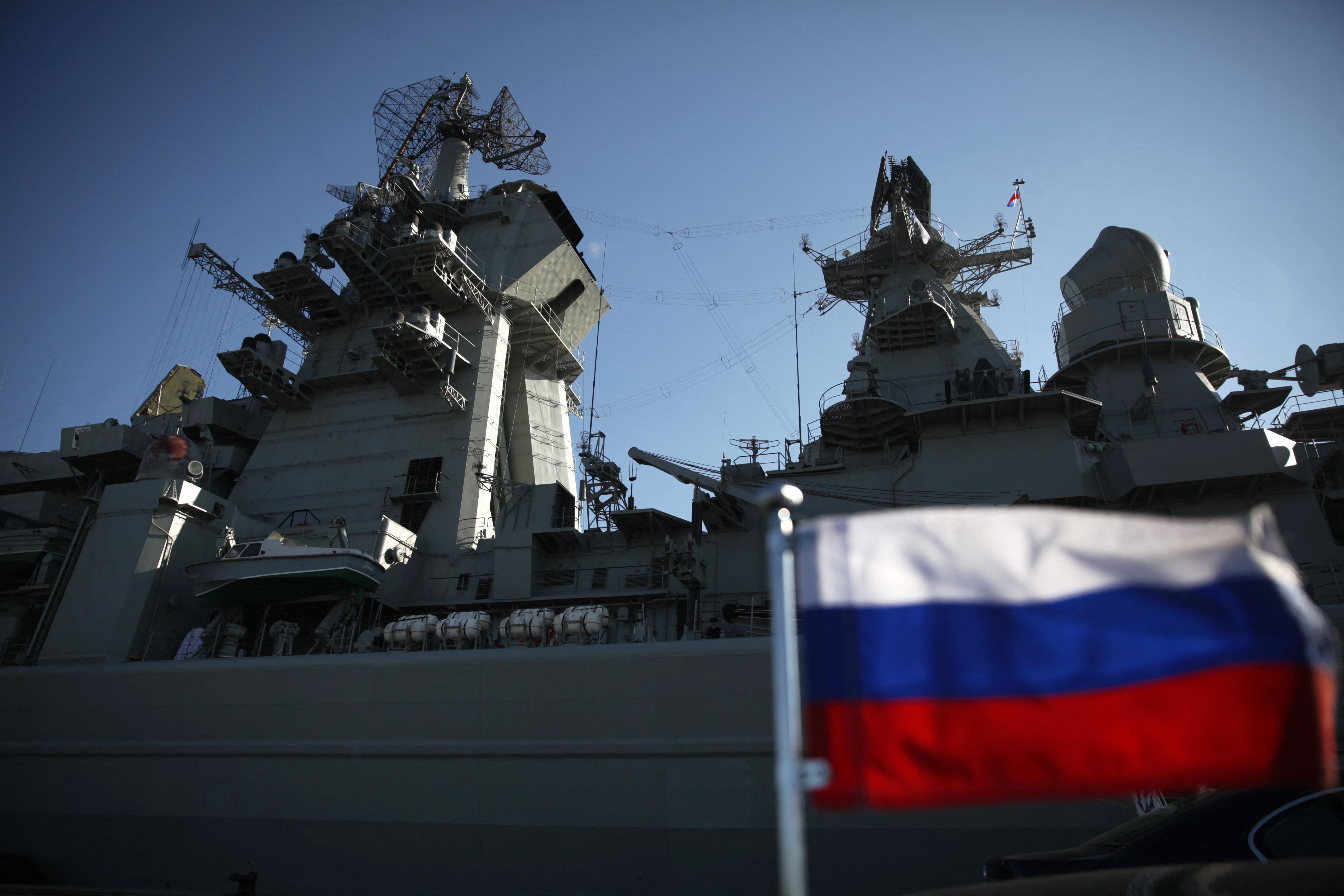
Russia no longer has any warships deployed in the Mediterranean Sea, marking the first time since 2013 that Moscow has completely lost its naval presence in the region.
We bring you stories from the ground. Your support keeps our team in the field.
According to the open-source monitoring group Russian Forces Spotter, the absence of Russian combat vessels was confirmed on July 1 after the last remaining ships departed the area.
The development reflects several strategic shifts that have steadily reduced Russia’s ability to sustain operations in the Mediterranean, including Turkey’s closure of the Turkish Straits to warships involved in the war in Ukraine, the loss of full access to its naval logistics hub in Syria, and the redeployment of vessels to other theaters.
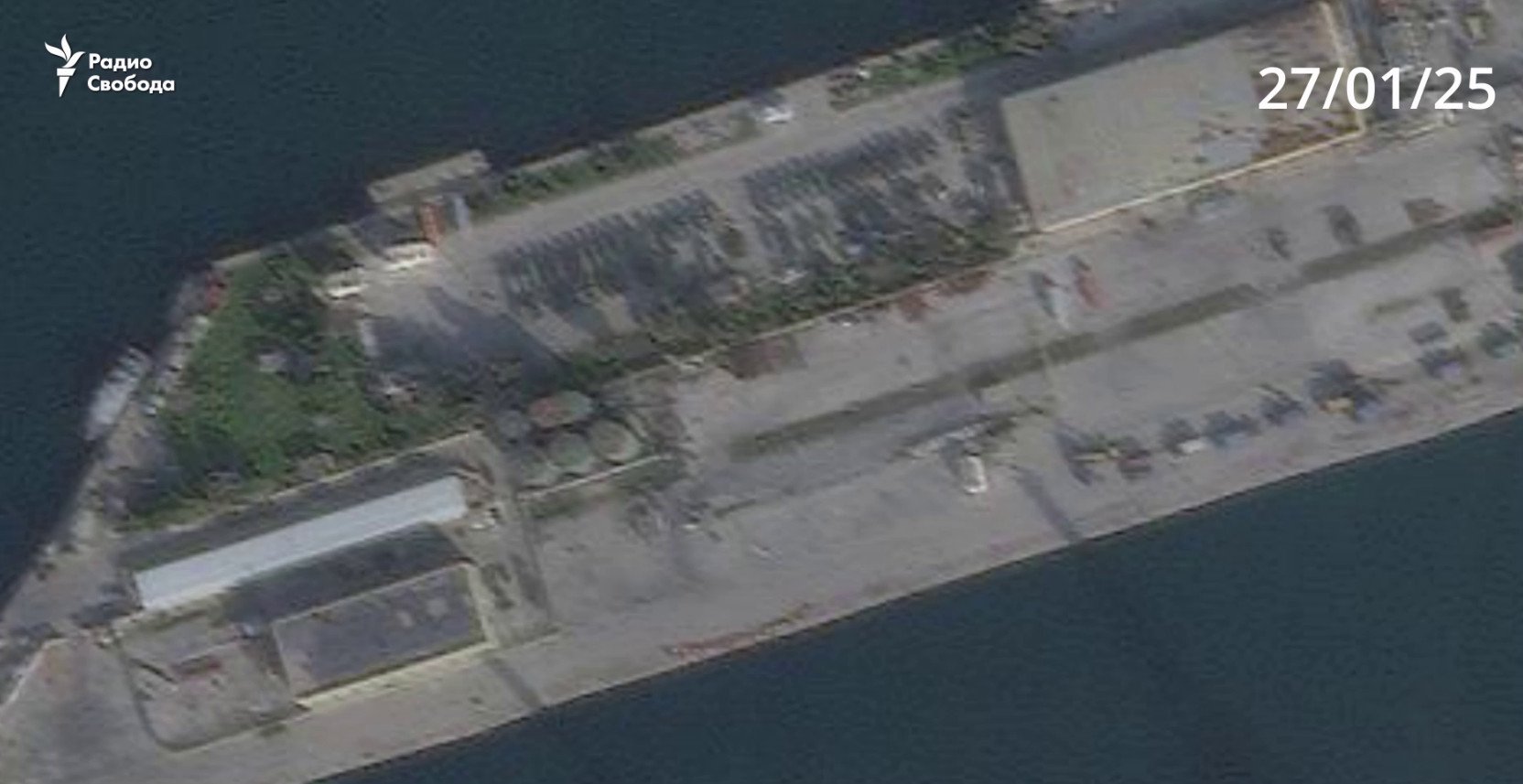
According to Russian Forces Spotter, no Russian combat ships were present in the Mediterranean as of July 1—the first such situation in more than a decade.
One of the key factors behind the withdrawal has been Turkey’s implementation of the 1936 Montreux Convention following Russia’s full-scale invasion of Ukraine.
By closing the Bosporus and Dardanelles to warships of countries participating in the conflict, Ankara effectively prevented Russia’s Black Sea Fleet from rotating vessels between the Black Sea and the Mediterranean.
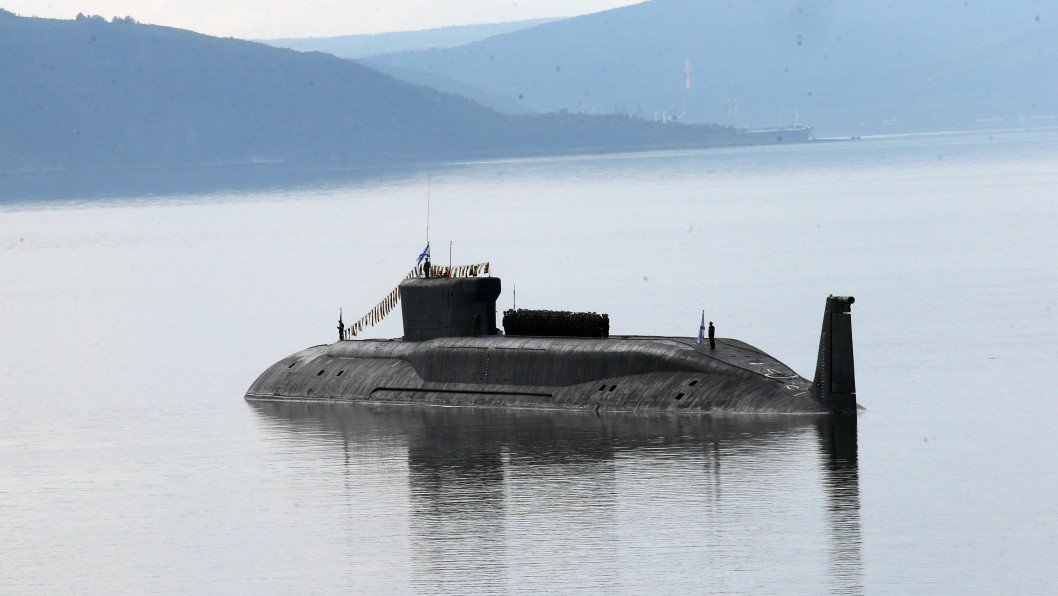
Russia’s position in the region was further weakened after political changes in Syria at the end of 2024. The shift significantly reduced Moscow’s ability to use its long-standing naval logistics facility in Tartus, which had served as the Russian Navy’s primary support point in the eastern Mediterranean for years.
According to Russian Forces Spotter, part of Russia’s naval force has also been reassigned to other missions. Some vessels are currently escorting Russian government and special-purpose ships in Northern European waters, including areas near the United Kingdom.
The last confirmed Russian naval activity in the Mediterranean took place in June. Satellite imagery identified the frigate Admiral Kasatonov and the fleet replenishment tanker Akademik Pashin moored at Tartus on June 4. The ships later visited Alexandria, Egypt, during Russia Day celebrations, were subsequently tracked south of Sardinia, and arrived at Algeria’s port of Oran on June 22 before leaving the Mediterranean.
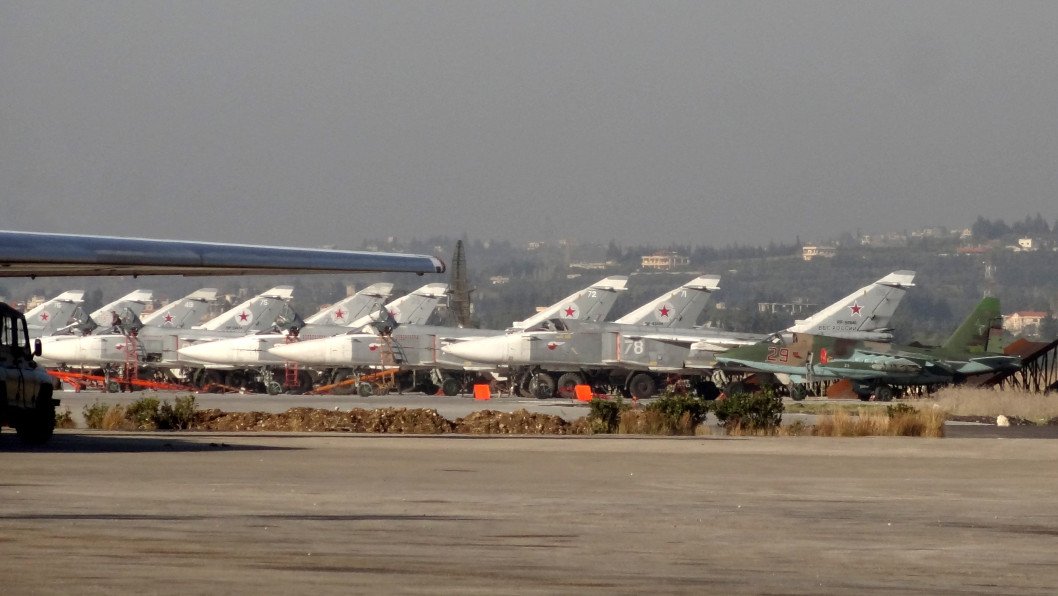
Despite the current absence of Russian warships, analysts cited by Russian Forces Spotter assess that the withdrawal is unlikely to be permanent. The Mediterranean remains an important route connecting Russia’s fleets with the Atlantic and the wider global ocean, making a future return strategically desirable.
Analysts also note that Moscow may seek an alternative logistics hub outside Syria. One potential option is Sudan, where Russian officials have been pursuing an agreement to establish a naval support facility on the Red Sea coast. Sudanese authorities have previously stated that they see no obstacles to ratifying the agreement.
Russia’s shrinking naval footprint in the Mediterranean has coincided with Ukraine’s expanding ability to project force into the region. In April 2026, RFI, citing Libyan sources, reported that Ukrainian personnel had established a presence in western Libya and used maritime drones to strike Russian-linked vessels operating in the Mediterranean.
Discuss this article:
-9a7b3a98ed5c506e0b77a6663f5727c5.png)

-80134f2dc17b4a887d01513a1c7bc929.png "Illustration of Russian military infrastructure targeted by Ukrainian strikes in temporarily occupied eastern Ukraine. (Source: General Staff of the Armed Forces of Ukraine)")